Barbie Dolls Become Speakers and Power Banks in Gomi Tech Collection


 See more Architeg Prints stories on Google.
Barbie Dolls Become Speakers and Power Banks in Gomi Tech Collection
Barbie dolls become colorful, functional tech in Gomi’s handmade collection of speakers, power banks, wireless chargers, and tracker tags.
When Barbie Pink Was a Whole Personality
When I was young, plenty of my belongings were pink—but not just any pink. They had to be Barbie pink. That bright, unmistakable shade seemed to turn ordinary objects into tiny pieces of a more glamorous world.
I eventually grew into other colors, of course. Still, those familiar pink tones never completely lost their magic. They bring back afternoons spent inventing elaborate stories for dolls whose social calendars were somehow busier than mine. There were parties, makeovers, dramatic friendships, and what felt like an entire soap opera unfolding across the bedroom floor.
Even now, a quick flash of that particular pink can make me pause. Put it on a speaker or a charger, and suddenly a routine object feels like it has a backstory.
A Childhood Memory Rebuilt as Everyday Tech
Gomi appears to understand that emotional connection. Its Barbie x gomi Childhood Memories Collection brings recycled Barbie dolls and accessories into the world of everyday electronics.
The collection includes Bluetooth speakers, power banks, wireless chargers, and tracker tags. At first glance, they might look like modern gadgets borrowing colors from a toy aisle. But the relationship goes deeper than surface styling. Actual doll materials are incorporated into the products, along with other recovered plastics.
That distinction matters. These aren’t simply black or white devices repainted in pink and marketed with a familiar name. The material itself carries part of the collection’s story. Pieces associated with childhood play are given a new role in adult routines—charging a phone, playing music, or keeping track of something important.
It’s a clever bit of design storytelling. Instead of placing nostalgia on top of a product like decorative frosting, Gomi works it into the object itself.
Handmade Surfaces With No Exact Duplicate
The next layer of charm comes from the way the products are made. Gomi, a studio based in Brighton, England, creates the limited-edition pieces by hand.
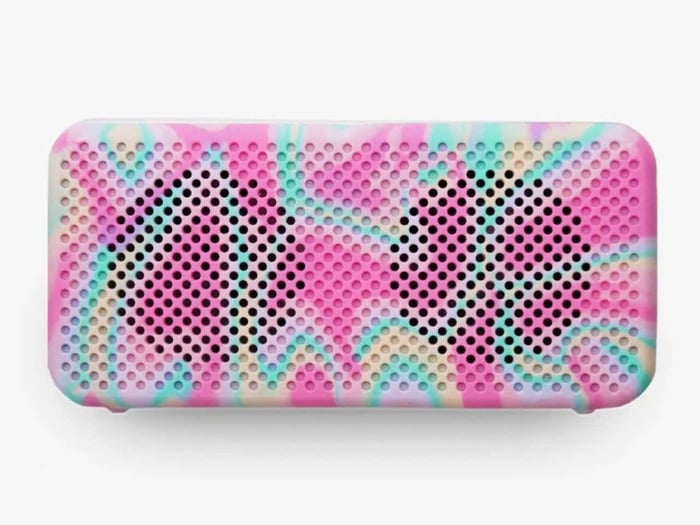
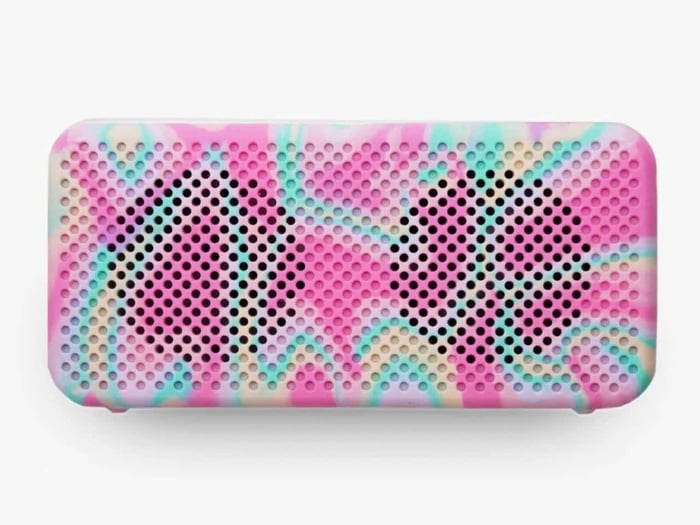
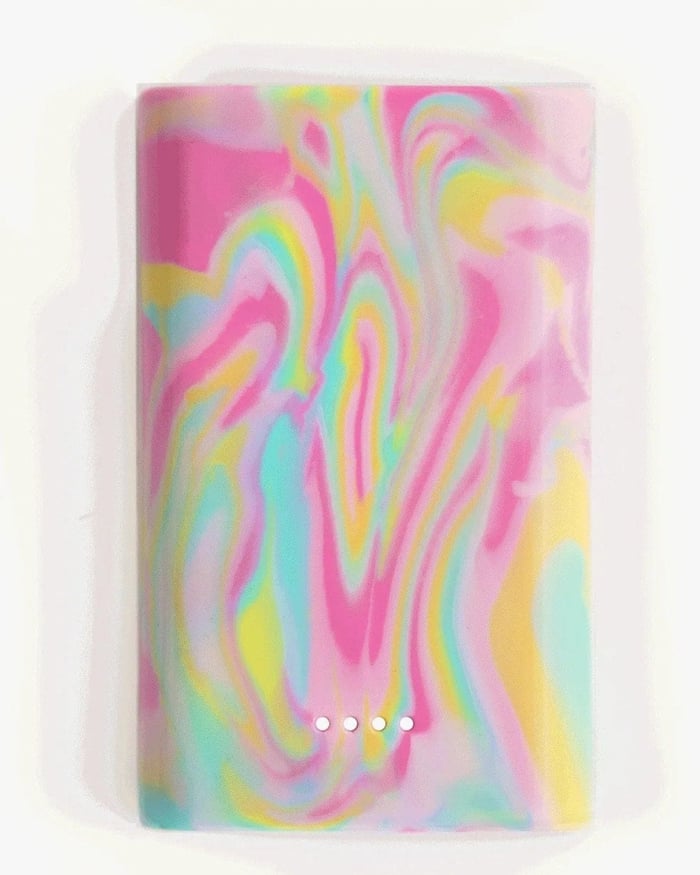
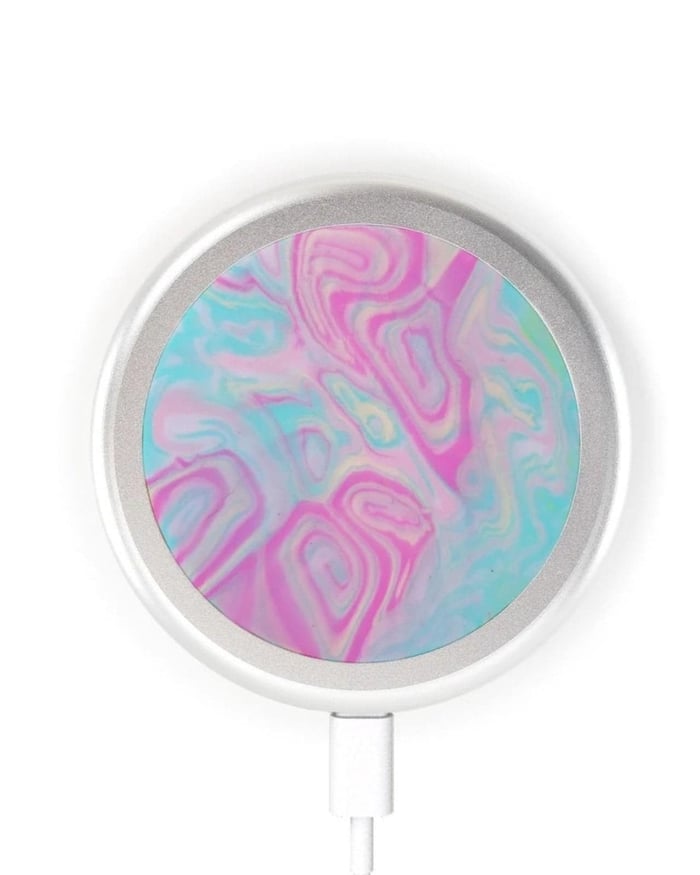
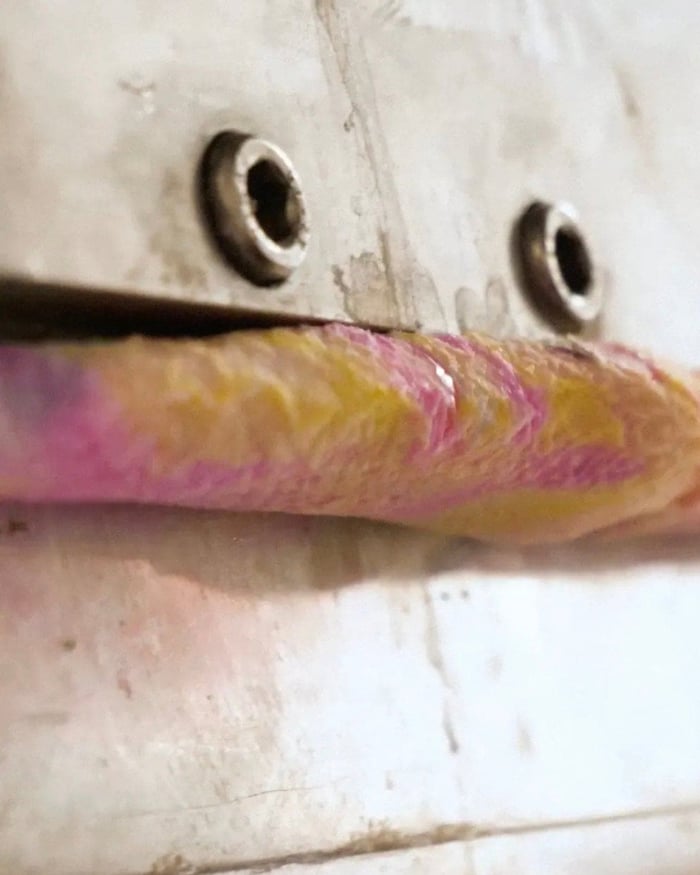
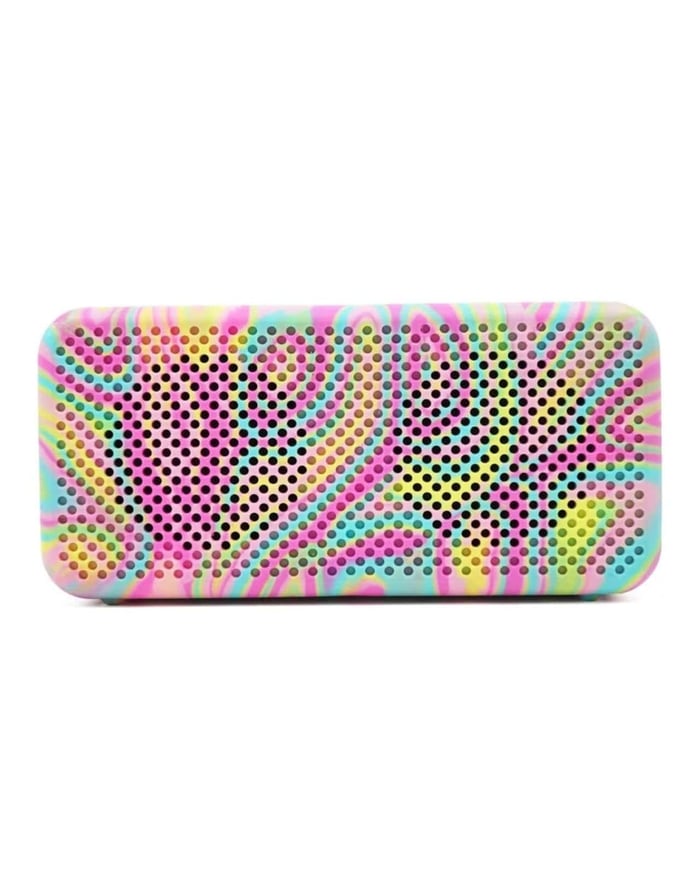
Reclaimed plastics form marbled surfaces, and the patterns vary from one item to the next. That means each design has its own visual rhythm: one might feature a stronger sweep of pink, while another could have a more scattered, collage-like finish. Gomi describes the products as unique, which will appeal to anyone who prefers objects with a little personality.
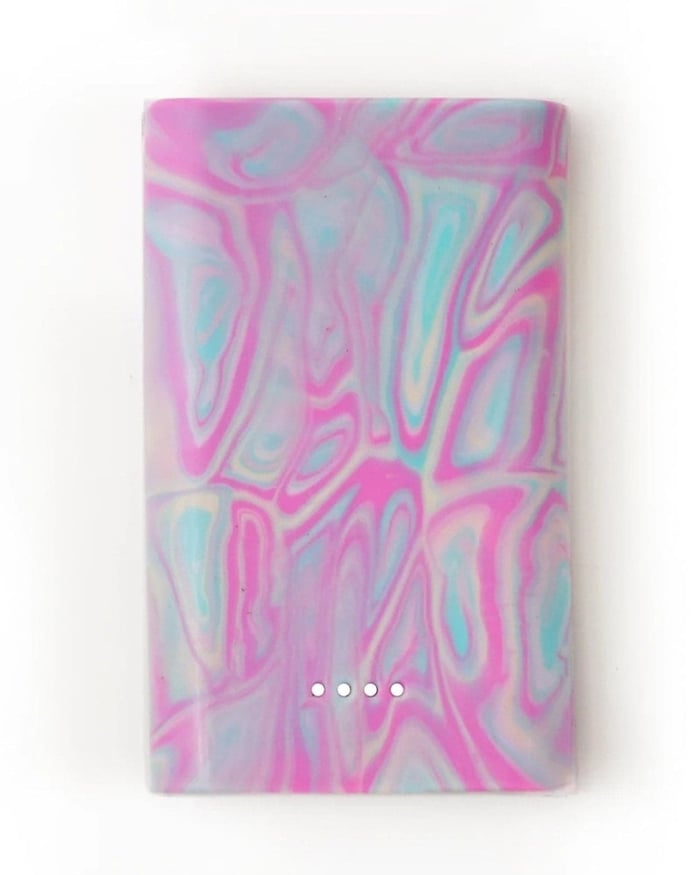
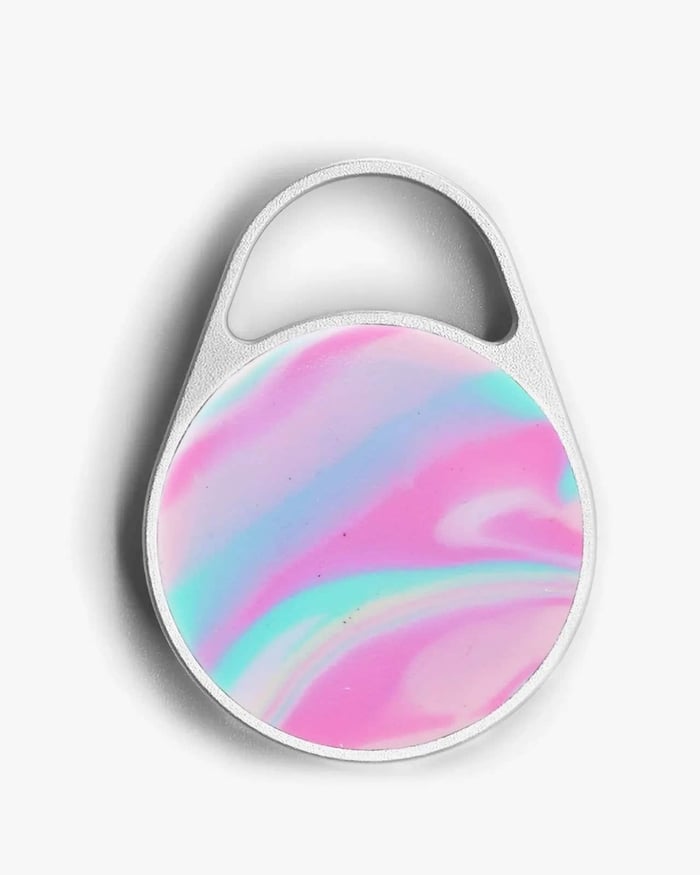
That variation also lets the recycled material remain visible. Instead of hiding the source material inside a smooth, anonymous casing, the collection makes transformation part of the aesthetic. You can look at the finished product and still sense that it came from something else.
A childhood toy becomes a speaker. A doll accessory becomes part of a charger. The object’s former life isn’t erased; it’s simply redirected.
The Speaker Keeps the Playful Look Practical
The Bluetooth speaker is perhaps the clearest meeting point between playful design and useful hardware. Recycled doll material is paired with an aluminum back plate and aluminum buttons, creating a contrast between the colorful surface and the more industrial components.
That combination keeps the speaker from feeling too much like a novelty item. The pink, marbled material gives it character, while the aluminum details provide a finished, functional edge. It’s a little like pairing a party dress with sturdy boots—still fun, but ready to leave the house.
Gomi also lists fast charging and a modular, repairable design for the speaker. Those features are important because a striking appearance can get attention, but an electronic product has to earn its place in daily life.
A speaker that looks charming on a shelf is nice. A speaker that can charge quickly and be repaired when necessary is far more useful. The repairable construction suggests that Gomi wants the product to remain in rotation rather than become a short-lived novelty once the initial excitement fades.
A Power Bank With More Than Pretty Colors
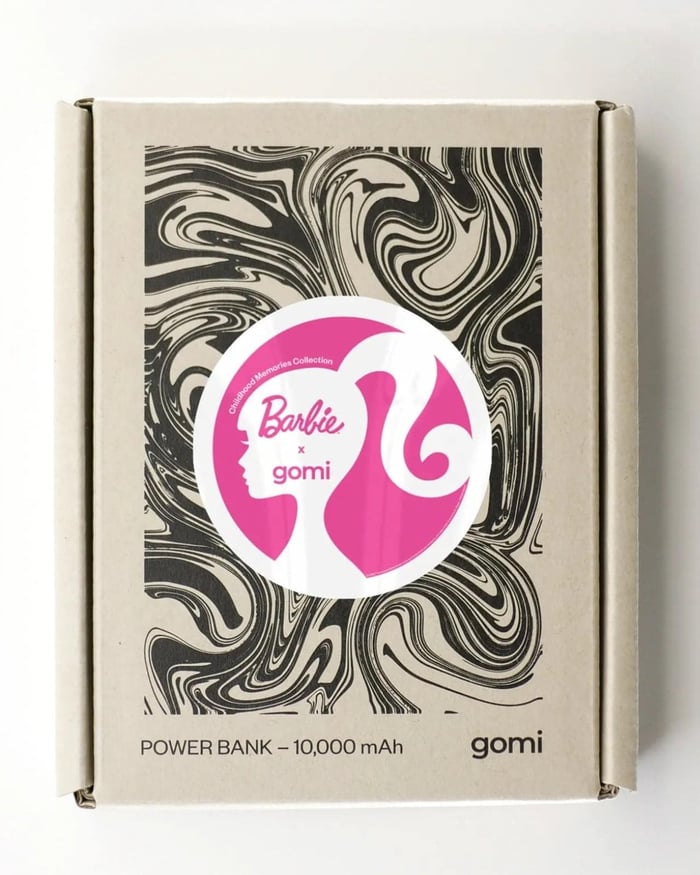
The collection’s practical side becomes even more obvious with the power bank. According to Gomi, it offers a 10,000 mAh capacity, USB-A and USB-C ports, and fast charging.
Those are the kinds of details that matter when your phone battery starts sliding toward the dreaded red zone. We’ve all experienced that quiet panic: you’re away from an outlet, your screen brightness is already low, and suddenly every percentage point feels precious.
The power bank is designed to help solve that everyday problem while carrying a more distinctive visual identity. Gomi says it uses repurposed e-bike batteries and has a modular construction that allows repairs and battery replenishment.
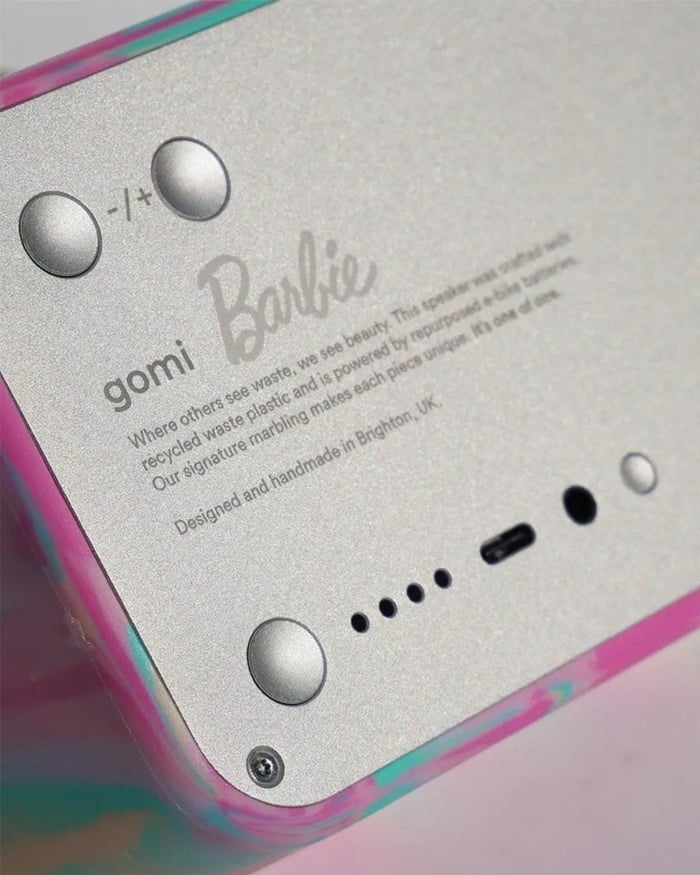
That last point gives the power bank a longer-term argument. The childhood references may be what makes someone notice it, but its charging performance and repair potential are what could keep it useful.
In other words, the Barbie connection is a bonus—not a replacement for the job the device needs to do.
Why Should Chargers All Look the Same?
Wireless chargers and tracker tags expand the collection beyond audio and backup power. Together, the products ask a simple but surprisingly effective design question: Why should the small accessories we carry or leave on our desks all look interchangeable?
Most chargers are designed to disappear. Many speakers arrive in the same familiar black, gray, or white shapes. Tracker tags tend to be small and forgettable by nature. Gomi’s collection pushes in the opposite direction, giving these everyday objects a visual identity of their own.
A charger doesn’t have to fade into the background. A speaker doesn’t need to resemble every other black box on a shelf. Even a tracker tag can carry a bit of color and personality.
That approach may sound small, but it changes how we relate to ordinary technology. When a device is pleasant to look at, it becomes part of the room instead of an object we tolerate. It can sit beside books, cosmetics, plants, or keepsakes without feeling like an intruder from a completely different visual universe.
The Reuse Story Is More Interesting Than Nostalgia Alone
The collection’s reuse angle deserves attention, too. Giving discarded dolls a role in new products creates another use for their plastic, while repairable construction may help owners keep the electronics longer.
Of course, that doesn’t make the products impact-free. Electronics still require components, manufacturing, and energy, and Barbie materials aren’t the only recovered plastics used in the collection. The more accurate story is also the more compelling one: Gomi has found a visible and functional use for old toy materials.

The material isn’t merely hidden away inside a product. It becomes part of the design language. You can see the marbling, the color shifts, and the evidence that every piece began somewhere else.
That visible history makes the objects feel less disposable. They’re not trying to pretend they were born perfect and identical. Their differences are part of the point.
Individual Design Comes With a Trade-Off
Distinctive design always brings a few compromises. If you fall in love with one particular pattern, there may not be another exactly like it later. Gomi says only one of each power bank design is available, and its listings show a $95 price, although availability can change.
That scarcity may appeal to collectors, especially those who enjoy owning objects with individual finishes. But anyone shopping primarily for technical performance should still compare specifications before making a decision. A beautiful casing can’t compensate for features that don’t fit your needs.
Here, the attraction is the combination of several qualities: everyday function, a one-of-a-kind appearance, and a material story you can actually see. It’s less about buying a standard accessory in a fashionable color and more about choosing an object that feels personal.
When Make-Believe Finds a Useful New Job
For me, the appeal begins with that familiar pink but doesn’t end there. Childhood Memories takes a material associated with make-believe and gives it an adult errand.
It can keep a phone charged. It can play music. It can add a little character to an accessory that would otherwise sit unnoticed on a desk or travel anonymously in a bag.
That balance is what makes the collection work. It doesn’t ask anyone to outgrow an affection for Barbie, but it also doesn’t pretend that nostalgia alone makes good technology. A fond memory may draw you in, yet the product still has to function once the memory has done its job.
There’s something satisfying about that transition. The doll materials move from the imaginative world of childhood into the practical clutter of adult life, carrying a little of their old energy with them. The result is tech that feels less disposable, less anonymous, and—let’s be honest—a lot more fun to leave sitting out.
The Barbie x gomi Childhood Memories Collection turns familiar toy materials into useful electronics without hiding the history inside them. Its handmade finishes, repairable construction, and everyday functions give nostalgia a practical second act. Would you keep a speaker or power bank like this on display, or would you take it everywhere?
FAQ
- What products are included in the Barbie x gomi collection?
The collection includes Bluetooth speakers, power banks, wireless chargers, and tracker tags made with recycled Barbie dolls, accessories, and other recovered plastics. - Are the products made from actual Barbie materials?
Yes. Gomi incorporates recycled Barbie doll and accessory materials into the products, combining them with other reclaimed plastics. - What features does the Gomi power bank offer?
The power bank has a 10,000 mAh capacity, USB-A and USB-C ports, fast charging, and a modular design intended to support repairs and battery replenishment. - What makes each product visually unique?
The products are made by hand using reclaimed plastics that create marbled patterns. Because the material distribution varies, each finish looks different. - How much does the power bank cost?
The listed price is $95, though availability and listings may change. Gomi says only one of each power bank design is available.
If this collection brings back memories of colorful bedrooms, overstuffed toy boxes, and endlessly improvised doll dramas, you can carry that feeling into your space with a favorite album cover poster from Architeg Prints. It’s a warm, stylish way to give your walls the same personality these playful devices bring to a desk.
 | DISCOUNTGET 30% OFF*Use code on your next order:
|
* This post may contain affiliate links, meaning we earn a commission if you make a purchase through these links, at no additional cost to you.