Nothing Headphones (1) Pro: A $399 Rival to Sony, Bose, and Apple


 See more Architeg Prints stories on Google.
Nothing Headphones (1) Pro: A $399 Rival to Sony, Bose, and Apple
Nothing Headphones (1) Pro pairs three drivers, transparent design, adaptive noise cancellation, and rapid charging for $399.
A Transparent Return to Visible Tech
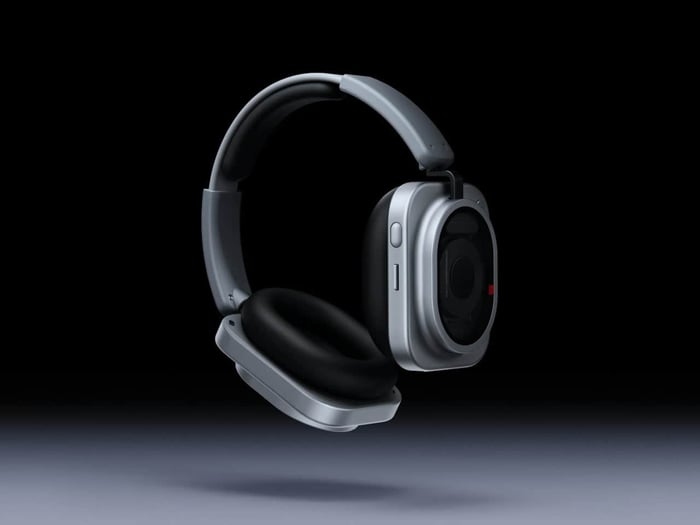
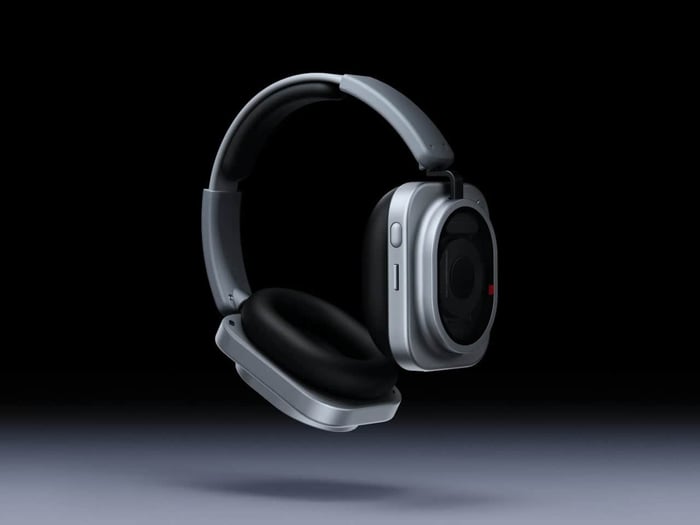
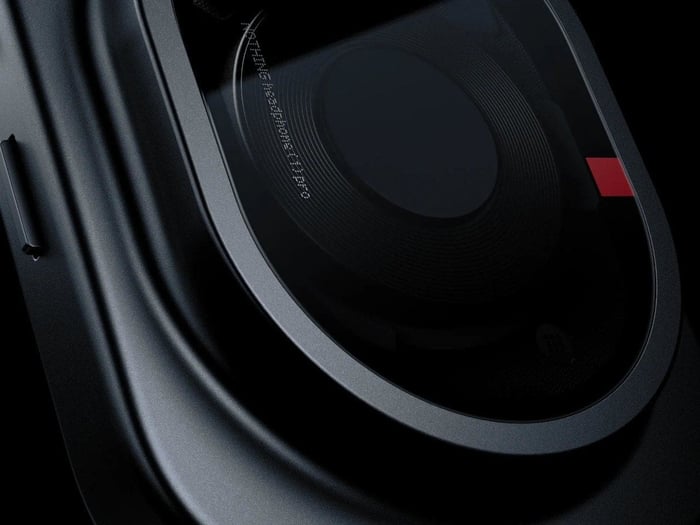
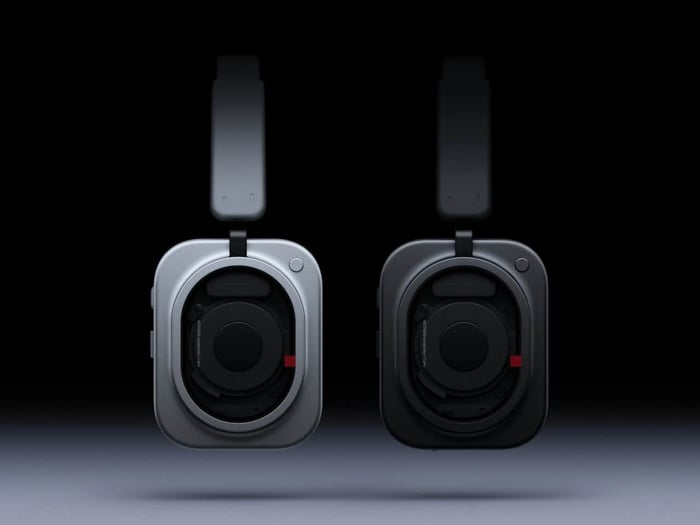
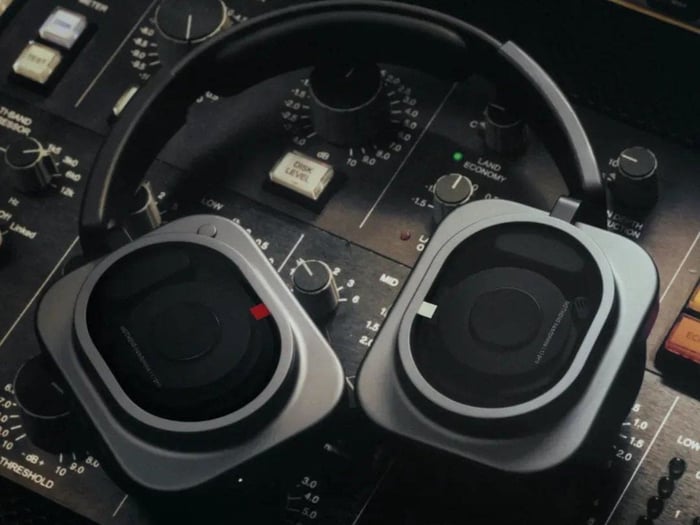
There’s something wonderfully old-school about seeing how a gadget works. Before every device became a smooth slab of mystery, transparent electronics let us peek behind the curtain. Nothing’s new Headphones (1) Pro leans into that idea with a bold see-through design—and a serious attempt to challenge the biggest names in premium audio.
The $399 over-ear headphones take aim at Sony, Bose, and Apple with a combination of visible engineering, three-driver audio, adaptive noise cancellation, and a lighter internal structure. The pitch is simple but appealing: if the sound is carefully engineered, why should the hardware look like a featureless black oval?
Three Drivers, Three Jobs
The most important part of the Headphones (1) Pro isn’t the glass. It’s what’s happening behind it.
Instead of asking one driver to reproduce the entire frequency range, Nothing divides the work among three separate components in each ear cup. A 40mm dynamic driver handles the bass, a smaller precision driver takes care of the midrange, and a solid-state xMEMS driver with a silicon diaphragm is responsible for the treble.
Each driver can focus on a narrower part of the sonic picture, helping reduce the muddiness that can happen when one driver tries to manage deep bass, vocals, instruments, and high frequencies all at once.
That arrangement is more than a simple upgrade. It gives each driver a defined role within the overall listening experience. Think of it like a small band rather than a one-person show. The bass gets its own rhythm section, the midrange has room to breathe, and the treble can add detail without fighting for space.
For listeners who jump between electronic music, guitar-heavy albums, podcasts, and cinematic soundtracks, that separation could make the experience feel more composed.

A Lightweight Frame Beneath the Glass
Transparent design can sometimes feel like a visual trick—great for the product photos, less convincing once the device is on your head. Nothing appears to have treated the Headphones (1) Pro as an engineering project as much as a styling exercise.
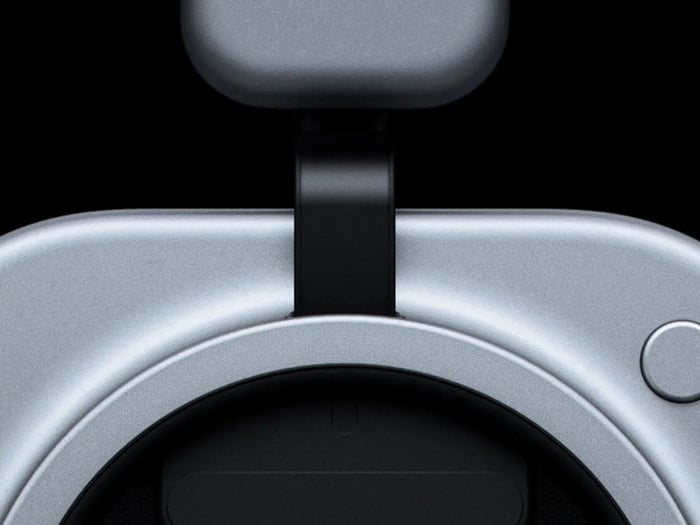
The headphones use titanium arms and glass panels, yet they weigh 327 grams. That makes them 2 grams lighter than their predecessor, a small reduction that becomes more meaningful when the headphones are worn for hours at a time.
Nothing achieved that weight change by reworking the internal frame structure rather than simply swapping one material for another. It’s the kind of behind-the-scenes adjustment that might not sound glamorous, but your ears and neck are likely to appreciate it during a long flight, a full workday, or an especially ambitious album marathon.
Comfort Gets Its Own Upgrade
A striking design is only half the battle with over-ear headphones. Nobody wants a beautiful pair of cans that starts feeling like a head clamp after the second chorus.
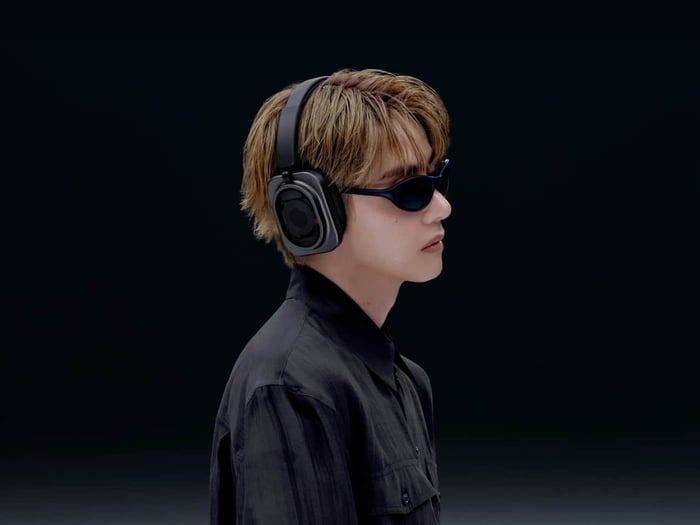
The Headphones (1) Pro adds a headband that is 10% wider, along with softer cushions intended to make longer listening sessions more comfortable. Inside each ear pad, an 8mm silicone baffle helps create a closer seal against the skin.
That seal matters for more than comfort. It can help the headphones sit securely and support the overall listening experience, particularly when the wearer is moving between a quiet room, a busy office, and the noisy cabin of a plane.
There’s also a playful idea behind the design: Nothing wants the headphones to feel as though they’re barely there. The pun practically writes itself, but the goal is clear—keep the hardware visually distinctive while making it physically fade into the background.

Glass That’s Built to Be Repaired
Glass on a pair of travel headphones sounds like an invitation to disaster. One bad drop, one overstuffed bag, and suddenly the premium accessory becomes a very expensive collection of fragments.
Nothing says the panels have been tested through drops to improve their chances of surviving everyday accidents. Even if a panel cracks, a plastic film is designed to keep the structure functioning, so a damaged surface doesn’t automatically mean the end of the headphones.
The panels are also designed with servicing in mind. A technician can heat the glass from the outside and remove it, whether the goal is to replace the panel or reach internal components for repair. That approach gives the transparent construction a practical purpose beyond visual flair.
It’s a welcome detail. Repairability usually isn’t the first thing people associate with fashionable electronics, but it can make the difference between keeping a favorite device and replacing it after one unfortunate mishap.
Noise Cancellation With More Control
Over-ear headphones already provide a physical barrier between the listener and the outside world, but the Headphones (1) Pro still brings a substantial noise-cancellation system to the table.
Ten microphones work with adaptive noise cancellation, with the headphones advertising up to 46 decibels of noise reduction. That should make the design useful in familiar trouble spots such as busy commutes, open offices, airports, and the low mechanical hum of a long-distance flight.
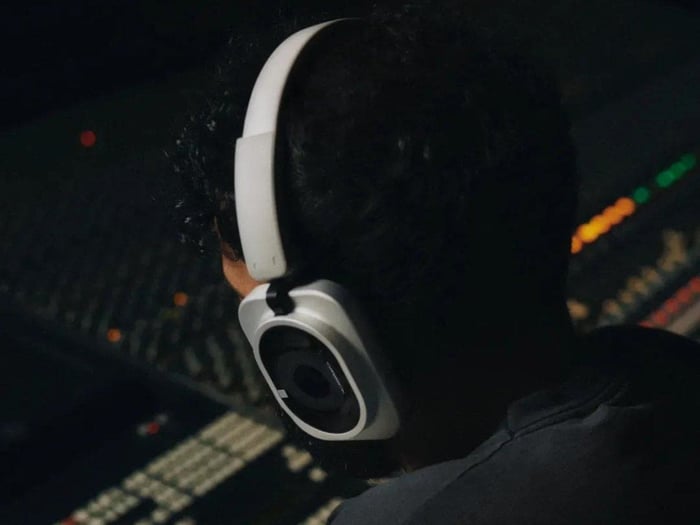
Noise cancellation is often treated as a set-it-and-forget-it feature, but Nothing also adds a new Flat EQ switch. The option gives listeners more control over how the headphones are tuned, which may appeal to people who use headphones for audio work rather than simply casual listening.
Some listeners want a powerful, shaped sound that makes music feel larger than life. Others need a more neutral presentation when working with recordings. The Flat EQ switch acknowledges both camps without making the headphones look like a piece of studio equipment.
Battery Life Takes a Small Step Back
The one area where the Headphones (1) Pro gives up some ground is battery life. Playback lasts around 30 hours with noise cancellation enabled and up to 68 hours with it turned off.
That range puts the trade-off in plain view. Noise cancellation consumes more power, while a quieter listening environment allows the headphones to stretch much further between charges. For daily commuters, the shorter figure may be the one that matters most. For occasional travelers or listeners who leave ANC off at home, the longer estimate offers plenty of breathing room.
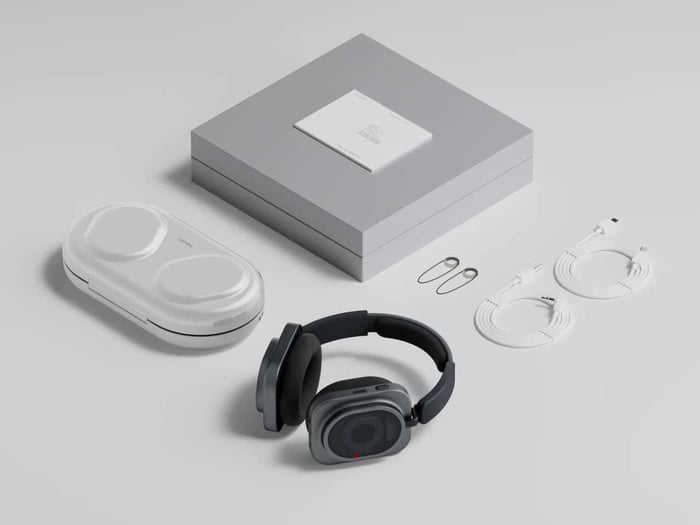
Nothing does offer a useful consolation prize: fast charging. Five minutes connected to power can provide around four hours of playback. That’s the kind of feature that saves a morning when you’ve forgotten to charge overnight. There’s no frantic search for a full battery before leaving the house—just plug in while grabbing your keys and hope your playlist is ready.

A Clear Alternative in a Crowded Category
The Nothing Headphones (1) Pro doesn’t merely push for a longer feature list. It tries to rethink what a lifestyle audio product should look and feel like.
The three-driver system gives the headphones a more carefully divided approach to sound. Titanium, glass, and a reworked frame keep the design visually expressive without adding extra weight. Wider padding and softer cushions focus on comfort, while repair-minded glass panels give the unusual construction a practical backbone.
The battery life may be less impressive with noise cancellation active, but rapid charging helps soften that limitation. Meanwhile, adaptive noise cancellation and the Flat EQ switch give the headphones a broader role, moving them beyond the usual travel-and-commute routine.
At $399, the Headphones (1) Pro is positioned directly against established premium headphones from Sony, Bose, and Apple. Its response is not to imitate those familiar silhouettes, but to offer something more transparent—literally, in this case, and philosophically too. The hardware is allowed to be part of the experience instead of hiding quietly behind the logo.
The Headphones (1) Pro makes a convincing case for visible engineering, flexible tuning, and thoughtful comfort. Would you choose transparent design and three-driver audio over the more familiar look of traditional premium headphones?
FAQ
- What is the price of the Nothing Headphones (1) Pro?
The Nothing Headphones (1) Pro is priced at $399. - How many drivers are inside each ear cup?
Each ear cup uses three drivers: a 40mm dynamic driver for bass, a precision driver for mids, and a solid-state xMEMS driver with a silicon diaphragm for treble. - How much do the headphones weigh?
The Headphones (1) Pro weighs 327 grams, making it 2 grams lighter than its predecessor. - How long does the battery last?
Battery life is around 30 hours with noise cancellation enabled and up to 68 hours with noise cancellation turned off. - How quickly can the headphones recharge?
A five-minute charge provides approximately four hours of playback.
Bring a little of that transparent, music-loving spirit to your space with a favorite album cover poster from Architeg Prints. It’s a warm way to keep the music visible even when the headphones come off.
 | DISCOUNTGET 30% OFF*Use code on your next order:
|
* This post may contain affiliate links, meaning we earn a commission if you make a purchase through these links, at no additional cost to you.