Cambridge Audio L/RS Review: The Wireless Speakers Worth the Wait



Cambridge Audio L/RS Review: The Wireless Speakers Worth the Wait
Explore the impressive sound and design of Cambridge Audio L/RS, wireless speakers that challenge the best in their class with true active stereo performance.
Introducing Cambridge Audio L/RS: A Compact Powerhouse for Your Desk
When Cambridge Audio L/RS wireless speakers rolled out three wireless stereo systems in their L/R series, it was clear they were raising the stakes. Among these, the L/RS stands out as the most compact and affordable model, but also faces the toughest challenge: can it truly rival industry leaders who have dominated the market for years?
I’ve spent some quality time with the L/RS, and let me tell you, these speakers pack more punch than their size suggests.
Availability and Pricing Insights
While the Cambridge Audio L/RS wireless speakers isn’t officially distributed in some markets yet, the brand’s reputation usually sees their products find their way through specialized audio stores via parallel import. With a European price tag of around £399 (roughly $480), the expected cost for the base version in local markets could range from $540 to $660, with the walnut veneer finish option costing a bit more.
Seamless Use Without Regional Restrictions
Since the L/RS isn’t a network device and relies mostly on Bluetooth or wired connections, you won’t run into annoying regional locks or software issues. The speakers are fully autonomous, and they power up from a standard 220V outlet, meaning that for the European version there’s no need for adapters. Standard cables like optical, RCA, or USB-C will hook you up easily, whether you're connecting to a TV, PC, or music player.
Impressive Active Stereo Design
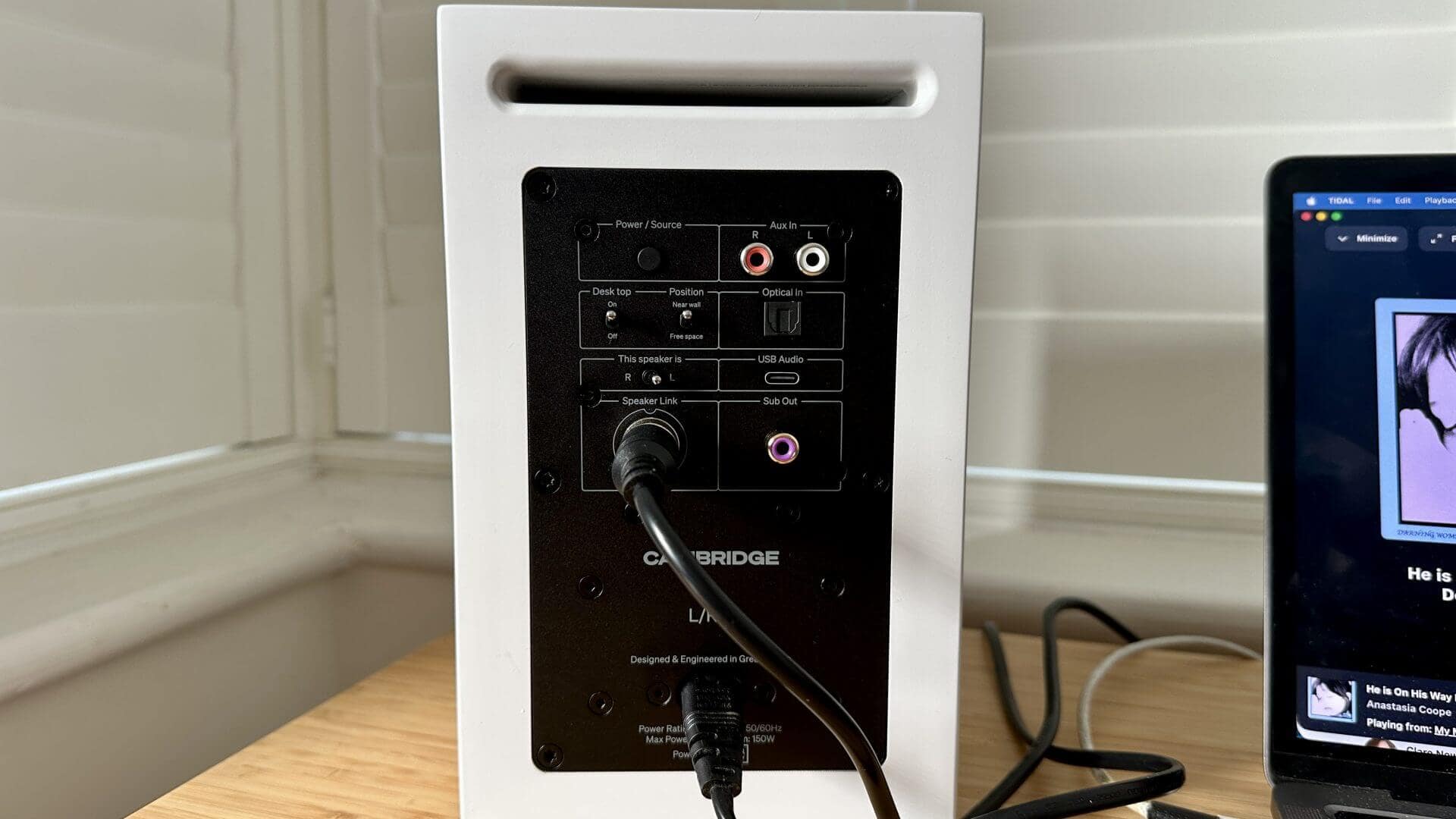
What really caught my attention in the L/RS specs is the fully active stereo configuration. Typically, in similar speakers, you see one “master” speaker handling all the power, decoding, and processing, while the other is just a passive tag-along. Cambridge took a smarter route.
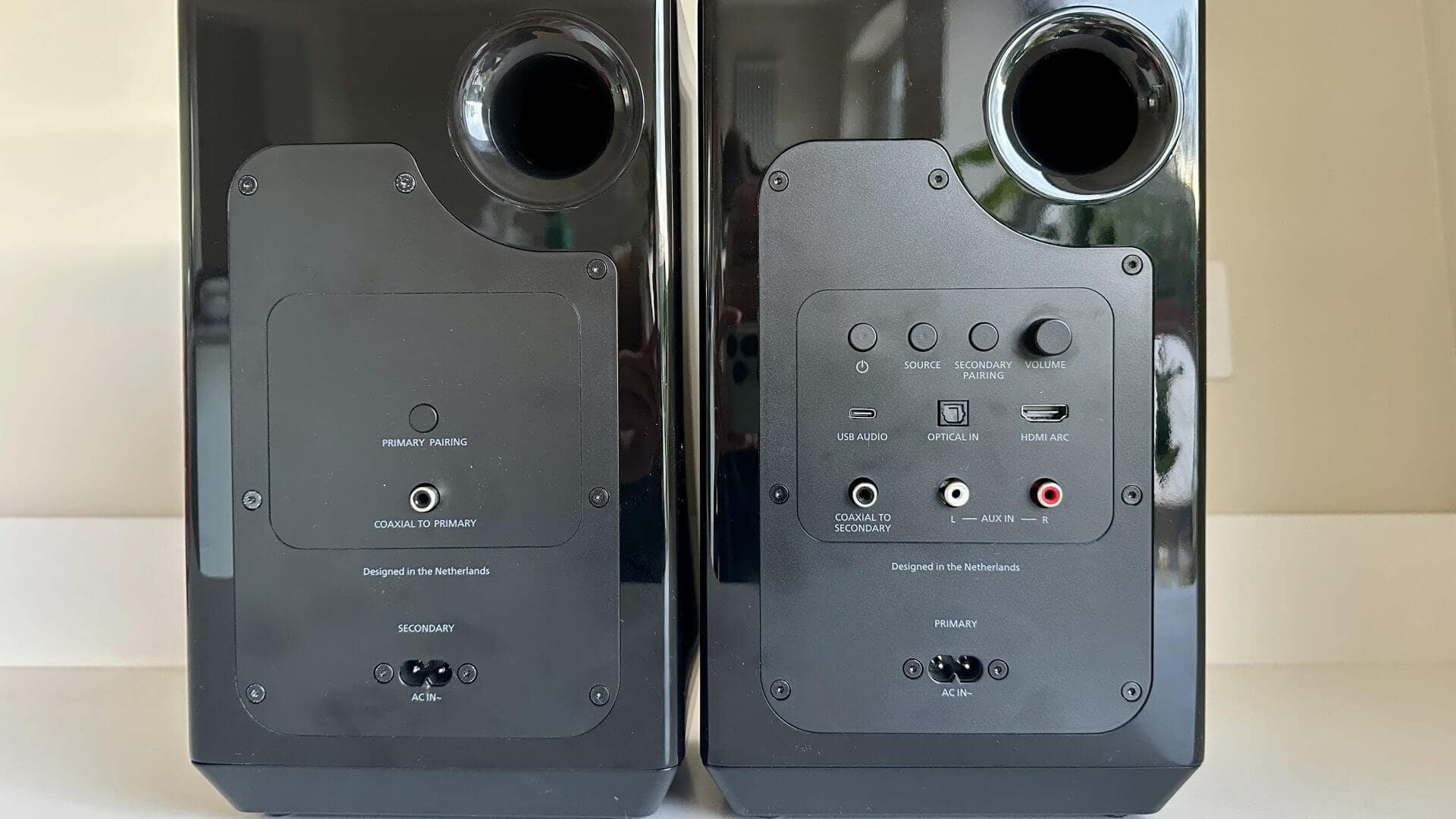
Only the primary speaker plugs into the wall, but inside each speaker lives two dedicated amplifier channels—one for each driver. Even cooler, both speakers have built-in digital crossovers (DSP), sending PWM signals straight to the amps. They're connected via a special four-wire cable that carries power and digital audio—no wireless magic between left and right speakers here, so get ready for some wires.
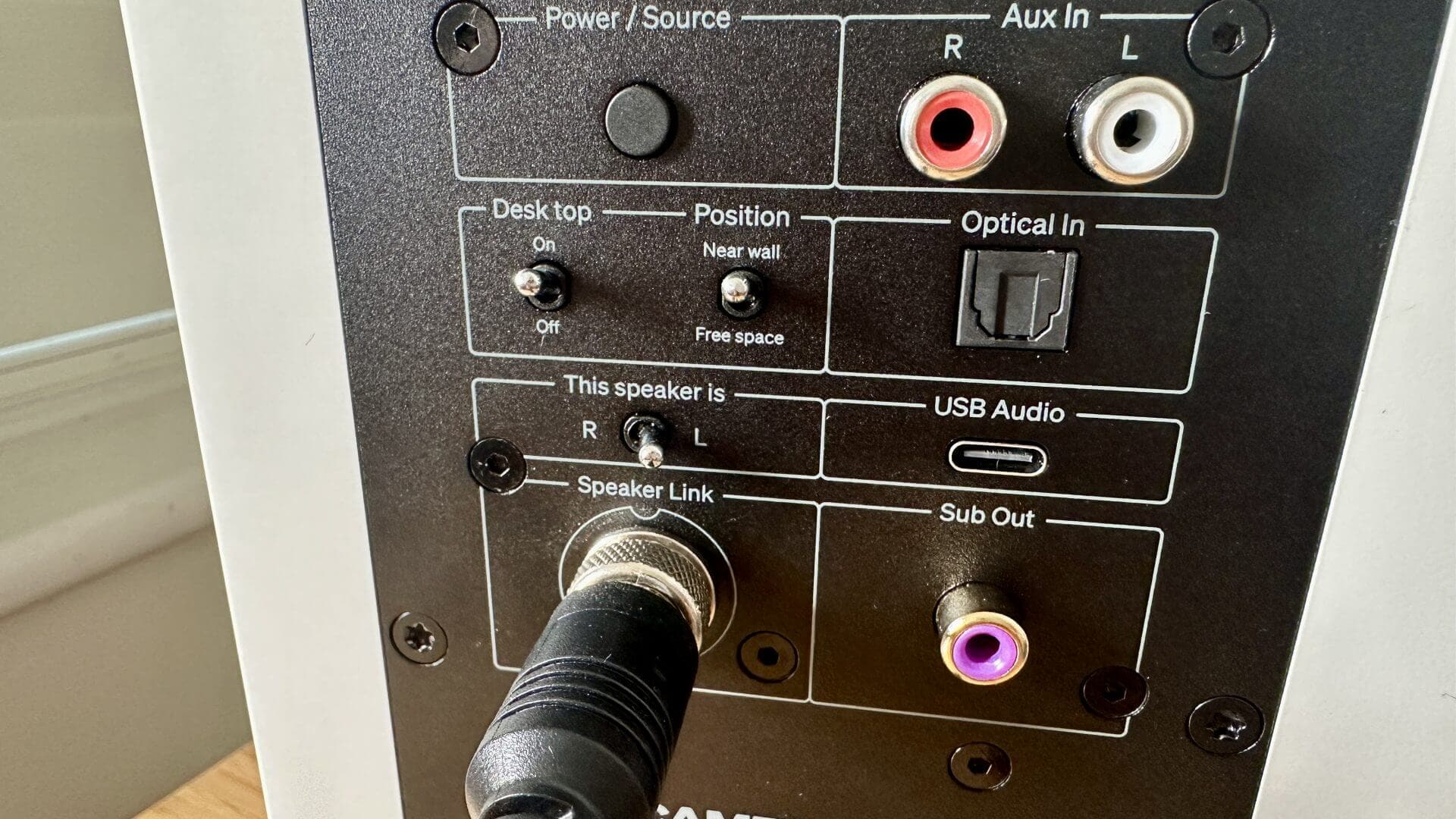
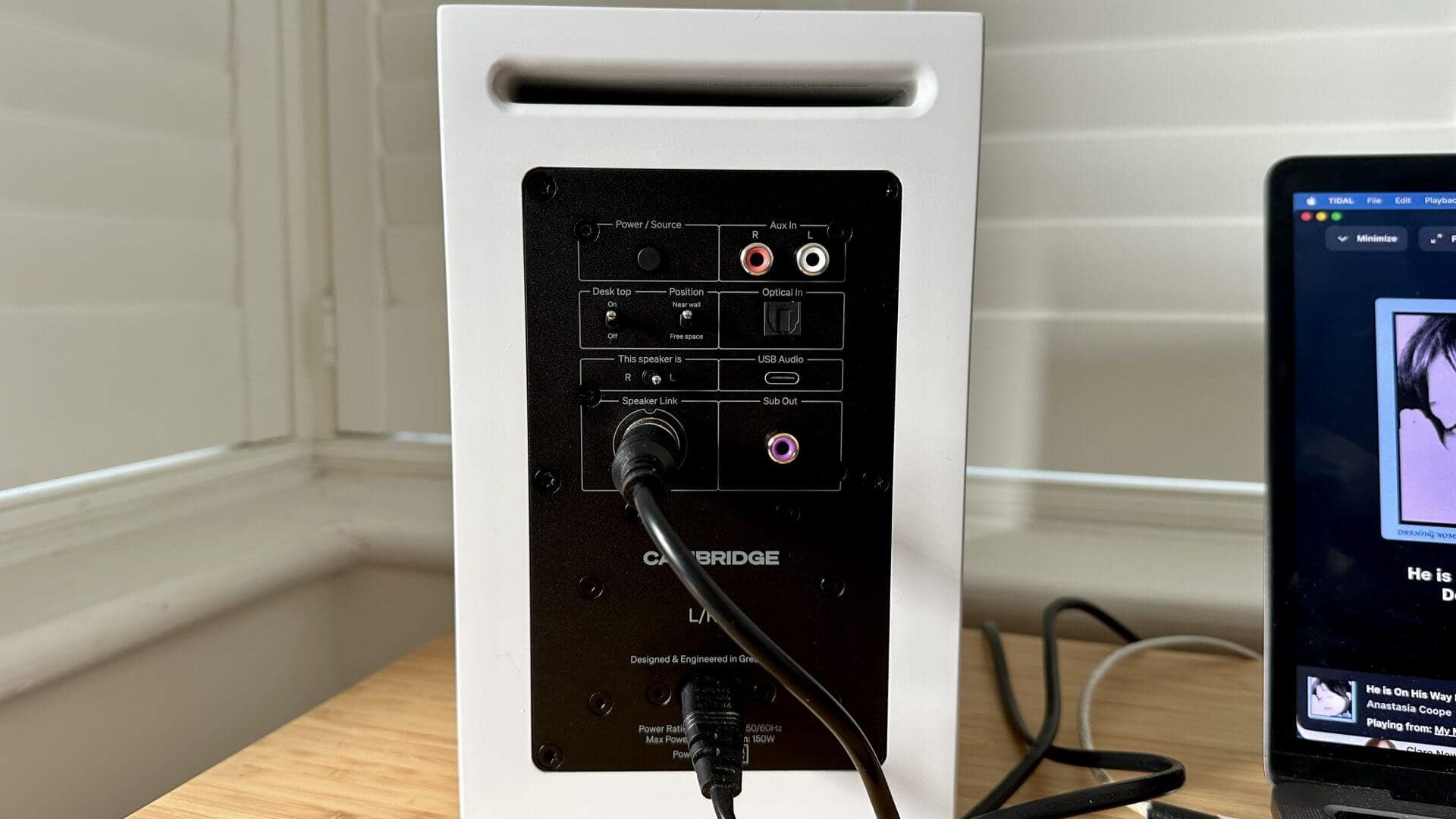
The analog input (RCA) is digitized by the DSP at 24-bit/48kHz, while optical and USB-C inputs accept signals up to 24-bit/96kHz, though internally they're downsampled to 24-bit/48kHz. Bluetooth streaming supports aptX HD, which is a solid choice for high-quality wireless audio.
All the connections and electronics live inside the main speaker, which also has a pre-out for an external subwoofer. Both speakers feature screw terminals for the included 2-meter interconnect cable (a 5-meter cable is available if needed). On each rear panel, there’s a phase inverter port to extend bass response.
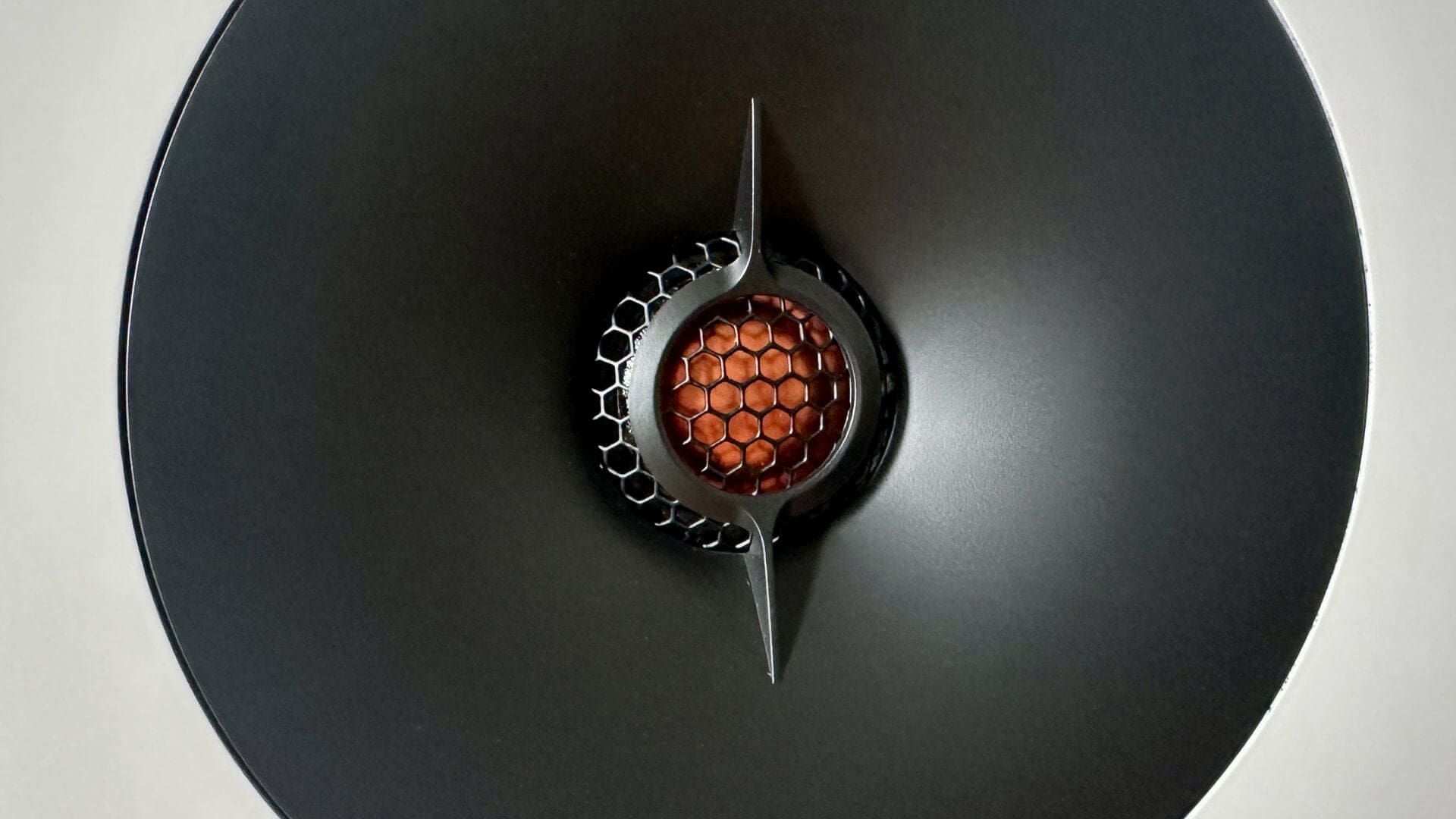
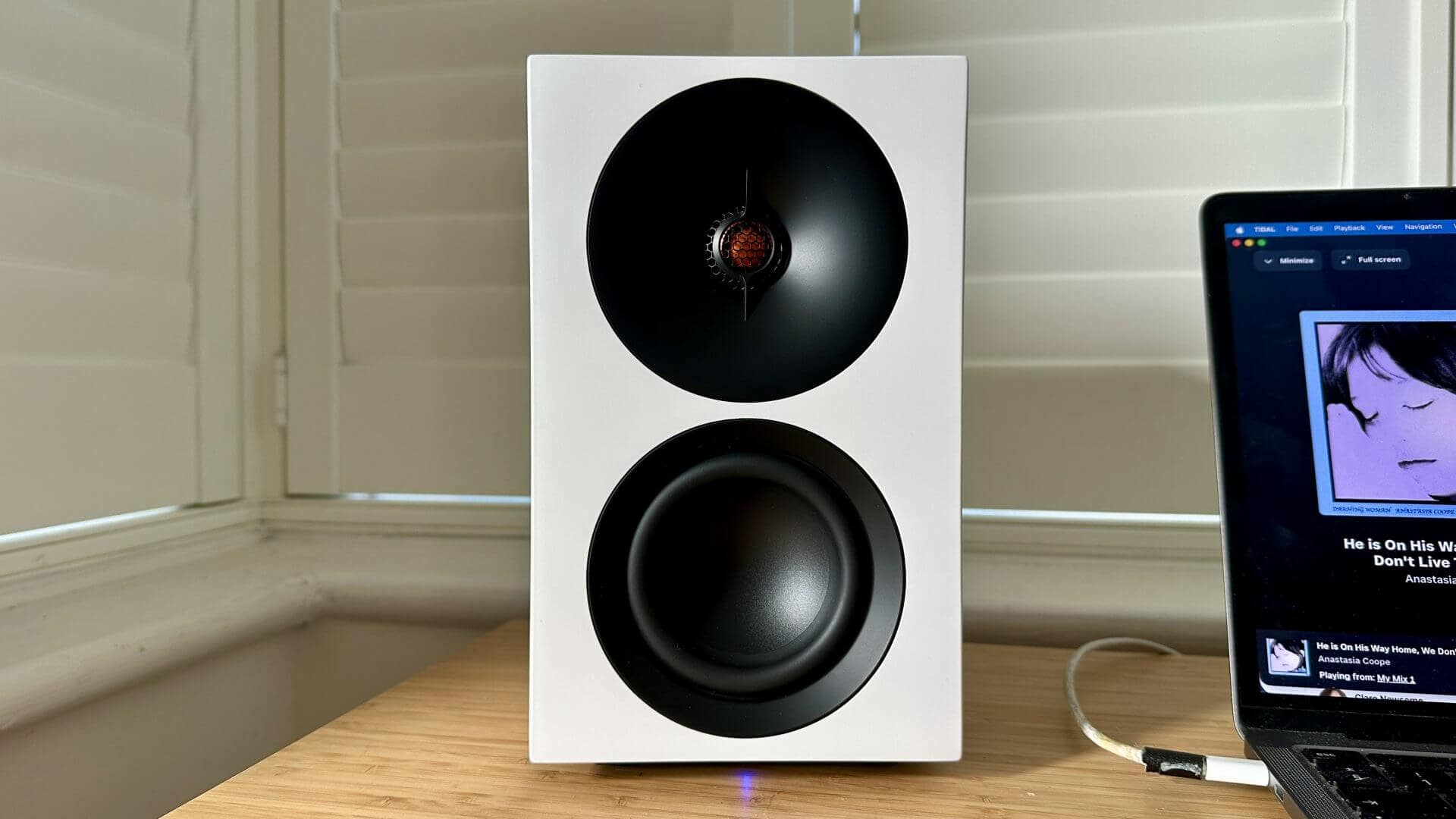
The total amplifier output clocks in at 100 watts Class D, neatly split between four drivers: a 21mm hard dome tweeter in each speaker—painted a bold, vibrant orange and nestled behind a waveguide—and a 76mm mid/bass driver handling mids and lows. Cambridge claims this combo delivers a frequency range from 55Hz up to 24kHz.
Sound That Surprises and Impresses
Before diving into the praises, let's address a couple of quirks. First, the L/RS leans slightly towards bass-heavy tuning. If you love that punchy low end, great! But audiophiles seeking a perfectly flat frequency response might find the bass a bit too forward.
Second, while the speakers excel at building a wide, immersive stereo panorama with well-defined instrument placement, this magic holds up best at moderate volume levels. Crank the volume to max, and the sound slightly flattens out and feels compressed—so, keeping it reasonable on the volume knob is the way to go.
Now for the good stuff. These speakers create a soundstage that feels way bigger than their modest footprint suggests. The stereo base is wide, instruments are crisply focused, and there's plenty of "air" between sounds. The audio feels cohesive and remarkably lively for a modern desktop setup.
They pay close attention to detail across the frequency spectrum, weaving tiny nuances into the overall sound picture to really draw you in.
The drivers handle dynamic shifts effortlessly, capturing subtle harmonics that give the sound real depth. Yes, the bass is slightly accentuated, but Cambridge keeps it under control so the rhythm stays natural and tight. If the track calls for energy, these speakers deliver without hesitation.
Excluding the very lowest bass notes, the tonal balance is pleasant, neutral, and convincing. High frequencies are rich and expressive without sharpness or harsh sibilance. The midrange is open and free, delivering vocals with vivid character and emotion.
Design and User-Friendly Features
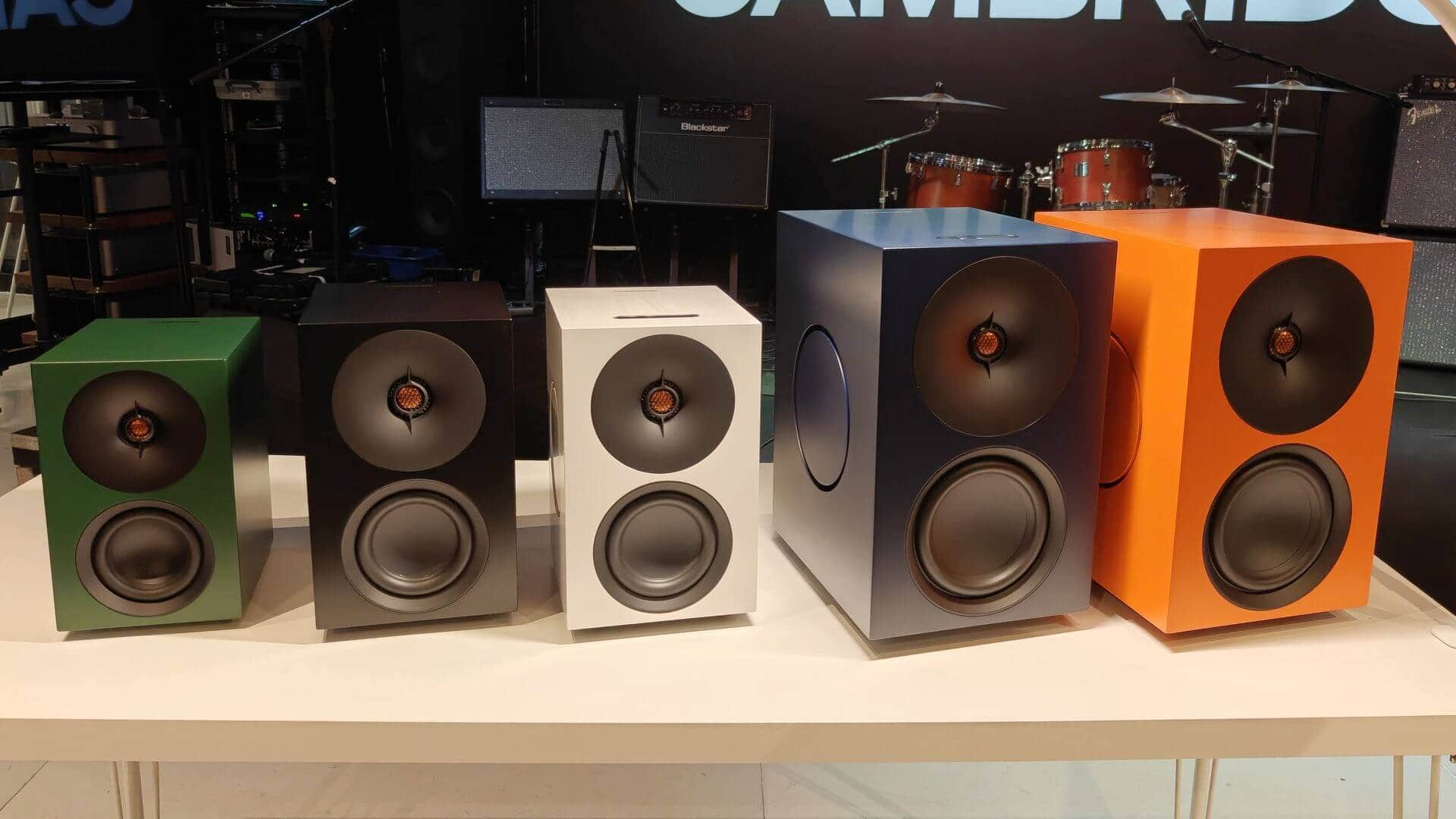
Each speaker measures 226 x 134 x 180 mm (H x W x D), which isn’t the tiniest for a desktop but still manageable if your desk stays tidy. Unpacking them reveals a build quality that immediately justifies the price. You get five matte finish colors to choose from: white (the review sample), orange, black, dark green, and deep navy blue. The sharp edges and clean lines give them a crisp, contemporary look.
If you crave a touch of classic elegance (and don’t mind paying more), there’s a natural walnut veneer option too.
The speakers appear to float above your desk thanks to a small recessed base with four rubber feet. For true audiophiles wanting perfect sound positioning, Cambridge offers dedicated angled stands.
They’re not just for desktop use — they’ll also look great on stands in a small room. Note that there are no protective grilles, even as an optional extra, so you’ll always see the drivers exposed.
Since these aren’t network speakers, there’s no dedicated smartphone app. Controls on the speakers themselves are minimal: on the back of the main speaker, you’ll find a power/source button and three tiny toggles for basic setup. One toggle identifies left or right speaker, another sets whether they sit on a desk or stands, and the last adjusts sound depending on proximity to walls.
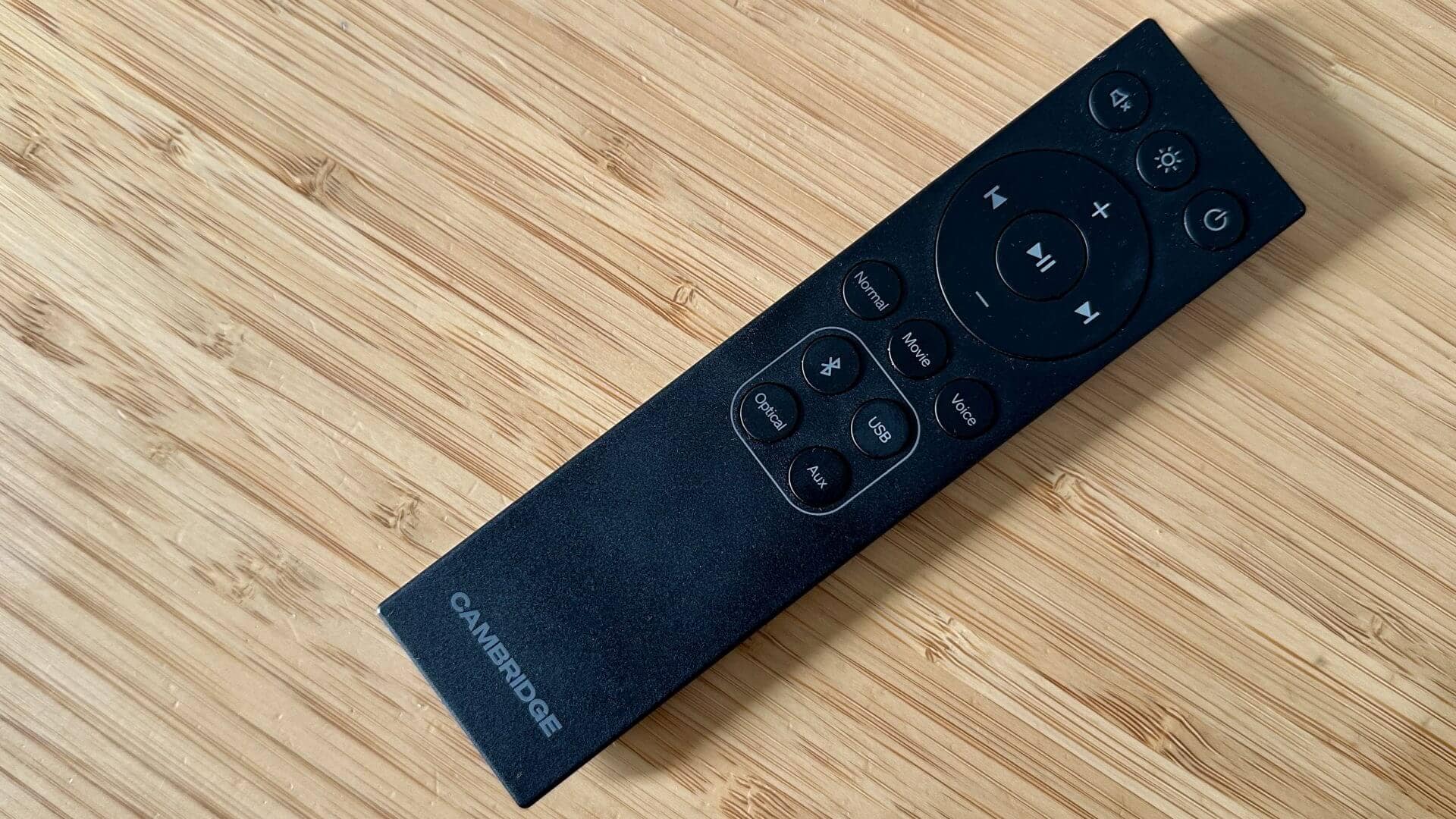
The rest of the control lives on a small, somewhat stiff but functional remote. It lacks backlighting, but it does its job well. Bonus: it uses Bluetooth, so you don't have to aim it precisely at the speakers.
From the remote, you can select three EQ presets: “Normal,” “Cinema,” and “Voice.” Plus, Cambridge built in DynamEQ technology, which automatically adjusts bass and treble based on volume level.
Final Thoughts: A Strong Contender for Your Desktop Audio Setup
Right out of the gate, Cambridge’s engineers have made a triumphant entrance into the affordable desktop speaker market—and they did it with flair.
The L/RS faces stiff competition at this price point, but the fact that these speakers hold their own against class leaders speaks volumes. If you’re hunting for killer sound for your workspace, these deserve serious consideration.
Alternatives to Consider
If you’re eyeing the Cambridge Audio L/RS wireless speakers, you should also check out the Ruark MR1 mkIII wireless speakers. They boast stunning design, excellent build, even smaller dimensions than the L/RS, and deliver powerful, detailed, and spacious sound. Function-wise, Ruark pulls ahead with a built-in phono stage for vinyl lovers, though its internal design is simpler “master-slave” style, unlike Cambridge’s more advanced active stereo setup.
“With the L/RS, Cambridge engineers triumphed immediately, entering the affordable desktop audio arena with a bang.”
FAQ
- How are the Cambridge L/RS speakers connected to each other?
They are linked by a specialized four-wire cable that supplies both power and digital audio signals—there’s no wireless connection between the left and right units. - Can I use these speakers with my TV or computer?
Absolutely. They support multiple inputs including RCA (analog), optical, USB-C, and Bluetooth with aptX HD for high-quality streaming. - Do the speakers have a mobile app for control?
No, there’s no app since these are not network speakers. You control them via a small remote that connects over Bluetooth. - Is the bass response on the L/RS flat or emphasized?
The bass tends to be slightly emphasized, giving a fuller low-end, but it’s well controlled to maintain natural rhythm and clarity. - Are there any protective grills for the speakers?
No, the drivers are always exposed as there are no grills included or available as accessories.
If you’re inspired by the Cambridge Audio L/RS wireless speakers and want to bring home not just the sound but also the aesthetic, consider shopping for your favorite album cover posters to complement your new setup at Architeg Prints. It’s a perfect touch to personalize your listening space with style.
 | DISCOUNTGET 30% OFF*Use code on your next order:
|
* This post may contain affiliate links, meaning we earn a commission if you make a purchase through these links, at no additional cost to you.