Canor Verto D3: High-End Tube DAC in the Performance Line



Canor Verto D3: High-End Tube DAC in the Performance Line
Experience classic tube warmth fused with modern digital precision in the Canor Verto D3 tube DAC from the Performance Line.
A New Benchmark in Tube DACs
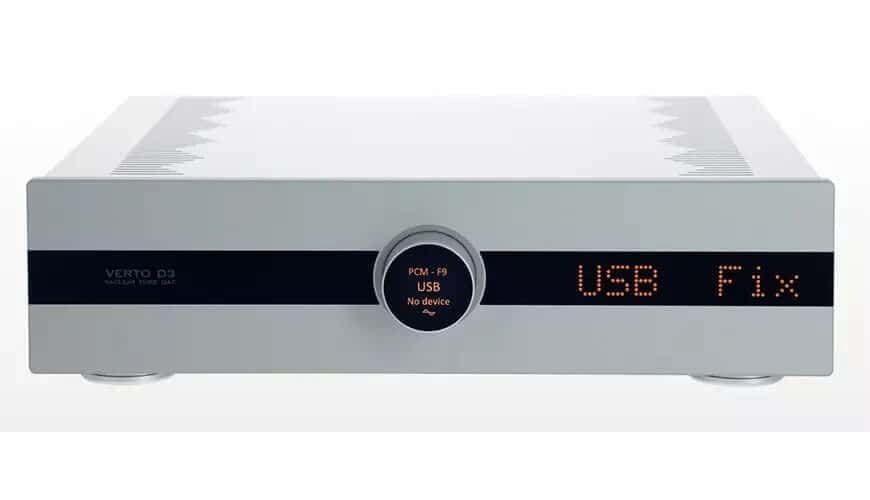
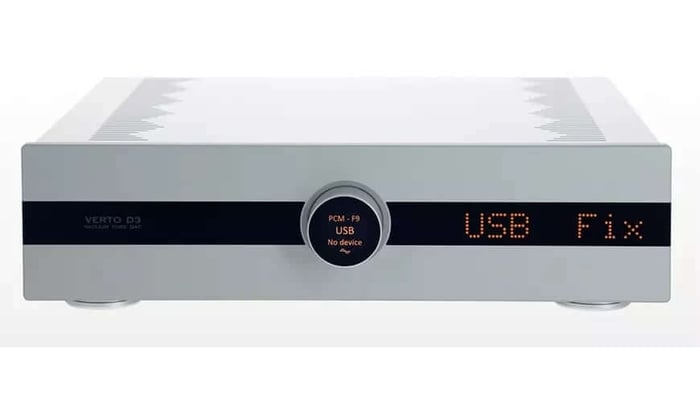
When I first laid eyes on the Canor Verto D3 at the High End Vienna 2026 show, it felt like a breath of fresh air in a sea of digital sameness. The Slovakian company Canor Audio has always had a knack for blending tradition with innovation, and with the Verto D3, they’ve truly hit a sweet spot. This tube DAC isn’t just another gadget; it’s a statement of passion — marrying classic tube circuitry, cutting-edge digital tech, and meticulous craftsmanship to satisfy audiophiles craving both warmth and clarity.
Dual-Mono Architecture for Pure Sound
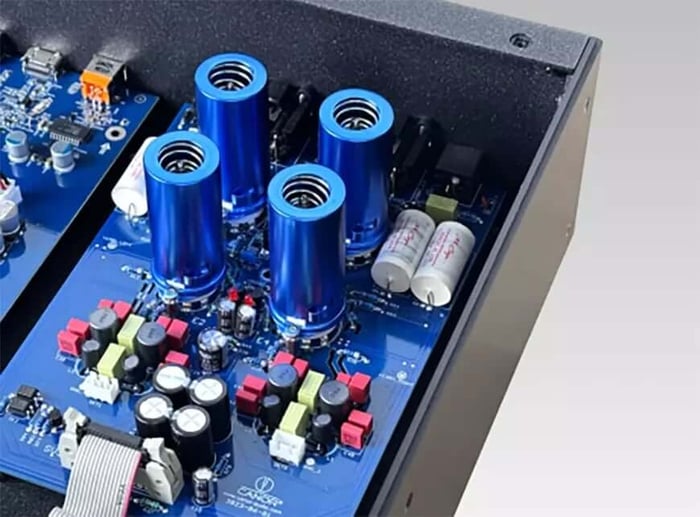
The Verto D3 is no ordinary DAC — it’s built around a fully symmetrical "dual mono" architecture, a design that aficionados know delivers superior channel separation and soundstage depth. At its heart, it uses two ESS Technology Sabre ES9039Q2M chips—one dedicated to each channel—ensuring pristine digital conversion.
What really caught my attention was the analog output stage, powered by four E88CC tubes operating in pure Class A. This is where Canor’s magic happens, wrapping the digital precision with that signature lush, musical tube warmth. It’s a sonic hug for your tracks, whether you’re spinning jazz, classical, or even your favorite rock anthems.
Modern Digital Connectivity Meets Vintage Soul
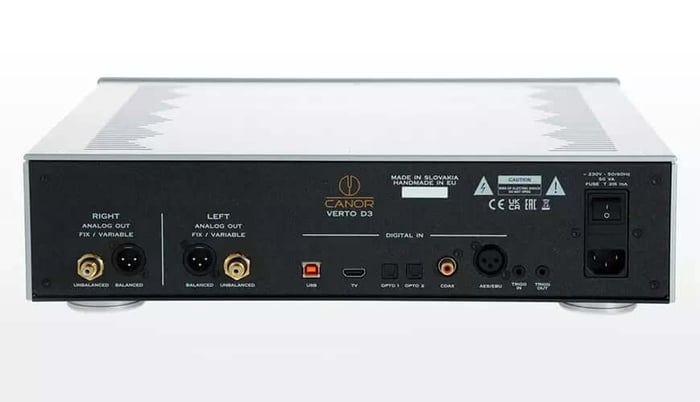
For the digital junkies among us, the Verto D3 doesn’t disappoint. It decodes PCM streams up to a staggering 24-bit/768kHz and Native DSD up to DSD512. That’s high-res heaven right there. The DAC also offers galvanically isolated digital inputs—USB-B, AES/EBU, coaxial, optical, and even HDMI—making it incredibly versatile for hooking up various sources with minimal interference.
On the analog side, it’s just as flexible: you get fixed and variable outputs via both RCA and balanced XLR connectors. This means you can feed your power amplifier or active speakers directly without fuss. It’s a thoughtful touch that caters to different setups without compromising sound quality.
When Can You Get One and What’s the Damage?
Mark your calendars for September or October 2026—this is when the Canor Verto D3 is expected to hit the shelves. As for the price, European audiophiles will be looking at around €4,399. Yes, it’s an investment, but for those who live and breathe music, this DAC promises to be worth every cent.
Technical Specs at a Glance
- Device Type: Tube DAC with analog output stage
- Series: Performance Line
- DAC Configuration: Dual mono with 2 x ESS Sabre ES9039Q2M chips
- Digital Filters: 9 selectable digital filters
- USB Input: 1 x USB-B (PCM up to 24-bit/768kHz, DoP DSD up to DSD256, Native DSD to DSD512)
- Other Digital Inputs: 1 x AES/EBU, 1 x Coaxial, 2 x Optical, 1 x HDMI
- AES/EBU, Coaxial, Optical Resolutions: PCM up to 24-bit/192kHz, DoP DSD64
- Analog Outputs: 1 pair RCA, 1 pair XLR
- Output Impedance: RCA - 100 Ohm, XLR - 200 Ohm
- Output Voltage: RCA - 2 V RMS, XLR - 4 V RMS
- Frequency Response: 20 Hz – 20 kHz (±0.1 dB)
- Total Harmonic Distortion (THD) XLR: Less than 0.009%
- Signal-to-Noise Ratio (SNR) XLR (A-weighted): Over 110 dB
- Tubes: 4 x E88CC
- Weight: 12 kg
“With the Verto D3, Canor blends modern digital precision and the warmth of classic tube design, crafting a truly musical DAC.” – Canor Audio
Why the Canor Verto D3 Stands Out
If you’ve ever been torn between the clinical clarity of digital converters and the rich warmth of tubes, the Canor Verto D3 is your sonic compromise (or, more honestly, your sonic love affair). It’s not just about decoding music; it’s about re-living it with soul.
I can’t help but think back to those late-night listening sessions where the music felt alive, breathing through the tubes as if the artist was right there in the room. That’s the kind of experience Canor aims for—and largely delivers—with this flagship DAC.
FAQ
- What kind of tubes does the Canor Verto D3 use?
It uses four E88CC tubes operating in pure Class A for the analog output stage, contributing to its warm, musical sound. - What digital formats does the Verto D3 support?
It supports PCM up to 24-bit/768 kHz and Native DSD up to DSD512, ensuring top-tier high-resolution playback. - Can I connect multiple digital sources simultaneously?
Yes, it features a variety of galvanically isolated inputs including USB-B, AES/EBU, coaxial, optical, and HDMI. - Does the DAC have balanced outputs?
Absolutely. It offers both RCA and balanced XLR analog outputs, with fixed and variable options for flexibility in connecting to different audio gear. - When will the Canor Verto D3 be available and how much does it cost?
Expect availability around September–October 2026 with an estimated price of around €4,399 in Europe.
If you’re a fan of classic album artwork as well as classic sound, don’t miss the chance to shop your favorite album cover poster at our store for a perfect complement to your audio sanctuary. Explore our collection here.
 | DISCOUNTGET 30% OFF*Use code on your next order:
|
* This post may contain affiliate links, meaning we earn a commission if you make a purchase through these links, at no additional cost to you.