DIY Spotify-to-Cassette Player Brings Analog Warmth to Digital Streaming


 See more Architeg Prints stories on Google.
DIY Spotify-to-Cassette Player Brings Analog Warmth to Digital Streaming
Experience the magic of analog warmth as digital streams flow through a real cassette tape for truly unique audio vibes.
Bridging the Gap Between Digital and Analog Audio
If you’ve ever found yourself torn between the crystal-clear perfection of lossless digital files and the cozy warmth of vinyl or cassette tapes, you’re not alone. Audio enthusiasts often fall into these two camps, but Julius, a clever designer and engineer, decided to build a bridge between these sonic worlds. Imagine a gadget so cool it could easily be handed to James Bond by Q—except the mission involves spinning digital tunes through a magnetic tape loop for that coveted analog soul.
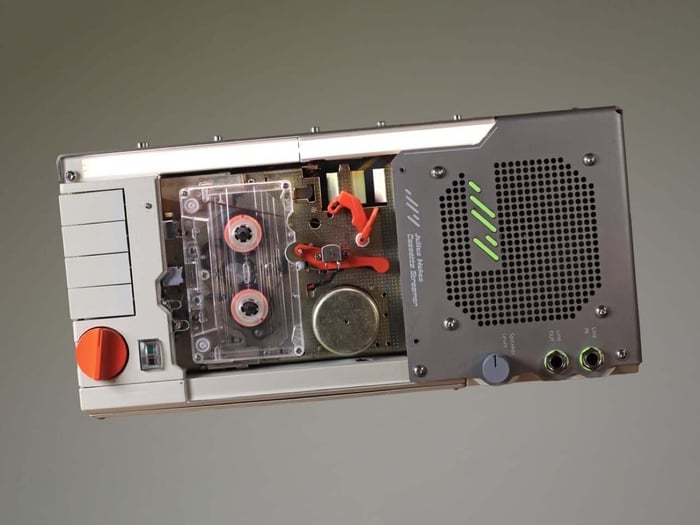
Julius’s innovative cassette streaming device takes Bluetooth audio signals and runs them through an actual tape loop before playback, physically imprinting the rich, textured analog character onto digital streams. This isn’t some digital emulation or plugin effect—this is the real deal, with genuine tape saturation and warmth born from decades-old magnetic tape technology.

The Analog Journey of Digital Audio
Here’s where things get fascinating: Bluetooth audio arrives as a digital stream, is converted into an analog signal, then mixed down from stereo to mono. This analog signal is recorded onto a cassette tape loop, travels physically along the tape path, hits the playback head, and finally reaches the speaker. That entire physical journey through the magnetic ferric oxide particles on polyester film is what delivers the signature analog warmth so many listeners crave.
It’s these physical limitations—like the tape’s inability to capture every nuance of digital audio—that create compression and saturation effects our ears actually prefer. Julius made this tape loop visible, enclosing it in a transparent cassette shell with bright orange guide brackets so you can watch the tape move as you listen. It’s hypnotic.


Battling Vintage Tech Quirks
Getting this device to work was no walk in the park. Old cassette decks have some truly bizarre electrical quirks—like connecting their chassis to the positive power rail instead of ground. Julius discovered this the hard way when he nearly shorted out the system by screwing his grounded metal case directly to the deck. Even the shielding on the audio input runs to positive, which is utterly baffling for anyone used to modern electronics.
His Bluetooth hardware expected standard grounding, creating a fundamental incompatibility. After a failed isolation transformer from AliExpress and a few other tricky workarounds—including trying to power the Bluetooth module at 12.5 volts with a 7.5-volt reference rail that wouldn’t sink current—he finally cracked it. The secret? DC isolating voltage regulators solved the problem after three months of relentless debugging and tinkering.


A VU Meter That Glows Backwards
One of the coolest features is the device’s VU meter, which uses a fluorescent tube in a delightfully counterintuitive way. Instead of glowing brighter with louder sounds, the tube is fully lit during silence and dims as the beats get louder. Julius intentionally inverted the signal to make the meter glow when idle, which not only looks great but also extends the tube’s lifespan.
The clever circuit amplifies the audio signal 500 times, clips it to isolate peaks, and smooths it with a diode detector and capacitor. A power amplifier then inverts the signal again and boosts it fivefold to drive the tube. The slight lag in the meter’s response? That’s the smoothing capacitor doing its job, making sure the glow isn’t a jittery seizure trigger but a cool, smooth visual vibe.

Five Circuits, One Retro-Futuristic Masterpiece
Julius crafted five separate circuit modules:
- One fakes a long button press to auto-start Bluetooth with an RC pulse generator.
- Another converts stereo Bluetooth audio to mono for recording.
- The playback preamplifier amps the tape signal and adds EQ compensation, splitting output between the speaker and VU meter circuits.
All these circuits live on custom PCBs designed in KiCad, a software Julius learned over a month to master. The stainless steel case provides shielding and dissipates heat from the power amp, while a laser-cut acrylic panel offers a sleek, transparent front. Controls include a big orange knob that cranks the record volume into sweet distortion territory and a smaller knob that manages speaker output.
With input and output jacks, this device doubles as a tape delay or saturation processor for other gear—a feature that might just outshine the Bluetooth streaming itself. But hey, practicality wasn’t really the point here. This is analog love meeting digital convenience in the coolest way possible.
“The engineering journey was brutal... The payoff is a device that looks incredible and introduces real tape saturation without any digital fakery.”
— Julius Makes
The Joy of Listening with a Physical Connection
There’s something deeply satisfying about watching music physically inscribe itself onto tape, about seeing the loop spin and feeling the warmth that comes from magnetic particles dancing to your tunes. This DIY Spotify-to-cassette player isn’t just a gadget—it’s a reminder that sometimes, the magic in music lies beyond perfect clarity, in the charming quirks and imperfections of analog.
FAQ
- How does the cassette streaming player add analog warmth to digital music?
It physically records Bluetooth audio onto a magnetic tape loop, which introduces genuine tape saturation and compression that digital files can’t replicate. - Why does the VU meter glow more when the volume is low?
The fluorescent tube is wired to glow fully during silence and dim with louder sounds, extending the tube’s life and creating a cool visual effect. - What were the biggest technical challenges in building this device?
The main challenge was adapting old cassette deck electronics, which use positive power rails for grounding, to modern Bluetooth hardware requiring standard ground references. - Can I use this cassette player with other audio devices?
Yes! It has input and output jacks, allowing it to serve as a tape delay or saturation processor for any gear you want. - Is the sound truly analog or digitally simulated?
The warmth comes from actual tape saturation and analog processing; there’s zero digital emulation involved.
Browse our collection and shop your favorite album cover poster at Architeg Prints to bring a touch of vinyl nostalgia to your space.
 | DISCOUNTGET 30% OFF*Use code on your next order:
|
* This post may contain affiliate links, meaning we earn a commission if you make a purchase through these links, at no additional cost to you.