Every Sade Album, Ranked: A Journey Through Timeless Jazz-Pop Elegance

 See more Architeg Prints stories on Google.
Every Sade Album, Ranked: A Journey Through Timeless Jazz-Pop Elegance
Explore the enduring charm of Sade's albums, ranked for their musical influence and lyrical depth in the band’s storied career.
Sade: The Sensual Voice Behind a Legendary Band
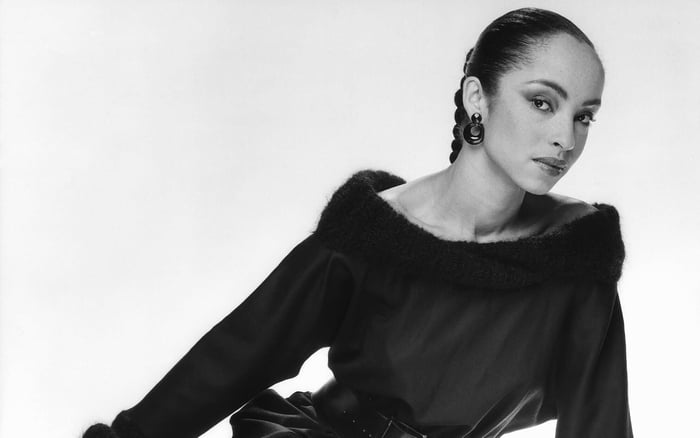
If you’ve ever found yourself swaying to smooth jazz-pop grooves on a late-night drive or curled up with a glass of wine listening to soulful melodies, then you know the magic of Sade. But here’s a fun fact: Sade isn’t just a solo act—it’s a full British band named after the Nigerian-born singer Helen Folasade Adu. Since forming in 1982, the band has been a tight-knit quartet featuring Adu’s mesmerizing voice front and center alongside bassist Paul S. Denman, keyboardist Andrew Hale, and guitarist/saxophonist Stuart Matthewman.
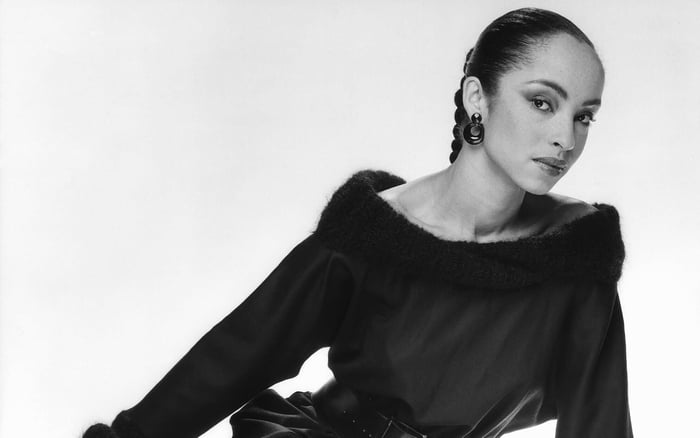
Behind the scenes, these musicians weave jazz, pop, and R&B into their signature sound—an intoxicating blend that feels both timeless and fresh. Adu’s sultry voice, paired with elegant grooves and poetic lyrics, quickly turned her into an international icon and sex symbol, while the band crafted their art with a quiet sophistication that’s only grown more influential through the decades.
Before Sade was the household name we know, all four members played together in a Latin soul band called Pride, where Adu was a backing vocalist. It was from these roots that she and Matthewman began crafting songs, including the soon-to-be classic “Smooth Operator”, co-written with Pride’s guitarist Ray St. John. This track would catapult Sade into the global spotlight.

Slow and Steady Wins the Groove: Sade’s Timeless Release Pattern
One thing that sets Sade apart is their deliberate pace. Their albums have sold millions worldwide, yet the band wisely avoided flooding the market with constant releases. The gaps between albums grew longer with each release—one year, then two, then four, eight, and finally nine years between some albums.
During these quiet periods, Adu often stepped away from the limelight, starting a family in 1996 and living in Jamaica for a while, while the other band members explored side projects like Sweetback, collaborating with various vocalists. Matthewman also worked extensively with neo-soul star Maxwell, adding another layer to the band’s rich musical legacy.
Now, it’s been over 16 years since their last album and 14 since their last tour, with only a few soundtrack and compilation appearances to keep fans hopeful. Despite whispers of a new album since 2022, Sade’s seventh studio release remains a tantalizing mystery. The band’s induction into the Rock and Roll Hall of Fame in 2026 alongside legends like Phil Collins and Oasis underscores their indelible mark on music history.
So, which Sade album stands tallest among the rest? Let’s dive into a ranking of their six studio albums that have defined generations.
6. Lovers Rock (2000): A Subtle, Political Jazz Whisper
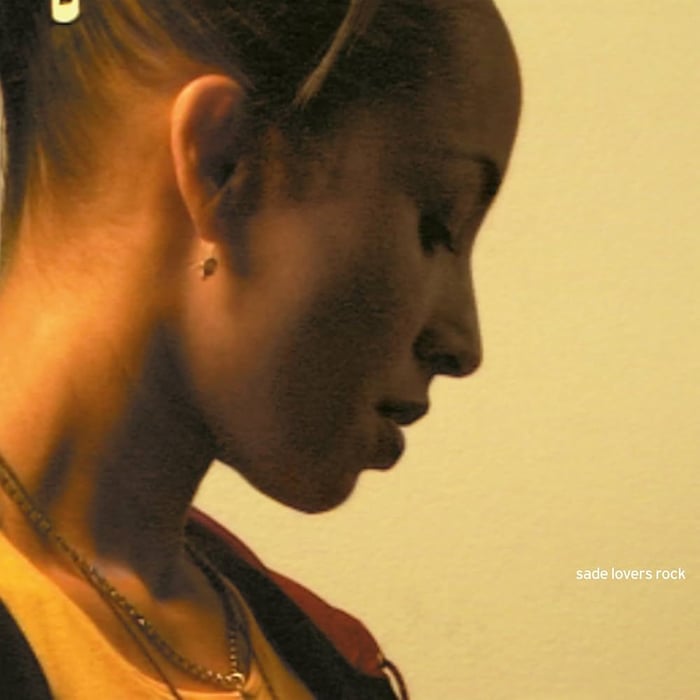
When Sade stepped into the new millennium with Lovers Rock, they shifted gears. The iconic saxophone that had defined much of their ‘80s charm took a backseat to Matthewman’s guitar and other woodwinds, leaving the album feeling a bit sparser and less lush than previous works. But this minimalism allowed the emotional depth of tracks like the organ-infused “It’s Only Love that Gets You Through” to shine through with hymn-like power.
Lyrically, Lovers Rock is one of Adu’s most cerebral and politically charged albums. Songs like “Immigrant” cut deep into the subtle racism that can drain the spirit, while “Slave Song” hauntingly recounts the legacy of the middle passage with a mix of fact and fiction. These themes were bold, especially within the early 2000s landscape dominated by “Girl Power” catchphrases and boy band ballads.
5. Diamond Life (1984): The Spark That Ignited The Legend
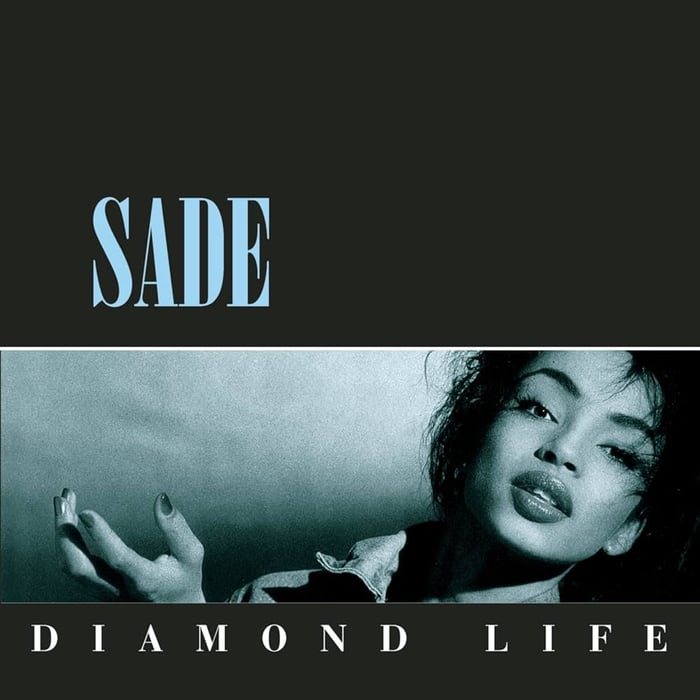
There’s something magical about debut albums, and Diamond Life is no exception. Recorded by a working-class band honing their craft in London clubs, it bursts with energetic grooves on tracks like “Cherry Pie” and “Hang On to Your Love.” Adu penned “When Am I Gonna Make a Living” on a rainy day, capturing the grit and hope of those early days.
Producer Robin Millar, a veteran with a knack for chart-topping hits, shaped the album’s polished yet soulful vibe. Their cover of Timmy Thomas’s “Why Can’t We Live Together” closes the album with a warm groove, substituting early drum machine beats for an organic band feel.
“She and her associates put their project over, and with a fashion model’s virtues–taste, concept, sound.”
— Robert Christgau, Village Voice
4. Soldier of Love (2010): Maturity and Innovation After Decades
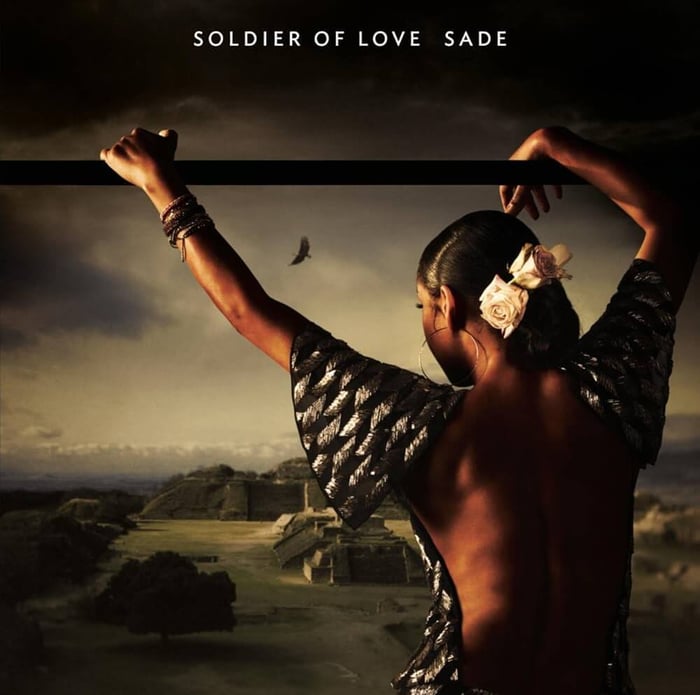
After nearly 30 years together, Sade proved they were far from resting on their laurels with Soldier of Love. The title track’s military drumbeat stomp gave way to the gentle, almost country-tinged “Be That Easy,” showcasing a band still exploring new territory. Adu’s vocals are more reflective and worldly, especially on “In Another Time,” where she offers comfort to a heartbroken listener, and “Babyfather,” a touching ode to parenthood featuring backing vocals from her and Matthewman’s children.
The album’s understated production lets the songs breathe, with moments like the sparse piano in “Morning Bird” conjuring a haunting loneliness. It was a reminder that Sade’s music isn’t just smooth background—it's a canvas for stories and emotions.
3. Stronger Than Pride (1988): The Understated Heart of Sade
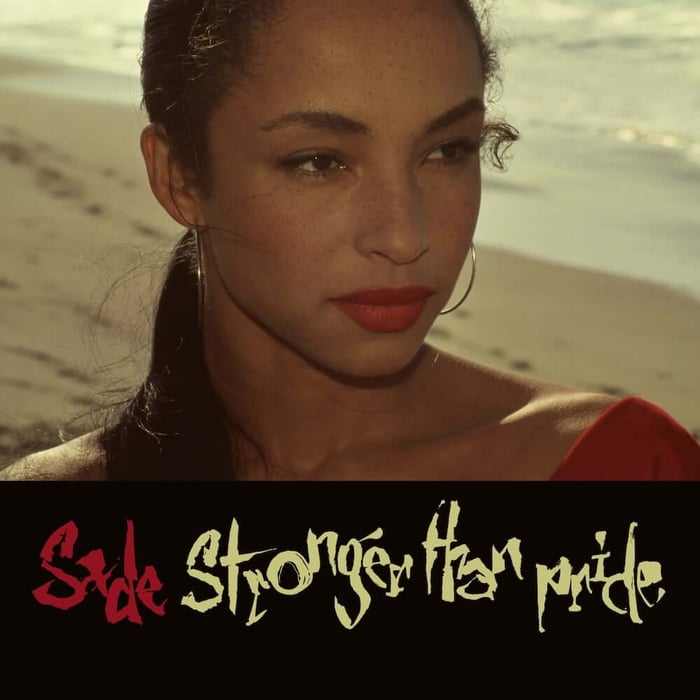
Between acting alongside David Bowie in Absolute Beginners and returning to music, Adu crafted Stronger Than Pride, an album that flew just under the commercial radar compared to its siblings but remains a fan favorite for its deep emotional pull. The band self-produced this one after producer Robin Millar’s eyesight began to fail, recording in idyllic spots like the Bahamas and France, which seeped into the album’s spacious, immersive vibe.
Opening tracks like “Love is Stronger than Pride” and “Paradise” set the tone, while mid-album gems like the six-minute “Haunt Me” and the funky “Turn My Back on You” showcase Sade’s sonic daring.
“The key to her appeal is not the pure prowess of her voice but its poise and presence.”
— Rob Tanenbaum, Rolling Stone
2. Promise (1985): The Sophisticated Sophomore Peak
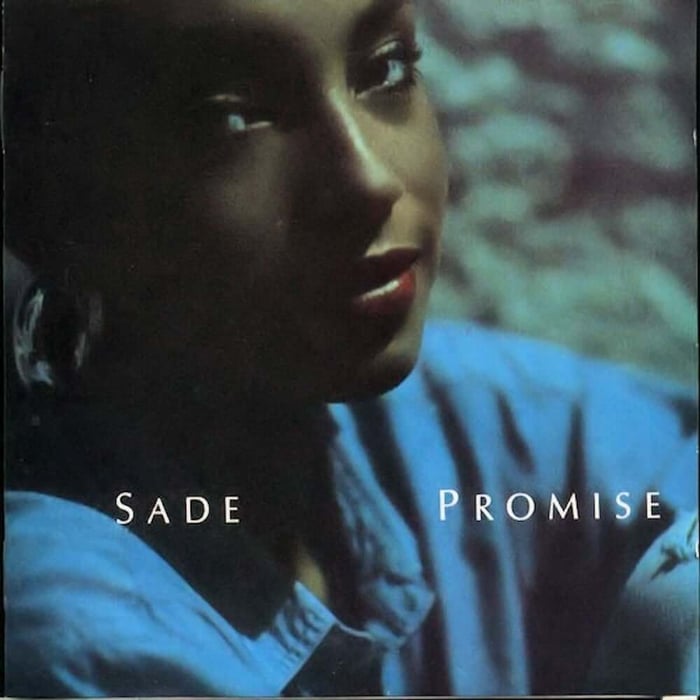
Fresh off their Live Aid appearance in 1985, Sade released Promise, pushing their sound into more eclectic, feisty territory. This album marked their first No. 1 in the U.S. and remains their only chart-topper in the U.K. Tracks like “Never as Good as the First Time” feature slap bass grooves, while “The Sweetest Taboo” employs brisk tempos that make the songs irresistibly danceable.
Matthewman’s saxophone shines across the album, especially on the instrumental “Punch Drunk,” the live staple “Jezebel,” and the sultry “Is It a Crime.” Promise refined the jazz/funk fusion that had defined their debut, elevating their craft.
1. Love Deluxe (1992): The Crown Jewel of Sade’s Catalog
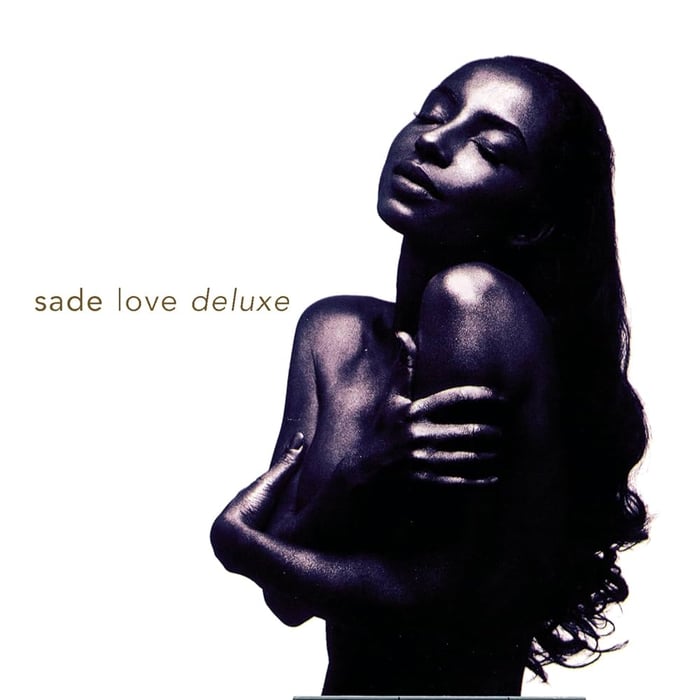
It’s tempting to dismiss Sade’s music as easygoing mood-setting, but Love Deluxe dispels that notion with its rich textures and emotional intensity. While some critics initially labeled it as mere “aural wallpaper,” a deeper listen reveals tracks brimming with urgency and passion.
“Cherish the Day” features trembling lead guitar and one of Adu’s most fervent vocal performances. The lead single, “No Ordinary Love,” with its deep mix of chugging guitar, blurred the lines between R&B and adult contemporary, becoming a staple on both radio formats and even inspiring a cover by Deftones.
Socially conscious songs like “Pearls” and “Feel No Pain” stand out, with the latter echoing the spirit of Marvin Gaye’s What’s Going On. The acoustic “Like A Tattoo” found new life in the streaming era, now one of Sade’s most-played tracks after the evergreen “Smooth Operator.”
Recently, rapper Drake even commissioned a 9-foot sculpture inspired by Love Deluxe’s iconic album cover, a testament to its lasting cultural resonance.
The Enduring Legacy of Sade
Every album from Sade offers a unique glimpse into the band’s evolution—from the raw energy of their debut to the mature reflections of Soldier of Love and the timeless sophistication of Love Deluxe. Their music is both a soothing balm and a mirror reflecting complex emotions and social realities.
So, which Sade album strikes your chord? Is it the sultry debut Diamond Life, the political whispers of Lovers Rock, or the lush depths of Love Deluxe? Whatever your favorite, one thing’s for sure: Sade’s music remains as captivating today as it was four decades ago.
FAQ
- What makes Sade unique compared to other ’80s bands?
Sade combines jazz, pop, and R&B with sophisticated arrangements and a distinctive, sensual vocal style, setting them apart from typical ’80s pop acts. - Why did Sade release albums so infrequently?
The band prioritized quality over quantity, taking time to carefully craft each album while Adu sometimes stepped back for personal reasons like motherhood. - Which Sade album is best for someone new to their music?
Diamond Life is a great starting point, as it features some of their most iconic hits and captures their early sound beautifully. - Has Sade announced any new albums recently?
While rumors of a seventh album surfaced in 2022, there has been no official confirmation yet. - What inspired the social themes on albums like Lovers Rock?
Adu and the band explored deeper, more political themes reflecting on racism, immigration, and history, adding layers of meaning to their soulful sound.
If you’re a fan of Sade’s timeless style, why not bring a piece of that elegance into your own space? Shop your favorite album cover poster at Architeg Prints and celebrate the music that moves your soul.
 | DISCOUNTGET 30% OFF*Use code on your next order:
|
* This post may contain affiliate links, meaning we earn a commission if you make a purchase through these links, at no additional cost to you.