Gene Simmons on Radio Payments: US Artists Treated “Worse Than Slaves”



Gene Simmons on Radio Payments: US Artists Treated “Worse Than Slaves”
American musicians face unfair radio payment practices, says KISS’ Gene Simmons in a passionate Senate testimony.
A Stark Reality for Musicians: Gene Simmons Speaks Out
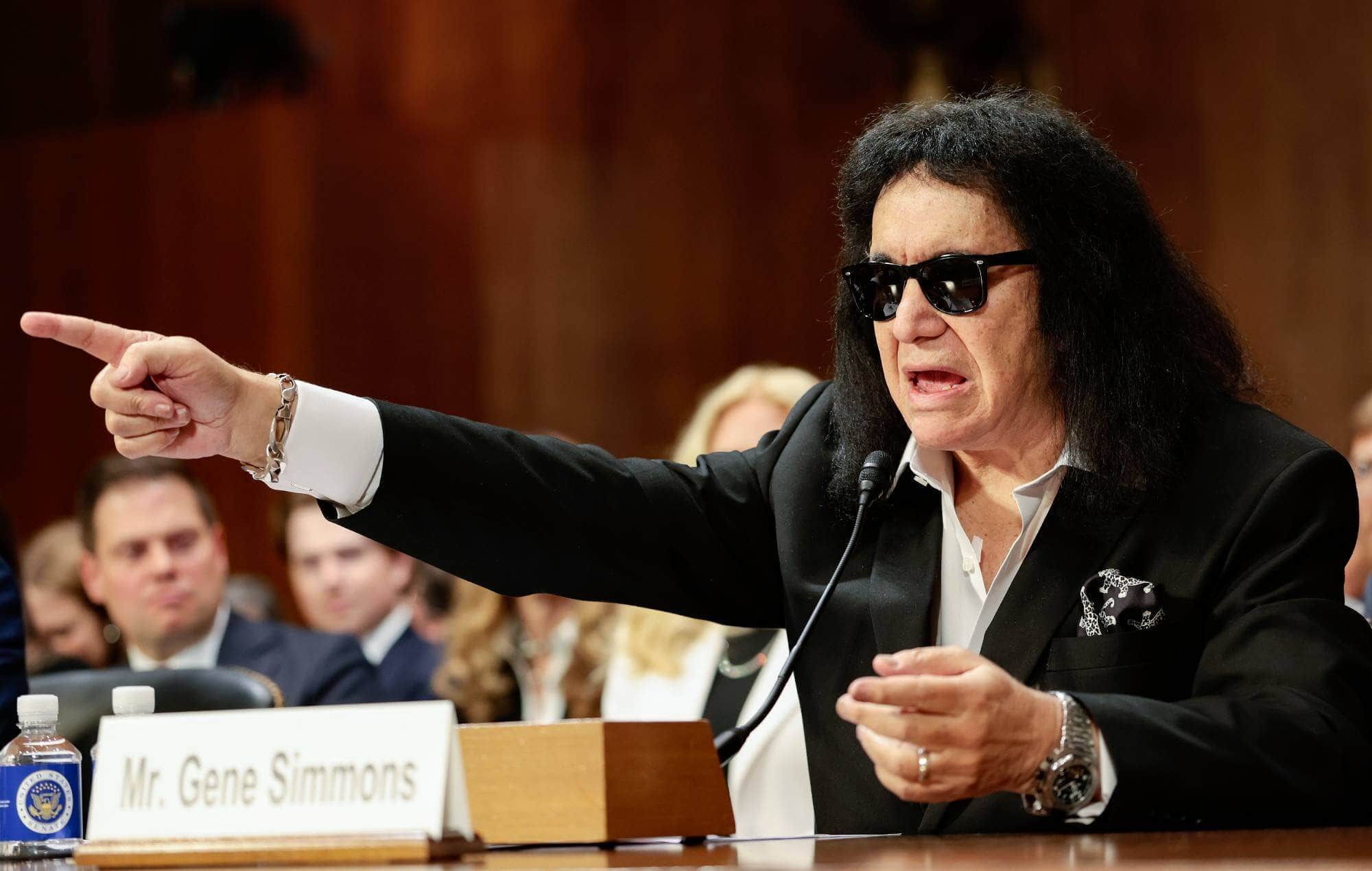
If you’ve ever cranked up some classic KISS and marveled at the sweat and soul behind those iconic riffs, you might be shocked to learn how little musicians in the US get paid when their songs hit the airwaves. Gene Simmons, the legendary bassist and frontman of KISS, recently laid it all bare during a heartfelt testimony before the US Senate Judiciary subcommittee. The issue? Radio stations don’t fairly compensate artists for their work, treating them “worse than slaves,” he claimed.
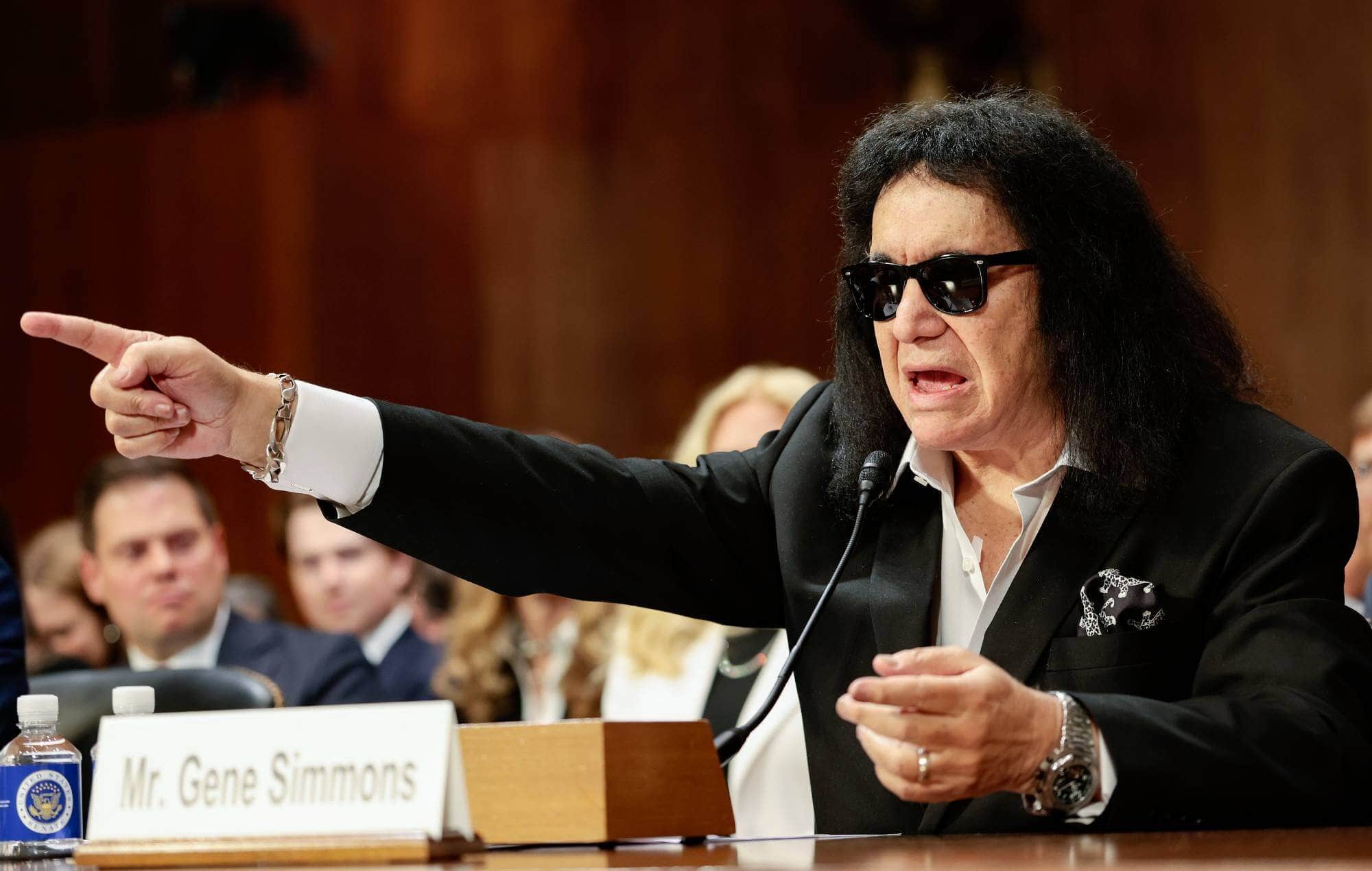
Gene Simmons delivering his impassioned speech on artists’ rights.
The Music Fairness Act: Why It Matters
Simmons was there in support of the Music Fairness Act, a bill that demands radio stations pay licensing fees not just to songwriters but also to the performers and record labels. Right now, terrestrial AM/FM radio stations in the US only pay for the song’s composition—meaning songwriters get their share, but the musicians who actually performed on the track, and the labels who produced it, don’t see a dime.
That’s like being a baker who makes a cake but only getting paid for the recipe, not the cake itself.
He went on to say, “Let’s call it for what it is – an injustice that has been going on for decades. When you work hard and you get to the top, what do you got? Zipperooney. That’s not the American way.”
A Powerful Message: Musicians Deserve Better
Simmons didn’t mince words. His critique cut deep: “If you are against this bill, you are un-American. You cannot let this injustice continue. It looks like a small issue. There are wars going on and everything. But our emissaries to the world are Elvis and Frank Sinatra, and when they find out that we are not treating our stars right – in other words, worse than slaves. Slaves get food and water. Elvis, Bing Crosby and Sinatra got nothing for their performance. We have got to change this now for our children and our children’s children.”
The comparison is jarring but it drives home the point that musicians have historically been undervalued, even as their art shapes culture worldwide.
Here’s the video of Simmons urging fair pay for musicians during the Senate hearing, an essential watch to capture his fiery passion:
A Week of Highs and Lows for Simmons
In the midst of his advocacy, Simmons has also been navigating some personal and band-related turbulence.
Recently, he publicly retracted his earlier remarks about the death of KISS guitarist Ace Frehley. Initially, Simmons suggested that “bad decisions” led to Frehley’s passing at 74. However, the guitarist reportedly died peacefully surrounded by family after a fall at home.
Simmons later humbly admitted, “On reflection, I was wrong for using the words I used. I humbly apologize. My hand to God I didn’t intend to hurt Ace or his legacy but upon rereading my words, I see how it hurt everyone. Again, I apologize. I’ve always loved Ace. Always.”
More Drama Offstage: Car Crash and Honors
October was a rollercoaster for Simmons, who was involved in a car crash in Malibu. Reports indicate he may have fainted or passed out at the wheel, a scary moment for the rock legend and his fans alike. Thankfully, he recovered quickly enough to attend a prestigious event where he received the Kennedy Center Honors from then-President Donald Trump.
The Future Looks Rocking: KISS Biopic Incoming
If the drama of real life isn’t enough, fans have something to look forward to: a long-awaited KISS biopic. Director McG recently teased that this film is set to “kick your fuckin’ ass,” promising a wild ride filled with the energy and excess that defines the band’s legacy.
Wrapping It Up: Why This Fight Matters
Gene Simmons’ testimony is a loud, no-holds-barred call for fairness in how artists are compensated in the US. It’s about preserving the legacy of music legends and ensuring today’s musicians aren’t shortchanged.
Isn’t it time the music industry caught up with the incredible art it produces? What do you think about the current radio payment system? Does Simmons’ “worse than slaves” analogy hit the mark, or is it too harsh? Either way, the conversation is necessary.
FAQ
- How does the current US radio payment system work?
In the US, AM/FM radio stations pay songwriters for the composition but do not pay performers or record labels for the sound recordings played. - What is the Music Fairness Act?
It’s proposed legislation that would require radio stations to license and pay for both song compositions and sound recordings, ensuring performers and labels receive royalties. - Why does Gene Simmons compare musicians’ treatment to slavery?
Simmons uses this stark comparison to highlight how musicians receive no compensation for their performances on the radio, unlike slaves who, while oppressed, received basic provisions. - Has Gene Simmons faced any recent controversies?
Yes, he retracted comments about Ace Frehley’s death that were seen as insensitive and was involved in a car crash in Malibu but has since recovered. - When can fans expect the KISS biopic?
While no exact release date is confirmed, director McG promises an intense film experience, suggesting it’s well into production.
Feel inspired by the legends? Shop your favorite album cover poster and celebrate the spirit of rock with timeless KISS art here: Architeg Prints.
 | DISCOUNTGET 30% OFF*Use code on your next order:
|
* This post may contain affiliate links, meaning we earn a commission if you make a purchase through these links, at no additional cost to you.