Hackers Scammed $5.3 Billion from Fans in 2025 by Impersonating Taylor Swift and More

Hackers Scammed $5.3 Billion from Fans in 2025 by Impersonating Taylor Swift and More
In 2025, hackers impersonating top music stars like Taylor Swift swindled fans out of a staggering $5.3 billion using AI-driven scams.
The Growing Menace of Celebrity Impersonation Scams
If you’ve ever been starstruck online or chased after that exclusive merch drop, you might want to be extra cautious — because 2025 has seen an unprecedented surge in scams targeting music fans. Hackers have cleverly disguised themselves as beloved artists such as Taylor Swift, Sabrina Carpenter, Billie Eilish, and others, managing to scam over $5 billion from unsuspecting fans this year alone.
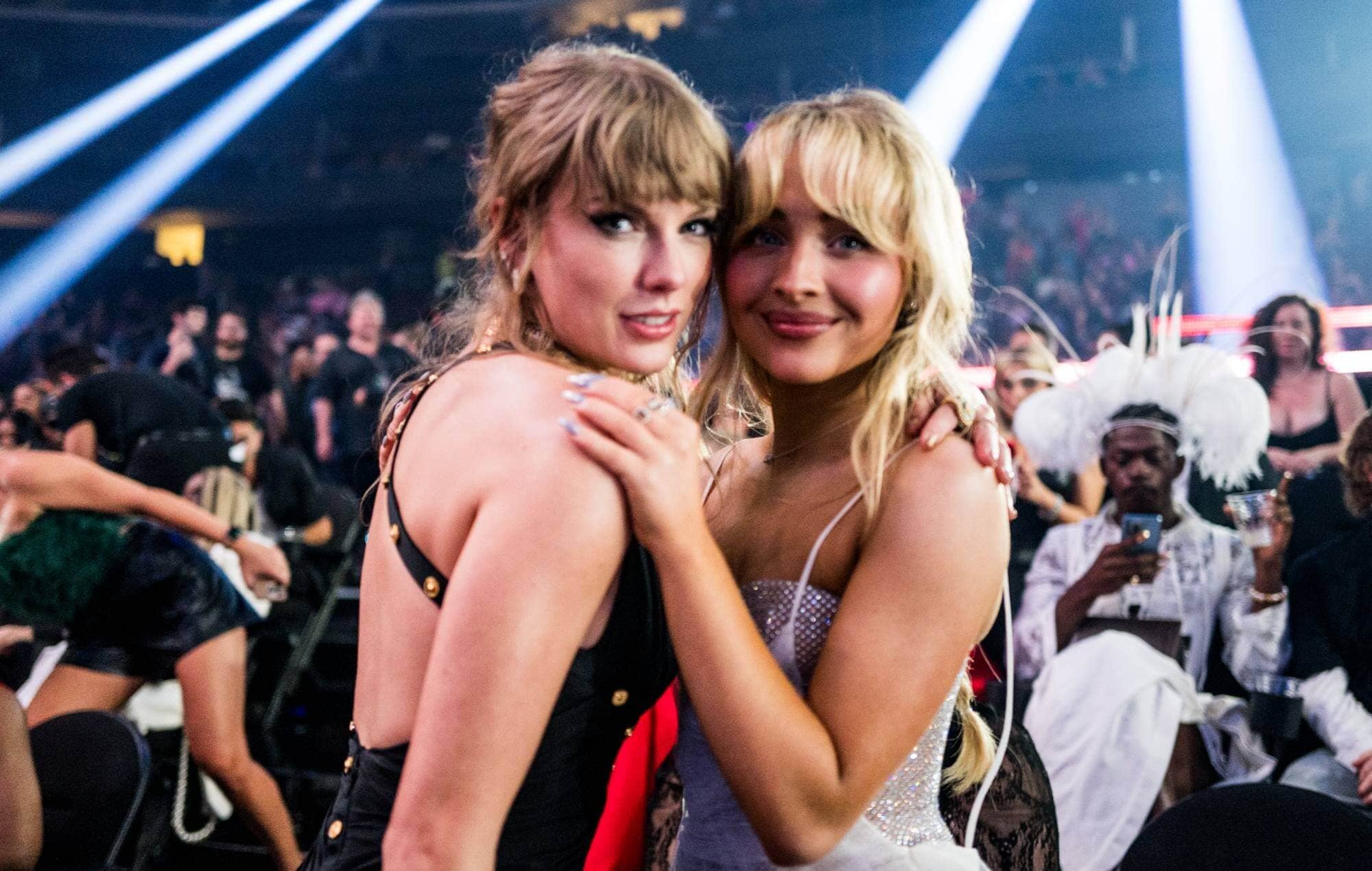
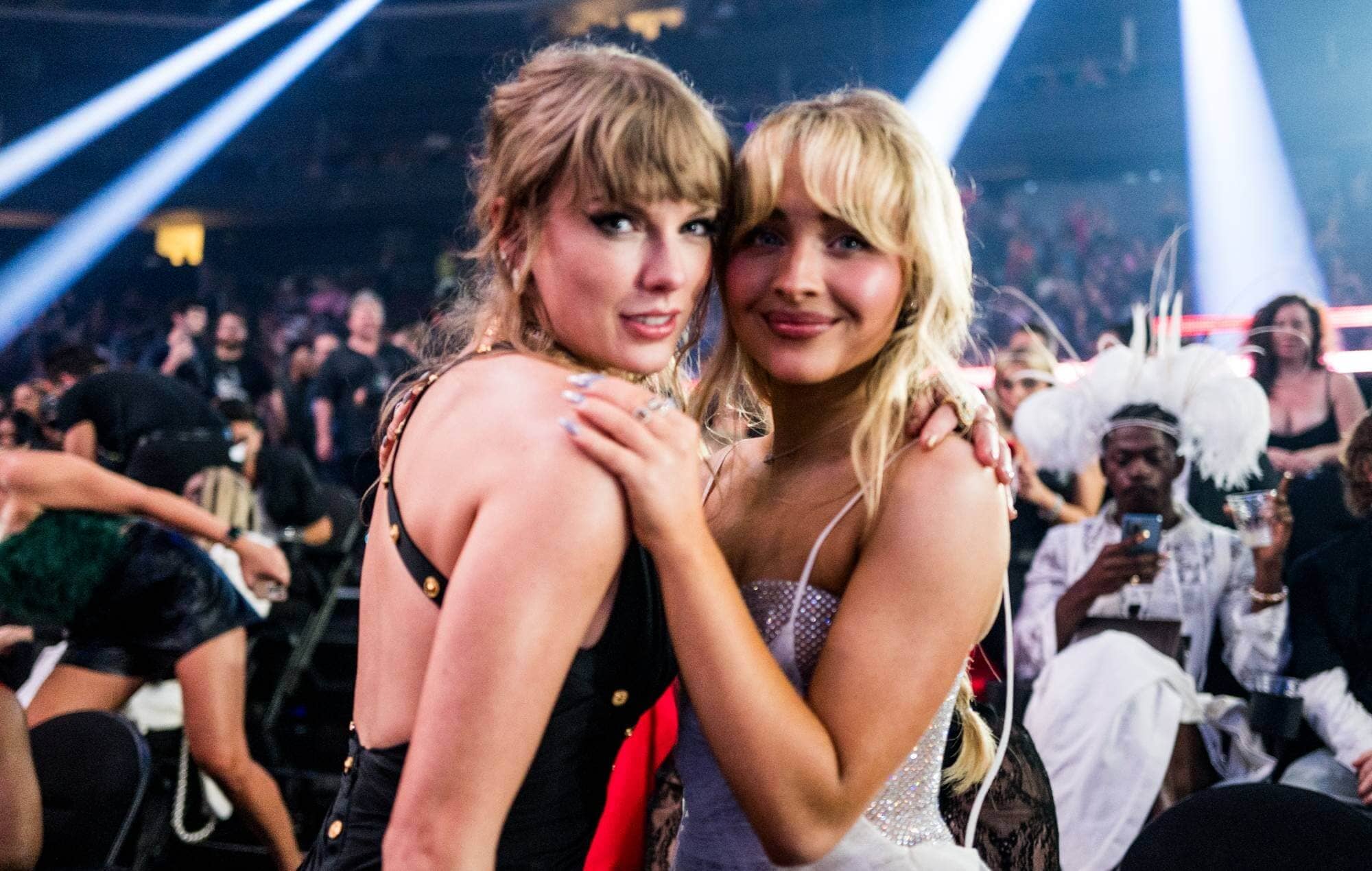
Taylor Swift and Sabrina Carpenter are among the most impersonated artists by scammers.
A revealing report by social media security firm Spikerz exposes how AI-powered impersonations on platforms like X (formerly Twitter), TikTok, and Instagram have raked in approximately $5.3 billion (about £4 billion) through these fraudulent campaigns. The sophistication of AI technology has made it harder than ever to spot a fake account, turning social media into a hotspot for digital deception.
The Stars Most Targeted by Cyber Tricksters
The report uncovered Taylor Swift and Sabrina Carpenter as the most impersonated artists this year, with a lineup including Billie Eilish, BTS, Adele, Ed Sheeran, Lewis Capaldi, BLACKPINK, Ariana Grande, and Drake rounding out the top ten. It’s a veritable who's who of the music world, all exploited by scammers looking to cash in on their fame.
Scott Cohen, a consultant with Spikerz, highlights the vulnerability this creates:
“Social platforms have become the most important connection point between artists and their audiences, and therefore, the most vulnerable. If we want artists to innovate and experiment, we have to give them digital environments where they’re not constantly under attack.”
And he’s spot on. The fallout isn’t just financial—artists risk losing trust, damaging their brand, and hurting future engagements with fans and sponsors alike.
The Cost Beyond the Cash
When fans get duped into buying fake merchandise, tickets, or experiences, it’s not just their wallets that suffer. The artists themselves bear the brunt of reputation damage, which can diminish future sales, reduce sponsorship deals, and weaken critical partnerships with labels and collaborators.
Imagine saving up for that concert ticket or that limited-edition signed album, only to discover it was a scam. The sting goes far beyond losing money—it chips away at the fan’s trust and enthusiasm, which is priceless in the music industry.
The Rising Threat of Scams in Recent Years
This problem isn’t new, but it’s definitely escalating. For instance, last year, Arctic Monkeys fell victim when someone pretended to be their agent, attempting to book fake 2025 world tour dates. Fans of Oasis also experienced heartache when ticket scammers struck during the band’s reunion tour ticket sale, with victims losing an average of £346 (around $435). A Lloyds Bank report pointed out that 90% of these scams started with fake social media ads, targeting particularly the 35-44 age group.
Sophie Ellis-Bextor even alerted her fans about an AI scam that used her hit “Murder On The Dancefloor” to promote bogus adverts, showing that no artist is immune.
Moreover, Facebook (now Meta) faced criticism for allegedly turning a blind eye to ticket scams surrounding Taylor Swift’s Eras Tour, highlighting the challenges social media platforms face in policing these frauds effectively.
Billie Eilish's Rise and the Power of AI in Scams
It’s chilling to think how AI powers these scams. The technology can mimic voices, faces, and even social media behavior, making it that much trickier for fans to differentiate the real deal from the con artists.
Here’s Billie Eilish, one of the top impersonated artists, showcasing her famous track “Firsts,” a reminder of the genuine talent behind the copied faces.
Protect Yourself and Stay Ahead of Scammers
With AI impersonations becoming more convincing, fans have to stay vigilant. Always verify official accounts (blue checkmarks help but aren’t foolproof anymore), avoid clicking on suspicious links, and buy tickets or merch only through trusted channels. Remember, if it seems too good to be true or pressures you for immediate payment, take a step back and double-check.
Final Thoughts: The Digital Age’s Double-Edged Sword
Digital platforms have revolutionized how artists connect with fans, but this convenience comes with risks. As AI technology advances, so do the schemes of those looking to exploit fandom for profit. While the music industry and social media platforms work to improve security, the responsibility also lies with fans to stay informed and cautious.
FAQ
- How do scammers impersonate musicians so convincingly?
They use AI technology to mimic voices, images, and social media behavior, creating fake but highly believable profiles. - Who are the most impersonated artists in 2025?
Taylor Swift and Sabrina Carpenter top the list, followed by Billie Eilish, BTS, Adele, Ed Sheeran, Lewis Capaldi, BLACKPINK, Ariana Grande, and Drake. - What platforms are most targeted for these scams?
Social media sites like X, TikTok, and Instagram are prime hunting grounds due to their vast user bases and rapid content sharing. - What can fans do to avoid falling for these scams?
Verify official accounts, avoid suspicious links, purchase tickets and merch only from trusted sources, and stay skeptical of too-good-to-be-true offers. - How does this affect the artists themselves?
Beyond lost revenue, artists suffer brand damage that can harm future sales, partnerships, and their overall reputation.
If you’re a fan who cherishes your favorite albums and artists, why not celebrate them with some stunning album cover posters? Check out our collection and bring a piece of the music world into your space with timeless art that reminds you of the real stars. Shop your favorite album cover poster here.
 | DISCOUNTGET 30% OFF*Use code on your next order:
|
* This post may contain affiliate links, meaning we earn a commission if you make a purchase through these links, at no additional cost to you.