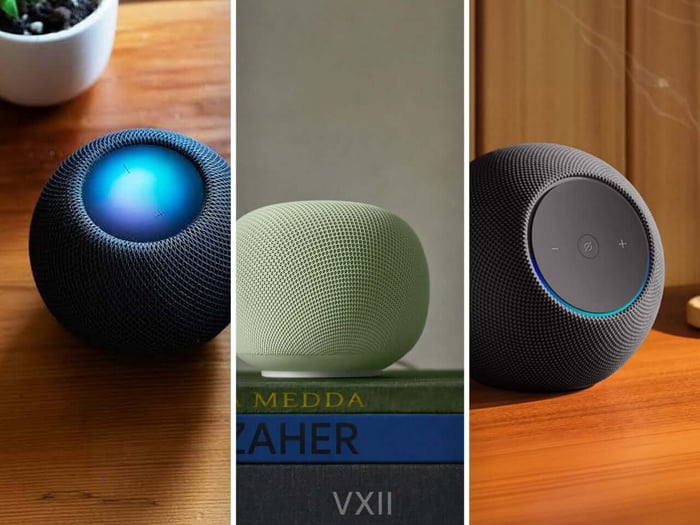
How Google, Amazon, and Sonos Redesigned Smart Speakers—But Apple Stayed Quiet


 See more Architeg Prints stories on Google.
How Google, Amazon, and Sonos Redesigned Smart Speakers—But Apple Stayed Quiet
Exploring the smart speaker revolution in 2026 as Google, Amazon, and Sonos rethink design and AI, while Apple watches from the sidelines.
The Shifting Soundscape of Smart Speakers
Smart speakers once promised to be the heart of our connected homes, a portal to endless convenience with voice assistants like Alexa. Yet, by the mid-2020s, they had quietly settled into the backdrop—more kitchen furniture than household hero. Between 2017 and 2021, Amazon’s Echo smart speaker alone funneled over $25 billion into devices like the Echo and Alexa, hoping to turn hardware into a gateway for deeper customer relationships. But that gateway proved tougher to monetize than expected.
Alexa remained helpful yet shallow, and Echo devices multiplied without ever feeling truly essential. The smart speaker category felt like a bet gone wrong: costly, underwhelming, and quietly maintained rather than celebrated.
But wait—2026 is flipping the script.
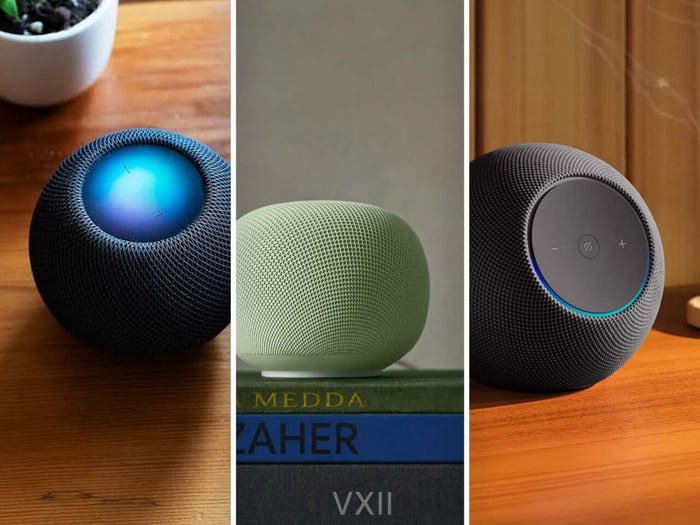
Google, Amazon, and Sonos have all unveiled fresh hardware that feels like a breath of fresh air. Softer shapes, AI that actually understands context, and sound that molds itself to the room rather than blaring a one-size-fits-all blast. This isn't just a coincidence—it's an industry-wide course correction. Yet Apple, a titan with the chops to lead this renaissance, has stayed silent.
The Era That Froze Innovation
Let’s rewind to 2020, when smart speakers hit a plateau. By then, every major player had locked in a lineup: small, premium, and often screen-equipped models. Google had Nest Audio and Nest Mini, Amazon the Echo and Echo Dot, and Apple with the HomePod mini plus its more niche original HomePod.
The market was saturated, designs were cemented, and innovation slowed to a crawl. Updates focused on assistant software improvements, not fresh hardware ideas. The smart speaker became a buy-once, forget-forever gadget.
The 2026 Smart Speaker Revolution
Now, things are stirring. The latest crop of devices shares a visual and behavioral language that crosses brand boundaries. Fabrics are softer, volumes lower, and edges gentler.
- Google’s new Home Speaker ditches aggressive branding and harsh plastics, choosing domestic warmth over gadget glare.
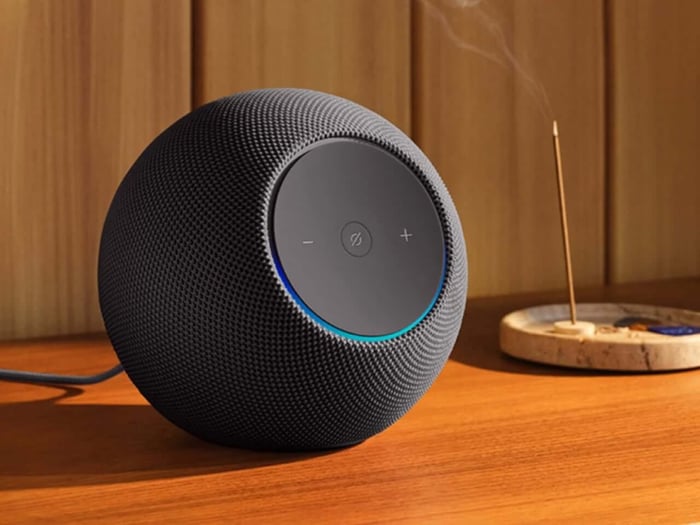
- Amazon rebuilt four Echo devices from the ground up for its Alexa+ platform, with the Echo Dot Max and Echo Studio leading the charge—prioritizing intuitive touch controls and forms that blend seamlessly into the room.
- Sonos pushed its Play and Era 100 SL models into softer, more architectural territory, making them feel less like tech and more like furniture.
This unified design philosophy signals one thing: the smart speaker should feel like it belongs in your home, not like a clunky outsider.
Smarter Inside, Too
The makeover isn’t just skin deep. The real magic is under the hood.
AI assistants in 2026 are more conversational, grasping context better and handling tasks locally without always pinging the cloud. This on-device processing means quicker responses and more natural chats.
Meanwhile, room-aware audio tuning adapts the sound to the unique acoustics of your space rather than blasting a generic profile. The speaker evolves from a command-and-response tool into an ambient presence that fits how you live in your room.
This shift from a blunt instrument to a subtle companion is what makes this new generation of smart speakers stand out.
Apple’s Quiet Watch
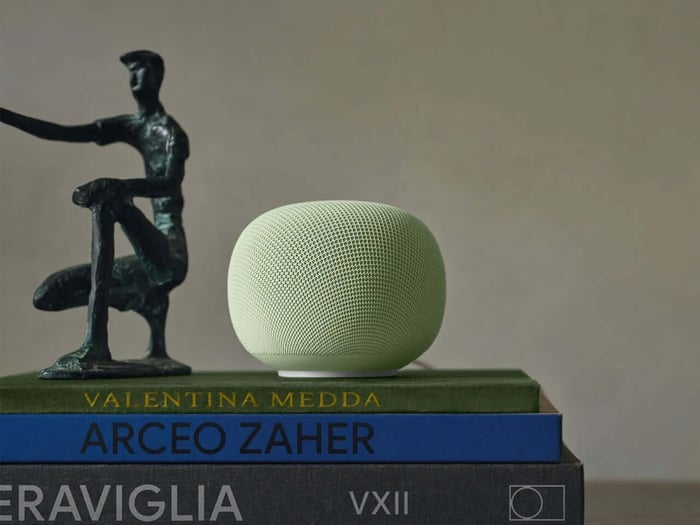
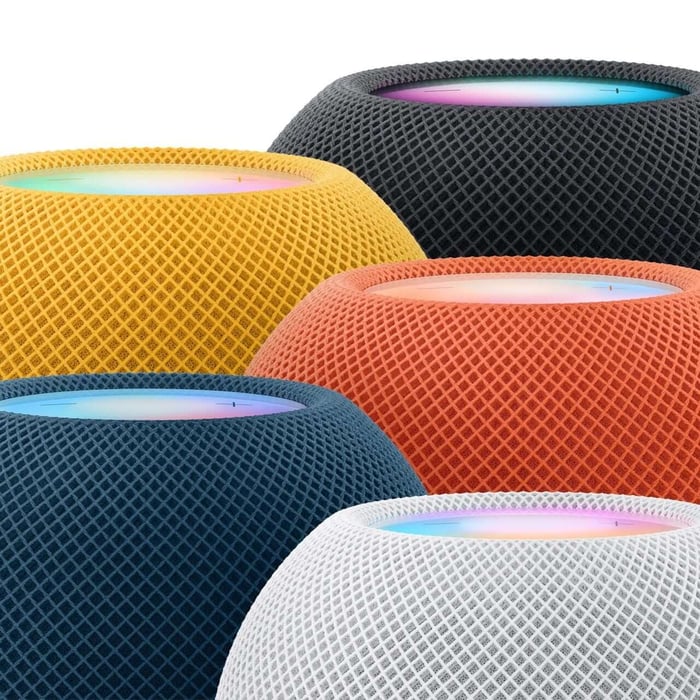
All this progress makes Apple’s silence all the more striking. The HomePod and HomePod mini remain largely unchanged in a market suddenly bursting with innovation.
This pause might be strategic. In April 2026, Johny Srouji, Apple's silicon mastermind since 2015, stepped up as Chief Hardware Officer, overseeing not just chips but batteries, cameras, sensors, and the full hardware stack. Alongside SVP John Ternus, Srouji is reshaping Apple's entire product roadmap from silicon up.
That kind of internal shake-up hints Apple could be rethinking its approach at a deep level—not neglecting the smart speaker, but preparing for something new.
What Will Apple’s Next Move Say?
Is Apple content to let smart speakers remain a secondary device—just a neat accessory in the home? Or is it quietly crafting a smarter, room-aware HomePod that taps into its new leadership’s vision?
If Apple releases a next-gen HomePod in the next year that embraces AI behavior and domestic integration, it will confirm the industry’s reset is real and smart speakers are entering a meaningful second act.
If not, Apple’s silence might signal the category’s final curtain call—an accessory that’s useful but no longer essential.
Either way, Apple’s move will reveal more than just its voice assistant strategy. It will tell us if the smart speaker deserves another chance to be more than background noise.
“The smart speaker should feel native to the home, a piece of the room’s fabric rather than an intrusion into it.”
— Industry insight
FAQ
- How have Google, Amazon, and Sonos changed their smart speaker designs in 2026?
They’ve redesigned their devices with softer shapes, fabrics, and room-aware audio that adapts to your home environment. - Why is Apple’s HomePod lineup unchanged during this redesign wave?
Apple is undergoing a hardware leadership change, possibly planning a strategic pause to rethink its smart speaker direction. - What is room-aware audio tuning?
It’s technology that adjusts the speaker’s sound output based on the room’s acoustics, providing a tailored listening experience. - How is AI improving in the latest smart speakers?
AI assistants now better understand context, enabling more natural, conversational interactions and faster on-device responses. - Will the smart speaker category become essential again?
The current redesigns aim to make smart speakers more integrated and useful, but whether they become essential depends on user adoption and further innovation.
For fans wanting to bring the charm of their favorite smart speaker’s design right into their living spaces, why not shop unique album cover posters and stylish prints at our store? Celebrate the blend of art and tech in your home décor.
 | DISCOUNTGET 30% OFF*Use code on your next order:
|
* This post may contain affiliate links, meaning we earn a commission if you make a purchase through these links, at no additional cost to you.