iOS 27 Code Reveals Strong Evidence of Apple’s New Wearable Device


 See more Architeg Prints stories on Google.
iOS 27 Code Reveals Strong Evidence of Apple’s New Wearable Device
Exciting hints in iOS 27 code suggest Apple’s next wearable could be AirPods Ultra, blending cutting-edge visual intelligence with audio tech.
A Sneak Peek Into Apple's Wearable Future
If you’ve been following Apple’s launch cycle, you know the iPhone 18 Pro smartphone and the foldable iPhone Ultra smartphone are already gearing up for a September reveal. But when it comes to Apple’s wearable lineup, things get a lot murkier. Recently, however, a breakthrough surfaced that could finally shed some light on what’s next—a piece of code buried deep within the second beta of iOS 27 that points to an exciting new wearable device.
The iOS 27 Beta Hints at an Announced Apple Wearable
Developer Sam Henry Gold stumbled upon intriguing snippets in the developer beta of iOS 27. The code references a mysterious device under the codename B790. What’s thrilling is this device appears to support features linked with advanced visual intelligence.
Specifically, the found code outlines how the wearable’s visual intelligence will recognize landmarks, text, familiar objects, and brand logos. Examples like the Eiffel Tower and a coffee cup were even coded in for testing purposes — a fun little nod to the kind of real-world recognition Apple is aiming for.

Could This Be the AirPods Ultra?
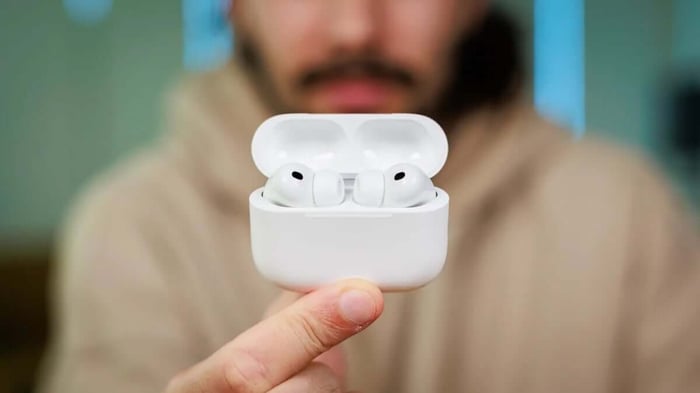
While some speculate this mysterious gadget could be Apple’s much-rumored smart glasses, the codename B790 lines up more closely with Apple’s AirPods Ultra headphones lineage—particularly the AirPods Ultra, which are rumored to come packed with cameras.
For context, Apple’s AirPods Pro 3 carried the internal codename B788, so B790 fittingly slots right after. Conversely, the smart glasses reportedly bear the codename N50, suggesting they’re a separate project entirely.
Interestingly, these clues arrive amidst rumors of Apple shelving the camera-equipped AirPods project entirely. Yet on Reddit, some users welcomed this news, branding AirPods Ultra as a "silly idea from the start."
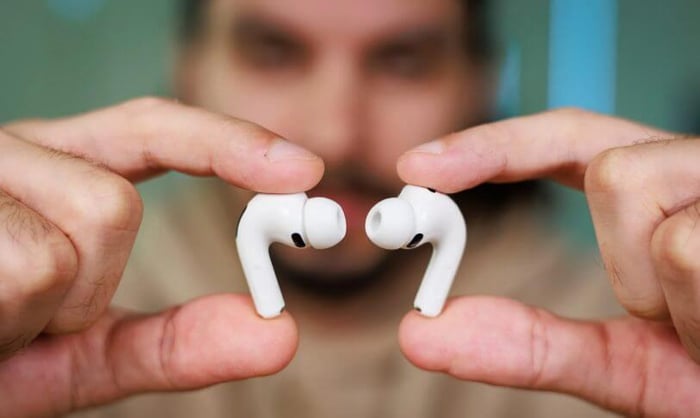
Apple’s New Wearable: A Visual Intelligence Game-Changer?
Apple’s next wave of wearables is expected to lean heavily on visual analytics. This makes perfect sense for smart glasses, which naturally integrate cameras and visual input like Meta’s Ray-Ban AI glasses. But for earbuds? That’s an eyebrow-raiser.
The concept here is genius: instead of scrambling to grab your phone, you could just glance at something and ask Siri for info. This feature is already active on the iPhone 15 Pro smartphone and newer models through the Camera app in iOS 27, and Apple seems keen to bring it into the audio realm.
The Magic Apple Needs to Work
I mean, seriously, why on earth would anyone pay extra for earbuds with cameras if they’re just for listening to tunes? Unless the AirPods Ultra headphones bring something truly revolutionary to the table, they risk joining Apple's "also-ran" products club alongside the iPhone Air and Apple Vision Pro.
Code: The Key to Reality
Finding the B790 code in iOS 27’s beta is a game-changer. It elevates whispers about Apple’s new wearables from rumor territory to near-confirmed fact.
Sam Henry Gold uncovered precise instructions for a visual intelligence feature that processes images from two cameras fit on either side of the user's head. This system recognizes landmarks like the Eiffel Tower, text, known objects, and logos of brands.
The B790 codename fits perfectly within Apple’s product lineup sequence, right after B788 for AirPods Pro 3 headphones, making the smart glasses theory less likely since those have the distinct N50 code.
Two Projects, Two Codenames
The codename confusion actually reveals Apple’s multitasking. They’re simultaneously developing two devices:
- Smart glasses under N50, expected to start production by December 2026 and launch in 2027.
- AirPods Ultra headphones with cameras, codenamed B790, also expected in 2027.
Analysts spotted different variants like B790 and B798, likely pointing to developmental stages or prototypes under the same project umbrella.
The Myth of the Ready Product
One of the most misleading rumors floating around is that Apple will imminently launch AirPods Ultra with cameras. Reality check: development is currently on hold with no guarantees of resumption. Insider Kosutami, known for accurate prototype leaks, confirmed this freeze even though back in May 2026, Bloomberg had reported advanced testing phases.
Why the pause? The AI capabilities powering Siri and the visual intelligence simply aren’t polished enough for prime time.
Hardware Isn’t the Issue
Many assume Apple hit a wall integrating cameras into the earbud form factor. Actually, the hardware is mostly done. Engineers have resolved the optics and layout challenges.
The real hurdle is software. Without flawless visual intelligence and a Siri that can interpret visual context effectively, the device’s value evaporates. This software barrier is why Apple is comfortable waiting until 2027 rather than pushing out a half-baked product.
Eyes for Your Music Experience
Embedding cameras into earbuds unlocks a world of possibilities beyond object recognition. Imagine your AirPods Ultra headphones as a personal assistant seeing through your eyes:
- Look at a book and get a quick summary.
- Glance at an unfamiliar plant and instantly know what it is.
- Read foreign text without fumbling for your phone.
Siri taps into dual cameras mounted on either side of your head, not for photos or videos, but to feed the Apple Intelligence system with environmental info.
Hands-Free Freedom
The real charm? Total hands-free operation. No phone fumbling, no waiting for image processing. Just look, ask Siri, and get answers.
Think cooking with a helper who sees your ingredients, shopping with instant price comparisons, or traveling with automatic landmark recognition.
Dual-camera inputs create a 3D spatial map, making recognition sharper and more reliable.
The Privacy Price Tag
Of course, cameras constantly scanning your surroundings raise real privacy concerns. Apple promises safeguards like visible light indicators when cameras are active, but it’s hardly foolproof.
People nearby won’t know exactly what your AirPods Ultra headphones are seeing. Unlike Meta’s glasses with easily spotted lens placement, these cameras are covertly tucked inside earbuds — a bit unsettling for bystanders.
Comfort Compromises
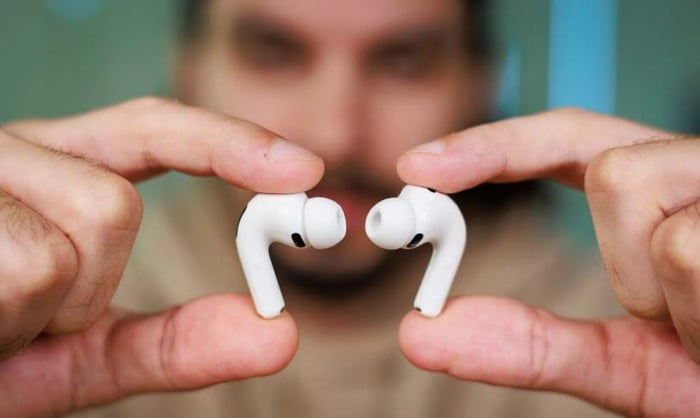
Those cameras require extra space, meaning AirPods Ultra might be bulkier and less comfy for long wear. Unlike glasses, which spread weight across your nose and ears, all added components jam into your ear canal, potentially causing discomfort.
It’s a tricky trade-off between fancy features and wearability. Will users tolerate the extra size for smart functions? Only time will tell.
A Strategic Freeze—Not a Failure
What looks like a flop is more likely a smart pause. Apple isn’t ditching the AirPods Ultra headphones concept but waiting for AI and Siri to mature.
Without tight, reliable software, this device risks becoming a flashy but useless gadget riddled with privacy pitfalls.
Choosing to delay rather than rush out a raw product shows Apple’s commitment to quality and brand reputation.
Betting on Visual Intelligence
Visual intelligence in iOS 27 forms the foundation for future wearables, including AirPods Ultra.
It already works on iPhone 15 Pro smartphone and later via the Camera app. Integrated into earbuds, it could be a killer feature, recognizing landmarks, text, objects, and logos with dual cameras on the wearer’s head.
If Apple nails this, it’ll leapfrog competitors like Ray-Ban Meta smart glasses.
A Pendant Alternative
Apple’s also developing a pendant with a simplified camera to gather visual context for Siri. This wearable could debut earlier than AirPods Ultra and serve as a testbed for visual intelligence interaction.
Success here could refine the tech before embedding it into earbuds.
Delayed Launch Protects Brand
Pushing the AirPods Ultra release to 2027 isn’t a setback — it’s brand protection.
Apple can’t afford another Apple Vision Pro scenario: cutting-edge but niche and underwhelming market demand.
Better to hold back than tarnish a wearable with buggy AI and weak use cases.
The Invisible Guardian
Beyond everyday recognition, AirPods Ultra’s cameras could create a real-time 3D map of your environment, vital for visually impaired users.
The earbuds could describe surroundings, warn of obstacles, and read signage, transforming from lifestyle gadget to essential assistive tech.
A Hidden Mood Scanner
Those twin cameras might even read micro-expressions on faces around you, helping Siri gauge emotional vibes during interactions.
Imagine earbuds that whisper, “Your colleague seems frustrated,” or, “They’re nervous in this meeting,” adding a subtle layer of social insight.
This opens a Pandora’s box of ethical dilemmas around privacy and manipulation.
Reality Enhancer
Visual intelligence wouldn’t just recognize objects but overlay info through audio.
Look at a building and hear its history whispered; spot a product and get instant price comparisons.
It’s augmented reality without a screen—information delivered subtly via sound, sparing your eyes and blending naturally into your day.
Tech Enthusiasts vs. Skeptics
AirPods Ultra will primarily attract:
- Innovators willing to pay for the latest tech.
- iPhone 15 Pro smartphone+ owners wanting visual intelligence on the go.
- Developers exploring new sensor inputs for creative apps.
- Collectors and investors fascinated by wearable evolution.
Who Definitely Doesn't Need This
Most casual users just want earbuds for music and calls. Cameras add little value and spark privacy fears.
If you already wear prescription glasses, these earbuds won’t replace smart glasses as a daily visual aid.
And for many regions without Apple’s AI services, these smart features will simply not work, reducing AirPods Ultra to expensive headphones with extra hardware.
The Eternal Comfort Problem
Unlike AirPods Pro solving noise cancellation or Apple Watch revolutionizing fitness, AirPods Ultra chase a problem most users don’t feel.
Why pay a premium just to ask Siri about a plant or read a sign, when grabbing your phone is easier?
This uncertain use case is why the project currently hangs on the brink of breakthrough or bust.
A Clear-Eyed Outlook
AirPods Ultra with cameras have advanced far but stumbled on the software front. The freeze is a strategic wait for Siri and visual intelligence maturity.
A 2027 launch seems plausible—if Apple irons out object recognition and Siri integration. The hardware is ready; it’s the software ecosystem that needs to catch up.
Comparisons to Apple Vision Pro are apt—both push tech boundaries but face the challenge of mass adoption.
Apple’s edge lies in deep iPhone ecosystem integration and exclusive features, but that alone might not make these earbuds a smash hit.
"The main challenge for AirPods Ultra is finding that killer scenario where users can’t live without these features." — Tech Insider
What do you think? Are camera-equipped earbuds the future, or just a quirky gadget in search of a need?
FAQ
- What is the significance of the B790 codename in iOS 27?
It likely refers to Apple’s upcoming AirPods Ultra headphones, marking a new generation of earbuds with integrated cameras and visual intelligence. - How does the visual intelligence feature in AirPods Ultra work?
It uses two cameras positioned on the sides of the head to recognize landmarks, text, objects, and brand logos, feeding data to Siri for context-aware assistance. - Why was the AirPods Ultra project development paused?
The main reason is immature AI functionalities—Siri and visual intelligence aren’t yet refined enough for a seamless user experience. - Are AirPods Ultra cameras designed for taking photos or videos?
No, the cameras are meant purely for environmental recognition to assist Siri, not for capturing photos or videos in the traditional sense. - Will AirPods Ultra be comfortable given the added cameras?
The earbuds will likely be bulkier to accommodate optical modules, which might reduce comfort during extended wear.
Ready to celebrate your favorite Apple gadget? Shop stunning album cover posters and iconic tech art at Architeg Prints and bring your fandom to life in style.
 | DISCOUNTGET 30% OFF*Use code on your next order:
|
* This post may contain affiliate links, meaning we earn a commission if you make a purchase through these links, at no additional cost to you.