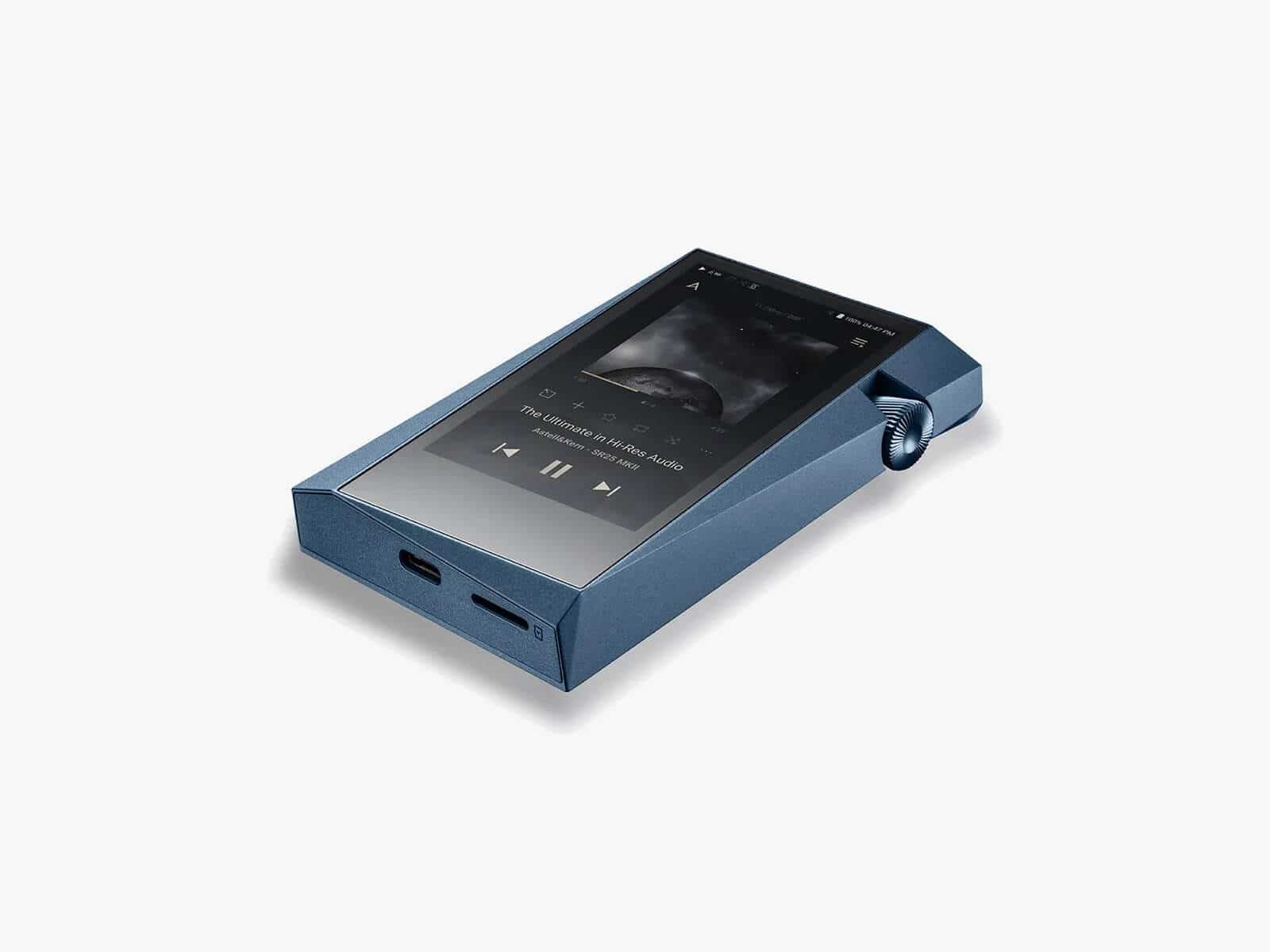
Is Lossless Audio Worth It? Exploring Wiim Amp Pro Sound Quality



Is Lossless Audio Worth It? Exploring Wiim Amp Pro Sound Quality
Unlock the true depth of your music with lossless audio — but is splurging on Wiim Amp Pro the key to the ultimate listening experience?
The Difference Between Playing and Truly Listening to Music
There's a world of difference between just turning on music to fill the silence and immersing yourself in every emotional beat and nuance. The former is background noise; the latter is a journey into the artist's soul. To truly savor this, the audio quality needs to honor the original recording — enter lossless audio.
With streaming services like Spotify now touting lossless options, the buzz around lossless sound is louder than ever. But what exactly is lossless audio, how do you get it, and should you invest in devices like the Wiim Amp Pro to experience it?
What Exactly Is Lossless Audio?
To put it simply, lossless audio is digital sound that hasn’t lost any of the original recording's information during compression. Don’t be misled — both lossless and lossy files undergo compression to shrink their size for streaming or storage, but the difference lies in what data is preserved.
Two key specs define audio file quality:
- Sampling Rate: This measures how many times per second an analog signal is sampled to convert it into digital form. The higher the rate, the more precise the digital representation. CDs, for instance, sample 44,100 times per second (44.1 kHz).
- Bit Depth: This indicates how much of the audio wave is captured in each sample. Higher bit depth means a more detailed, dynamic sound capturing the softest whispers to the loudest crescendos. CDs traditionally use 16-bit depth.
Back when CDs were developed, 16-bit/44.1 kHz became the sweet spot, balancing audible detail and manageable file size. Any file with at least this resolution, like a FLAC file or CD track, qualifies as lossless. Lower than that? It’s lossy — like the popular MP3s. Higher than that is “hi-res” audio, often 24-bit or more.
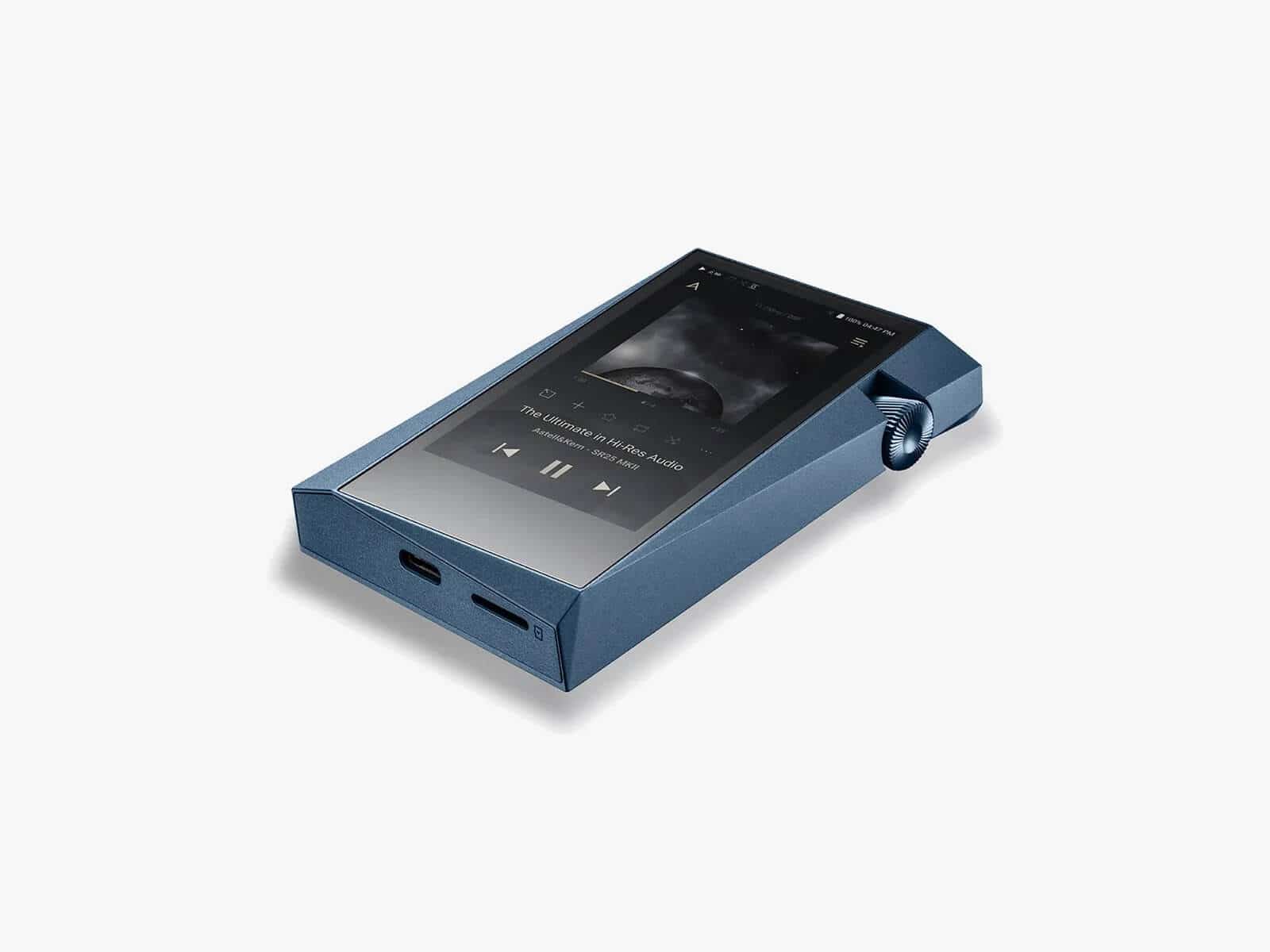
Is Lossless Audio Truly Better?
The short answer: yes. More information equals more authenticity. Lossless audio offers the fullest palette of sound, letting you hear music exactly as the artist intended.
But here’s the catch — your gear must be up to the task. Without quality sources, DACs (digital-to-analog converters), amplifiers, and speakers or headphones, even the best files won’t shine.
When I say "better," I mean you get:
- More intricate details
- Wider dynamic range
- Tighter, more convincing rhythms
These elements combine to transform passive listening into a captivating experience.
How Can You Listen to Lossless Audio?
There’s no shortage of ways to dive into lossless sound today. CDs are making a comeback, especially among younger audiophiles who appreciate physical media and the tangible joy it brings.
If you prefer digital, you can buy and download lossless files from specialized websites — owning your music outright instead of renting it via streaming.
Speaking of streaming, several platforms now offer lossless tiers: Tidal, Qobuz, Apple Music, Amazon Music Unlimited, Spotify, and Deezer. These services blend convenience with quality, opening vast catalogs in high fidelity.
What Gear Do You Need for Lossless Listening?
Think of your sound system like a chain — every link counts.
- Source: This could be a CD, a downloaded file, or a streaming track.
- Player/DAC: CD players and digital file players handle converting digital signals to analog for your speakers or headphones.
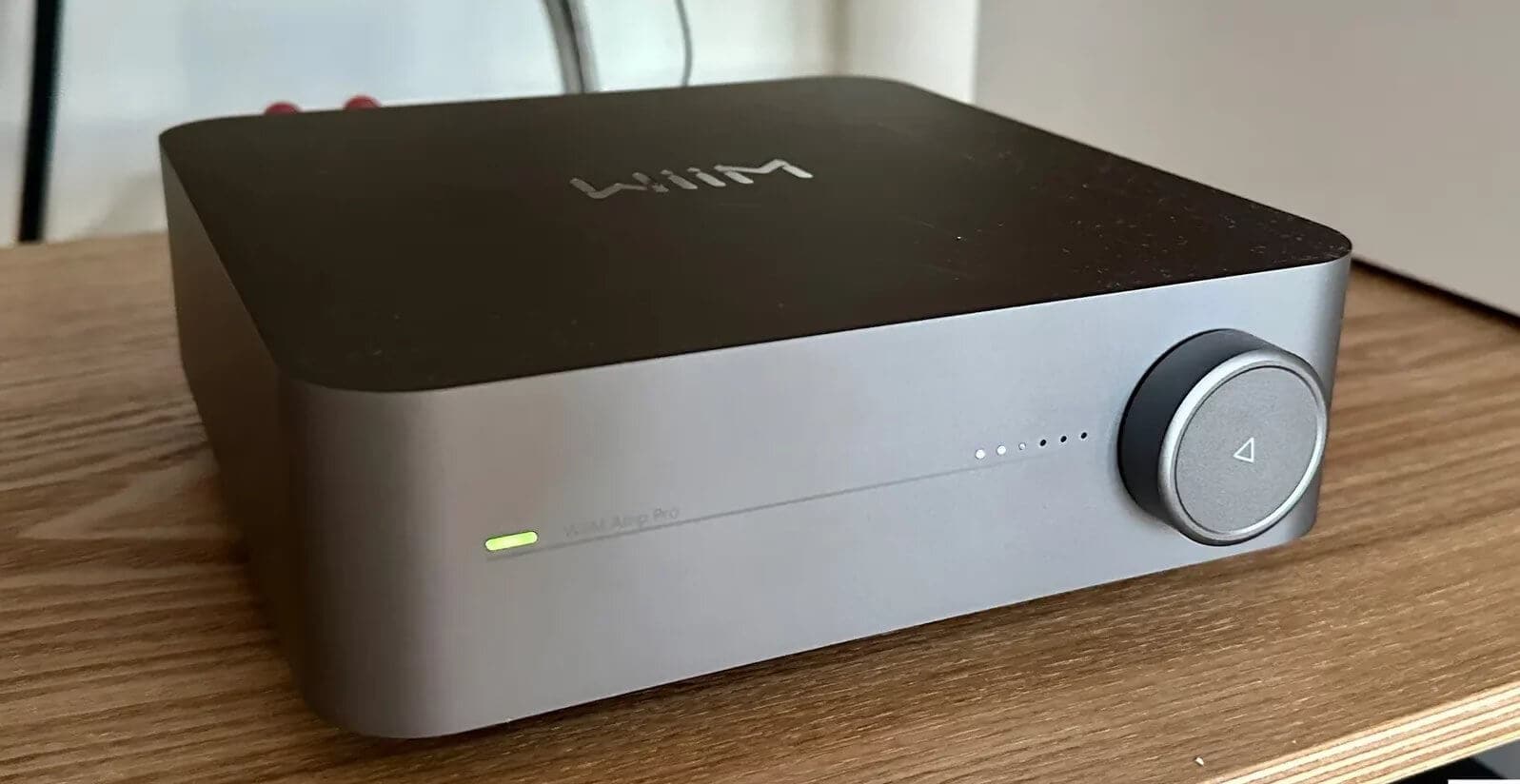
- Amplifier: Devices like the Wiim Amp Pro come into play here, boosting the signal without compromising detail.
- Speakers/Headphones: The final delivery, where sound becomes a living, breathing presence.
For networked setups, a streamer device pulls lossless files from your server and sends them to your amp and speakers. On the go? Your phone and wireless headphones need to support the right standards to keep lossless quality intact.
Can Lossless Music Play Over Bluetooth?
Standard Bluetooth just can’t handle the bandwidth lossless audio demands. It compresses the sound into lossy formats, which can be a letdown when you’re paying for premium quality.
Thankfully, newer Bluetooth codecs like Qualcomm's aptX Lossless aim to fix this, promising truly lossless wireless streaming. The catch? Both your phone and headphones must support aptX Lossless.
Most high-end Android phones do, but sadly, iPhones don’t. To get lossless sound on an iPhone, you’ll need a wired connection, a portable DAC supporting aptX, or rely on Wi-Fi at home.
What About Lossless Audio Over Wi-Fi?
Wi-Fi, thankfully, is more capable.
Services like Qobuz, Spotify, and Tidal offer “Connect” features that stream lossless audio directly over Wi-Fi — often built into smart speakers.
However, if you’re using an iPhone with AirPlay 2, you might not get true lossless. While the protocol officially supports 16-bit/44 kHz, in practice, it drops to compressed streaming at around 256 kbps.
Wi-Fi works wonders if you have a dedicated network player, storage, amplifier, and speaker system to handle the full bandwidth.
How to Enjoy Lossless Audio on the Go?
Good news: high-quality music doesn’t have to stay at home.
Here’s how to keep lossless sound while mobile:
- Plug wired headphones into a digital player loaded with lossless files.
- Use wired USB-C headphones connected to your phone streaming high-quality audio.
- Pair wireless headphones that support Qualcomm’s aptX Lossless codec with a compatible source.
"Information is knowledge, and in this case, it means access to the fullest set of audio data that makes music sound as the artist intended." — Adapted from the article discussion
FAQ
- What defines lossless audio compared to regular audio?
Lossless audio preserves all original sound data without losing quality during compression, unlike lossy formats which sacrifice some detail. - Can I hear lossless quality on any headphones?
Your headphones must have the capability to reproduce high-resolution sound, and your source must support lossless output for noticeable improvement. - Does streaming lossless audio consume more data?
Yes, lossless files are larger, so streaming them uses more bandwidth compared to standard compressed audio. - Is Bluetooth suitable for lossless audio?
Standard Bluetooth compresses audio, but newer codecs like aptX Lossless can handle it — only if both your device and headphones support it. - Does the Wiim Amp Pro really enhance lossless audio?
It can, by providing high-quality amplification and digital-to-analog conversion that preserves and delivers detailed sound.
Feeling inspired? Bring your favorite album covers to life with stunning posters from our collection. Celebrate your musical journey by decorating your space with iconic art — check out the selection here.
 | DISCOUNTGET 30% OFF*Use code on your next order:
|
* This post may contain affiliate links, meaning we earn a commission if you make a purchase through these links, at no additional cost to you.