Is Melanie Martinez Real or Fake? Unmasking the Enigma Behind the Persona



Is Melanie Martinez Real or Fake? Unmasking the Enigma Behind the Persona
Curious about Melanie Martinez? We delve into her artistry, controversies, and the human behind the cyberpunk veil of her latest album, exploring if she’s a genuine artist or a crafted persona.
Checking Humanity at Nightbird Studios
Stepping into the dimly lit lounge of Nightbird Studios beneath the Sunset Marquis hotel in West Hollywood, I found myself whispering, “I’ve come to check if she’s human or a replicant.” Now, this might sound like a sci-fi flick line, but in the world of music journalism, where artifice often masks authenticity, it’s a valid question.
My companion glanced at me curiously, “A replicant?” he echoed, referencing the synthetic beings from Blade Runner. The subject of our scrutiny was Melanie Martinez, the alt-pop chameleon formerly known for her emotionally raw Cry Baby persona. Tonight, she was set to unveil selections from her latest concept album, HADES, a project brimming with persona shifts and cyberpunk aesthetics.
“Don’t worry,” he assured me with a smirk. “She’s human, all right.”
That reassurance was welcome, especially after witnessing firsthand the controlling nature of some pop star entourages. I recalled a frustrating encounter with a major pop star's team—plans to shoot her candidly on the streets of L.A. devolved into a luxurious, overproduced hotel shoot with makeup and lighting, nullifying the very authenticity we hoped to capture. The artist’s promises of a “raw, ’90s style” shoot dissolved into staged artificiality overnight.
So, I was determined to find out if Melanie Martinez was different—unfiltered, accessible, a real person beneath the layers of persona and production.
A Past Filled With Character and Lore
Flashback a few weeks before the listening event. Melanie’s PR team pitched the idea of a cover story. I was intrigued, having been somewhat indoctrinated into her world years ago thanks to my daughter’s phases of devotion. She embodied the Cry Baby character, a figure born with her 2014 EP Dollhouse, and expanded through albums like 2015’s Cry Baby and 2019’s K-12. That persona symbolized the emotional turbulence of youth—vulnerable, unapologetic, and uniquely expressive.
Cry Baby’s charm wasn’t just in the music but in the world she created for fans—classic nursery-core style clashing with madhouse motifs, complete with vintage dresses and Cruella de Vil hairdos. Melanie once said the nickname “Cry Baby” was meant as an insult, but she embraced it as a badge of emotional honesty and fierce individuality.

Cry Baby hits Lollapalooza, Chicago, 2016.
Her work went beyond music into visual storytelling, especially with K-12, where she wrote and directed a 90-minute musical film extension of the album. It was a surreal, day-glow dollhouse nightmare exposing the cruelty and conformity pressures of school life, all through the lens of her character’s idiosyncratic psyche. The production, bankrolled by Atlantic Records with a budget around $6 million, was a testament to her unique, auteur-driven vision.
The Shadow of Allegations
However, Melanie’s career hasn’t been without major controversy. In December 2017, Timothy Lauren Heller, a former close friend and opening-act performer on the Dollhouse Tour, accused Melanie of sexual assault during a sleepover. Timothy’s tweets, which were widely shared before deletion, alleged unwanted sexual acts despite her repeated refusals.
“I never said yes,” Timothy tweeted. “I said no, repeatedly.”
She further emphasized the painful truth that assault can happen between friends and that the abuser’s identity or relationship doesn’t negate the experience.
Melanie Martinez has denied any nonconsensual wrongdoing, stating that everything was consensual and that she wishes Timothy well. But the rift widened when Melanie released “Piggyback,” a diss track accusing Timothy of lying for fame.
The fanbase’s reaction was intense and divided. Some branded Melanie with the nickname “Felony Martinez,” while others staunchly defended her, attacking Timothy and praising Melanie’s narrative. Melanie thanked her fans for their investigative efforts that, in her view, discredited the allegations.
Timothy later revealed how this backlash devastated her, flooding her with hate messages, hate accounts, and leaks of personal information, severely impacting her music career.
Despite multiple requests, Melanie’s camp declined to provide detailed responses or engage with the allegations directly, leaving many questions unanswered.
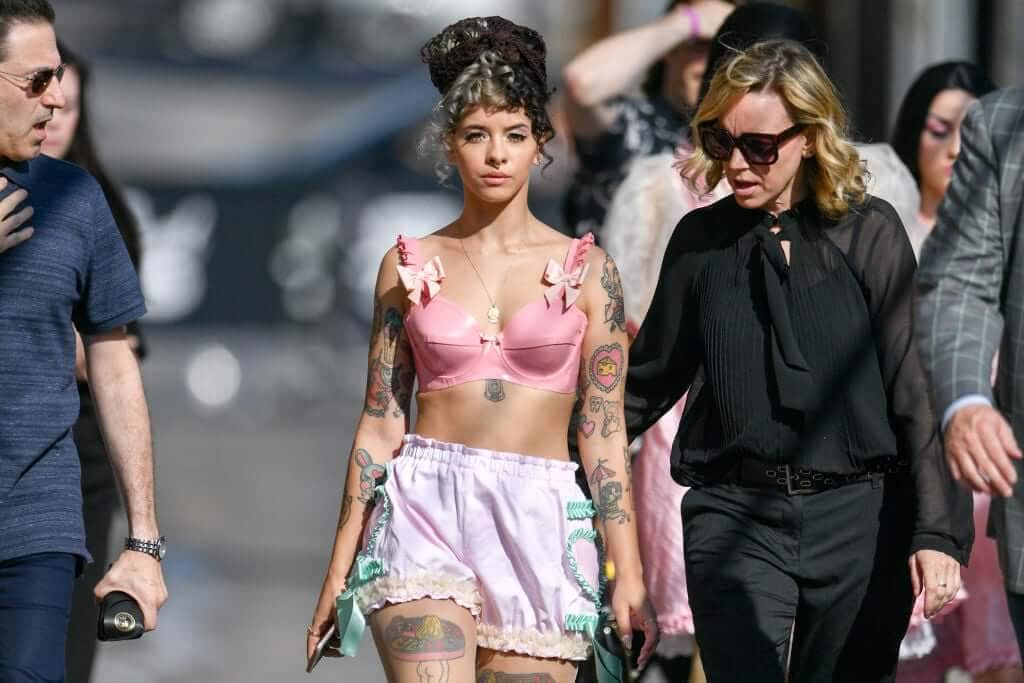
Melanie Martinez in Los Angeles, 2019.
Earning Editor’s Interest and the New Cyberpunk Persona
Initially, my editor was skeptical about a feature on Melanie, dismissing her as “too poppy.” But my insistence on the depth of her artistry and storytelling piqued his interest—on one condition: real, unfiltered access to Melanie, beyond the usual PR-managed chats.
At the listening party in West Hollywood, the atmosphere was elite, intimate, and buzzing with anticipation. Melanie appeared embodying her new HADES persona, Circle—a cyberpunk-inspired character shaped by dystopian themes and sci-fi influences like Octavia E. Butler’s Parable of the Sower. Circle’s story is steeped in themes of control, exploitation, and patriarchal oppression, set within a tech-dystopia ruled by the ominous Hades Tech corporation.
Melanie described HADES as an exploration of “different traps set by the kind of evil, patriarchal energy that is HADES,” highlighting patterns of cruelty disguised as protection and exploitation sold as opportunity.
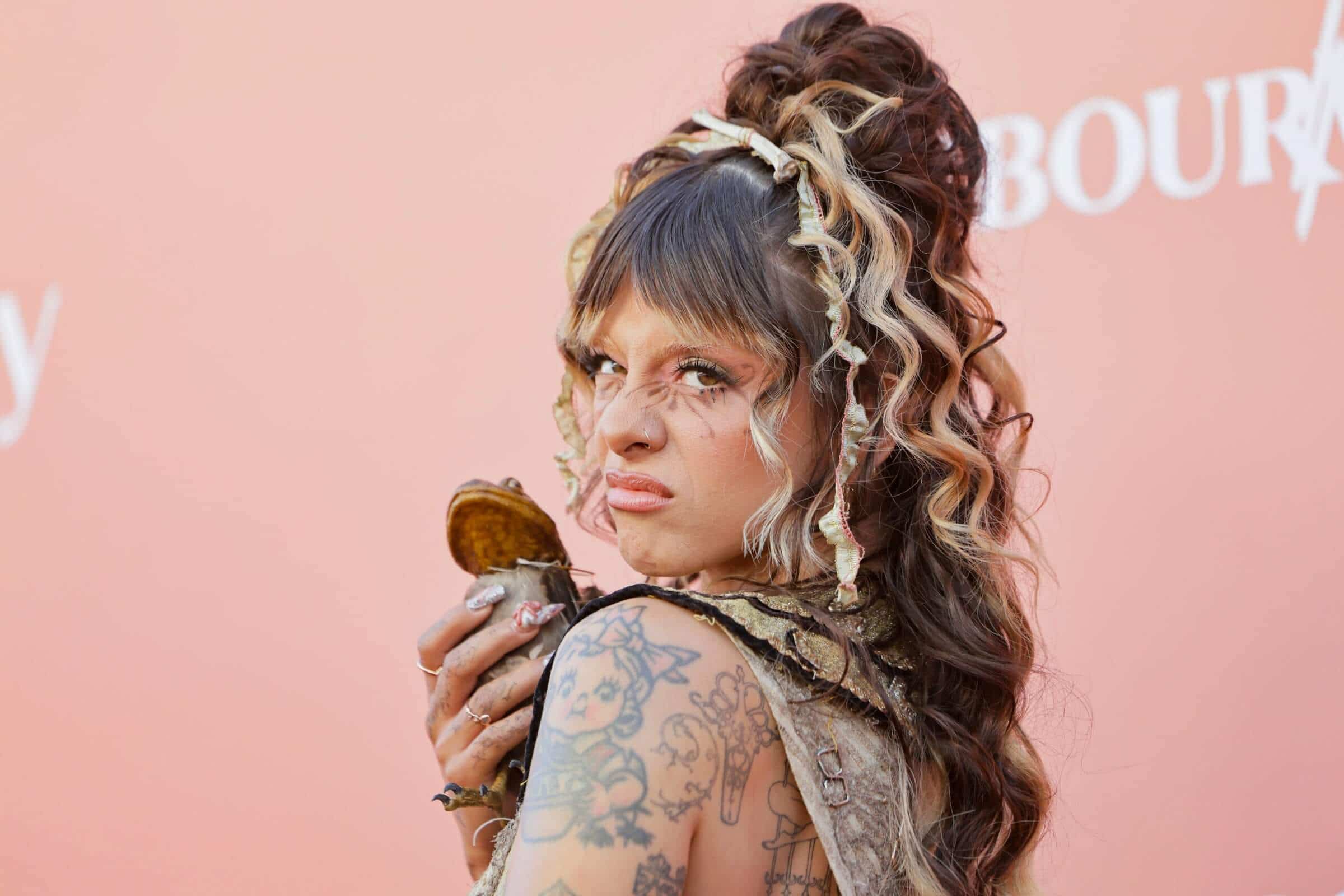
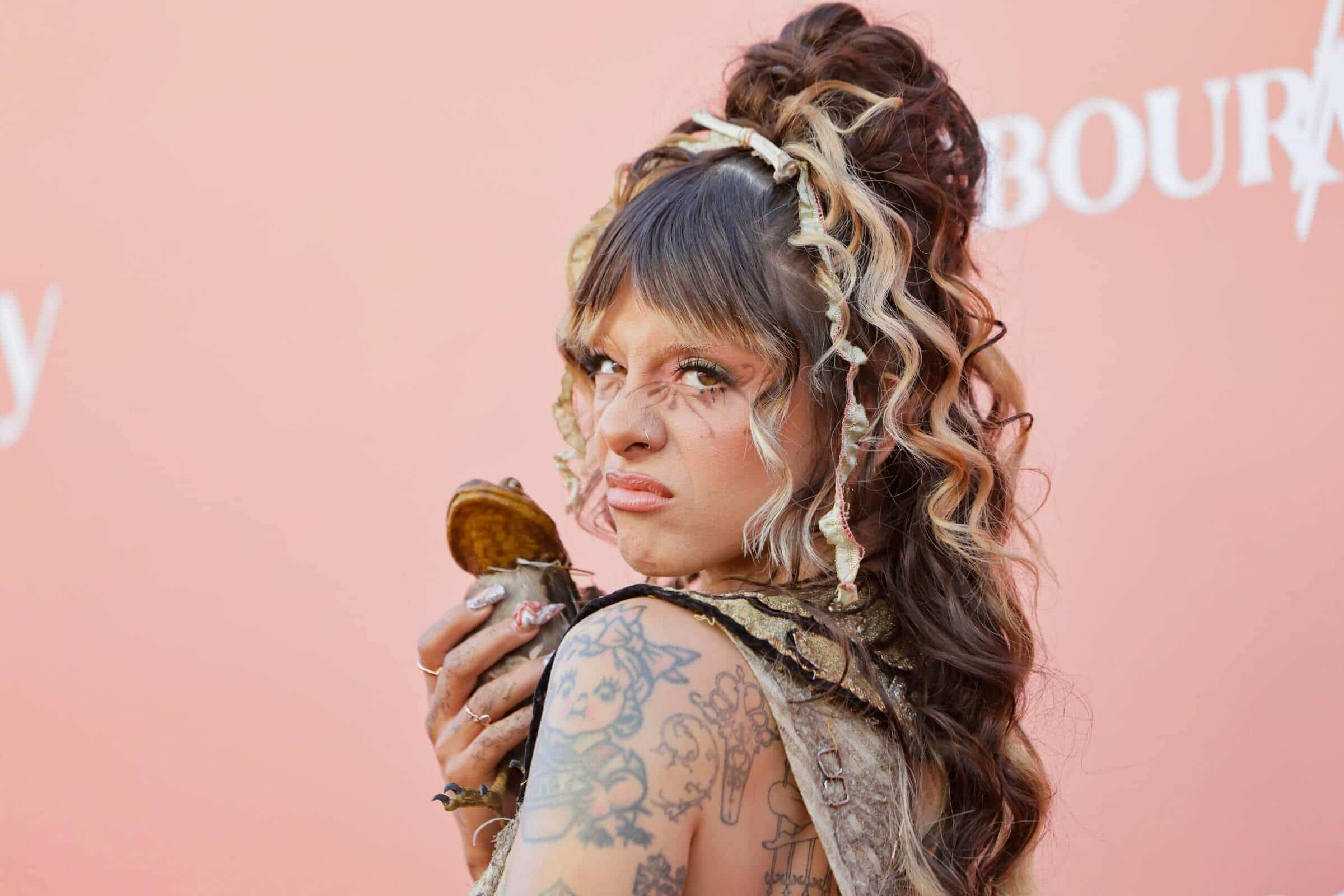
Melanie Martinez and Toady, a symbolic creature from her album mythology.
The Listening Event Experience
As the music started at Nightbird Studio, the room filled with the hypnotic sounds of HADES. Lyric sheets were handed out, turning the event into a clever blend of listening and reading, a shared ritual of learning the new narrative. Tracks like “Garbage” and the final “The Last Two People On Earth” showcased her evolving sound and message, grounded in raw emotion and complex themes.
Afterwards, I had a genuine, unguarded conversation with Melanie. We discussed her creative process, her favorite tracks, her hobbies like crocheting and ceramics, and her cultural roots, including visits to the Dominican Republic. She even showed me her notebook filled with handwritten thoughts, sketches, and stage designs—a window into her vibrant artistic mind.
Obstacles to Deeper Access and the PR Tug-of-War
Despite this promising connection, deeper interviews proved elusive. Melanie’s team preferred “fan forward” small-scale events over traditional media engagements, and soon after, they withdrew cooperation entirely. They pressured us to drop the story and even offered to reimburse expenses to kill the piece.
When I submitted 37 detailed questions, including inquiries about the sexual assault allegations and her relationship with her intense fanbase—affectionately dubbed “kooky” by her PR—they stalled. The manager reportedly refused to even show Melanie the full list, citing workload and emotional strain.
I narrowed the list to four focused questions but received no response, prompting me to proceed with writing the story regardless.
Behind the Scenes: The PR Backlash
Melanie’s PR agency launched a fierce campaign against me, denouncing my questions as “disrespectful” and “threatening,” and accused the piece of turning into a tabloid hit job rather than a music story. They claimed the inclusion of old, unsubstantiated allegations was unfair and suggested the criticism stemmed from “white male bullying.”
These accusations ignored the fact that Timothy Heller’s claims were widely reported by mainstream media at the time and that the questions were part of a serious journalistic pursuit of truth.
The PR’s attempts to intimidate and silence independent coverage only strengthened the resolve to tell a full, unvarnished story about Melanie Martinez—warts and all.
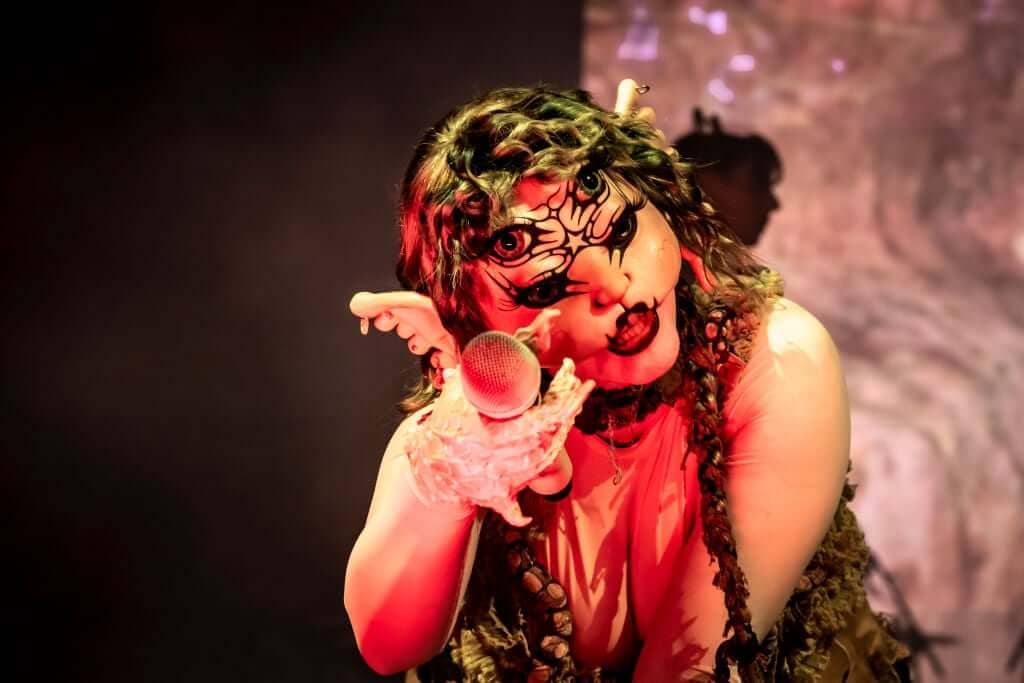
Melanie Martinez in Milan, Italy, 2023.
Live at the United Theater: A Fan’s Perspective
Attending one of Melanie’s “fan forward” shows with my daughter was a defining moment. The United Theater in downtown L.A. was packed with devoted fans clad in punk tulle and tiaras, singing every word with reverence. The energy was electric, a communal worship of a pop star who has crafted not just music but a culture.
A young girl stood on her chair, arms thrashing to the beat, utterly lost in the moment. Melanie’s raw, squeaky delivery of the climactic chorus—“Fuck me like we’re the last two people on Earth!”—cut through the crowd, sealing the show’s emotional crescendo.
When I asked my daughter her thoughts afterward, she smiled and said, “It was everything I would have wanted when I was 14.”
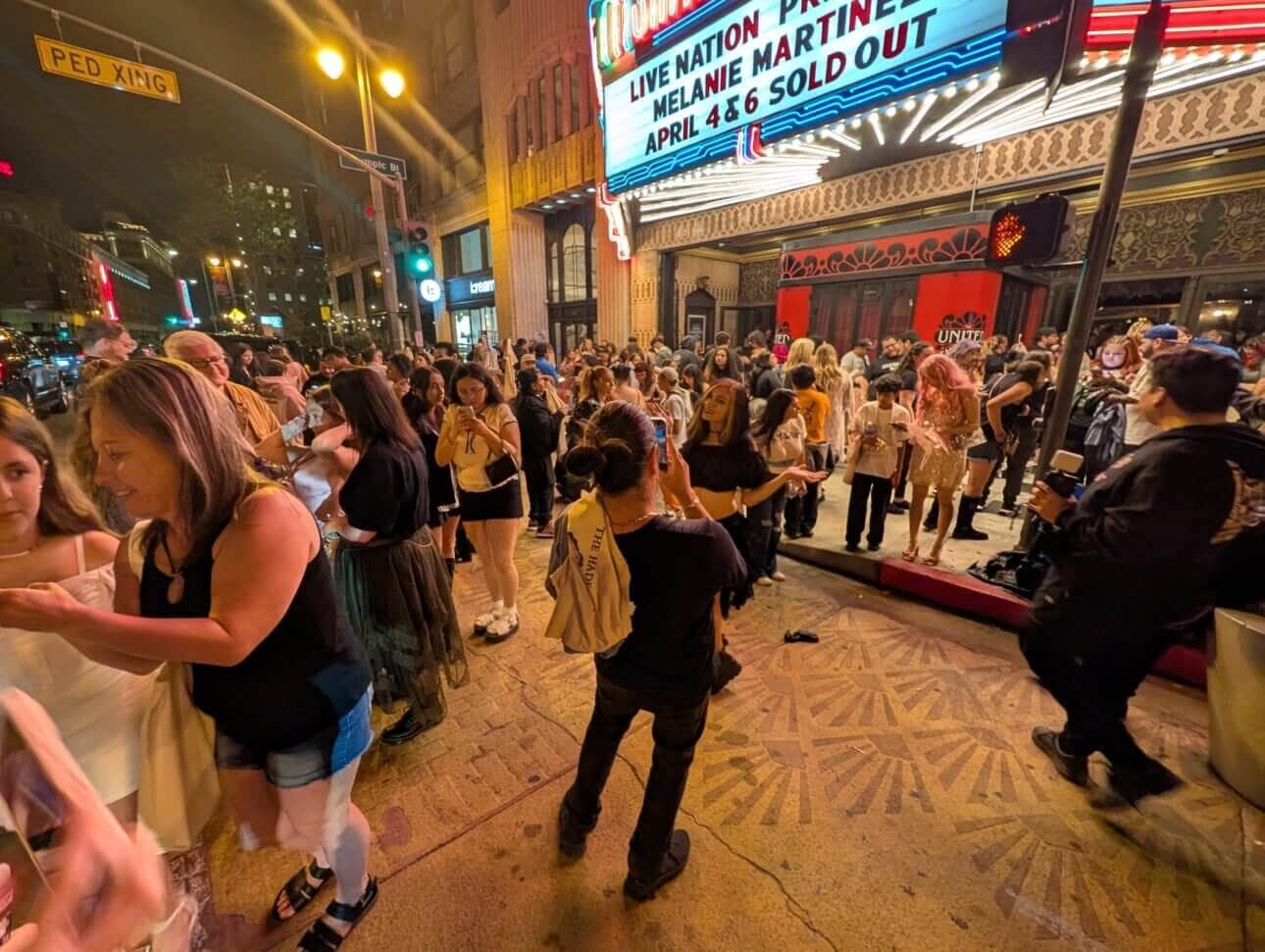
Fans at L.A.’s United Theater embracing Melanie's new work.
The Verdict: Human or Replicant?
This story isn’t about proving or disproving allegations or unmasking a manufactured star. It’s about peeling back layers of persona to glimpse the real Melanie Martinez—a fiercely creative, complex artist navigating a music industry that often demands control over authenticity.
Her music, visuals, and performances reveal an artist unafraid to confront darkness and vulnerability, while her handling of controversy exposes the challenges of being human in a hyper-curated world.
As I left the studio that night, the question lingered but felt less urgent. Melanie Martinez is real—maybe flawed, maybe guarded—but undeniably human.
FAQ
- What is Melanie Martinez's Cry Baby persona?
Cry Baby is a character Melanie created embodying emotional vulnerability and unapologetic intensity, first introduced in her 2014 EP Dollhouse and developed across subsequent albums. - What is the concept behind Melanie’s HADES album?
HADES explores themes of patriarchal control and exploitation through the cyberpunk persona Circle, inspired by dystopian literature and real-world destructive patterns. - Has Melanie Martinez addressed the sexual assault allegations?
Melanie has denied any wrongdoing and described the encounters as consensual, but has largely declined detailed public discussion on the topic. - What was the fan reaction to the assault allegations?
The fanbase was split; some defended Melanie vehemently, while others supported the accuser, Timothy Heller, leading to a divisive social media storm. - How does Melanie connect with her fans today?
Through intimate “fan forward” shows, immersive storytelling, and a unique blend of music and visual art, Melanie cultivates a deeply loyal and engaged fan community.
If you’re captivated by Melanie Martinez’s unique blend of art and persona, why not bring that vibe into your space? Shop your favorite album cover posters and celebrate the visual storytelling that defines artists like Melanie at Architeg Prints.
 | DISCOUNTGET 30% OFF*Use code on your next order:
|
* This post may contain affiliate links, meaning we earn a commission if you make a purchase through these links, at no additional cost to you.