Tori Amos: The Woman, the Myth, and the Legend Behind In Times of Dragons



Tori Amos: The Woman, the Myth, and the Legend Behind In Times of Dragons
Explore how Tori Amos channels mythology and fierce femininity in In Times of Dragons, her powerful battle cry for democracy.
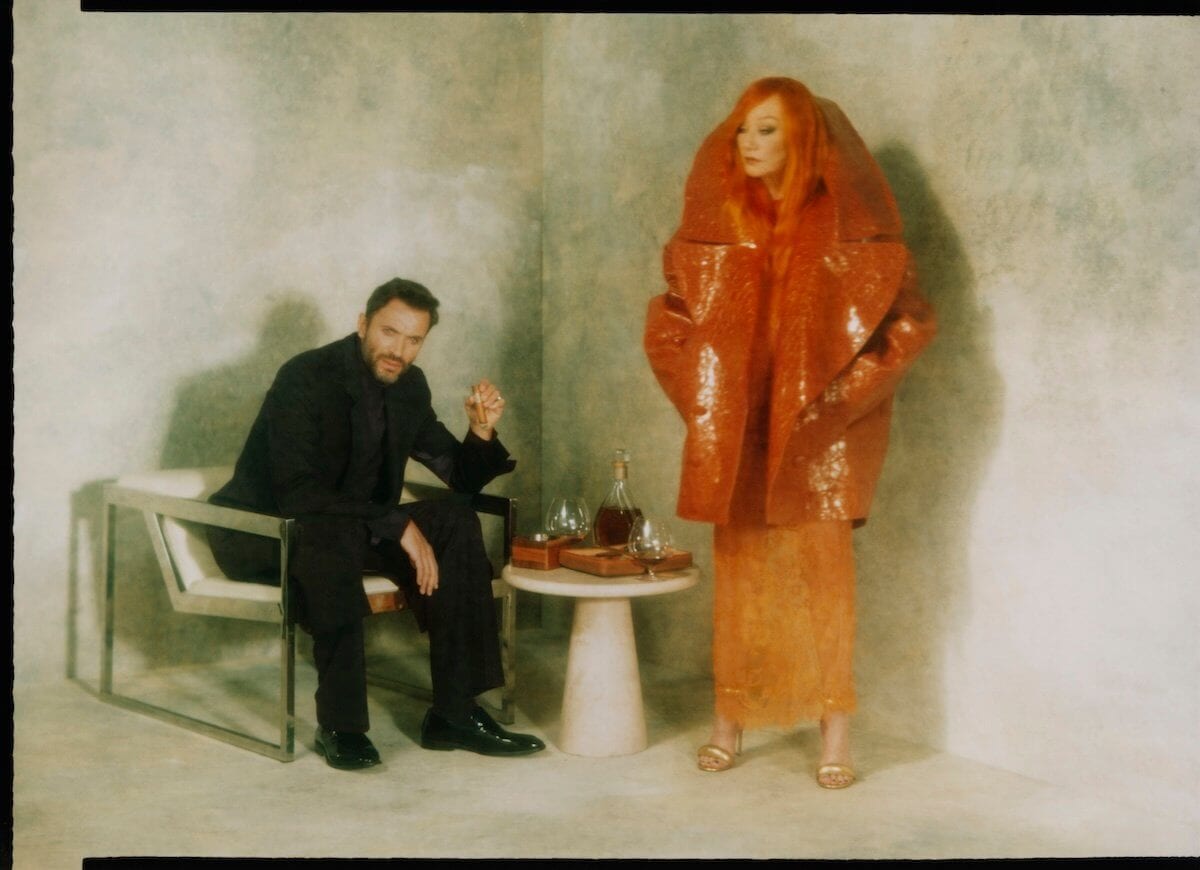
When you think of Tori Amos, you might picture a piano-playing enchantress, weaving stories from the threads of her soul. But over her storied career, she’s become so much more—a shapeshifting mythical creature, crossing between time, identity, and power with an uncanny grace. If you’ve followed her journey, you know she’s never been just one thing. She’s battled demons, both literal and metaphorical, adopting a kaleidoscope of alter-egos—from animal spirits to ancient goddesses—to articulate her stories.
Remember Strange Little Girls? Where Tori fragmented herself into twelve different women to reinterpret songs by legends like Lou Reed, Neil Young, and Slayer. Or Scarlet’s Walk, a post-9/11 road trip through a fractured America. And then there’s American Doll Posse, where she embodied Greek goddesses to critique political disillusionment. Now, eighteen albums deep, Amos unveils her latest incarnation—and it’s as fierce as a dragon.
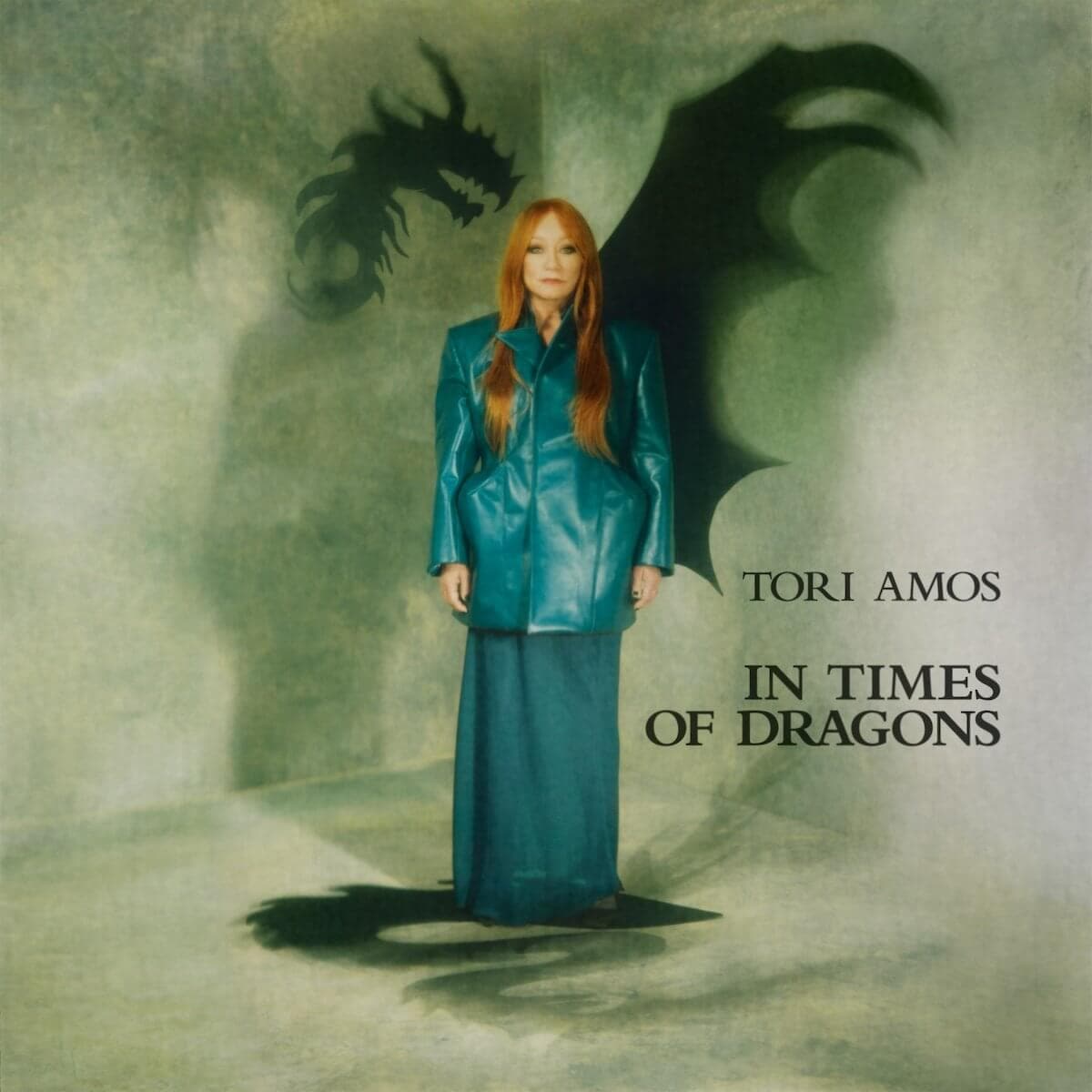
In Times of Dragons: A Mythic Fight for Democracy
In Times of Dragons might sound like an escape into fantasy, but it is grounded squarely in today’s world. It’s Amos’ response to the urgent fight to protect democracy in America. The album’s opening track, “Shush,” sets the stage with a chilling scene: a lizard demon who personifies the patriarchal billionaire archetype controlling politicians and CEOs behind the scenes. This antagonist is condescending, threatening, and utterly opposed to freedom. With lines like, “There is hierarchy / You should be pleased to serve in any capacity / I’m not asking,” the demon’s command is clear and chilling.
He scolds Amos, telling her what “those beautiful lips” are good for and calling her “Cassandra”—a nod to the cursed Greek prophetess whose warnings went ignored. It’s a powerful metaphor for being silenced or dismissed when speaking uncomfortable truths.
A Dance with the ‘Lizard Demon’ of Power
Tori Amos doesn’t shy away from confronting this dark figure head-on. In fact, she draws on a personal history here. Back in the ’90s, she admits, she flirted with the seductive allure of power—the “lizard demon” in human form.
“This might surprise you, but in the ’90s, I had options,” Amos reveals. “There can be something sexy about those guys, because power is an aphrodisiac... I could see a part of myself in the ’90s, having been seduced by that.”
The tension between seduction and resistance breathes life into In Times of Dragons. It’s not just a battle for the country, but a deeply personal saga of survival and self-reclamation.

A Journey Through Myth and Family
Amos doesn’t fight alone. Throughout In Times of Dragons, she is guided by powerful muses—from her real-life ancestors to mythic figures. One such guide is Lugh of the Long Arm, a Celtic god of light and crafts, who stands in stark contrast to the lizard demon. Lugh protects Amos during her transformation into the dragon, symbolizing strength and enlightenment.
To connect with this Irish warrior spirit, Amos enlisted the help of Noah Michelson, a medium and writer she fondly calls her “gay witch from Brooklyn.” Together, they reached out to Lugh in a spiritual “introduction” around Lughnasadh, the ancient harvest festival honoring the god.
“You may think I need to be committed for this,” Amos laughs, “but I literally reached out to Lugh through gateways from Brooklyn with Noah.”
This connection added a poetic, almost sacred dimension to the album’s creation, with Lugh encouraging Amos to always remember the “emotional aspect” of her music and the love at the heart of her fight.
Mother-Daughter Collaboration and Real Emotional Stakes
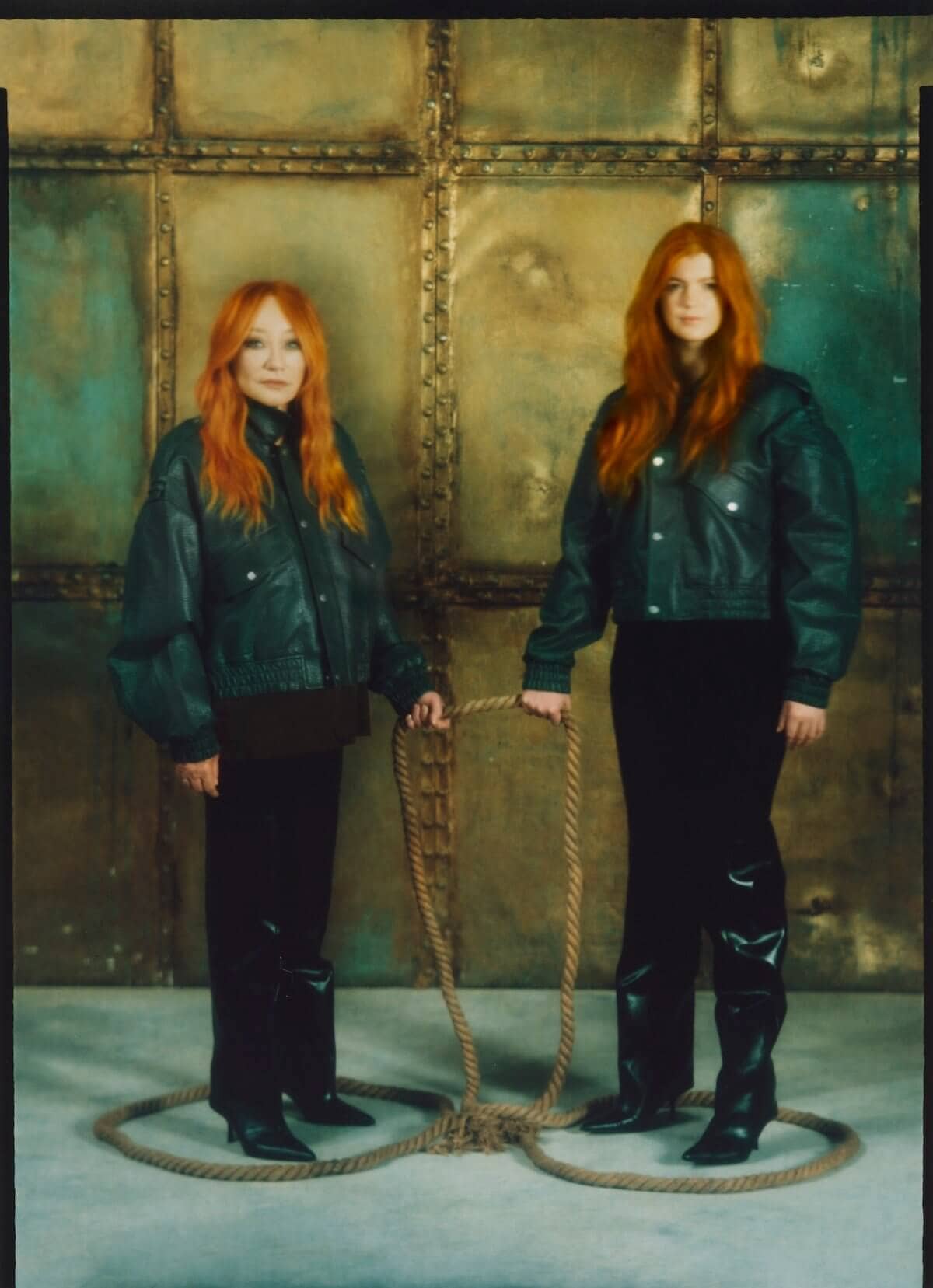
The personal is deeply political on In Times of Dragons, especially when it comes to Amos’ relationship with her daughter, Natasha “Tash” Lórien Hawley. “Strawberry Moon,” one of the album’s standout tracks, delves into their fractured connection—strained by the presence of the billionaire “lizard demon” in their lives.
Amos and Tash have collaborated musically for years, with Tash lending her vocals starting at just nine years old on Midwinter Graces and continuing through several albums. Now a law graduate in Washington, D.C., Tash brought a sharp political lens to the album, reflecting the urgency of today’s crises.
“There’s an urgency, no question, and it’s the artist’s job to energize people to have the strength and the fortitude to not fall asleep during the sun,” Amos reflects.
Their voices mingle on “Veins” and “Stronger Together,” songs that explore inherited traits and resilience—a beautiful weaving of generational strength.
Strong Women, Fierce Stories
Amos populates her story with strong female characters, real and mythical. “Fanny Faudrey,” inspired by Amos’ great-great-grandmother who lived near an apothecary, embodies the rugged determination that fuels the album’s spirit.
Then there’s “St. Teresa,” a deeply moving track inspired by Teresa of Ávila, the 16th-century nun famous for her passionate, mystical love of God and her rejection of shame and regret. Amos draws parallels between Teresa’s spiritual ecstasy and her own fiery transformation—both rejecting societal judgment about desire and love.
She also introduces the “Gasoline Girls,” a band of fierce women ready to take on any man, a nod to the powerful, protective female energy surrounding Amos.

The Southern Gothic and the Dragon Within
One unexpected twist in In Times of Dragons is its Southern Gothic flavor, especially embodied in “Shush.” Amos’ dragon transformation also mirrors her personal journey through menopause—a subject still shrouded in social taboo.
“I tell the 30-somethings, hopefully there’ll be more discoveries and better answers by the time you get there, and we’ll be talking about it,” Amos says. “We won’t need to suffer in silence, like so many women of my generation have had to do.”
This honesty adds a raw, vital dimension to the album’s mystical themes, grounding the mythic dragon in real human experience.
Observing a Fragile Democracy
Amos closes the album with “Ode to Minnesota,” a powerful call for unity amid division, echoing the protest spirit of Sam Cooke and Bob Dylan.
“Change gonna come Minnesota / Change blows in like the wind.”
While uncertain about the future of democracy, Amos feels the weight of trauma around us all.
“I observe a trauma energy. People are traumatized, and I’ve been nearly frozen, but what we need to do is propel others,” she says.
Her music becomes a beacon, urging us to rise, fight, and love fiercely—just like the dragon she has become.
The legend of Tori Amos continues to evolve, weaving together myth, family, and fierce activism. What part of her transformation resonates with you? Could we all use a little dragon fire in these times?
FAQ
- What is the central theme of In Times of Dragons?
It’s a fight to save democracy, personified through mythic characters battling power and oppression. - Who is the ‘lizard demon’ in the album?
A metaphor for patriarchal billionaires controlling political and corporate power. - How does Tori Amos incorporate mythology in her music?
She channels figures like Greek goddesses and Celtic deities, especially Lugh, to guide her storytelling and transformation. - What role does Tori’s daughter play in the album?
Natasha “Tash” Lórien Hawley co-wrote several songs and brings a sharp awareness of political fractures. - Does the album touch on personal themes?
Yes, including Amos’ experience with menopause and the complex relationship with power and family.
For fans of Tori’s evocative storytelling, why not bring a piece of her world home? Shop your favorite album cover poster at our store and celebrate the myth, the woman, and the legend every day.
 | DISCOUNTGET 30% OFF*Use code on your next order:
|
* This post may contain affiliate links, meaning we earn a commission if you make a purchase through these links, at no additional cost to you.