Judge Blocks Trump’s Attempt to Cut Federal Funding for NPR and PBS



Judge Blocks Trump’s Attempt to Cut Federal Funding for NPR and PBS
Federal funding for NPR and PBS remains protected as a judge blocks the executive order citing unconstitutional viewpoint discrimination.
A Powerful Court Decision Protects Public Broadcasting
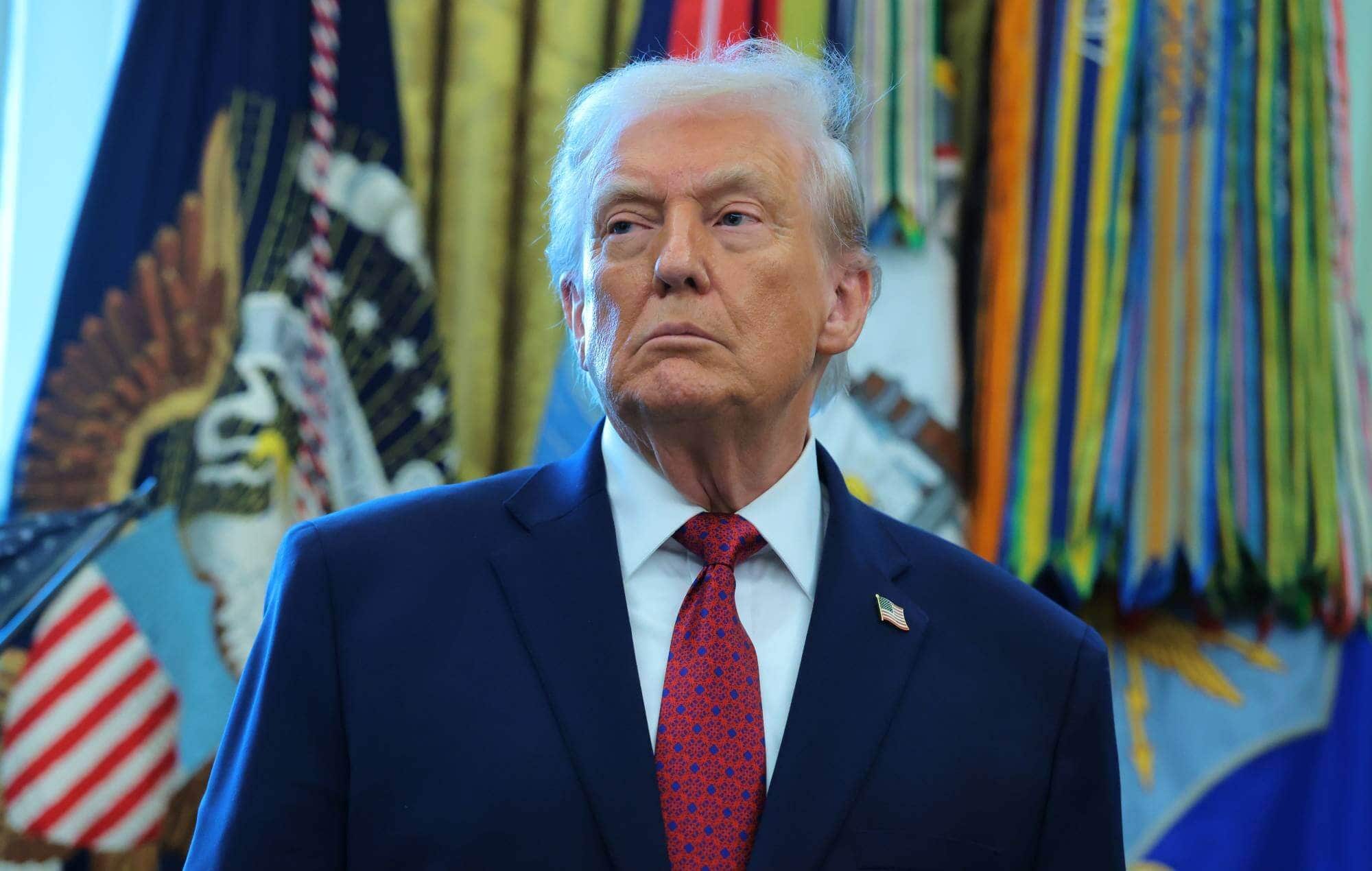
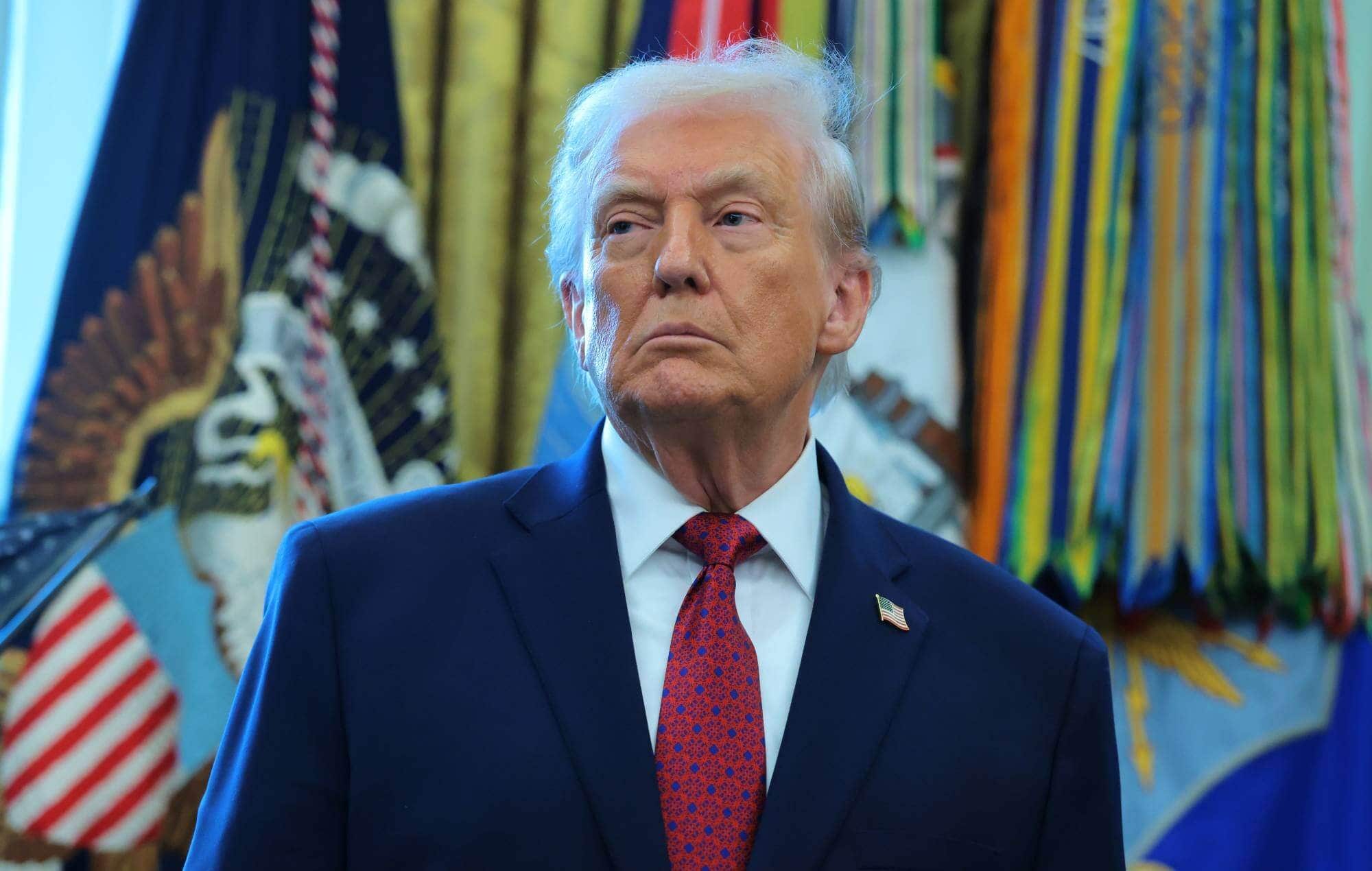
If you’ve ever enjoyed an insightful NPR story during your morning coffee or settled in for a thoughtful PBS documentary, you’ll appreciate the recent court ruling that halted an executive order aimed at stripping these outlets of their federal funding. Last year, former President Donald Trump signed an order targeting “biased media” and commanding the Corporation for Public Broadcasting (CPB) to stop funding NPR and PBS. But a US District Judge has now put a stop to that, declaring the order legally unsound.
The executive order, issued last May, explicitly instructed the CPB—which distributes federal money to these broadcasters—to “cease federal funding” due to perceived bias. Trump’s administration insisted that taxpayers deserve “fair, accurate, unbiased, and nonpartisan news coverage” if their money is going to support public media. Sounds reasonable on the surface, right? Except the problem was that the directive singled out specific media based on their editorial viewpoints, which crossed a constitutional line.
First Amendment Lines Drawn Firmly
Judge Randolph Moss was clear in his condemnation of the executive order, calling the targeting of news organizations due to their viewpoints “unlawful and unenforceable.” The ruling leaned heavily on First Amendment protections, emphasizing that government cannot discriminate based on viewpoint or retaliate against particular expressions.
“It is difficult to conceive of clearer evidence that a government action is targeted at viewpoints that the President does not like and seeks to squelch,” Moss explained. “The First Amendment draws a line, which the government may not cross, at efforts to use government power — including the power of the purse — ‘to punish or suppress disfavored expression’ by others.”
This is a huge reaffirmation of press freedom, a reminder that federal funds cannot be weaponized to silence voices just because they don’t align with those in power.
Funding Requires Neutrality, Not Favoritism
While the government isn’t obligated to fund media outlets, once a system of support is in place, it must be handled in a neutral, unbiased manner. Judge Moss underscored this, noting that the executive order’s attempt to defund NPR and PBS because of their perceived bias was a clear violation of this principle.
However, the decision doesn't magically restore funds already pulled. Congress had already cut $1.1 billion from the CPB’s budget, which means that some damage done by prior funding decisions remains in place. Still, this legal win stops future funding cuts based on viewpoint discrimination and protects public broadcasters from politically motivated financial punishment.
PBS and NPR Respond: Commitment to Trusted Journalism
PBS, famous for its educational programs and in-depth journalism, issued a statement celebrating the ruling. They emphasized their commitment to serving the American public fairly and without political bias.
“We’re thrilled with today’s decision declaring the executive order unconstitutional,” PBS said. “As we argued, and Judge Moss ruled, the executive order is textbook unconstitutional viewpoint discrimination and retaliation, in violation of longstanding First Amendment principles. At PBS, we will continue to do what we’ve always done: serve our mission to educate and inspire all Americans as the nation’s most trusted media institution.”
NPR’s ongoing struggles with funding have been in the spotlight for some time. Last November, a court settlement mandated NPR receive roughly $36 million in government funds, partly settling disputes with the CPB. Yet NPR only gets about 1% of its funding directly from the federal government, with its 1,300 member stations receiving an average of 8-10% through CPB channels. PBS, meanwhile, relies on roughly 15% of its funding from CPB, making federal support crucial, especially for rural and underserved communities.
Why This Matters: The Heart of Public Broadcasting
The public broadcasting system has always been a lifeline for quality journalism, educational content, and cultural programming—often filling gaps left by commercial broadcasters who chase ratings over substance. Cutting off funding to NPR and PBS risks silencing important voices and leaving rural or underserved communities without access to trusted media sources.
The judge’s ruling sends a strong message: public funding must support broadcasters without political strings attached. In an era where misinformation runs rampant, protecting independent, reliable media is more important than ever.
FAQ
- What did the executive order aim to do?
It sought to end federal funding for NPR and PBS, accusing them of biased reporting. - Why did the judge block the order?
The order targeted media outlets based on their editorial viewpoints, violating the First Amendment’s protection against viewpoint discrimination. - Does this ruling restore all previously cut funding?
No. While the court blocked the executive order, it cannot restore funds already cut by Congress. - How much federal funding do NPR and PBS receive?
NPR receives about 1% of its funding directly from the federal government, with member stations getting 8-10% via CPB. PBS relies on roughly 15% of its funding from CPB. - Why is this funding important?
It supports educational and unbiased programming, particularly benefiting rural and underserved communities lacking commercial media options.
Thinking about how much you love your favorite NPR or PBS program? Celebrate their dedication to quality content by shopping your favorite album cover poster at our store. Brighten up your space with iconic visuals that echo the spirit of trusted storytelling. Explore the collection here: Architeg Prints.
 | DISCOUNTGET 30% OFF*Use code on your next order:
|
* This post may contain affiliate links, meaning we earn a commission if you make a purchase through these links, at no additional cost to you.