Julian Schnabel on “In the Hand of Dante,” Reclaiming His Film, and Art as Life

Julian Schnabel on “In the Hand of Dante,” Reclaiming His Film, and Art as Life
Julian Schnabel opens up about his film “In the Hand of Dante,” blending art and life in his signature grand style.
A Portrait of Julian Schnabel: Where Art Meets Life
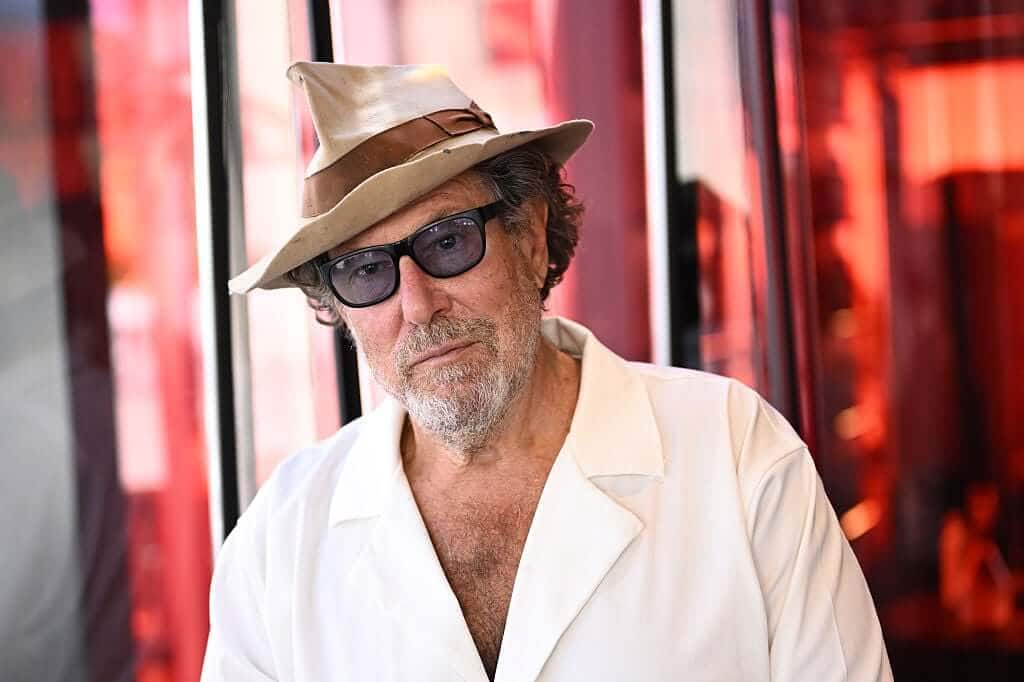
Julian Schnabel is no ordinary artist. Imagine a towering figure, both literally and figuratively, living in an impressive 12-story palazzo in New York’s West Village—Palazzo Chupi—and creating art that is as monumental as his surroundings. His paintings are massive, often composed of broken plates, and his films carry a similarly operatic, lushly detailed feel. I had the privilege to witness this firsthand, walking through his studio as he spoke softly but with undeniable passion about his work.
From his breakthrough plate paintings of the 1980s, which helped define the neo-expressionist movement, to his latest cinematic endeavor In the Hand of Dante, Schnabel’s creativity never seems to rest. The film first premiered at the Sarasota Film Festival in mid-April and had been making rounds on the festival circuit late last year, marking another bold step in Schnabel’s artistic journey.
In the Footsteps of Dante and Nick Tosches
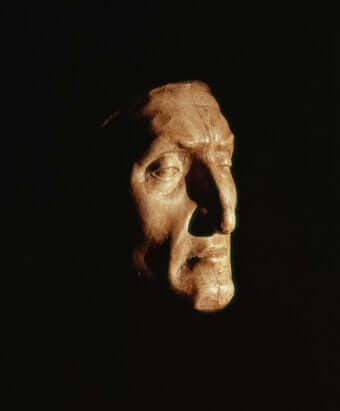
The film In the Hand of Dante dives deep into the worlds of two fascinating but very different men: Dante Alighieri, the legendary 14th-century Italian poet behind the Divine Comedy, and Nick Tosches, the New Jersey-born author whose novel inspired the movie. Tosches himself was a complex figure—a writer with a knack for lyrical, erudite prose, who mingled with real gangsters and troublemakers, a far cry from Dante’s piety.
Schnabel muses aloud: “Why couldn’t these two men—Dante and Tosches—centuries apart, lead parallel lives?” In the film, these figures become intertwined, their stories overlapping in a meta-metaphysical world that bends time and identity.
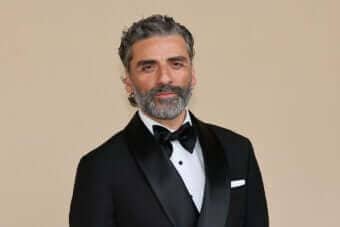
This blending of timelines and personas is no accident. Schnabel’s film features Oscar Isaac as both Dante and Tosches, underscoring the notion that these two distinct men might actually be reflections of one another across time.
Art Inspired by the Mountain Fortress
Helping move one of Schnabel’s striking paintings, The Nine Skies and the Mountain Fortress IV (2023), I felt a tangible connection between his art and his film. The painting, an immense oil and bleach work on velvet, mirrors the film’s opening sequence where Dante ascends treacherous steps to a mountain fortress under stormy skies—a symbol of determination against daunting odds.
Schnabel explains the layered visual presence of the fortress in his painting and film: “There is an outline impregnating the surface. Things happen through it as well as on top of it... In the film, when they see this image from a distance, it’s fuzzy. So is it real or an illusion?” This is the essence of Schnabel’s work—blurring reality and myth, past and present.
Characters of Depth and Contradiction
The film’s Nick Tosches is far from the scholarly Dante. He’s a writer-turned-detective forced into dangerous action, pushed to the edge by his love for a woman who might have been part of his life since the 13th century. In Schnabel’s universe, time folds, and love, art, and beauty compel men across centuries to rise and act, no matter the odds.
Schnabel brings to life a world where gangster threats collide with literary treasures, Vatican intrigue, and cosmic questions. Gal Gadot plays two characters—one in the present day, one in the distant past—adding layers to this rich tapestry.
“Why couldn’t Nick be a reincarnation of Dante?” Schnabel muses. It’s a question that perfectly encapsulates the film’s blend of myth, history, and imagination.
The Artist’s Journey: From Painting to Film
Schnabel sees his films and paintings as “time maps,” vehicles that transcend death and transform both artist and audience. His debut feature Basquiat (1996) remains a touchstone—an intimate, close-up portrayal of his friend and fellow artist Jean-Michel Basquiat, capturing the energy of the New York art scene from which both men sprang.
His cinematic works consistently explore artists confronting their realities:
- Before Night Falls (2000): The life of poet-playwright Reinaldo Arenas amid Cuba’s oppression.
- The Diving Bell and the Butterfly (2007): The journalist Jean-Dominique Bauby’s post-stroke world.
- Miral (2010): A Palestinian girl’s journey through political turmoil.
- At Eternity’s Gate (2018): Van Gogh’s final, tormented years.
- Lou Reed’s Berlin (2007): A concert film that delves into the raw emotion of the poet-rocker’s work.
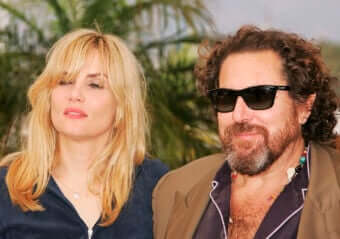
Schnabel believes film is a means to escape the mundanity of everyday life: “There has to be more than making money, going to work, eating, having sex, going to sleep and starting that process over again.”
Liquid Imagery and Artistic Transformation
Water imagery runs like a thread through much of Schnabel’s work—from the crashing waves in Basquiat to the oceanic scenes in Dante where Gadot’s character is engulfed by the sea. This motif reflects Schnabel’s origins as a neo-expressionist who painted with plates and adornments like surfboards, conveying chaos and beauty in equal measure.
“Art has a way of transforming your reality,” he says. It’s this transformative power that drives him to create, whether on canvas or on film.
Reclaiming “In the Hand of Dante”
The path to releasing In the Hand of Dante was fraught. Initially, producers demanded heavy cuts that threatened to dilute Schnabel’s vision. “That was traumatic, seeing somebody trying to take my art away,” he reveals with a trace of bitterness.
Fortunately, Netflix stepped in as the film’s new home, with leadership sympathetic to Schnabel’s artful intentions. He trusts that the platform will give Dante the exposure and respect it deserves, including a push for awards recognition.
An Artist Unbound by Expectation
Schnabel’s outlook on art has never been about commercial success or conforming to audience expectations. “I made the thing whatever I wanted it to be. I never tried to think about what other people might have wanted it to be,” he declares with a laugh.
For him, there’s no real separation between life and art. They are intertwined, a communion between creator and audience that demands active participation.
“There’s a scene in Dante where Oscar [as Dante] speaks to Scorsese’s Isaiah—his mentor—and Marty’s elder says to Dante, ‘You have lifted the veil on the inexpressible. You have entered the sigh. You have become the poem.’ That, to me, is the intention of the artist, to become the thing that they believe in.” — Julian Schnabel
FAQ
- What is the premise of In the Hand of Dante?
It’s a film that intertwines the lives of Dante Alighieri, the 14th-century poet, and Nick Tosches, a contemporary novelist, blurring timelines and identities through a metaphysical narrative. - Who stars in In the Hand of Dante?
Oscar Isaac plays both Dante and Tosches, with Gal Gadot portraying two characters linked to different eras. - What themes does Julian Schnabel explore in his films?
Schnabel often focuses on artists, creative struggle, and the transcendent power of art to confront mortality and transform both maker and audience. - How does Schnabel’s painting style influence his filmmaking?
His films share a tactile, layered quality reminiscent of his plate paintings, emphasizing texture, scale, and dramatic intensity. - Why was Netflix important for the release of In the Hand of Dante?
After conflicts with producers over edits, Netflix provided Schnabel control and support to present the film as intended, aiming for a theatrical release and awards consideration.
Feel inspired by Schnabel’s fusion of art and life? You can bring home a piece of this creative spirit by shopping your favorite album cover poster at our store here. It’s a tasteful way to make your space sing with artistic energy.
 | DISCOUNTGET 30% OFF*Use code on your next order:
|
* This post may contain affiliate links, meaning we earn a commission if you make a purchase through these links, at no additional cost to you.