Two Powerful Ways to Revive a 25-Year-Old Album’s Magic



Two Powerful Ways to Revive a 25-Year-Old Album’s Magic
Explore how iconic albums can be reborn through immersive experiences and unforgettable live shows that bring catalogs back to life.
Breathing New Life Into Classic Albums
It’s been a little while since I last shared my thoughts, but don’t mistake that for downtime. Behind the scenes, my team and I have been deep in transformation mode. Beats x Bytes is evolving — fresh logo, revamped website, a brand-new platform — and hopefully, a sharper vision to match it all. I’m excited to roll this out and would love to hear your take.
But today, I want to talk about something that’s been buzzing in my mind: the art of reviving classic albums and what the future holds for legendary catalogs.
The Living Catalog: More Than Just Old Music
In my last deep dive, The Halftime Report, I mapped out where I see the music industry heading and the massive untapped potential lying within artist catalogs. Since then, I’ve been chewing on these ideas, refining them, and dreaming bigger.
Catalogs are the bedrock of streaming revenue — roughly 65%, in fact. But it’s not just about owning the music rights. What really fires me up is the concept of the Living Catalog: transforming timeless music from something static, gathering dust on a shelf, into something vibrant and ongoing, continuously creating value.
Here’s a mental picture I keep spinning: imagine if someone took The Beatles’ White Album, Sgt. Pepper’s Lonely Hearts Club Band, every jot John Lennon ever scribbled during that crazy, creative time, George Martin’s original session tapes, Klaus Voormann’s art sketches, unreleased demos, handwritten lyrics, and studio photos — and instead of locking it away behind glass in a museum or turning it into another documentary, they built an immersive world you could actually step inside.
Sound far-fetched? It’s not. Just not for the Beatles… yet.
A Weekend of Two Legendary Catalogs
One weekend in July, I got a rare double dose of musical resurrection, experiencing two very different ways to bring a 25-year-old album back to life.
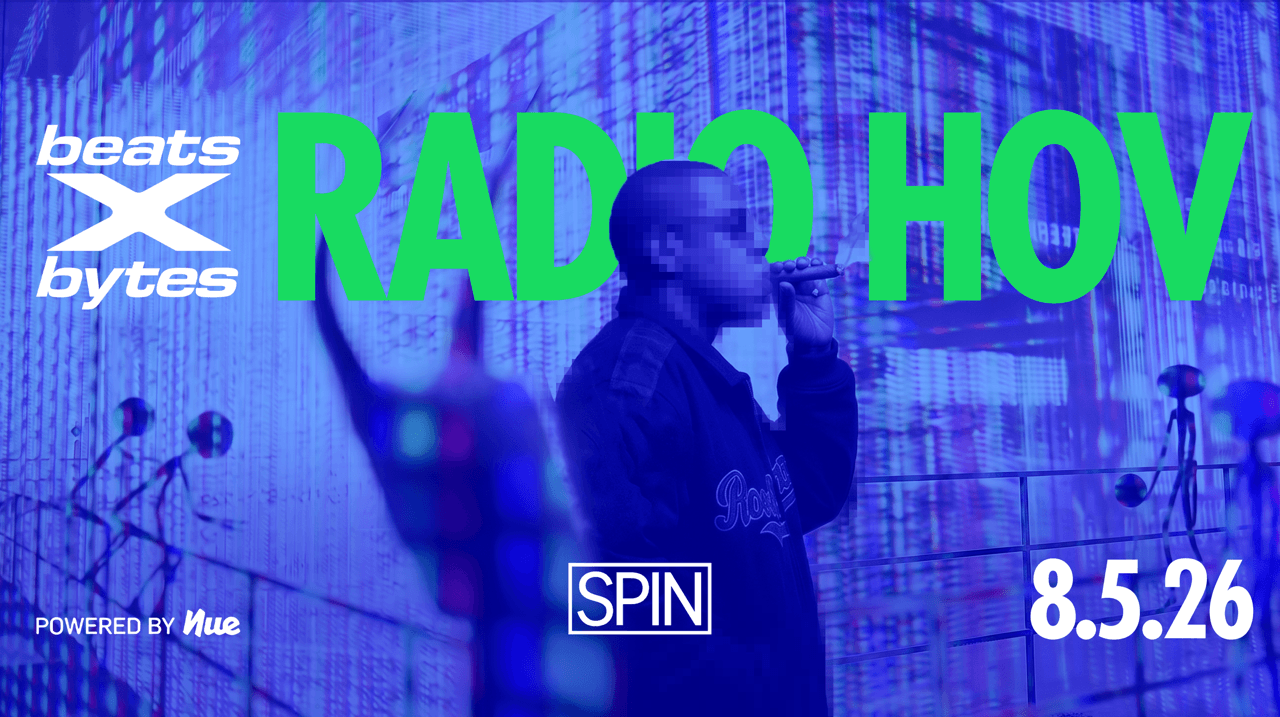
First up: Jay-Z’s The Blueprint concert at Yankee Stadium.
The Blueprint wasn’t just any album. It was the game-changer that catapulted Jay-Z from a top-tier rapper to a cultural icon, setting the foundation for decades of dominance.
From Roc-A-Fella to Roc Nation, from “$40 Million Dollar Boy” to a $4 billion empire, Jay-Z’s evolution is a story of transformation itself.
The show? Absolutely electric. With surprise guests like Eminem, Pharrell, and Slick Rick, the stadium brimmed with energy as the largest crowd in Yankee Stadium history belted out every lyric—not a voice off-key in the sea of fans.
That night was pure nostalgia in its finest form — no new tracks, just a joyous celebration of an artist, an era, and a moment that had the entire city buzzing for days. Merchandise pop-ups across Brooklyn, Manhattan, and the Bronx had lines stretching down the block, proof of the event’s magnetic pull.
The production was flawless, perfectly tuned to amplify Jay’s strengths and legacy.
The Next Day: Walking Into Radiohead’s Mind
The very next day, I found myself tucked away in a low-key Brooklyn warehouse, attending the final weekend of Radiohead’s Kid A Mnesia exhibition and film screening.
I was utterly blown away.
When Thom Yorke, Stanley Donwood, and producer Nigel Godrich set out to create this experience, they laid down one golden rule: No new art.
Everything had to be drawn from the Kid A/Amnesiac era — from paintings and drawings to notebooks, lyrics, unfinished sketches, multitrack recordings, characters, and ideas.
But the magic was not in the raw materials. It was in how they reimagined them — the architecture, the editing, the pacing, the surreal spaces, the spatial audio, and overall atmosphere.
They didn’t just replay the albums. They dismantled them, exploded them open, and rebuilt something entirely new — a labyrinthine museum of their creativity from 1999 to 2001.
Every box was opened: sketchbooks, lyric drafts, paintings, tape reels, alternate mixes, typography experiments, even fax sheets.
And the question they posed was simple yet profound: What if we built the museum we always dreamed of back then?
A Museum of the Mind, Not the Musician
That’s why the Kid A Mnesia exhibition felt so cohesive and immersive. It wasn’t a traditional retrospective filled with giant photos, interviews, or timelines. Radiohead didn’t build a museum about themselves. Instead, they built a museum about their consciousness.
The film starts in nature, flowing like poetry, evoking ideas rather than nostalgia.
I left the experience pondering its rich symbolism for days afterward:
“Your mind is not a library. It’s a forest. Thoughts drift through it like leaves. Some catch your attention. Some disappear forever. Some return years later and become the most important work of your life.”
— Jesse K.
Why Reviving Catalogs Matters Today
This, to me, is where the future lies: not simply dusting off old music for another reissue or anniversary vinyl drop (though those have their place too). It’s about asking, How can timeless art grow and evolve into entirely new experiences?
While I’m always eager for what’s next, there’s an undeniable power in nostalgia, which tends to peak between 20 and 30 years after something releases — when memories start shifting into mythology.
The challenge, and the opportunity, is not to look backward but to find creative ways to make legendary work feel alive again.
Whether that’s a jaw-dropping stadium concert, a walkable immersive dream, or something else entirely, the only limits are imagination and the hard work required to breathe new life into the familiar.
What Album Deserves a Fresh Take?
So here’s a question for you: if you could pick one iconic catalog that deserves a Kid A Mnesia style treatment — an immersive, mind-bending experience instead of just another reissue — which album would you choose?
Hit reply and share your thoughts!
P.S. This newsletter is now coming to you from a new home on Beehiiv. If you notice anything off or want the newsletter somewhere else, just let me know — I’m all ears.
Musically yours,
Jesse K.
FAQ
- What is a Living Catalog?
A Living Catalog refers to finding innovative ways to make classic music catalogs continuously valuable and engaging, beyond just selling or streaming the original tracks. - Why is nostalgia important for music catalogs?
Nostalgia peaks roughly 20-30 years post-release, turning memories into mythology, which creates ripe opportunities to reintroduce music in fresh, compelling ways. - How did Jay-Z’s The Blueprint concert bring his catalog to life?
Through a flawless live performance that celebrated the era with surprise guests and an electric crowd, the concert transformed the album into a shared cultural moment. - What’s unique about Radiohead’s Kid A Mnesia exhibition?
Instead of a typical retrospective, the exhibition exploded their work into an immersive, architectural experience that captures their creative process and consciousness. - How can artists use catalogs creatively?
By reimagining classic material through immersive experiences, innovative exhibitions, or live shows, artists can make their work feel new and relevant for today’s audiences.
Looking for a way to celebrate your favorite albums every day? Shop stunning album cover posters that capture the spirit of classic records at our store Architeg Prints. Perfect for any music lover’s space!
 | DISCOUNTGET 30% OFF*Use code on your next order:
|
* This post may contain affiliate links, meaning we earn a commission if you make a purchase through these links, at no additional cost to you.