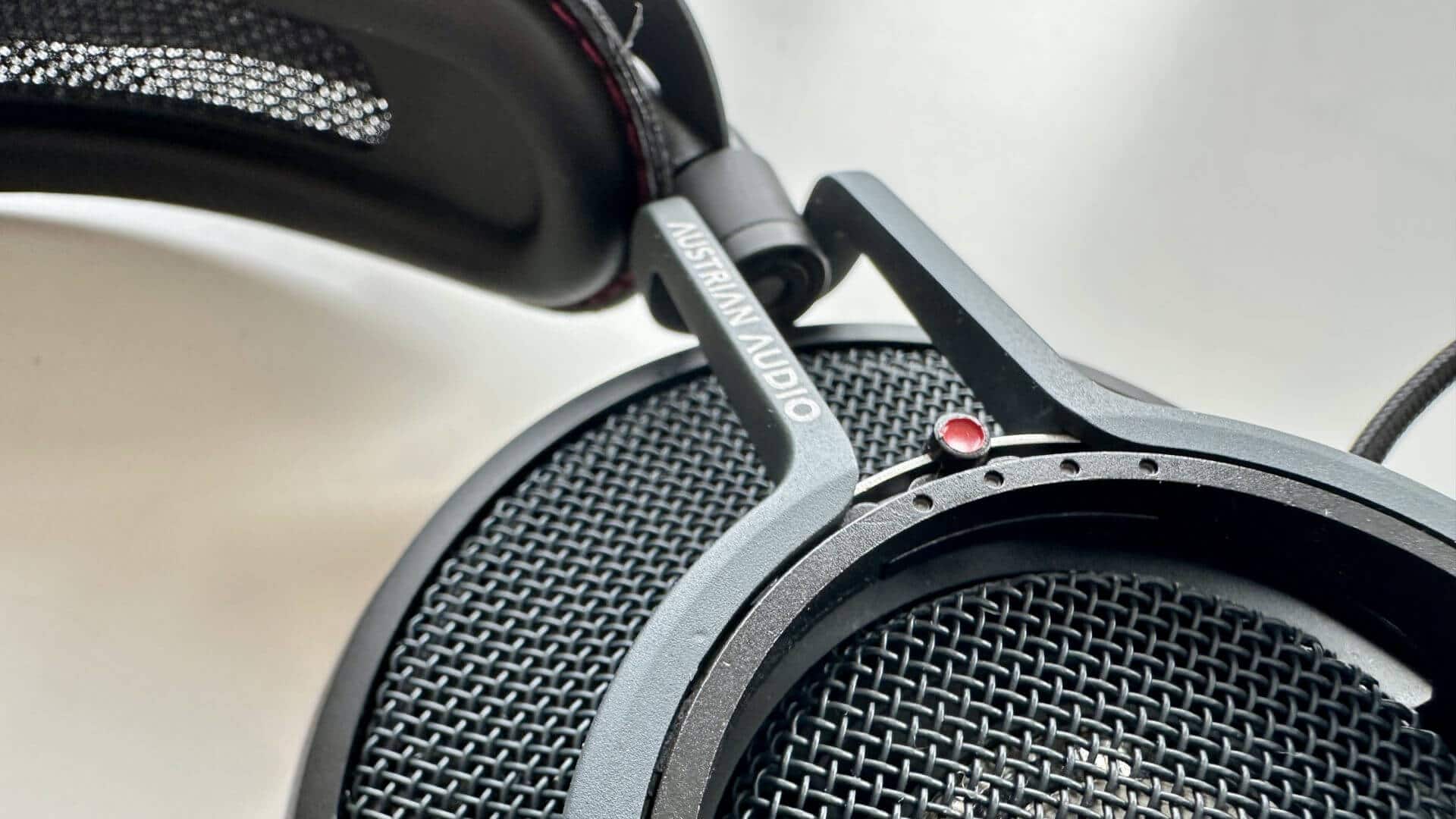
Juzear Harrier Headphones Review: A Hit Among Most Audiophiles



Juzear Harrier Headphones Review: A Hit Among Most Audiophiles
Explore why the Juzear Harrier headphones are winning hearts with their balanced sound and thoughtful design in today’s IEM market.
A New Chapter in In-Ear Monitors
Jumping into the world of in-ear monitors (IEMs) can be as thrilling as discovering a hidden musical gem. The Juzear Harrier headphones, fresh on the scene, is making waves for three compelling reasons. First, they symbolize the rising dominance of Chinese Hi-Fi (Chi-Fi) brands in the IEM market this year. Second, they’re a fascinating collaboration between Juzear and leading IEM reviewer Mark Ryan, who crafted the Harrier’s sound profile using his extensive database of frequency response charts. And third, their sound is mathematically proven to appeal to the vast majority of audiophiles—well, at least in theory.
Priced at about $330, the Harrier doesn't compete with budget audiophile headphones but stakes a strong claim in the mid-tier market, offering a unique sound profile designed to delight a particular kind of listener.
Juzear Harrier: Tech Specs at a Glance
- Drivers: 1 dynamic + 6 balanced armature + 2 micro planar drivers
- Faceplate: Stunning blue Tiger's Eye stone
- Cable: Modular 1.2-meter cable with 3.5mm and 4.4mm connectors
- Impedance: 32 Ohms
- Sensitivity: 112 dB
- Frequency Range: 20 Hz – 20 kHz
- Weight: 7.1 grams each
Chi-Fi’s Bold Statement
About a decade ago, Chinese brands like Moondrop, ThieAudio, and Linsoul Audio began aggressively entering the Western IEM market, offering multi-driver earphones at prices significantly lower than western counterparts. Juzear continues this tradition with the Harrier, packing a whopping nine drivers into each earphone for the price of roughly $330. Not just a technical feat, these earphones boast elegant faceplates made from real "Falcon’s Eye" stone embedded in resin bodies printed via 3D technology. A similar setup from Western brands would have set you back well over $1,400!
Availability and Usage Notes
While predominantly available through international platforms like AliExpress, where official stores and major distributors operate, grabbing the Harrier locally can be tricky since it’s a niche Chi-Fi offering. The standard 3.5mm and balanced 4.4mm connectors ensure compatibility with a broad range of players, DACs, and smartphones. The modular cable design is a blessing, allowing easy swapping without extra adapters.
Do keep in mind the warranty situation: any defects may require sending the earphones back internationally for repair, as local service centers don’t currently exist.
What Sound Does Juzear Harrier Strive For?

Mark Ryan, the mastermind behind an acclaimed audiophile YouTube channel and the Squiglink frequency response database, tailored the Harrier’s sound. He leaned heavily on the In-Ear Fidelity Neutral (IEF) curve developed by the respected Crinacle, with an added bass boost. While IEF’s neutrality lacks the scientific backing of the Harman curve—widely accepted in the industry—many audiophiles, including Mark himself, swear by it. What this means is, Harrier’s sound isn’t necessarily aimed at mass market tastes but rather at those who cherish a natural, balanced listening experience.
Juzear Harrier's Sound Profile



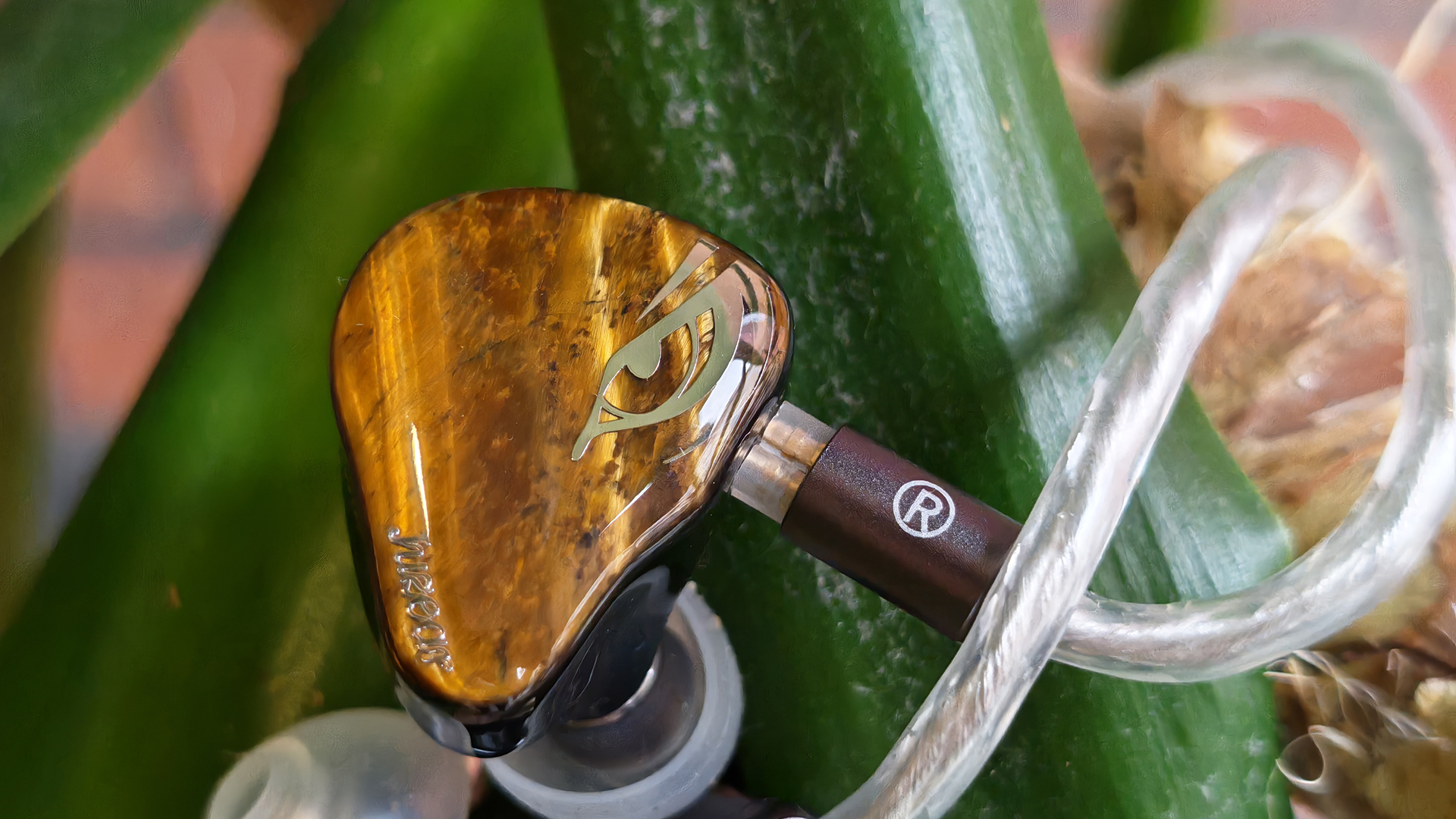
Overall, the sound is a pleasant blend of powerful bass and impressively clear high frequencies. However, it rarely sparked that pure joy-struck grin you might hope for when buying audiophile gear. The sonic signature matches the headphones’ sober yet elegant look: solid and refined, but without wild sonic fireworks.
Bass That Holds Its Ground
The Harrier aims for a Crinacle-style neutral sound but with a bass lift. The mid-bass is confident and backed by a deep sub-bass, without overshadowing the slightly emphasized midrange. On well-produced tracks like Donald Fagen’s Morph the Cat, the bass is textured, never muddy. On bass-heavy tunes like Erykah Badu’s Other Side of the Game, the bass flirts with overwhelming but stays just on the edge of distraction. It’s not exaggerated but definitely dominant. This bass emphasis lends the mids some warmth but doesn’t drown them out, a rare feat in bass-boosted IEMs.
Midrange That Stays True
Male and female vocals shine vividly in the mix. Despite the bass boost, the mids hold their ground—no muffling or masking here. Instruments like horns, vocals, guitars, pianos, and snare drums all have clear, realistic placement. Nothing feels pushed forward or pushed back; each element has its rightful place in the soundstage.
Highs: Detailed but Gentle
The highs are where the Harrier truly shines. Mark Ryan reportedly spent the most time tweaking the treble, and it shows. Unlike many IEMs where sparkling highs come with sharpness that tires the ears, Harrier keeps them detailed but smooth. The high-frequency range from 7 to 11 kHz dips below the Harman target curve, avoiding piercing peaks yet delivering exquisite clarity.
On bright tracks like Michael Jackson’s Billie Jean or Grateful Dead’s Unbroken Chain, harshness is tamed but never dulled. It’s almost magical how these headphones preserve detail without fatigue.
Detail and Soundstage
Detail often rides on the highs, and Harrier delivers it without aggression. Unlike models that rely on aggressive 8 kHz peaks to "fake" detail, Harrier’s nine-driver setup gives clarity and spaciousness naturally—even in dense musical passages. If you crave hyper-detailed sound with pronounced highs, though, you might want to look elsewhere.
Comfort, Build Quality & Accessories
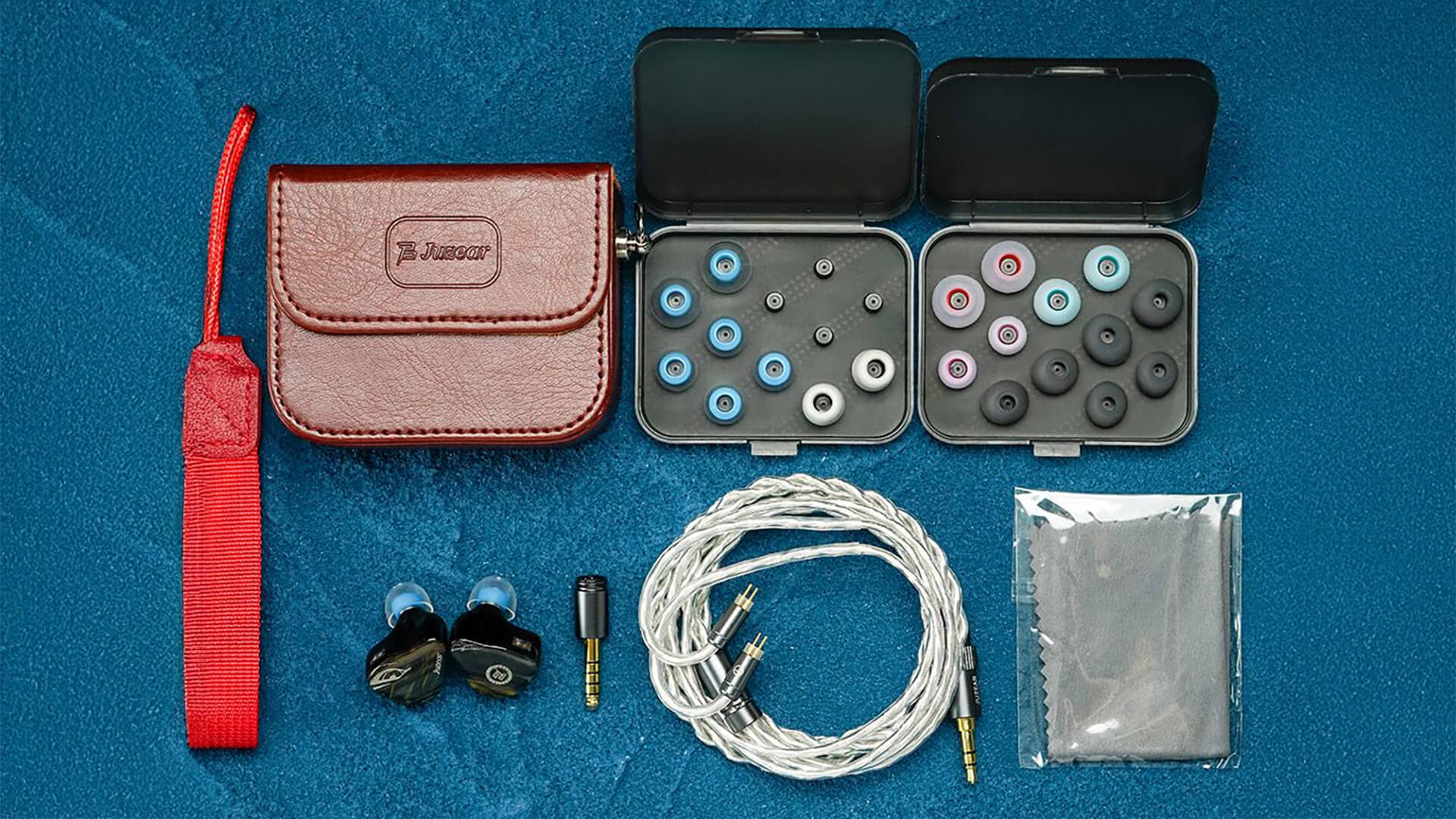
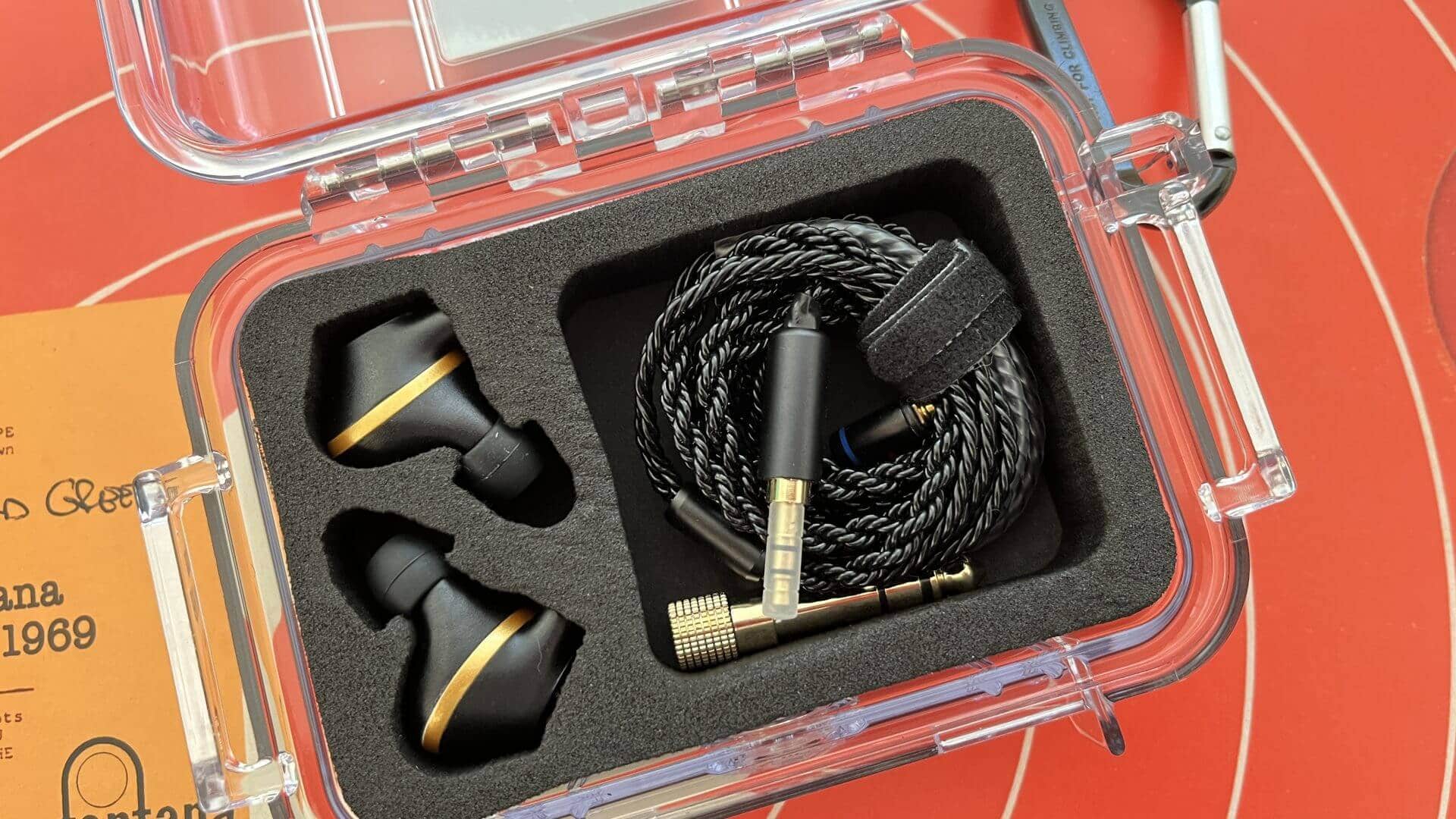
The package is impressively comfortable and well-rounded, thanks largely to an exceptional selection of eartips—15 pairs in total! You get eight pairs of liquid silicone, four regular silicone, and three wide-bore tips. Seriously, this level of choice should be the standard in this price bracket.
The included cable is a joy: not sticky, soft to the touch, flexible without memory effect, and a tasteful white-silver color. Its modular design lets you swap between the 3.5mm and balanced 4.4mm plugs depending on your source.
The earphone bodies are lightweight resin pieces printed on a 3D printer, weighing just 7.1 grams each. Once I found the right tips for my larger ears, they felt comfortable for hours on end. Sure, there are smaller models—like the Ziigaat Horizon headphones at 4.8 grams—but the Harrier is no slouch when it comes to wearability.
Pricing, Value, and Competition

It’s frustrating when you really like a product like the Harrier but feel compelled to dock points due to factors beyond sound quality. Sonically, I’d confidently give it a solid 4 out of 5—a versatile performer that excels in the high-frequency department.
However, at $330, it feels slightly overpriced, especially considering the impressive leaps Chi-Fi has made over the past decade. Nowadays, you can find excellent IEMs that suit any preference at better price-to-performance ratios.
The Harrier is a great fit if you want subtle, detailed highs that won’t fatigue your ears, but only for a niche group of listeners. Alternatives worth considering include:
- Ziigaat Horizon headphones: Packs punchier bass, similarly rich mids, and brighter highs. Priced similarly at around $330, it offers a more vibrant listening experience and has been a favorite of Mark Ryan’s in 2025.
- Kiwi Ears KE4 headphones: About $200, these offer a neutral, balanced profile with a strong midrange and softer highs. They even include a bass switch, though less pronounced than Harrier’s bass boost. A solid value pick.
Should You Buy the Juzear Harrier?
Is the Harrier’s “safe” sound profile appealing? Maybe not irresistibly so, but it’s certainly compelling.
If you crave explosive, jaw-dropping sound, these might not be your go-to. But if elegance, balance, and long-listening comfort are your priorities, Harrier could be a stellar choice. They’re mature, refined, and avoid the sonic pyrotechnics some other models flaunt. For those who are sensitive to treble or have struggled with headphone fatigue, Harrier offers a welcome refuge.
No matter what you play through them, the sound quality is impressive—often better than many competitors in the same price range.
Personally, the longer I used Harrier, the more I appreciated them. But as a reviewer not spending my own money, I’d probably pass on buying them outright. They’re good—almost great—but there are simply other models offering better value for the same or less money. My rating: 3.5 out of 5 (7/10).
Still, if you’re treble-sensitive or just adore finely tuned highs, the Juzear Harrier headphones deserves a serious listen.
“The sound corresponds to the appearance of the headphones: solid, restrained, and elegant, but it does not guarantee unrestrained fun.” – Mark Ryan
FAQ
- What makes Juzear Harrier unique in the IEM market?
They combine nine drivers with a sound profile crafted by a top reviewer, delivering detailed highs without listening fatigue. - Are these headphones comfortable for long listening sessions?
Yes, with 15 pairs of eartips and lightweight resin bodies, they offer excellent comfort for extended use. - Can I use the Harrier with my smartphone?
Absolutely, the modular cable supports both 3.5mm and balanced 4.4mm connections, compatible with most devices. - Do they have strong bass?
They feature a bass boost but keep it controlled, avoiding muddiness while adding warmth and energy. - How do they compare to other Chi-Fi IEMs?
They’re slightly pricier but offer a refined, balanced sound tailored for audiophiles who prefer subtlety over punchy excitement.
Feel inspired to adorn your space with music and style? Shop your favorite album cover posters at our store—a perfect complement to your listening sanctuary.
 | DISCOUNTGET 30% OFF*Use code on your next order:
|
* This post may contain affiliate links, meaning we earn a commission if you make a purchase through these links, at no additional cost to you.