Moth Club Saved After Two-Year Hackney Planning Battle


Moth Club Saved After Two-Year Hackney Planning Battle
Moth Club has been saved after Hackney Council rejected a second nearby development application, ending a tense fight for the beloved London venue.
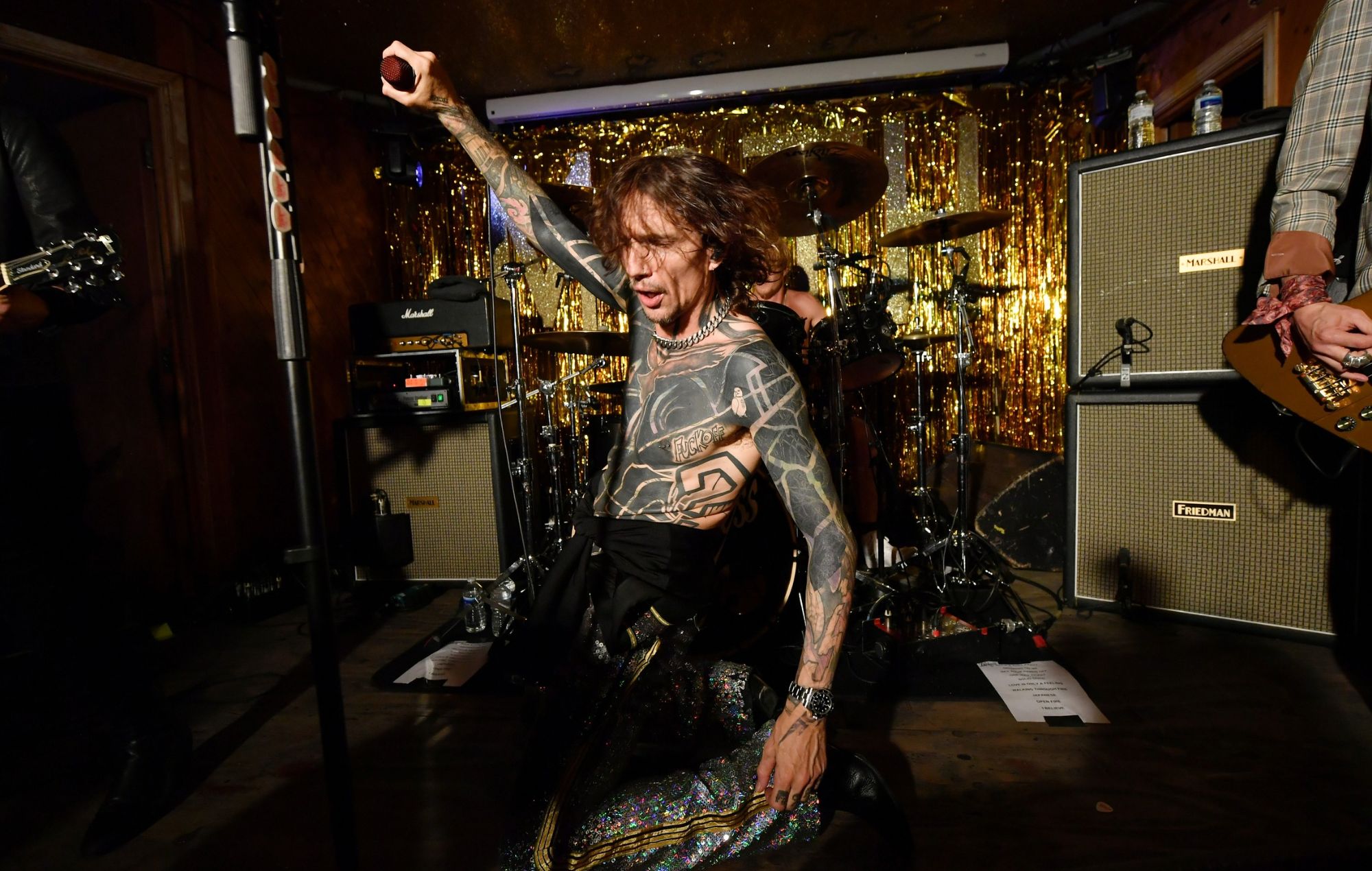
The lights can stay on, the amps can keep humming, and the little booths at London’s Moth Club will not be disappearing anytime soon. After more than two years of uncertainty, the iconic Hackney venue has confirmed that it is “out of the woods” and will remain open.
Moth Club’s Long Fight to Stay Open
The good news follows a drawn-out planning battle that first threatened the venue in 2024. At the time, Moth Club’s owners appealed to local residents for support in opposing a proposed development that they warned could “pose a serious threat” to the future of the venue.
The concern was not simply about construction next door. New residential properties could have brought more neighbours into close proximity with a busy live music space, increasing the possibility of noise complaints. For a grassroots venue, that kind of complaint can become a slow-moving wrecking ball: one notice, one hearing, and suddenly a room that has nurtured live music for decades is fighting for its existence.
The pressure grew when a second set of planning applications for nearby flats was submitted. The local council would need to reject both proposals for Moth Club to feel genuinely secure. Until then, the venue remained caught in that uncomfortable space between business as usual and preparing for the worst.
By December 2025, Hackney Council had received more than 27,000 emails objecting to the development. That response showed just how deeply the venue had become woven into the local community and the wider live music scene.
One Application Rejected, but the Fight Continued
There was a major breakthrough in March 2026, when one of the planning applications was rejected. Moth Club described the decision as a “huge win,” but the owners also made clear that the campaign was not finished.
The second application was still active, and its approval could have had a devastating impact on the venue. So, while one door had closed, another remained stubbornly ajar. Fans, local residents, artists and music organisations continued to rally behind the Hackney institution.
That persistence has now paid off.
Hackney Council has rejected the second planning application next to Moth Club, allowing the venue to continue operating without the immediate threat of closure. For anyone who has ever squeezed into a packed small venue, watched a band play inches from the crowd, or found themselves singing along beside a stranger by the bar, this is the sort of news that deserves a very loud cheer.
“We’ve Done It!”: Moth Club Celebrates the Decision
The venue’s owners shared the news with unmistakable excitement:
“We got some great news this morning! WE’VE DONE IT! The second planning application next to the venue has been refused now too. This is the news we’ve all been waiting for.”
They thanked everyone who supported the campaign, spread the word, signed the petition and continued attending events at the venue. Their message made clear that the result was not the work of one organisation or one small group of campaigners. It was a collective effort built from thousands of emails, conversations, signatures and nights spent showing up.
The owners also offered special thanks to Hackney Mayor Zoë Garbett and her team, as well as the Hackney Green Party, for “standing with us and pushing on forward at a pivotal stage.”
They also recognised the 35,000 people who signed the petition. That figure is more than a number on a campaign page; it represents a huge chorus of people insisting that live music spaces deserve room to exist in modern cities.
A Victory for the Wider Grassroots Music Scene
The celebration extended beyond Moth Club itself. The owners thanked Hackney Nights, Save Our Scene, the Night Time Industries Association and the Music Venue Trust for their support throughout the campaign.
They also paid tribute to everyone who fights for nightlife and independent music spaces every day. Their statement promised that the venue would mark the result with “the greatest party Moth has ever witnessed,” which sounds like exactly the kind of wonderfully chaotic celebration this story calls for.
Still, the owners were careful to underline the broader meaning of the campaign:
“Remember, this was never just about Moth Club. It’s about every space like ours, in every town and city on the planet. If we can do it here, we can do it anywhere. We got there, and we plan to stay here.”
That point matters. Moth Club’s planning battle reflects a wider problem for grassroots venues. These spaces often sit at the heart of a city’s cultural life, yet they can be vulnerable when residential developments appear nearby. The venue may have been there first, but that does not always prevent later complaints from placing its future at risk.
Why Moth Club Means So Much to Musicians and Fans
Moth Club has supported emerging artists since opening in 1972. Over the years, its stage has welcomed performances from King Gizzard and the Lizard Wizard, IDLES, Jarvis Cocker, Lady Gaga, Caroline Polachek, Sprints, Wunderhorse, Amyl and the Sniffers, and many more.
That list gives you a sense of the venue’s unusual range. Moth Club can feel intimate and scrappy one night, then host a performer with a much larger profile the next. It has the kind of atmosphere that makes even a familiar artist feel newly discovered, as though you have stumbled into a secret show despite the room being packed around you.
The venue has also grown into a home for comedy, film nights and club events through LNZRT’s programming. That variety is part of its charm. Moth Club is not only a concert room; it is a cultural gathering place, a late-night meeting point and one of those London spaces where the evening can take an unexpected turn.
You might arrive for a band and end up staying for the atmosphere. You might come for a club event and leave talking about a performer you had never heard before. That is the magic of a room with a real identity.
Everything But The Girl’s Special Connection to the Venue
Among Moth Club’s fans are Everything But The Girl, who returned to the stage in 2023 with a residency at the venue.
The duo—singer Tracey Thorn and multi-instrumentalist Ben Watt—have spoken warmly about Moth Club and its distinctive character. Watt particularly praised the booths running along the side of the room, describing the venue as having a “slightly sleazy, port bar, jazz club kind of feel.”
“I love the booths down the side of the room,” Watt said. “That gives it that slightly sleazy, port bar, jazz club kind of feel, which I really like when you look out into the room with the little lights on the tables. I like the people who run it. I like that when people turn up, it doesn’t even look like a club or venue.”
That observation gets to the heart of the place. Moth Club does not necessarily announce itself with the polished gloss of a large entertainment complex. It feels more like a room you have to enter before you understand it—a little strange, a little theatrical and immediately memorable.
Watt also noted how far people travelled to attend the residency shows. Fans came from San Francisco, São Paulo and Australia, with some making the trip specifically for the weekend.
“You won’t believe where people have come from for these shows. Sometimes we talk to people in the queue and we’ve had people from San Francisco, Sao Paulo, someone flew in from Australia for the weekend. It’s really wonderful that it means that much to people and they’ll travel.”
That kind of devotion is hard to manufacture. It comes from years of building a place where artists feel comfortable, audiences feel welcome and a show can become a story people carry home with them.
Watch the Live Performance Clip
The venue’s history has also been connected with memorable live music events, including a performance featuring Dave Grohl and Rick Astley.
Moth Club Joins a Wider Venue Survival Story
When Moth Club first called for public support, the Music Venue Trust praised the scale of the response and emphasised how important it was to protect the Hackney space.
The venue is one of many grassroots music locations to face serious pressure in recent years. Manchester’s Night & Day has experienced a similar struggle, including a hard-fought battle over a noise complaint in 2014. The venue later sought support again in 2021 after receiving a notice from the council that reportedly described it as a “noise nuisance” to a resident who had moved into a nearby property during lockdown.
More than 94,000 people eventually signed a petition calling for the Noise Abatement Notice to be removed. Support came from artists including Johnny Marr, New Order, Courteeners, Frank Turner and Mogwai. The venue was ultimately allowed to continue operating as both a music venue and nightclub.
These cases show why Moth Club’s victory matters beyond Hackney. A small venue is not just a building with speakers and a stage. It is part of the machinery that helps artists develop, audiences gather and local culture stay unpredictable. Remove enough of those rooms and the whole ecosystem becomes quieter, safer and far less interesting.
For now, though, Moth Club has earned its celebration. The venue survived the planning battle, the campaigners were heard, and the doors will remain open.
Conclusion
Moth Club’s survival is a joyful reminder that grassroots music venues can still win when artists, fans, residents and campaigners stand together. What’s the most memorable night you’ve ever spent in a small venue?
FAQ
- Why was Moth Club facing possible closure?
Nearby planning applications for flats raised concerns that new residents could make noise complaints against the long-running live music venue. - How many planning applications were rejected?
Hackney Council rejected two applications connected to the proposed nearby developments. The first was refused before the second application was also rejected. - How many people signed Moth Club’s petition?
The venue thanked 35,000 people for signing its petition in support of the campaign. - When did Moth Club open?
Moth Club opened in 1972 and has supported emerging artists for decades. - Who has performed at Moth Club?
Artists associated with the venue include King Gizzard and the Lizard Wizard, IDLES, Jarvis Cocker, Lady Gaga, Caroline Polachek, Sprints, Wunderhorse and Amyl and the Sniffers. Everything But The Girl also held a residency there after returning to the stage in 2023.
If Moth Club’s story has you feeling nostalgic for unforgettable nights, explore a favourite album cover poster at Architeg Prints—a tasteful way to bring that live-music spirit home.
 | DISCOUNTGET 30% OFF*Use code on your next order:
|
* This post may contain affiliate links, meaning we earn a commission if you make a purchase through these links, at no additional cost to you.