Oasis Documentary Reveals the Gallagher Brothers’ Road to Healing



Oasis Documentary Reveals the Gallagher Brothers’ Road to Healing
Steven Knight’s Oasis documentary explores forgiveness, family, and the emotional reunion of Noel and Liam Gallagher.
A reunion built on more than nostalgia
Some rock reunions are powered by fireworks, dramatic embraces, and perfectly timed guitar chords. The Gallagher brothers’ return begins rather differently: with work, restraint, and two people quietly figuring out how to stand in the same room again.
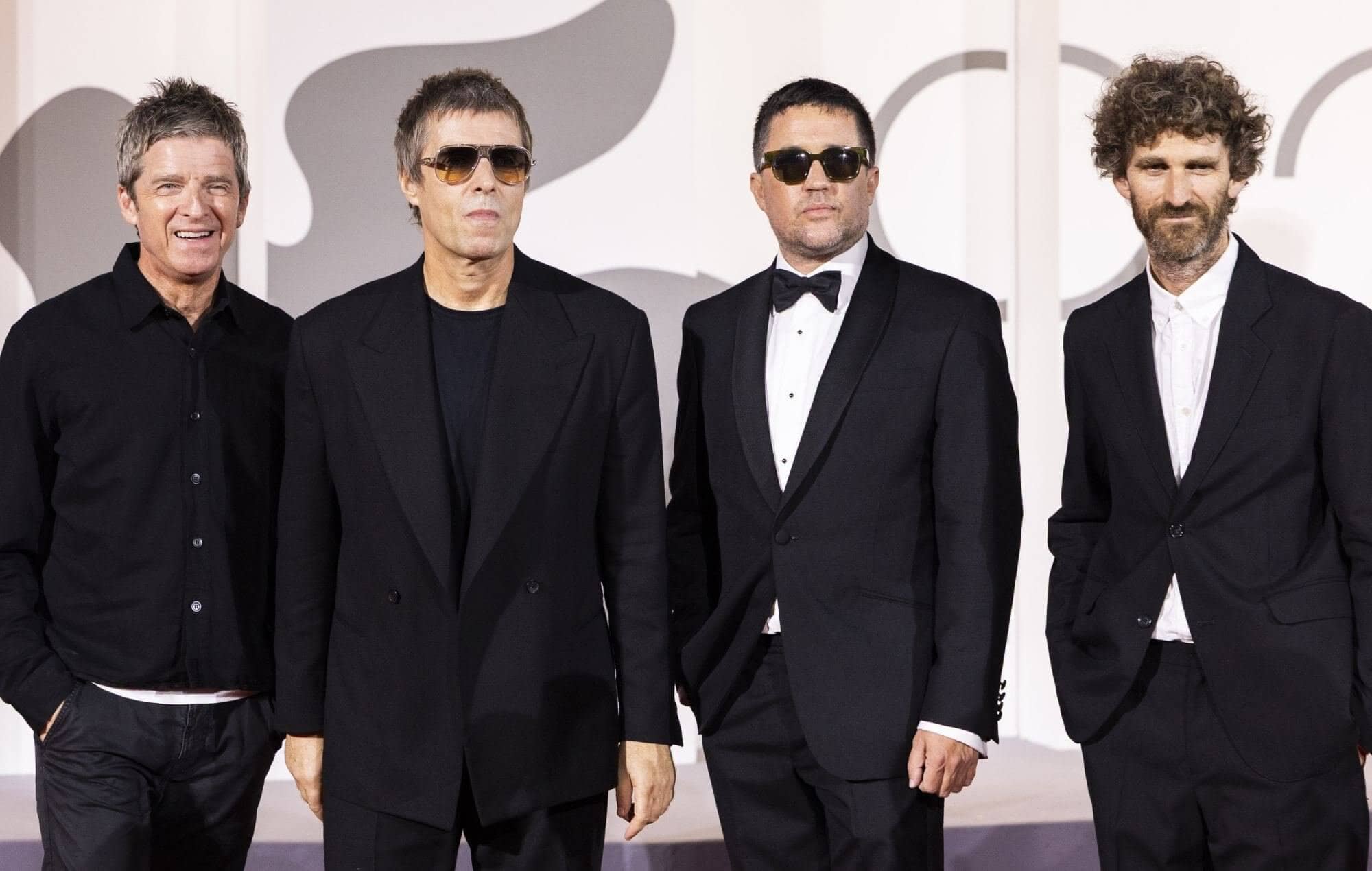
Steven Knight’s new Oasis documentary, Don’t Look Back In Anger, follows Noel and Liam Gallagher as they prepare for the band’s long-awaited return to the stage. Rather than manufacture a glossy, cinematic reconciliation, Knight observes the brothers as they navigate rehearsals, performances, family connections, and the strange emotional gravity of returning to something they once left behind.
The filmmaker describes the story as a journey toward “forgiveness and redemption,” though he is careful not to force those ideas onto the brothers. The healing has to emerge naturally. In this case, it does — sometimes through a laugh, sometimes through a song, and sometimes through a simple hand held onstage.
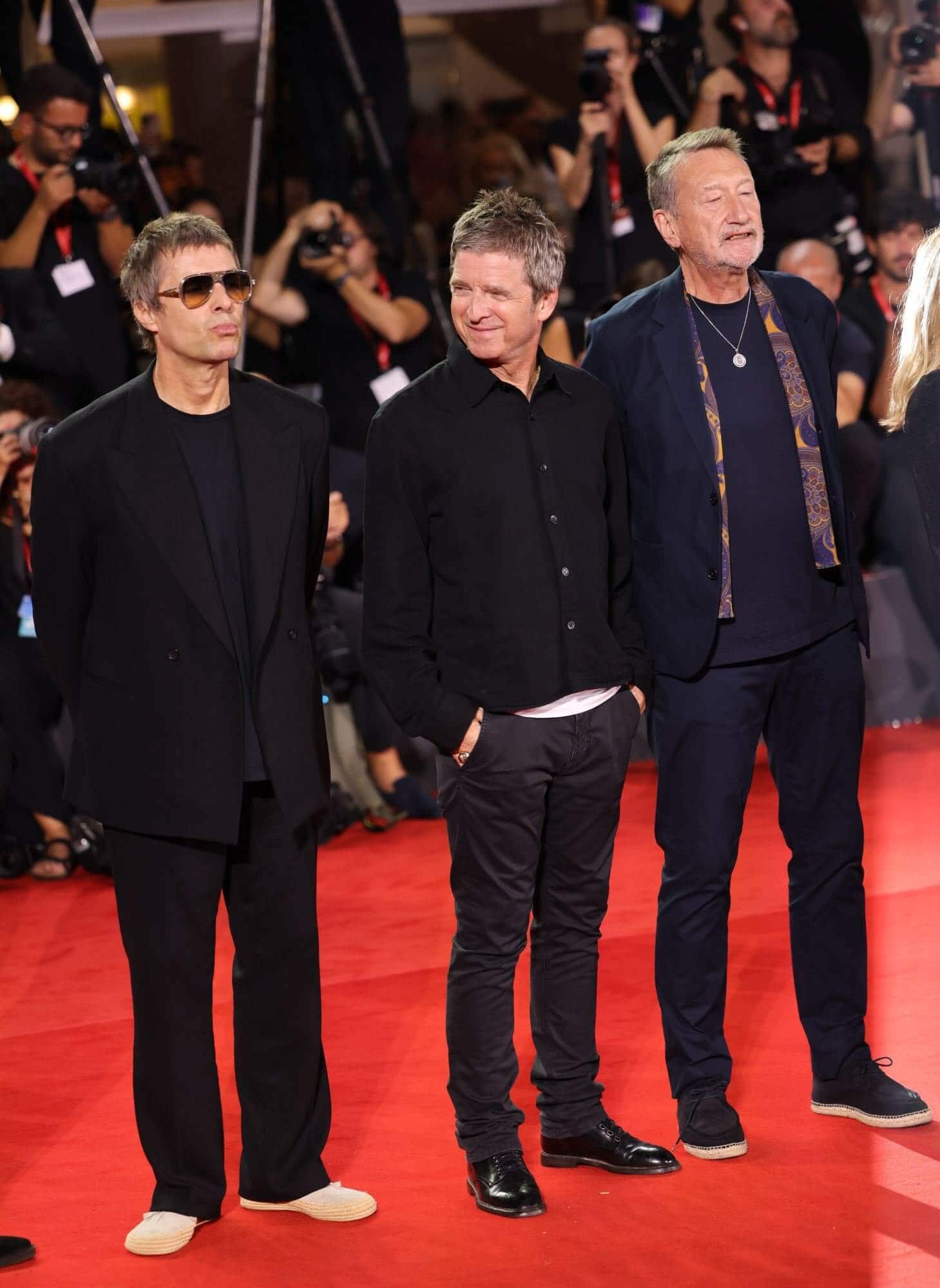
Knight spoke about the project shortly before its London premiere, following a major reception at the Venice Film Festival. The film examines the brothers’ reunion tour and the unexpected scale of its impact, particularly on younger listeners who were not around for the band’s original rise.
For Knight, the documentary was also a new creative challenge. He had worked in film and television, but this was his first documentary. He served as creator, writer, and producer, taking on a story surrounded by decades of public mythology and fan expectations.
That is a rather intimidating assignment. How do you film one of the most famous sibling rivalries in music without simply replaying the headlines?
Knight’s answer was to focus on what happened when the cameras were present but the brothers were not performing for them.
From a music video to a secret reunion
Knight’s connection with the Gallagher family began years before the documentary. In 2019, he directed Liam Gallagher’s video for the solo song “One Of Us.” The arrangement between them was informal and, as Knight explains it, cashless: in return for his work, he asked Liam to appear at the Peaky Blinders Festival.
Liam accepted — and made an impression.
Knight remembered the festival as an unforgettable day, saying Liam “tore the place apart.” That first meeting opened the door to a relationship that would eventually lead to the documentary, although the two did not remain in regular contact afterward.
Then, around Christmas 2024, Knight received a message asking whether he might be interested in working on a project. His response was immediate, even if technically contradictory: he was busy, but very interested.
The project was the Oasis reunion documentary. More daunting still, both Liam and Noel Gallagher wanted Knight to make it. They were not looking for someone who simply knew the conventional documentary playbook. They wanted his particular perspective.
That vote of confidence came with pressure. Oasis is not just a band; for many people, it is a time capsule, a family soundtrack, and a piece of personal history with a very loud guitar behind it.
Why Knight chose observation over spectacle
Instead of constructing a dramatic reunion scene, Knight decided to watch the brothers work. Ten fixed cameras were placed around the rehearsal room, allowing the crew to capture the action without constantly following the musicians or steering their behavior.
The approach meant that no one had to perform for the camera. The brothers were not asked to recreate a hug, stage an argument, or deliver a neat emotional confession. They simply had to rehearse.
“You cannot choose to have a happy ending; you just have to hope there is one, and there was.” — Steven Knight
That philosophy becomes especially powerful during Liam’s first rehearsal day. After 16 years apart, the brothers do not greet each other with a high-five or a cinematic embrace. There is no swelling soundtrack telling viewers how to feel. Instead, the exchange is practical: Are you ready? Shall we go?
Knight recognized something familiar in that moment. Like the Gallagher brothers, he sees himself as English and working class, and he understood the emotional language of people who may express affection more through shared effort than through grand declarations.
The relationship begins to rebuild through the work itself. A song is played. A line is corrected. A joke lands. The emotional temperature changes by a few degrees, almost too subtly to notice — until suddenly, you are feeling everything they are not saying.
The small moments that changed everything
The film’s emotional transformation does not arrive in one giant breakthrough. Knight describes it as a series of stepping stones, each one revealing that the brothers are finding their old rhythm again.
One early moment comes when Noel helps Liam with the vocal delivery of “Slide Away.” Noel sings the line back to him — “Take me there, take me there” — and Liam gently makes fun of the performance. They look at one another and laugh.
It is a tiny exchange, but it carries the weight of years. For a moment, they are not two rock stars surrounded by history and expectation. They are simply brothers who have done this before.
Knight compares the feeling to getting back on a bicycle after years away. The body remembers. The timing returns. The relationship may have changed, but the musical instinct is still there beneath the surface.
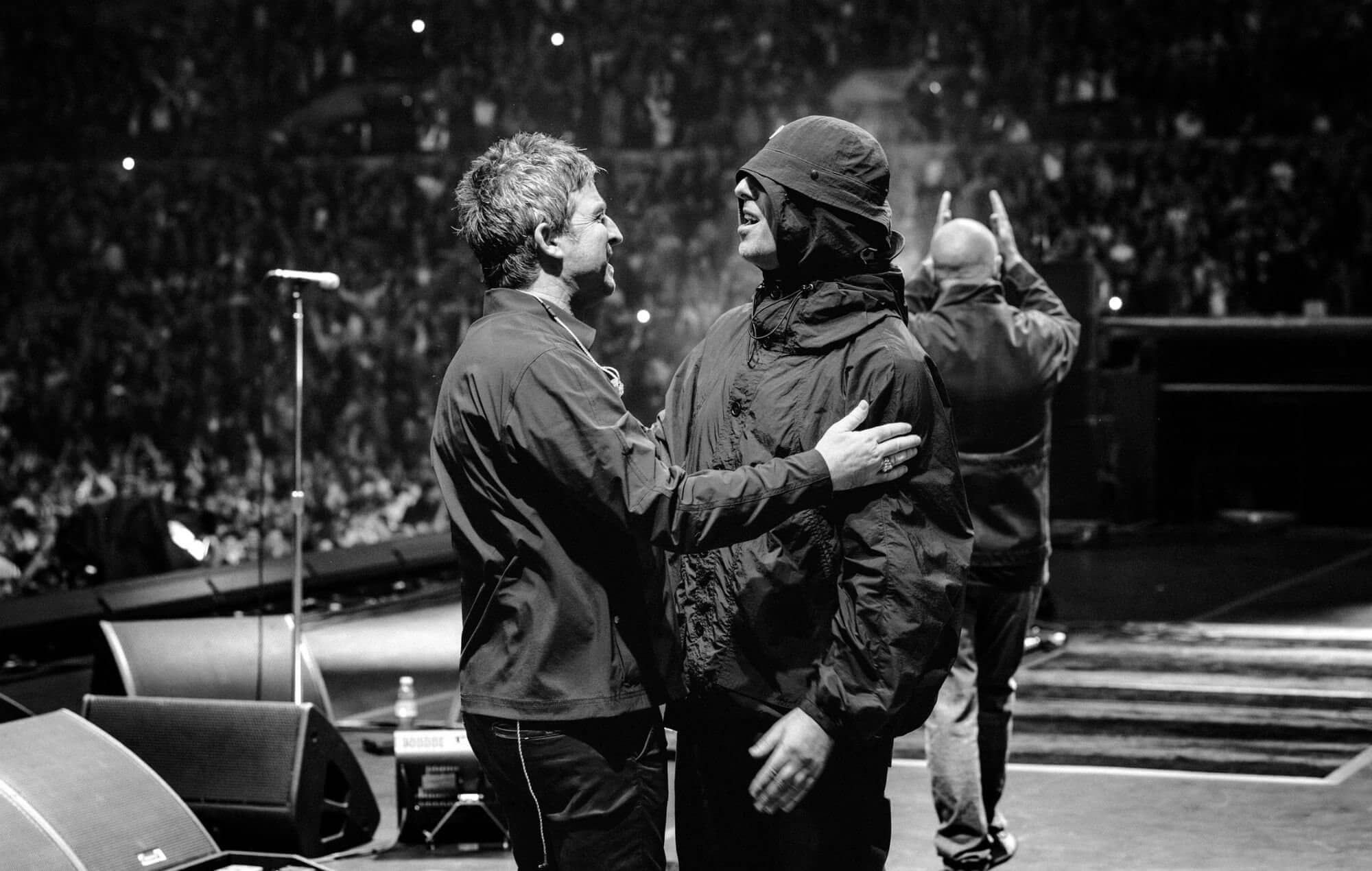
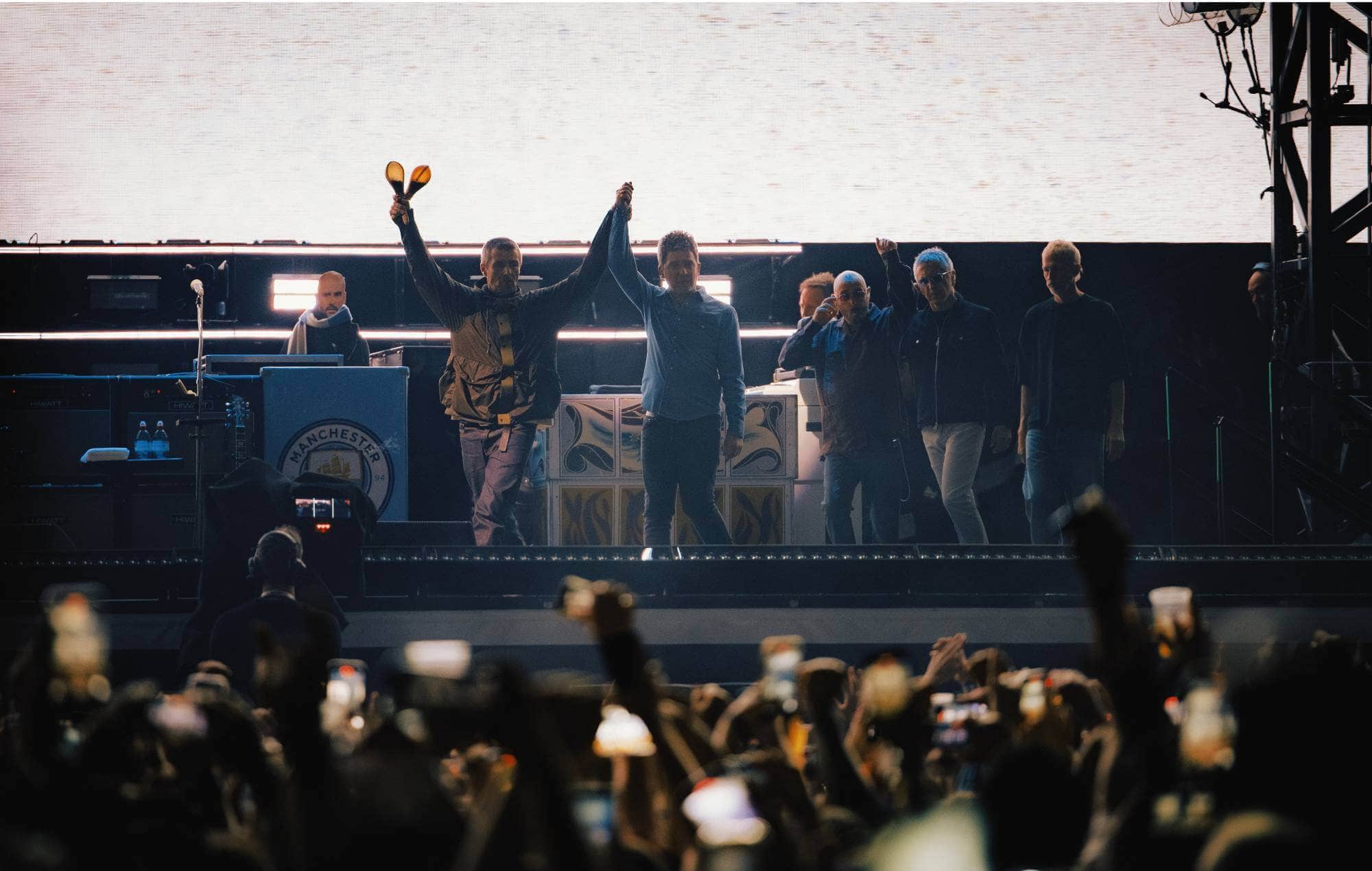
Another important moment arrives during the opening Cardiff show, when Liam grabs Noel’s hand. Noel does not appear to expect it. The gesture is spontaneous, physical, and almost startling in its simplicity.
Then the next generation enters the picture. The brothers’ children are introduced and quickly become close, forming their own friendship. There is no narrator spelling out the symbolism. No one has to explain what it means.
Suddenly, the family has expanded — and the old division no longer feels quite so permanent.
Cardiff turns anticipation into emotion
Knight had already watched the brothers rehearse before they stepped onto the stage in Cardiff. From what he saw, they were not merely prepared; they were performing at a level he believed was stronger than ever.
Still, he knew a live return carried a different kind of pressure. Rehearsal rooms are controlled environments. Stadiums are not. Thousands of fans bring their own memories, hopes, tears, and very loud opinions.
Noel later said he barely knew what was happening during the first 45 minutes of the show, operating largely on muscle memory. Knight, however, believed the brothers’ skill was obvious. They did not freeze. They delivered.
But the crowd became the real story.
The documentary asks why the band’s music had become bigger than ever after 16 years without promotion or marketing. Even Noel had reportedly expected the reunion to play arenas rather than stadiums. Instead, demand grew into something much larger — a tidal wave that crossed generations.
That meant the audience could not consist only of people who had been there the first time around. Younger fans had inherited the songs and made them their own. Knight selected fans from that newer generation to help explore why the music continues to matter.
How Oasis became personal to new generations
Knight has several theories about the band’s continuing appeal, though he admits the most important part may be impossible to explain.
The melodies are powerful, of course. The songs are memorable. But music often slips past analysis and lands somewhere more private. A lyric can feel as though it was written for one particular person, even when thousands of people are singing the same words.
Knight suggests that Noel did not necessarily sit down with a fixed message and consciously decide what each song would mean. Instead, the songs seem to capture something universal — a signal received and translated into music.
That universality allows each generation to claim the songs differently. The first generation found meanings connected to its own experiences. The next generation found another set of meanings, shaped by a different world. Neither interpretation cancels out the other.
At the Cardiff show and the concerts that followed, several generations occupied the same space, singing the same songs while carrying separate emotional histories. The music became a bridge between them.
Knight describes fans hugging and crying together. Even Noel reportedly had to turn away because the response was so moving. The Gallaghers are not known for turning every feeling inside out in public, so the film had to communicate the emotion through the crowd, the atmosphere, and the moments around the brothers.
In other words, the audience cries on their behalf. And Oasis fans have always been willing to do the heavy emotional lifting.
A pub conversation with no agenda
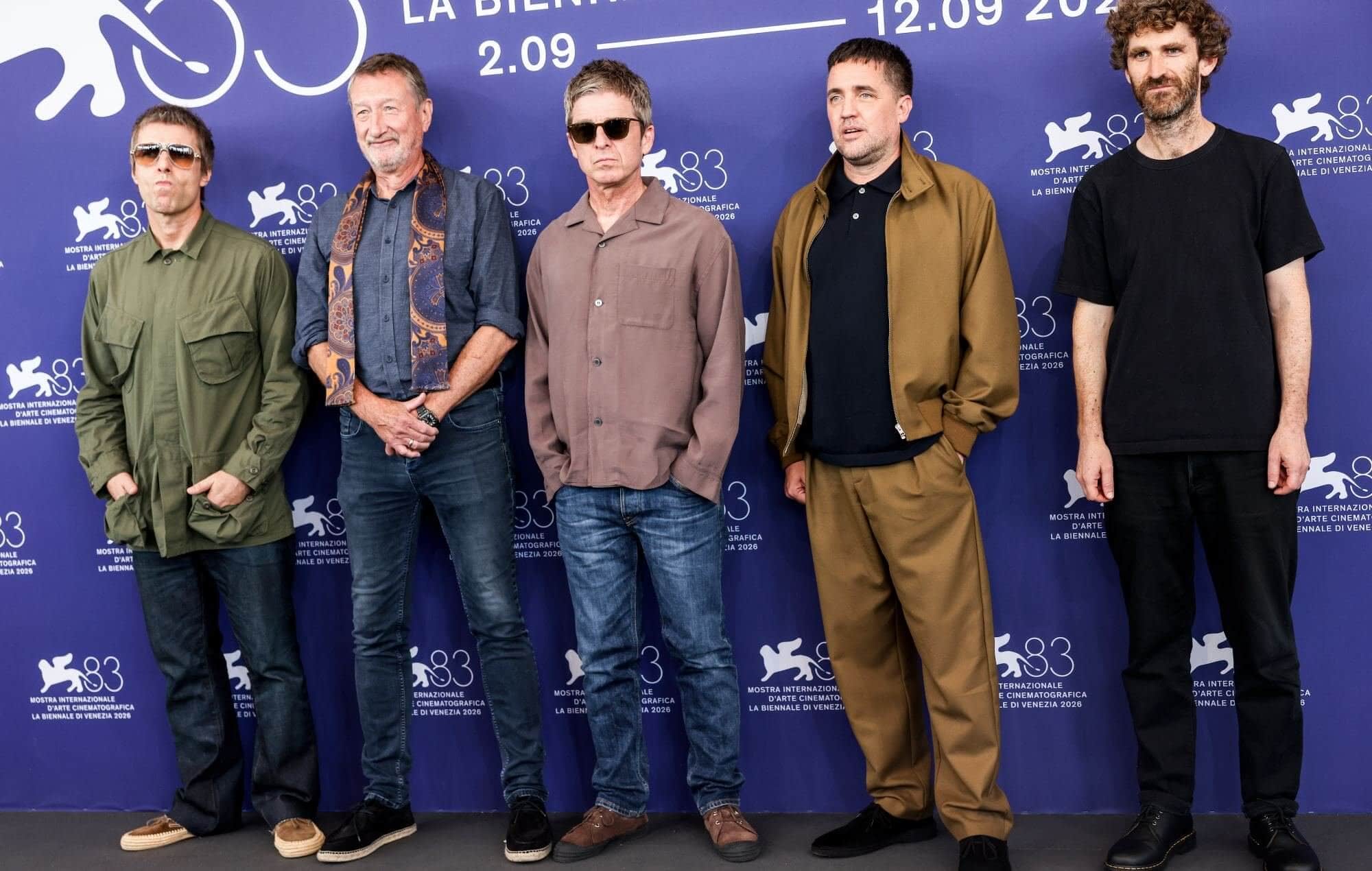
One of the film’s most memorable scenes comes from a joint interview with Noel and Liam. There is a noticeable affection between them, and Knight considers the sequence a highlight of the shoot.
He emphasizes that he was not approaching the meeting as a traditional interviewer. It was more like a conversation in a pub, where everyone could relax without feeling that an agenda was lurking behind every question.
Knight believes the brothers can be wary of journalists because they may suspect that an interview is designed to provoke a particular response. By keeping the setting informal, he allowed the conversation to unfold naturally.
The result was classic Noel-and-Liam territory: quick, funny, sharp, and full of remarks that sounded almost ready-made for a T-shirt. Their humor is part of their bond, after all. Even when they are being difficult, they are often entertainingly difficult.
No spy theme — and one very sensible pint
The conversation eventually turned toward Noel’s long-discussed interest in writing a theme for a famous spy franchise. Knight kept his answer brief: he could not talk about it.
That answer, naturally, only adds another layer of mystery.
As for whether Knight will join Oasis on the road for future shows, he said he would attend, but not as a filmmaker. He plans to be there as a fan and spectator rather than carrying a camera crew into another documentary project.
The image of Knight at an Oasis concert, bucket hat on and pint raised, was floated during the conversation. He corrected one detail with admirable practicality: the pint would stay in his hand, not be thrown into the air.
Fair enough. Concert drinks are expensive, and nobody wants to waste a perfectly good one.
Oasis: Don’t Look Back In Anger arrives in theaters before its later release on Disney+. The documentary promises not only a record of the reunion, but also a close look at what happens when old wounds meet shared history, familiar songs, and the unmistakable pull of family.
The most moving part of the reunion may be that it does not pretend the past never happened. It simply shows Noel and Liam finding a way to move forward, one rehearsal, one laugh, and one song at a time. Did the brothers’ return give you the same feeling of unfinished history finally reaching a new chapter?
FAQ
- What is Oasis: Don’t Look Back In Anger about?
The documentary follows Noel and Liam Gallagher as they reunite, rehearse, perform together, and rebuild their relationship after a 16-year feud. - Who directed and produced the Oasis documentary?
Steven Knight served as the film’s creator, writer, and producer. It was his first documentary project. - How did Steven Knight first meet Liam Gallagher?
Knight first worked with Liam in 2019, directing the video for Liam’s solo song “One Of Us.” Their professional relationship later led to an appearance at the Peaky Blinders Festival. - Why does the film use fixed cameras during rehearsals?
Ten fixed cameras captured the brothers without constantly following them or directing their behavior. This gave the documentary a natural, observational style. - Why does Oasis continue to connect with younger listeners?
Knight believes the band’s melodies and lyrics have a universal quality. Each generation can interpret the songs through its own experiences, creating a shared bridge between older and younger fans.
Bring that feeling of reunion, memory, and loud singalongs home with a favorite album cover poster from Architeg Prints. It is a warm, stylish way to keep a little Oasis nostalgia on your wall.
 | DISCOUNTGET 30% OFF*Use code on your next order:
|
* This post may contain affiliate links, meaning we earn a commission if you make a purchase through these links, at no additional cost to you.