Racial Bias Report Reveals Barriers Facing Black Music Events in London



Racial Bias Report Reveals Barriers Facing Black Music Events in London
A new report says racial bias in London’s event-licensing system is costing Black and South Asian music communities opportunities, money, and vital cultural space.
The music might be loud, joyful, and impossible to ignore—but behind many London events, a quieter battle is taking place. A new two-year report says Black and South Asian promoters, artists, and venues face disproportionate obstacles when applying for licences, dealing with police objections, and trying to keep events alive.
A major investigation into event licensing
The REMEL Report—short for Race Equality in Music Event Licensing—has been described as the most comprehensive investigation so far into how licensing and policing affect Black and South Asian music communities in London.
Published on Wednesday, October 14, the report draws on a wide range of evidence, including:
- Surveys and interviews
- Focus groups and industry workshops
- Freedom of information requests
- Licensing data analysis
- Contributions from promoters, artists, venues, and community representatives
Its findings point to a licensing system that does not treat comparable events equally. According to the report, Black-led events are more likely than similarly sized white-led events to be cancelled, restricted, or shut down. In many cases, those decisions reportedly come with little explanation and no obvious route to appeal.
That lack of clarity is especially damaging for independent promoters and smaller venues. An event can take months of planning, involve dozens of workers, and represent a major financial commitment. When it suddenly disappears behind a licensing decision that nobody clearly explains, the fallout spreads far beyond the night itself.
Why Black music events matter to London
The report argues that the UK government should help unlock “the huge potential of the Black and South Asian music industry”. That potential is not limited to chart success or packed arenas. It runs through local clubs, grassroots spaces, emerging artists, DJs, sound systems, promoters, security teams, and the audiences who make nightlife feel alive.
“Black and South Asian music and entertainment scene in the UK is a powerful and transformative force, deeply embedded in the nation’s cultural life.”
The report adds that underground clubs help develop new talent, while major arenas showcase global stars. Together, those spaces have helped shape British identity, creativity, and social connection.
The REMEL steering group included the Greater London Authority, the Metropolitan Police Service, UK Music, LIVE, the Musicians’ Union, and a broad network of music professionals and community representatives. In other words, this was not a quick survey tossed into the cultural conversation and forgotten by breakfast. It was a two-year attempt to examine how licensing decisions are made—and who pays the price when those decisions become uneven.
The licensing system affects the entire music ecosystem
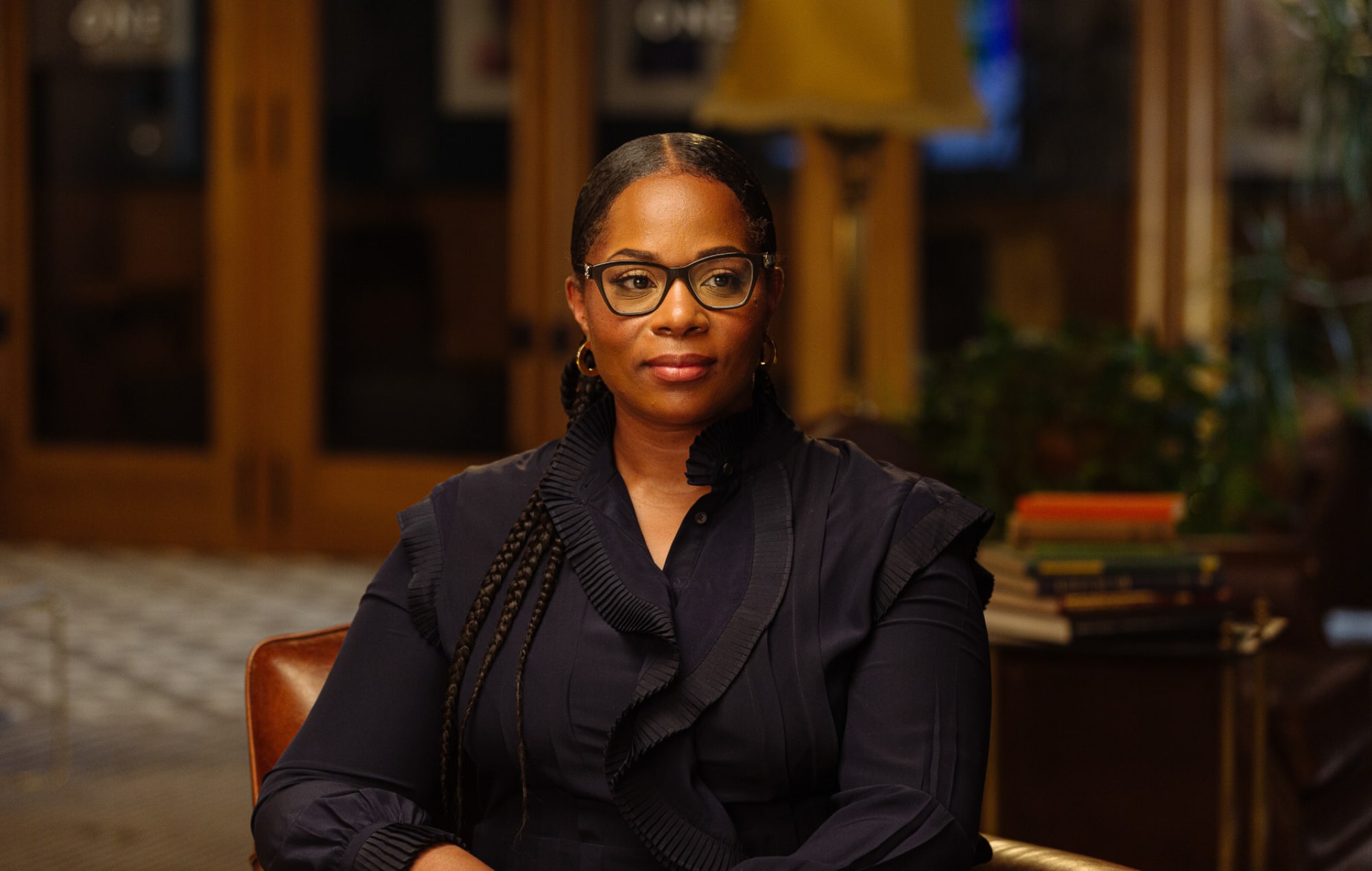
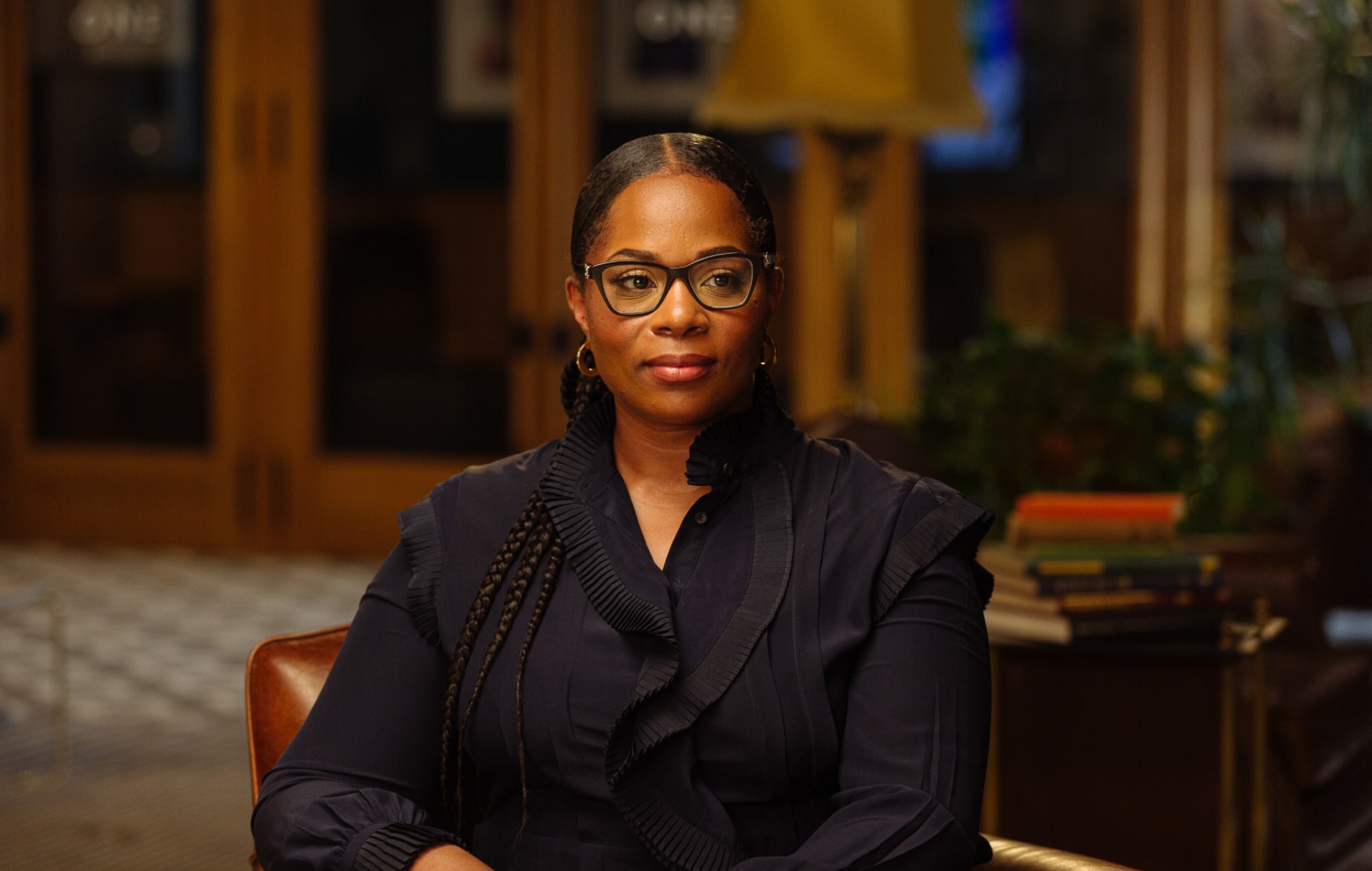
That wider impact was highlighted by Charisse Beaumont, Chief Executive of Black Lives in Music. She said licensing affects everyone from a young performer searching for a first booking to a promoter trying to create opportunities for new talent and a local venue supporting its neighbourhood.
“Licensing doesn’t just affect a few artists or a handful of events. It touches every part of the music ecosystem, from the young artist trying to get their first gig, to the promoter building a platform for emerging talent, to the local venue that brings life to a community.”
Beaumont said people involved in the research called for a system based on transparency, dialogue, cultural understanding, clear definitions of risk, and a shared commitment to safety.
Those principles sound straightforward. Yet the report suggests they are not being applied consistently. Respondents described a process in which risk can be assumed before evidence is properly considered, particularly when events involve genres and audiences associated with Black communities.
Beaumont also said that the organisations involved—including music industry bodies, the Mayor of London, and the Metropolitan Police—had welcomed the report’s findings and expressed a desire to reform the system.
She called for Prime Minister Andy Burnham to work with the forthcoming independent London Nightlife Taskforce, using the REMEL recommendations to support London’s nightlife economy.
A tax break cannot solve a licensing barrier
The report arrives after a joint letter from the Musicians’ Union and Black Lives in Music to London Mayor Sadiq Khan, calling for action on racial bias in event licensing.
It also examines the government’s summer announcement of a 20 per cent business-rates reduction for music venues, clubs, and pubs in England the following year. The report acknowledges that financial relief could help existing businesses, but argues that it does little for venues and promoters who struggle to obtain a licence in the first place.
According to the report, events in London’s most ethnically diverse boroughs are blocked or subject to police objections at much higher rates than events elsewhere.
Beaumont gave the example of a promoter who was charged $10,000 for police attendance at a show with no previous history of trouble. She also referred to Colour Factory, which reportedly lost $55,000 after a tragic incident occurred outside the venue after operating hours.
“Police suspended its licence and posted warning signs at the entrance, causing financial losses and staff redundancies for an independent venue that had done nothing wrong.”
The point is hard to miss: reducing business costs cannot fully help a venue that is prevented from operating. A cheaper stage is still useless if the curtain never gets to rise.
The economic cost of unequal treatment
The report places these licensing issues within the much larger financial contribution of Black music.
The UK Music “Black Music Means Business” report for 2026 found that an estimated $24.5 billion of the UK’s $30 billion recorded music market over the previous 30 years came from Black music genres. That represents more than 80 per cent of the overall market, with British artists contributing approximately $11.94 billion.
Live music is another major part of the picture. The 2024 LIVE Music Report estimated that the UK live music sector generates $6.1 billion. REMEL argues that the figure could be higher if meaningful reform removed the barriers facing Black and South Asian events.
Instead, the report identifies “deep systemic and institutional barriers that limit even more success”.
For London alone, it estimates that Black and South Asian live music generated $1.1 billion in spending during 2024. Licensing bias could contribute to estimated annual losses of $127 million to $141 million in live music spending, with projected losses exceeding $650 million over five years.
Those numbers are enormous, but the human cost is just as significant. Behind every cancelled event are artists who lose income, staff who lose shifts, audiences who lose community space, and promoters who may think twice before risking another event.
What the REMEL findings reveal
Events are cancelled or closed disproportionately
Black events are reportedly more likely to be cancelled, restricted, or blocked than white-led events of a similar size. In 46 per cent of police-affected cases examined, the venue reportedly closed entirely.
Black promoters also described events being shut down with little or no explanation. Without a clear decision-making process or meaningful appeal route, accountability becomes extremely difficult.
Risk assessments continue to single out Black genres
The report says the legacy of Form 696 remains visible in current risk assessments. It argues that Black and South Asian events can face punitive surveillance and heavy licensing conditions without credible evidence of a greater safety risk.
Afrobeats, Hip Hop, R&B, and Dancehall are reportedly flagged as “high risk”, while Indie, Pop, and Rock events receive considerably less scrutiny.
Respondents also said that single or isolated incidents can create long-term reputational consequences for an entire genre. In some cases, they described informal police pressure, including off-the-record suggestions that future licence reviews or other measures could be used to prevent Black-led events from taking place.
Local crime statistics can be used unfairly
Licensing authorities were accused of relying on area-wide crime statistics when closing venues or denying licences, even when a particular venue had a clean safety record.
That creates a troubling leap in logic. High crime across a neighbourhood does not automatically mean one music venue is unsafe, yet the report says venues can be held responsible for conditions they did not create.
Security and compliance costs can become impossible
Promoters and venue owners described what the report calls “unreasonable barriers” for new businesses. Some events are required to hire additional security or medical staff, pushing costs to unsustainable levels compared with events in other areas.
The report also says inflated security, insurance, and compliance demands fall hardest on Black and South Asian events. Temporary Event Notices are reportedly more likely to be refused in London’s most diverse boroughs, limiting opportunities for events that might otherwise provide an entry point for new artists.
Black venues receive less support after incidents
The report claims that many white-owned venues are supported back into business after incidents, while Black venues are more likely to be forced to close.
It also argues that Black and South Asian events are being pushed out of central London by restrictive licensing, gentrification, and planning policies. At the same time, unverified intelligence—including superficial online searches—is reportedly used to justify increased scrutiny and reinforce racialised assumptions about risk.
Media language is part of that process too. The report says Black events can be framed as “mobs” or “chaos”, shifting responsibility away from institutions and onto communities.
And the pressure does not end with finances. Cancellations, surveillance, uncertainty, and ongoing economic strain are reportedly driving burnout and serious mental health consequences among Black and South Asian entrepreneurs.
The call to move from recommendations to action
Beaumont said the collaboration behind REMEL was intended to produce evidence and practical solutions for changing the licensing process. Now, she argues, the work must move beyond recommendations.
“It’s now time to move from recommendation to action. We need the REMEL recommendations and principles embedded into the very fabric of the licensing system to create a truly thriving nightlife.”
She warned that when licensing decisions are shaped by racial bias and over-policing, creativity is suffocated, entrepreneurship is weakened, and economic opportunity is blocked.
Jon Collins, CEO of LIVE, said the report clearly sets out the long-term barriers facing Black and South Asian people in London’s live music industry. He said skewed perceptions of risk can lead to over-policing and inconsistent, disproportionate licensing decisions, creating both personal and economic costs.
LIVE Trust is supporting Black Lives in Music’s LIVE Pathways, a 12-month pilot focused on inequality of opportunity for people entering the live music industry. Collins said every organisation and institution capable of influencing the system should make a similar commitment.
Mark Davyd, CEO of the Music Venue Trust, called REMEL the most important research on barriers to culture that the live music sector has received in years. He urged venues, promoters, local authorities, and police forces to read the full report and examine their own role in licensing, programming, and funding decisions.
The message is clear: the music industry has already shown its value. The question is whether the systems around it will finally allow every part of that industry to grow.
FAQ
- What is the REMEL Report? The REMEL Report is a two-year investigation into race equality in music event licensing. It examines how licensing and policing affect Black and South Asian artists, promoters, and venues in London.
- What does the report say about Black music events? It says Black-led events face disproportionate cancellations, restrictions, police objections, and shutdowns compared with white-led events of a similar size.
- Which music genres are identified as facing greater scrutiny? The report identifies Afrobeats, Hip Hop, R&B, and Dancehall as genres often treated as “high risk”, while Indie, Pop, and Rock reportedly receive less scrutiny.
- How much money could licensing bias cost London’s music economy? The report estimates annual losses of $127 million to $141 million in live music spending, with projected losses exceeding $650 million over five years.
- What reforms does REMEL recommend? The report calls for greater transparency, dialogue, cultural understanding, clear definitions of risk, fairer licensing decisions, and a shared commitment to safety and accountability.
Bring the spirit of music culture into your space with a favourite album cover poster from Architeg Prints. It is a warm, visual reminder of the artists, scenes, and sounds that deserve room to thrive.
 | DISCOUNTGET 30% OFF*Use code on your next order:
|
* This post may contain affiliate links, meaning we earn a commission if you make a purchase through these links, at no additional cost to you.