Radiohead’s Jonny Greenwood Compares Boycott-Led Show Cancellations to “Taking Books Off Shelves”


 See more Architeg Prints stories on Google.
Radiohead’s Jonny Greenwood Compares Boycott-Led Show Cancellations to “Taking Books Off Shelves”
Jonny Greenwood likens show cancellations amid political boycotts to censoring culture, sparking debate over music and activism.
When Music Meets Politics: The Controversy Around Cancelled Shows
If you’ve ever been caught between your love for music and the tangled web of politics, you know it’s no easy dance. That’s exactly where Radiohead’s Jonny Greenwood finds himself. Recently, Greenwood drew a powerful comparison between his gigs being cancelled due to boycott pressures and the act of “taking books off shelves.” This metaphor strikes at the heart of a heated debate on cultural expression versus political activism.
In May 2024 and again in March 2025, Greenwood performed alongside Israeli musician Dudu Tassa in Tel Aviv. These concerts drew sharp criticism from the Boycott, Divestment, and Sanctions (BDS) movement, which opposes cultural exchanges with Israel due to the ongoing conflict with Palestine. When Greenwood and Tassa planned UK shows for June 2025 in Bristol and London, those performances were abruptly cancelled after pro-Palestinian activists pressured the venues.
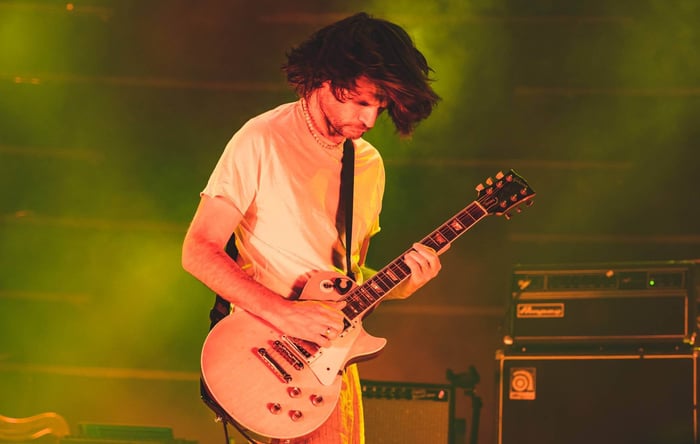
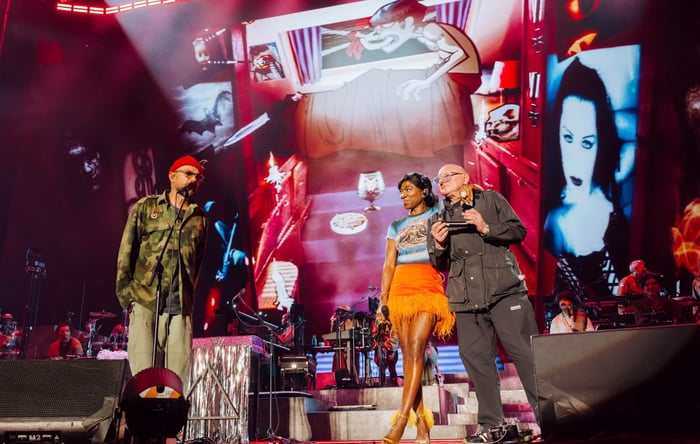
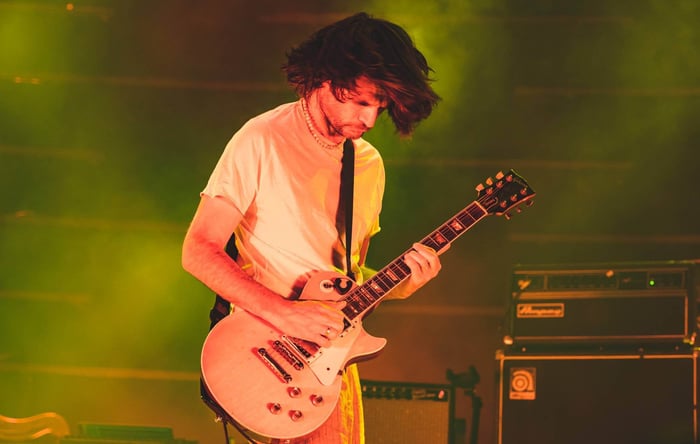
Jonny Greenwood on stage during a recent live performance
The Heart of the Boycott: PACBI’s Firm Stance
The Palestinian Campaign for the Academic and Cultural Boycott of Israel (PACBI) praised these cancellations as the result of “peaceful BDS pressure.” They accused Greenwood and Tassa of having “clear and irrefutable links to whitewashing Israel’s genocide in Gaza,” referencing the devastating conflict that has tragically claimed the lives of at least 62,000 Palestinians.
PACBI’s message was blunt: “Dudu Tassa has repeatedly entertained genocidal Israeli forces in between these massacres of Palestinians in Gaza, willingly acting as a cultural ambassador for apartheid Israel.” The group further emphasized the significance of cancelling the Bristol show, framing it as a stand against what they view as cultural complicity in ongoing violence and oppression.
“Palestinians welcome the cancellation of Jonny Greenwood and Dudu Tassa’s concert, which was due to take place in Bristol, UK on the 23rd June and would have whitewashed Israel’s genocide against 2.3m Palestinians in Gaza and underlying settler-colonial apartheid regime.” — PACBI Tweet, May 2025
Jonny Greenwood’s Point of View: Music as a Bridge, Not a Weapon
In an insightful interview with El País, Greenwood was asked to reflect on how his stance on playing in Israel compares to the cultural boycott of apartheid South Africa in the 1980s. He responded with notable nuance.
“I’m a fan of lots of Israeli films and writers and musicians, and the music I make with Dudu is resurrecting songs that are older than most of the countries that are currently fighting each other,” Greenwood explained. He emphasized the importance of art transcending modern political conflicts. To him, cancelling music performances is akin to “taking books off shelves.”
He pointed to bookstores in Madrid that openly sell novels by Amos Oz, an acclaimed Israeli author, noting that cultural works should not be censored or shut out due to political strife. This perspective invites us to consider the power of art and music as a form of preserving history and fostering connection, even amidst divisions.
The Show Must Go On? Greenwood’s Statement on Cancellation
When the UK shows with Dudu Tassa were cancelled, Greenwood issued a heartfelt statement addressing the situation directly. He expressed concern for the safety of the venues and their staff, noting that credible threats made it unfeasible to proceed with the concerts.
“The venues and their blameless staff have received enough credible threats to conclude that it’s not safe to proceed.”
Greenwood condemned the cancellations as a form of censorship, lamenting the silencing of musicians and audiences alike. He argued that intimidating venues into dropping shows would not advance peace or justice in the Middle East. Rather than a victory, Greenwood saw these cancellations as an unfortunate setback.
“Forcing musicians not to perform and denying people who want to hear them an opportunity to do so is self-evidently a method of censorship and silencing… Intimidating venues into pulling our shows won’t help achieve the peace and justice everyone in the Middle East deserves.”
Radiohead and the Israel Boycott Saga: A History of Controversy
This isn’t the first time Radiohead has found itself at the center of debates surrounding Israel. Back in 2017, the band performed in Tel Aviv despite a chorus of protests urging them to cancel. The backlash included notable voices like Roger Waters, Thurston Moore, Young Fathers, and Archbishop Desmond Tutu, all of whom signed an Artists For Palestine UK open letter urging the band to reconsider.
Thom Yorke, Radiohead’s frontman, later clarified his stance, stating, “Playing in a country isn’t the same as endorsing its government. We don’t endorse Netanyahu any more than Trump.” This response highlighted the complexity artists face when navigating performances in politically charged environments.
Yorke also got into a public back-and-forth with director Ken Loach, who questioned whether Radiohead would “stand with the oppressed or the oppressor?” This exchange underscored the intensity of opinion surrounding artistic engagements with contentious regions.
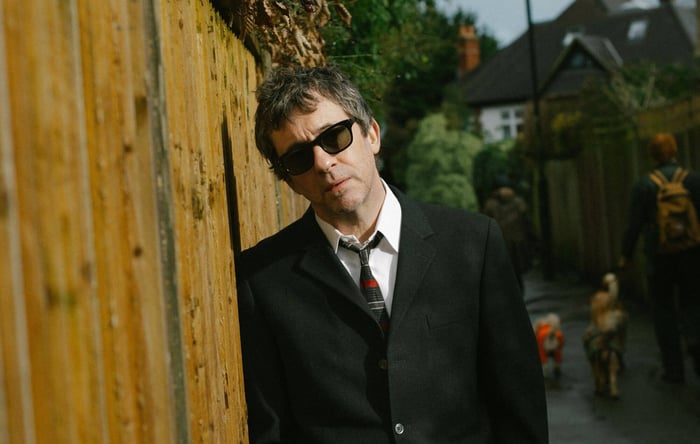
Radiohead and Jonny Greenwood’s music continues to spark passionate discussions about art and politics
PACBI’s Call for Accountability and Boycott
PACBI has not softened its stance since those earlier shows. The organization insists that Radiohead has “yet to apologise” for their 2017 Tel Aviv performance and has called for a boycott of the band’s 2025 UK and European tour. The ongoing tension reflects a deeply divided landscape in which music, identity, and politics collide.
Thom Yorke’s Solo Show Controversy and Reflections
The controversy extended beyond group performances. In October 2024, during a solo show in Melbourne, Thom Yorke had a tense moment with a pro-Palestinian protester. When shouted at from the audience, Yorke challenged the protester to come onstage and express their views directly, calling out what he described as cowardice. Yorke briefly left the stage before returning to close with the iconic “Karma Police.”
Months later, Yorke shared a candid reflection on the incident and his feelings about the conflict. He described his silence during the protest as an attempt to respect the gravity of suffering in Gaza, not to trivialize it. However, he acknowledged that this silence opened the door for “opportunistic groups to use intimidation and defamation,” which took a toll on his mental health.
He stressed that his music should be a clear sign that he rejects any form of extremism or dehumanization. Yorke also criticized Israeli Prime Minister Netanyahu’s leadership, calling it “totally out of control” and urged the international community to apply pressure for peace.
He questioned the widespread “Free Palestine” chants without addressing the unresolved issue of hostages still held, wondering aloud about the reasons behind this tragic impasse.
Mixed Reactions and Ongoing Debates
Not everyone agreed with Yorke’s nuanced approach. Comedian and musician Reggie Watts expressed disappointment, feeling Yorke centered his own feelings over the urgent humanitarian crisis in Palestine. Watts felt the call for artists to speak out was critical and should not be dismissed as a “social media witch hunt.”
Back in October 2023, Yorke had firmly stated that Radiohead would “absolutely not” return to Israel, emphasizing his unwillingness to be “5,000 miles anywhere near the Netanyahu regime.” This statement shows the evolving and complex position the band holds amid ongoing conflict.
Radiohead’s Bandmates Weigh In
Not just Greenwood and Yorke, but other members of Radiohead have spoken about the conflict. In January 2024, guitarist Ed O’Brien posted a heartfelt message expressing his horror over the events in Gaza and called for an immediate ceasefire and the return of hostages.
The Fine Line Between Art and Activism
At its core, this saga raises a tough question: Can music ever truly be separated from politics? For Jonny Greenwood, art and culture are timeless bridges that should not be subject to censorship based on contemporary conflicts. But for others, boycotts and cancellations are essential tools to protest injustice and support oppressed peoples.
Whatever your stance, there’s no denying that Greenwood’s poignant analogy — comparing cancelled shows to taking books off shelves — captures the complexity and emotional weight of these debates.
What do you think? Should music be a neutral space, or is it inevitably part of larger political struggles?
FAQ
- Why were Jonny Greenwood and Dudu Tassa’s shows cancelled?
The shows were cancelled due to pressure from pro-Palestinian campaigners linked to the BDS movement, which opposes cultural events involving Israeli artists amid the ongoing conflict. - What is the BDS movement?
BDS stands for Boycott, Divestment, and Sanctions. It’s a global campaign aiming to pressure Israel to comply with international laws regarding Palestinian rights through boycotts and other non-violent measures. - How did Jonny Greenwood respond to the cancellations?
Greenwood condemned the cancellations as censorship, expressing that denying musicians a platform is harmful and does not promote peace or justice. - Has Radiohead played in Israel before?
Yes, Radiohead performed in Tel Aviv in 2017, which sparked protests and calls for boycotts from various activists and artists. - What’s Thom Yorke’s position on the Israel-Palestine conflict?
Yorke has spoken out against extremism and violence on all sides, criticized Netanyahu’s leadership, and emphasized the importance of peace, though his statements have sometimes been met with controversy.
If you’re inspired by the passion and artistry in this story, why not bring a piece of that energy into your space? Shop your favorite album cover posters at Architeg Prints and celebrate the music that moves you.
 | DISCOUNTGET 30% OFF*Use code on your next order:
|
* This post may contain affiliate links, meaning we earn a commission if you make a purchase through these links, at no additional cost to you.