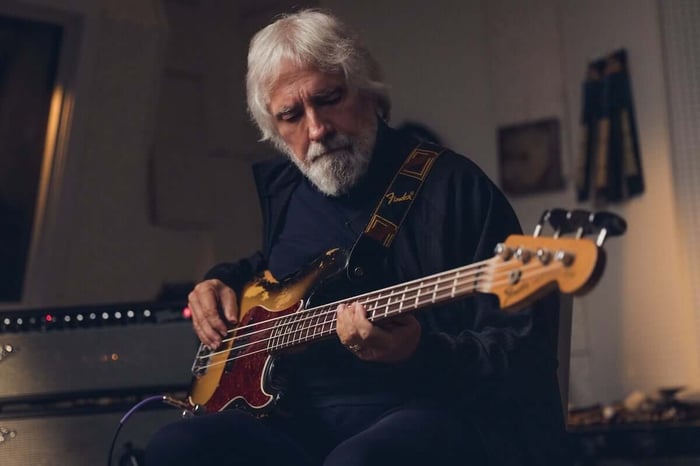
Geezer Butler Reflects on His Legendary Heavy Metal Journey with Black Sabbath


 See more Architeg Prints stories on Google.
Geezer Butler Reflects on His Legendary Heavy Metal Journey with Black Sabbath
Explore the colorful career of Geezer Butler, Black Sabbath’s iconic bassist and lyricist, who helped shape the heavy metal sound.
The Birth of Heavy Metal’s Bass Legend
Geezer Butler wasn’t just a witness to the birth of heavy metal—he was one of its founding architects. Long before the genre exploded, pioneers like Jimi Hendrix, the Yardbirds, and Cream laid the groundwork for heavier, darker sounds. But it was Geezer, alongside Ozzy Osbourne, Tony Iommi, and Bill Ward, that truly ignited the flame in the gritty streets of working-class Birmingham, England. Together, they formed Black Sabbath, a band whose ominous riffs and shadowy themes would define heavy metal for generations.
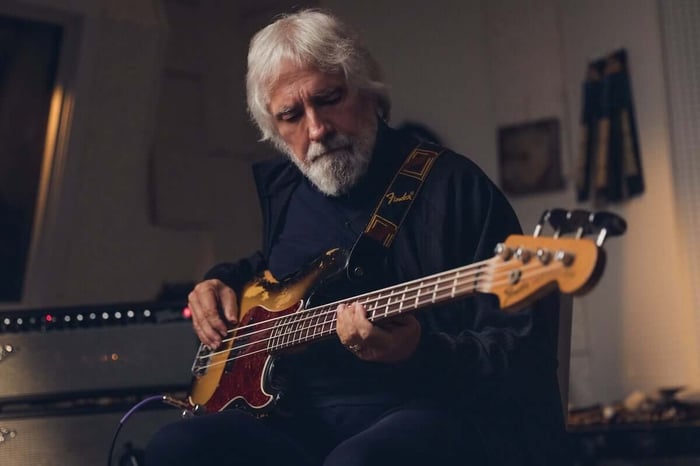
Originally a guitarist, Geezer's switch to bass came out of necessity—Tony Iommi made it clear there was no room for a second guitar. But that pivot turned out to be destiny. Geezer’s bass locked in perfectly with Iommi’s dark riffs and Bill Ward’s swinging drumbeats, creating a sound that was heavy, melodic, and sometimes downright lead-like. Ozzy Osbourne, meanwhile, was the wild frontman, often delivering brooding lyrics penned by Geezer himself.
Geezer’s Bass Tone: More Than Just Heavy
Geezer’s signature distorted bass tone has become a cornerstone of heavy metal. His melodic bass lines didn’t merely underpin the songs—they sometimes took center stage, blazing trails for bassists to come. Legends like Rush’s Geddy Lee, Metallica’s Robert Trujillo, and Nick Oliveri (formerly of Kyuss and Queens of the Stone Age) have all drawn inspiration from Geezer’s playing.
What shaped this unique style? While most of his influence came from his bandmates, witnessing Jack Bruce perform live with Cream was a revelation for Geezer. “I couldn’t believe people could do that with a bass,” he recalled during a chat with Foo Fighters’ bassist Nate Mendel for Fender’s 75th anniversary of the Precision bass. The moment sparked a lifelong passion for the instrument: “I went, that’s what I want to do—I want to play bass.”
The Lyrical Soul of Heavy Metal
Geezer wasn’t just a bass player; he was Black Sabbath’s primary lyricist during the Ozzy years. His words established metal’s fascination with darkness, exploring themes of dread, apocalypse, insanity, and spirituality’s shadowy depths. Tracks like “War Pigs” tackled the toll of human conflict, “Children of the Grave” warned of environmental destruction, and “Paranoid” delved into madness itself.
He also wrote about drug culture from two perspectives—celebrating it in the gritty anthem “Sweet Leaf” and cautioning against it in “Hand of Doom.” Fifty years on, many of these themes remain eerily relevant. “Society has become so divisive now—there doesn’t seem to be any middle ground anymore,” Geezer observed, reflecting on modern times. “At least, that’s what the media is telling us.”
Black Sabbath’s Enduring Legacy and Recent Reflections
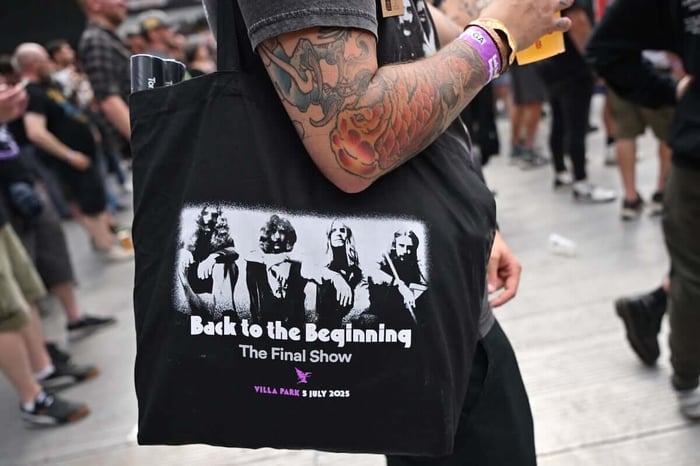
His final lyrical contribution came on 2013’s Grammy-winning 13, which reunited the original band except for Bill Ward. In 2023, Geezer published his memoir Into the Void: From Birth to Black Sabbath—And Beyond, a candid, humorous look back at his life and career. His last performance with the band happened in Birmingham at the Back to the Beginning concert in 2025, just weeks before the passing of Ozzy Osbourne.
From Working-Class Roots to Heavy Metal Royalty
When asked if he ever imagined “doom metal elder statesman” would be a career, Geezer laughs: “Ha ha, certainly not in the beginning.” The band was turned down by six record labels before landing a deal as a second choice. But with fierce self-belief and an “us against the world” attitude, they never gave up.
Writing his memoir deepened Geezer’s appreciation for those tough early days. “I literally went through a period of starvation because I refused to eat any meat or fish, and had no money to buy anything else,” he reminisces. “I’m amazed I had that commitment and resolve, even when the future looked bleak.” Their survival was fueled purely by belief in their music—a gamble that paid off spectacularly.
The Humor Behind the Darkness
Despite the heavy themes, the band’s offstage moments were often filled with laughter and jokes. “We have always retained our working-class sense of humor,” Geezer shares. “Ozzy was a natural-born comedian—he could make us laugh at anything. No subject is taboo with us. I think the more shocking, the more humorous.”
This camaraderie helped them through darker times, showing that even legends need to lighten up.
Realizing Their Impact
Initially, Black Sabbath wasn’t seen as influential by critics, who dismissed anything before punk as outdated. It wasn’t until punk faded that the metal scene embraced Sabbath’s legacy. “Van Halen were the first major band to openly praise us,” Geezer notes, “and that led the way for most metal bands to cite us as influences, much to the annoyance of the critics.”
The Timelessness of “War Pigs” and Other Classics
“War Pigs,” penned during the Vietnam War, remains hauntingly relevant. Geezer says, “Politicians are still destroying the peace just for their own power lust.” Other songs, like “Changes,” have grown more poignant over the years, especially with powerful covers by artists like Charles Bradley and Yungblud, who performed it at the Back to the Beginning concert.
What Makes Black Sabbath So Unique?
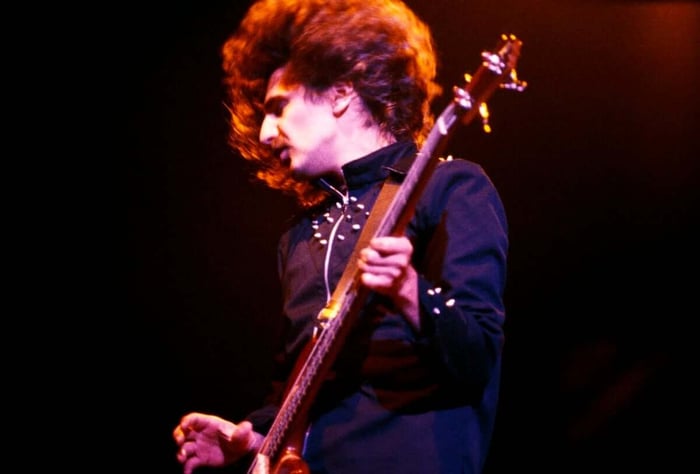
Geezer marvels at how four guys living just streets apart, none with formal music training, united to invent a new sound. “Only Tony knew how to drive, so everyone had to be within walking distance just to get together! What are the odds of that?”
Each member brought something irreplaceable:
- Tony Iommi: The unspoken leader and musical genius
- Ozzy Osbourne: The madman frontman and natural comedian
- Bill Ward: The driving force with a unique drumming swing
- Geezer Butler: The lyricist, dreamer, and vegan bassist
The Album 13 and Its Place in the Band’s History
While 13 won a Grammy and reunited much of the original lineup, Geezer felt it was only three-quarters of a true Sabbath album without Bill Ward. Tony’s lymphoma diagnosis and internal band struggles made the process tough. For Geezer, it marked the band’s final chapter.
Last Moments on Stage and the Band’s Chemistry
During their final performance together, Geezer brought a cake to Ozzy. “I think I said, ‘Well done!’ for getting through the show,” he laughs. “Ozzy thought I’d smash him in the face with the cake, so he was just surprised and mumbled something.”
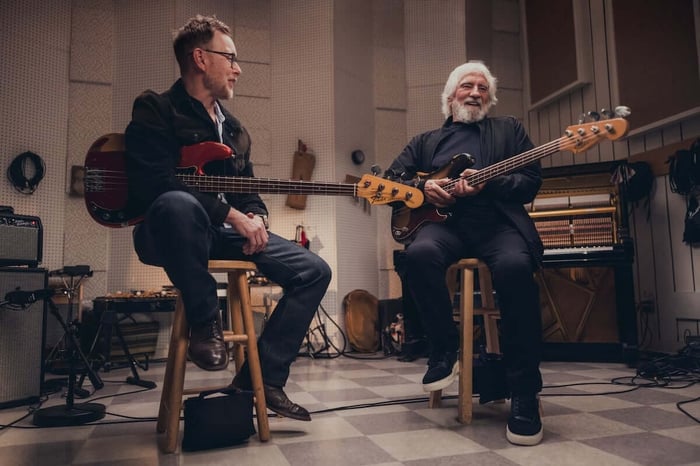
The Emotional Power of Bass and Musical Influences
Geezer’s bass wasn’t just about heaviness—it was deeply emotional. “It’s all my feelings filtered into my instrument. It’s a great way for me to express my emotions,” he explains.
Though jazz and melodic influences have been noted over the years, he insists his biggest inspirations were within Sabbath: Tony, Bill, and Ozzy. Outside the band, Jack Bruce’s live performances taught him how to bend notes creatively.
Looking Ahead: Creativity Without Boundaries
Geezer is as creative as ever, thanks to modern technology. “I can do everything on my laptop now—writing, recording—without needing a studio or other people. It’s become my main hobby, writing stuff mainly to please myself.”
He hopes to finish a novel he’s been outlining but admits finding the time and patience is a challenge. Musically, he has nearly 100 songs written that he hopes to share someday. For now, he enjoys the freedom to simply create for himself.
Birmingham’s Growing Embrace of Black Sabbath
The city of Birmingham took a while to fully embrace Sabbath, largely due to their once-controversial image linked to "satanic" themes and drug culture. But as those labels faded, the city recognized the band’s incredible global influence. “Good for tourism, I suppose,” Geezer quips.
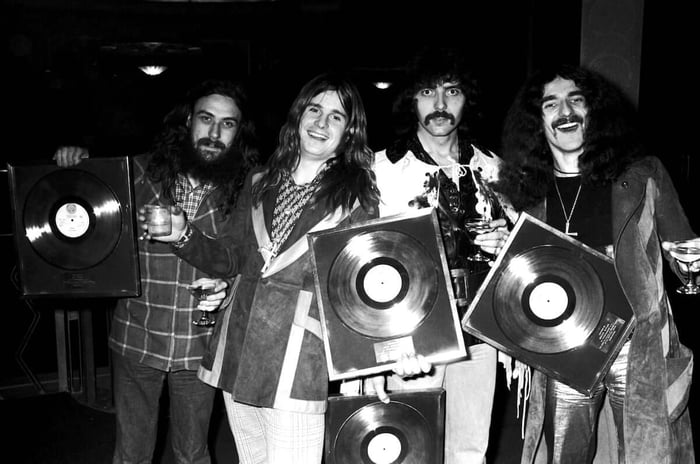
“I have never forgotten our struggle to survive, and writing the book made me realize just how difficult our early years were.” – Geezer Butler
- What inspired Geezer Butler to switch from guitar to bass?
Tony Iommi insisted there was no room for a second guitarist in the band, so Geezer picked up the bass and instantly connected with the instrument. - Which bassist influenced Geezer the most outside of Black Sabbath?
Jack Bruce of Cream was a major inspiration, particularly for his live performances and note-bending techniques. - What themes did Geezer focus on in his lyrics?
His lyrics explored war, environmental destruction, madness, spirituality, and drug culture, often with a mix of warning and celebration. - How did Black Sabbath’s sense of humor affect their dynamic?
Their working-class humor and Ozzy’s natural comedic talent helped the band cope with tough times and kept their bond strong. - Is Geezer planning to release new music or writings?
He is actively writing songs and hopes to finish a novel someday, enjoying the freedom of creating on his own terms.
If you’re inspired by Geezer Butler’s legendary journey, why not bring a piece of heavy metal history into your space? Shop your favorite album cover posters at Architeg Prints and celebrate the sounds that shaped a generation.
 | DISCOUNTGET 30% OFF*Use code on your next order:
|
* This post may contain affiliate links, meaning we earn a commission if you make a purchase through these links, at no additional cost to you.