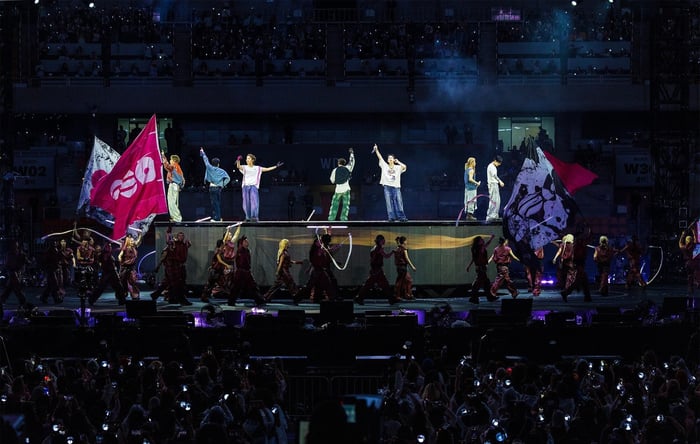
Sonic Guild Is Revolutionizing the Music Community with Artist Support Grants


 See more Architeg Prints stories on Google.
Sonic Guild Is Revolutionizing the Music Community with Artist Support Grants
Empowering independent musicians through grants and community, Sonic Guild reshapes what it means to be a music community.
If you’ve ever wondered what it truly takes to survive and thrive as an independent musician these days, Sonic Guild is a shining beacon in a rapidly shifting music landscape. This nonprofit organization is transforming how artists get support, helping them stay afloat and creating a sustainable future for music’s next generation.
From Rock Legends to Rising Stars: The Heart of Sonic Guild
What do icons like Mike McCready, Stone Gossard, Kirk Hammett, Matt Berninger, Dave Matthews, and members of The Head and the Heart share besides their formidable musical careers? They all remember the grind of being struggling musicians, and today, they’re giving back as supporters and donors of Sonic Guild.
Sonic Guild’s mission is simple but powerful: provide independent musicians with the critical funding they need to continue their craft without the usual strings attached. It’s not just about recording albums; it’s about making tours happen, investing in merchandise, hiring publicity or management—anything that helps artists build sustainable careers. The goal? To ensure we don’t miss out on the Pearl Jams or Black Pumas of tomorrow.
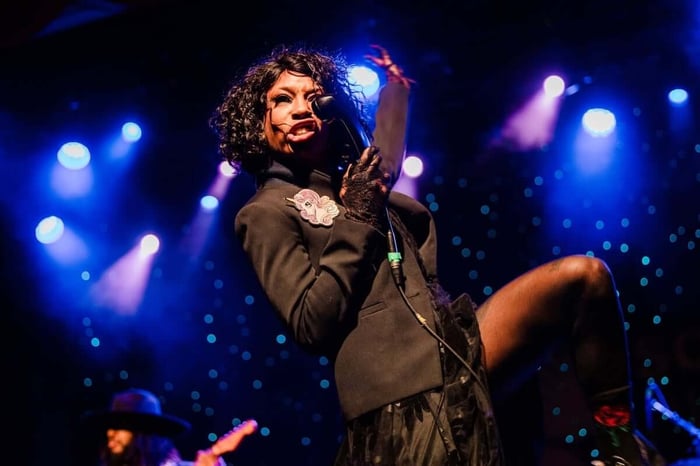
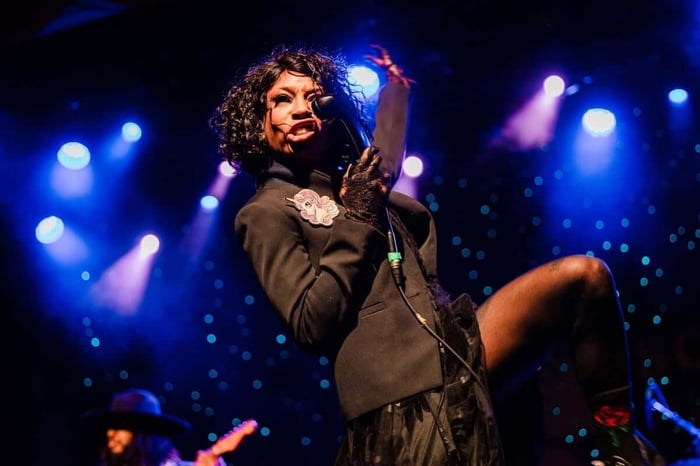
“If music is important to us, we can’t just sit on the sidelines and watch what’s going to happen as the industry keeps changing,” says Sonic Guild CEO Ben London. “We’re investing in the future. If you’re not nurturing the next generation, then the well will go dry at some point.”
Notable alumni of Sonic Guild’s program include national sensations like Black Pumas, Die Spitz, Shakey Graves, and Thunderpussy — proof that their model works.
The Birth of a Modern Patronage System
Sonic Guild sprang to life in 2013 out of Austin, Texas, thanks to music fans Matt Ott and Colin Kendrick. They were frustrated by how indie musicians were left to fend for themselves during the streaming revolution, while classical art forms like ballet and symphony enjoyed patron support. Their solution? Build a community where music lovers directly back artists through membership.
The model is beautifully democratic and simple: members pay monthly or yearly dues granting them access to monthly showcases featuring emerging talent, plus voting power in deciding who gets grants. Thanks to memberships, donors, and corporate sponsors like Tito’s Handmade Vodka, Sonic Guild offers:
- Artist grants up to $20,000
- Touring grants up to $1,500
- Producer grants up to $7,500
Since joining in 2018 to bring the movement to Seattle, CEO Ben London has helped Sonic Guild invest over $7.3 million across its three hubs — Austin, Seattle, and Denver — with plans to grow further.

London reflects on the model’s uniqueness: “It felt like they cracked the code, that they found a way to get money into musicians’ pockets where there weren’t strings attached. It wasn’t like the indie record deal I signed back in the ’90s where you got a few grand but lost all rights.”
Having been a musician himself with the Seattle alt-rock band Alcohol Funnycar and experienced the pitfalls of traditional deals and changing industry economics firsthand, London knows the stakes.
Why Independent Music Needs Sonic Guild Now More Than Ever
Back in the day, musicians could press a thousand records or CDs and sell them at gigs or out of the back of their car to break even. Today? The game has changed dramatically, and expenses like gas and tour costs are skyrocketing. Yet, the guarantees emerging artists receive haven’t budged much in decades.
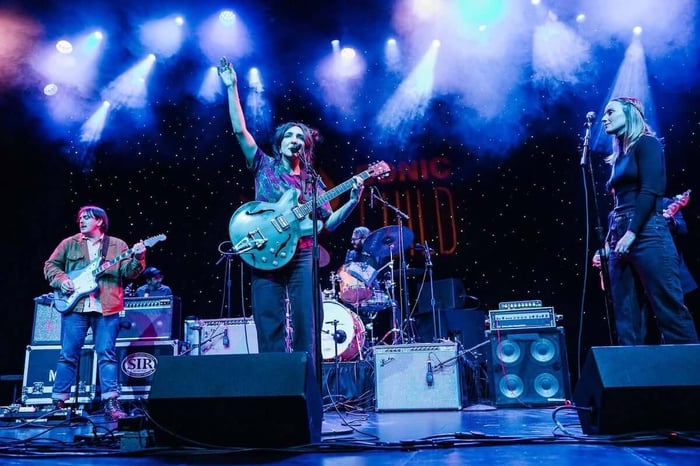
Ben London candidly says, “New problems require new solutions. That’s what we’re really focusing on.”
This focus is paying off. Tomo Nakayama, a Seattle-based artist, received a Sonic Guild artist grant in 2020 that funded a home studio, enabling him to create music featured in Netflix’s House of Ninjas. This year, a tour support grant helped him organize shows in Japan, expanding his audience overseas.
“Sonic Guild has been a complete game changer,” Nakayama shares. “It’s especially vital for communities of color and historically underrepresented groups. It levels the playing field. Ben always says, the rising tide lifts all boats, and that’s exactly what Sonic Guild has done for our music economy and community.”
Inside Sonic Guild’s Grant Programs
Ben London breaks down the three main grant types:
- Artist Grants: Usually around $10,000 but can go as high as $20,000. These unrestricted grants help musicians move their careers forward in any way they choose. Sonic Guild awards 10–15 artist grants per year in Seattle and Austin.
- Producer Grants: Started in honor of George Reiff, an Austin producer who passed away from cancer, this grant supports producers working with artists who can’t normally afford studio time. These grants are $7,500 each and aim to nurture both established and emerging producers.
- Tour Support Grants: The newest program, now in its second year, has distributed over $70,000 to help artists cover touring expenses like gas and merchandise upfront. Musicians can apply for $150 per tour date for up to 10 days, which may seem modest but can alleviate the heavy debt many face after touring.

London explains the nuance of tour support: “It works well for certain genres but not as much for others. For instance, hip-hop artists might benefit more from playing a major festival than 10 small tour dates. Plus, safety concerns affect touring decisions, especially for BIPOC artists, so we’re always adapting.”
The Membership Model: Building a Music Lovers’ Community
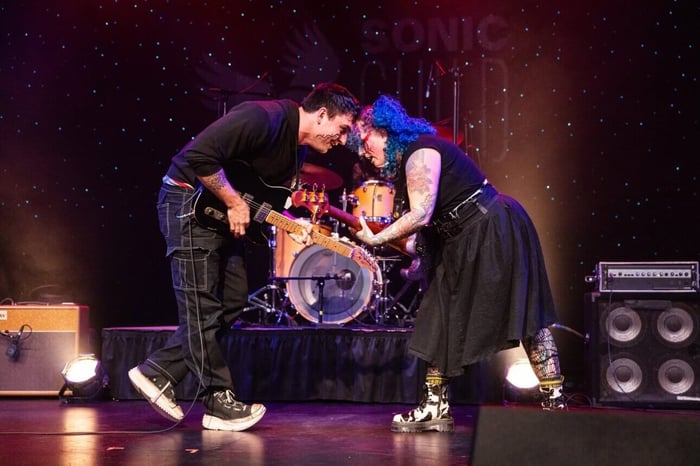
Sonic Guild’s magic isn’t just the money—it’s the connection.
Members pay $750 annually or $75 monthly to attend intimate monthly showcases that spotlight new artists. This creates a vibrant community of music lovers who may not have the time or stamina to chase late-night gigs but still want to discover cutting-edge talent.
“I’ve had my life changed more in a room with 100 like-minded people than in big arenas. It’s my church,” London says. “One member told me, ‘I never thought I could make friends like this again at this point in my life.’ Music is the connective fiber that brings us together.”
Support from Big Names and Brands
Sonic Guild’s network extends into some impressive corners of the music world.
Tito’s Handmade Vodka, known for backing arts and culture in Austin, kicked off the tour support grants with $50,000. Pearl Jam, The Head and the Heart, and Distrokid are among the major supporters, providing everything from auction guitars signed by Mike McCready and Kim Thayil to financial backing.
Stone Gossard puts it simply: “I’ve spent much of my life on the road, so I understand the challenges musicians face. It’s great to support organizations like Sonic Guild that are building new solutions.”
How Musicians Can Join the Movement
Interested bands can get involved in several ways:
- Artist Grants: These are nomination-based and open at specific times of the year.
- Tour Support and Producer Grants: Applications are accepted on Sonic Guild’s website, though currently only available to artists in chapter cities (Seattle, Austin, Denver).
London encourages musicians and fans alike to reach out if they want to bring Sonic Guild to new cities. Talks are underway with Minneapolis, Chicago, San Francisco, and others—the demand is palpable.
A Growing Future for Independent Music Support
As the live music sector remains one of the most reliable income sources for artists, Sonic Guild’s expansion plans focus on bringing their proven support model to more communities. Whether by adding more tour support programs or full chapters, the vision is clear: empower musicians everywhere.
Sonic Guild is much more than just a grant program—it’s a tight-knit community that understands the struggles hidden behind the music and actively works to change the game for independent artists. If you love music, this is a movement worth knowing.
FAQ
- What types of grants does Sonic Guild offer?
They provide artist grants, producer grants, and tour support grants designed to help musicians with recording, producing, and touring expenses. - Who can apply for Sonic Guild grants?
Tour support and producer grants are open by application to musicians in Seattle, Austin, and Denver. Artist grants are nomination-based. - How is Sonic Guild funded?
Through member dues, donations from fans and artists, and corporate sponsors like Tito’s Handmade Vodka. - Can musicians outside chapter cities receive grants?
Currently, only artists in the chapter cities are eligible, but Sonic Guild is exploring expansion to new markets. - How do membership showcases work?
Members pay annual or monthly dues and gain access to curated monthly live shows featuring emerging local artists.
Ready to celebrate your favorite artists and support independent music? Shop the most iconic album cover posters that capture the spirit of the music you love at Architeg Prints.
 | DISCOUNTGET 30% OFF*Use code on your next order:
|
* This post may contain affiliate links, meaning we earn a commission if you make a purchase through these links, at no additional cost to you.