Failure Broke Up and Nearly Lost Everything. Now They’re Back with a Powerful New Sound


 See more Architeg Prints stories on Google.
Failure Broke Up and Nearly Lost Everything. Now They’re Back with a Powerful New Sound
Failure's comeback album blends haunting melodies and cosmic riffs after near collapse, showcasing the band's resilience and evolution in alternative rock.
From Near Tragedy to Triumphant Return
The story of Failure is anything but ordinary—it's a tale of hardship, reinvention, and perseverance. At the end of 2024, things took a dire turn when Ken Andrews, the band's singer and guitarist, suffered a serious back injury that led to surgery. The injury wasn’t just physical; it threatened the very core of his ability to create music.
“That really changed everything for me,” Andrews reflects, recalling how he was confined to a walker and battled extreme nausea for months during recovery. “I really felt my mortality and it took a very long time to recover both physically and mentally.”
This dark chapter birthed Failure’s seventh album, Location Lost. The record is a haunting and cinematic exploration of that struggle, enveloped in the band’s signature space-rock and alternative textures. It’s a soundtrack to pain, resilience, and the strange beauty found in moments of vulnerability.
An Album Marked by Cosmic Contemplation
On tracks like “Solid State,” Failure transforms disorientation into a cosmic journey. With a heavy, majestic rhythm, Andrews sings:
“There’s nothing left to do but fall through space / Another body waits to take your place / This action grows stranger every day / Your mind gets clearer as I float further away.”
Listening to Location Lost now, Andrews admits, “There’s a lot of thinking about the end of things,” reflecting the album’s underlying themes of loss and transformation.
The album cover itself—a blazing, giant eyeball surveying a futuristic cityscape with a soldier in a spacesuit ready to fire—visually captures the surreal, digital disconnection the band seeks to express. Greg Edwards, bassist and guitarist, explains that the album is a reflection on how “in this strange digital world we live in, we can get lost in all kinds of parasocial versions of other people and ourselves.”
Back to Reality Before the Road
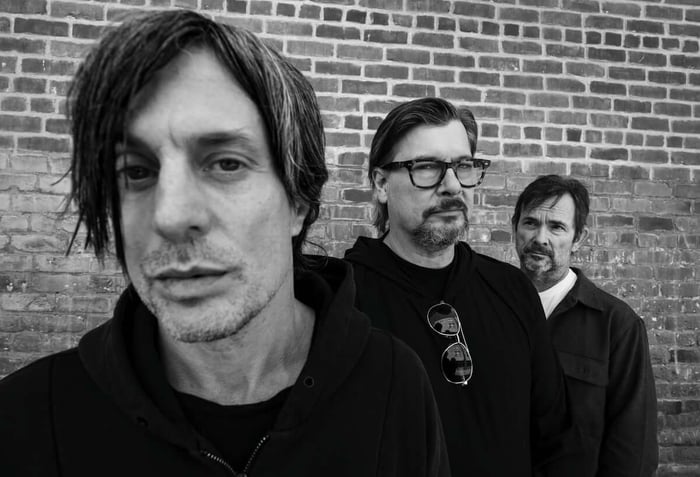
At a cozy Pasadena café, the trio—Andrews, Edwards, and drummer Kellii Scott—enjoy their morning coffee. Soon, they’ll hit the road again to tour Location Lost, performing a rich catalog of music that sways between subtle introspection and explosive intensity.
Since their early 1990s beginnings, Failure has drawn fans from all corners of the rock spectrum, including Tool’s Maynard James Keenan and Paramore’s Hayley Williams. In a first for the band, Williams lends her vocals on “The Rising Skyline,” a sweeping, melancholic piece that builds into a powerful guitar swirl.
“She was inspired by Failure to start her own band in high school,” Edwards shares. “Hayley’s been to shows over the years, and Ken has worked with her.” After the devastating Los Angeles wildfires in January 2025, Williams and Andrews performed together at a benefit concert, blending Failure’s “Daylight” with Bjork’s ethereal “All Is Full of Love.”
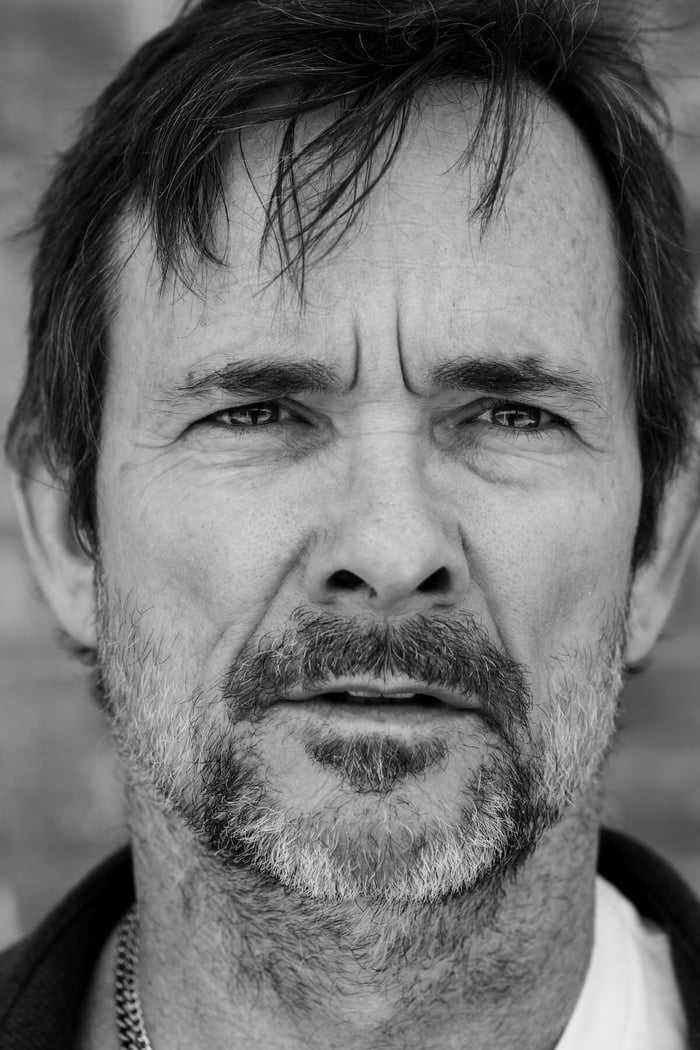
Drummer Kellii Scott of Failure. (Credit: Steve Appleford)
“Being on stage when Hayley walks out in front of a crowd is an experience that I’ve never had before, that’s for sure,” Andrews smiles, clearly still thrilled by the collaboration.
Creating Amidst Recovery
During the recording of Location Lost, Andrews was initially still fragile. “I had one hand tied behind my back, or maybe both,” he admits, “I couldn’t even make it to the studio some days.” Yet, with the band rallying around him, those limitations sparked a unique creative energy.
“I was just kind of high on the fact that I didn’t feel like shit anymore,” Andrews laughs. “I had a real solid run of a month or two of feeling really creative.”
This album followed a significant detour: Failure’s autobiographical documentary Every Time You Lose Your Mind, released last year and available on Hulu. Filmmaking had been a side passion for Andrews, who studied it at Cal State Los Angeles and supported himself editing video early on. The project, originally started by self-funded filmmakers nine years prior, was stalled during the 2020 pandemic, but Failure took control to craft an intimate portrait of their journey.
The Origins of Failure
The band’s name started as a joke when Andrews and founding drummer Robert Gauss first came together. Greg Edwards joined in 1990, fresh out of high school. They cut their teeth playing iconic L.A. clubs like Raji’s, Al’s Bar, and Club Lingerie, slowly building a local following helped by college radio station KXLU spinning their indie singles.
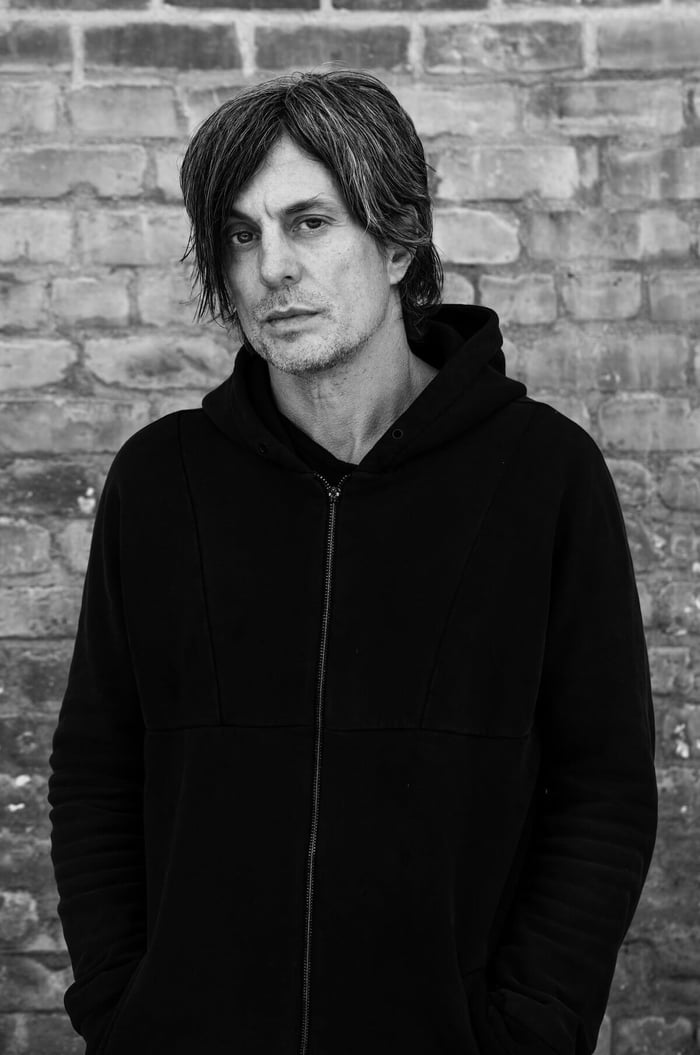
Greg Edwards, founding bassist and guitarist for Failure. (Credit: Steve Appleford)
Signing to Slash Records in 1992, Failure emerged during the rise of alternative rock’s dominance on radio and MTV. But despite the grunge explosion led by Nirvana, Edwards insists the band always leaned towards art rock.
“We were just looking to make unique, interesting music,” he says. “If you listen to our early stuff, it’s art rock really.” They identified more with the atmospheric intensity of My Bloody Valentine, the raw edge of the Jesus Lizard, and the eclecticism of Jane’s Addiction.
Evolving Sound and Lineup
Their debut album Comfort (1992), produced by Steve Albini, captured a raw, guitar-driven sound fitting the era. But even then, Andrews and Edwards were pushing boundaries, layering dissonance with ethereal and electronic elements, often switching between guitar and bass to find fresh textures.
“We kept the dissonance that we were exploring on Comfort, but tried to make it more beautiful in a way,” Edwards explains.
Following Magnified (1994), Kellii Scott joined as drummer, bringing his metal background from Dumpster, a band that once shared stages with Tool. Scott impressed Edwards instantly when he nailed the complex drum pattern for “Frogs” at his audition—a feat previous drummers couldn’t master.
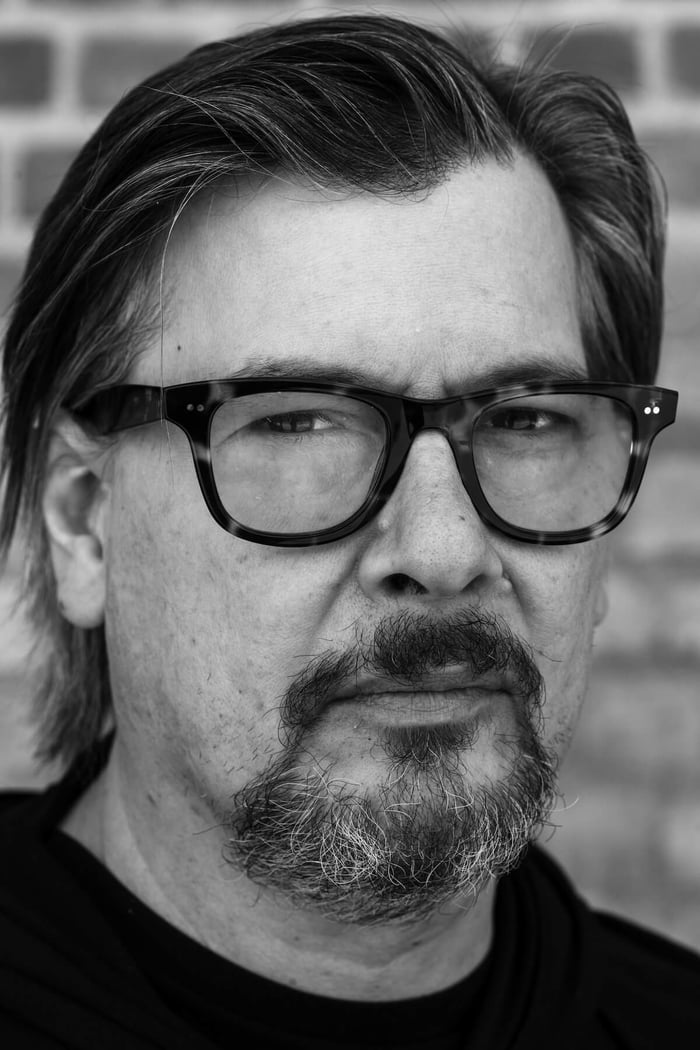
Ken Andrews, founding singer and guitarist for Failure. (Credit: Steve Appleford)
“I liked his energy,” Edwards recalls. “He was funny. He was cool. I could tell he had the stamina and the energy to be a great drummer.”
“To undo what had been done to me,” Scott jokes, referring to his challenge of adapting to Failure’s style.
Touring with Tool and the Birth of Fantastic Planet
The band spent six months touring with Tool across North America and Europe. The experience shaped Fantastic Planet (1996), Failure’s most muscular-sounding album.
“There’s a reason why that’s the most muscular sounding album—because we’d done all that support work for Tool,” Andrews says. “Those crowds wanted heavy. They wanted aggressive.”
The band had cemented its trio lineup, gained creative control from Slash Records, and built a makeshift studio in a house rented from Lita Ford, allowing ideas to simmer and evolve naturally.
Guitar Layers and Expanding Live Sound
For the Fantastic Planet tour, guitarist Troy Van Leeuwen joined to fill out the live sound. He later became part of A Perfect Circle and Queens of the Stone Age. “He made us sound a lot bigger live,” Andrews notes. “We needed that added oomph because we had explored a lot more layering on Fantastic Planet.”
Van Leeuwen also contributed to a cover of Depeche Mode’s “Enjoy the Silence” on a 1998 tribute album and began work on the follow-up to Fantastic Planet. However, Edwards’ struggle with heroin addiction derailed the project.
“I thought it was just over,” Andrews confesses. “I was honestly worried that Greg wouldn’t survive at that point, and I didn’t feel like the band was helping him.”
Separate Paths and New Beginnings
Following this low point, Edwards withdrew from guitar playing but slowly returned to music through solo demos and production work, eventually forming Autolux. Scott kept busy collaborating with numerous artists, including Blinker the Star, Veruca Salt, and Dr. Dre.
Andrews notes that their friendship rekindled through fatherhood: “It wasn’t until Greg and I had our first kids that we actually started talking again and bonding over the fact that we were new dads.”
Playdates for their toddlers created a natural, low-pressure environment in which music might one day come back into their lives. The idea of reviving Failure was unspoken but lingering.
Reunion and Renewed Chemistry
In 2013, Andrews reached out to Scott, breaking the ice: “I don’t know if you’ve heard, but Greg and I…” The drummer anticipated the words to follow. Both Scott and Edwards approached the reunion cautiously, skeptical about whether the magic could survive so many years apart.
“Especially after 16 years, bands are not the same people, so they don’t come to the music with that same energy and sensibility,” Scott explains. “The internal chemistry—the things you can’t quantify about who the people are and what happens when they get together—is gone for them.”
But when they finally jammed together, it was clear the spark was alive.
“It was not the ’90s all over again,” Scott remarks. “We had all been in other projects and we had grown as players and our interests in music had grown quite a bit. It was totally different while remaining the core.”
A New Chapter with The Heart Is a Monster and Beyond
Their first album in 19 years, The Heart Is a Monster (2015), mixed songs and ambient interludes, honoring their history but showing clear growth. This momentum carried on with 2018’s In the Future Your Body Will Be the Furthest Thing from Your Mind and 2021’s Wild Type Droid.
The band members see their evolution positively.
“We’re literally 30 years older,” Andrews observes. “Maybe there’s the same amount of creative tension and friction—which is the sound of the band—but there’s less personal antagonism than we had in our 20s.” He wryly adds this might reflect “just less testosterone.”
Edwards jokes it might be “more wisdom or fewer brain cells,” but either way, there’s now more openness and less preciousness in their creative process. The diversity of Location Lost shows how mature their collaboration has become.
Seven albums deep, Failure no longer has to prove themselves—they know who they are.
Continued Artistic Balance
Edwards sums it up with a grin:
“The ways in which Ken and I are temperamentally and artistically different have remained consistent—both the things that we appreciate about each other and the things that kind of drive each other crazy. But there’s more acceptance of like, ‘That’s just how he is’ and we always end up with something that we’re pretty happy with. The end of the world is not in the balance here.”
- How did Ken Andrews’ injury affect the new Failure album?
His back surgery and long recovery deeply influenced Location Lost, infusing it with themes of mortality and disorientation that shape the album’s sound and lyrics. - Who are the current members of Failure?
The core trio is Ken Andrews (vocals/guitar), Greg Edwards (bass/guitar), and Kellii Scott (drums). - What makes Location Lost unique in Failure’s discography?
It blends spacey, cinematic textures with raw emotional depth inspired by Ken’s personal struggles, marking a mature and reflective evolution of their sound. - Did Failure collaborate with other artists on this album?
Yes, Paramore’s Hayley Williams guest sings on “The Rising Skyline,” marking the band’s first guest vocal feature. - How did the band’s reunion come about after a long hiatus?
Their renewed friendship through fatherhood and a cautious approach to jamming eventually rekindled their creative chemistry, leading to multiple new albums.
Ready to celebrate Failure’s rich legacy? Shop your favorite album cover posters and bring the band’s iconic art into your space at Architeg Prints. Perfect for fans wanting to hold onto that timeless alternative rock vibe.
 | DISCOUNTGET 30% OFF*Use code on your next order:
|
* This post may contain affiliate links, meaning we earn a commission if you make a purchase through these links, at no additional cost to you.