
Reading Isn’t ‘Over’ — Because Reading Was Never the Real Issue


 See more Architeg Prints stories on Google.
Reading Isn’t ‘Over’ — Because Reading Was Never the Real Issue
Reading isn’t dying out; the real challenge lies in what we do when the love for reading fades.
When I was just a kindergartener, recess was a treasured break in the school day. While most kids dashed outside to kick a ball or play tag, I preferred something quieter—grabbing a book from our bright, paint-chipped classroom library and curling up under a shady tree to read. My world felt richer in those moments, surrounded by stories that transported me far beyond our schoolyard.
One spring day, I picked up The Little Old Man Who Could Not Read by Irma Simonton Black, with charming illustrations by Seymour Fleishman. It’s a simple tale about an elderly man who, unable to read, buys the wrong groceries—like wax paper instead of spaghetti—leading to a frustrating and somewhat funny mix-up. But I didn’t find it funny at all. My five-year-old heart ached for that man. You see, the story hit closer than I wanted to admit. I recalled a hushed conversation between my parents about my dad’s struggles with reading, the same struggles that led to those confusing grocery trips. At the time, I didn't understand the word illiterate—I just knew this problem wasn’t supposed to exist in my family.
Growing up in South Boston, a gritty but proud immigrant community, and later moving to a working-class suburb, my parents’ world was steeped in toughness and resilience. Massachusetts is often lauded as the smartest state in the U.S., home to institutions like Harvard and MIT, yet even here, illiteracy quietly cast its shadow—an invisible barrier leading to a lifetime of challenges. Illiteracy was for "other people," not people like us.

The solace of a book in quiet moments (Credit: Pascal Deloche/Godong/Universal Images Group via Getty Images)
Beyond Words: What Illiteracy Really Means
Most folks think illiteracy is just being unable to read or write. But it’s much more complicated than that—it shapes your whole life. It’s the difference between feeling empowered or invisible, included or isolated.
One of Robert De Niro’s most underrated roles is in Stanley & Iris (1990), where he plays an illiterate short-order cook hiding his secret while falling for a waitress who helps him learn to read. The film touches on the daily dance of hiding illiteracy—the shame, the fear, the social hurdles. When his boss discovers Stanley can’t read, he’s promptly fired, a brutal reminder of the stigma and discrimination that come with this hidden struggle. Stanley is kind, smart, and resilient, yet his inability to read bars him from a fair shot at life.
You might have tossed around the phrase, “Can’t you read?” as a joke, assuming everyone can read unless proven otherwise. But the truth is, many slip through the cracks of our education system, their struggles invisible behind forced smiles and quick cover-ups.
Unlike the movie’s speedy literacy turnaround, learning to read as an adult is an arduous, slow journey. Adult literacy teachers confirm this—it’s not as simple as flipping a switch. I’ve seen it firsthand.
My Father’s Brave Battle Against Illiteracy
During my MFA playwriting days, I received a call from my dad, confiding that he’d started learning to read at 50. For decades he’d lived without this fundamental skill, but he promised himself he’d figure it out. His determination led him door-to-door across Boston hospitals, searching for help. Eventually, a hospital program accepted him, revealing he had multiple learning differences. So began an intense process of relearning letters and numbers as if he were a child, but with the weight of adult life on his shoulders.
In one revealing moment, he sat in a conference room with experts who lamented their failure to recruit illiterate adults through newspaper ads. My dad couldn’t help but laugh: “How do you expect people who can’t read to see your ad?”
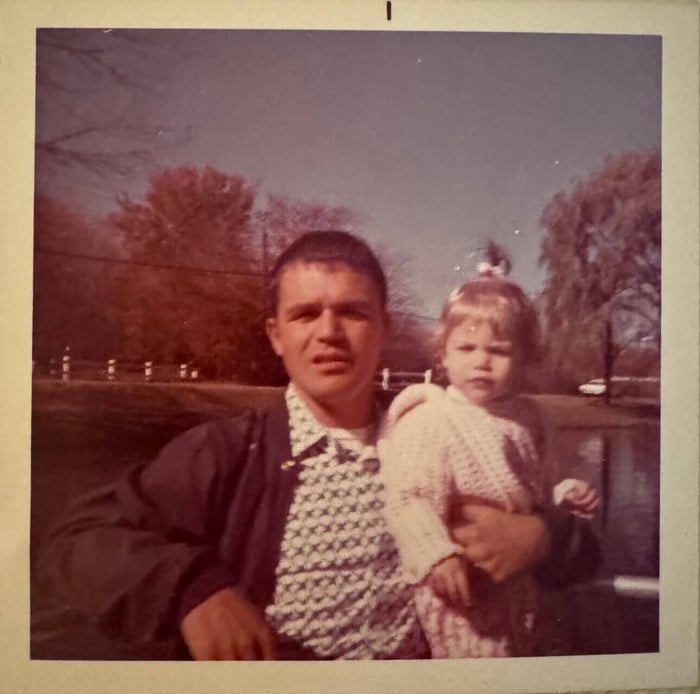
Dad and me, a lifelong bond beyond words.
The Silent Epidemic We Choose to Ignore
This story is not new, nor isolated. Illiteracy has been lurking for decades, an epidemic too uncomfortable for society to confront head-on. A recent cover story in The Atlantic proclaimed, “The Age of Reading Is Over,” asking if civilization can survive the post-literate era. The article, rich with insight, sparked a long-overdue conversation about literacy’s decline and its implications.
But it’s not just about the end of reading—it’s about what happens when curiosity, passion for knowledge, and the hunger to grow start to vanish. When I recently revisited Ocean Vuong’s novel On Earth We’re Briefly Gorgeous—a poetic exploration of a boy and his illiterate mother—I was reminded how deeply literacy intertwines with identity and experience. Years ago, I tried pitching a memoir about my dad’s literacy journey alongside commentary on America’s growing crisis. It was met with silence. Publishers didn’t see the urgency or the market for such a story.
Why Illiteracy Isn’t a Pretty Topic
Illiteracy doesn’t have the glamor of other social issues. It’s raw, uncomfortable, and often hidden within marginalized communities. Unlike causes that get red ribbons, celebrity galas, and viral campaigns, illiteracy remains the ugly underbelly of education. It's a root rot nobody wants to face, yet it holds people back from thriving in every aspect of life.
Generational literacy decline, especially among Gen Z, has made headlines with warnings of diminishing skills and intelligence. While not every young person fits this trend, the concern is real: a generation split between those who cherish knowledge and those who remain distant from it. My father’s thirst for learning came from pure intelligence and curiosity. He wanted to read newspapers, understand history, and grasp current events. He’d quiz me on tree bark, the human hand’s bones, and other trivia with a sparkle in his eye. But how do we inspire entire generations to read if they already believe they know enough?
The short answer: You can’t force it. Those who want to read, will.
The Deeper Danger of Functional Illiteracy
Even trickier to spot than outright illiteracy is functional illiteracy—the inability to critically process information. This means people may read words but can’t discern truth from manipulation. It’s a playground for those who seek to control or deceive. Future leaders and parents burdened with this deficit risk perpetuating cycles of ignorance. Literacy is often passed down generations, making it a stealthy but deadly threat.
History shows us that this isn’t new. Even ancient Greeks may have been largely functionally illiterate. Victorian society went so far as to institutionalize women for daring to read novels. In 2026, the states with the lowest literacy rates are surprising—California, for example, has an estimated 30% of adults struggling with basic reading comprehension. New Mexico reportedly tops the list, a spot long held by states like Mississippi or Louisiana. But measuring illiteracy is inherently flawed—how do you count those who can’t even read the survey?
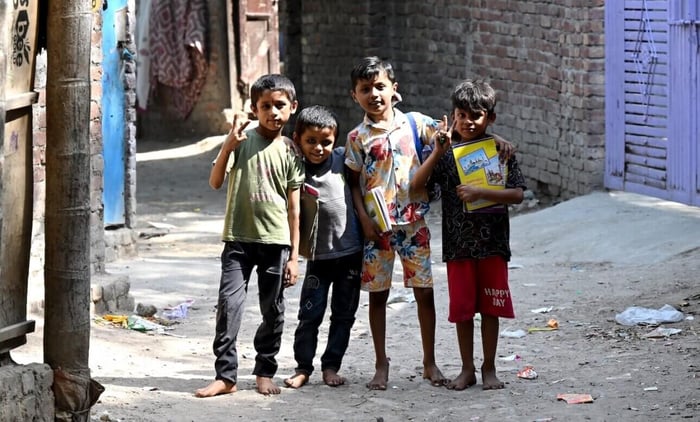
Children clutch books in a refugee camp in New Delhi, symbolizing the universal challenge of literacy (Credit: Ishant Chauhan / Hindustan Times via Getty Images)
A Lifelong Hunger for Knowledge
My father’s journey wasn’t just about letters—it was about living. From teaching me to harvest honeybees to running marathons, he embodied curiosity and grit. He loved the theater, the ballet, and would excitedly comment on plays, even though reading scripts and programs was a challenge.
So, whether or not reading is “over,” the real issue is never the printed word itself. Reading is a symptom of something deeper—our innate curiosity and drive to understand the world. It’s how we connect, grow, and share our stories. Should reading decline, the question remains: what will replace this essential human experience? What happens to generations not compelled to seek knowledge?
What Can We Do?
This problem belongs to all of us. As an editor, I witness firsthand how the media landscape is shifting, sometimes sacrificing integrity for clicks. But reading isn’t about clicks or trends; it’s about stories—passed down orally for millennia before being etched on paper. Shakespeare’s audiences were often illiterate but still craved stories, coming together to experience life and drama.
People sometimes ask me, “Isn’t it strange that you’re a writer with a dad who couldn’t read?” I smile and say, “Not at all. He’s lived a rich life, and he’s the best storyteller I know.”
“Reading is a byproduct of curiosity, a passion for knowledge, the natural need to grow.” — Liza Lentini
FAQ
- How widespread is adult illiteracy in the U.S.?
Estimates suggest nearly 30% of adults in some states struggle with basic reading comprehension, but exact numbers are hard to pin down due to the hidden nature of the issue. - What challenges do adults face when learning to read?
Adult literacy education is slow and demanding, often resembling childhood learning but with the added weight of adult responsibilities and social stigma. - Why isn’t illiteracy widely addressed?
Illiteracy lacks the glamour of other social causes, often affecting marginalized groups and lacking celebrity-driven awareness campaigns. - What’s the difference between illiteracy and functional illiteracy?
Illiteracy is the inability to read or write; functional illiteracy means lacking the skills to critically understand and analyze written information. - How can society help combat illiteracy?
Recognizing the problem publicly, supporting adult literacy programs, and fostering a culture that values lifelong learning are key steps.
If this article has stirred your passion for the power of reading and storytelling, consider bringing that inspiration home. Shop your favorite album cover posters and celebrate the stories that shape us at Architeg Prints. It’s a thoughtful way to keep the conversation alive and honor the art of storytelling.
 | DISCOUNTGET 30% OFF*Use code on your next order:
|
* This post may contain affiliate links, meaning we earn a commission if you make a purchase through these links, at no additional cost to you.