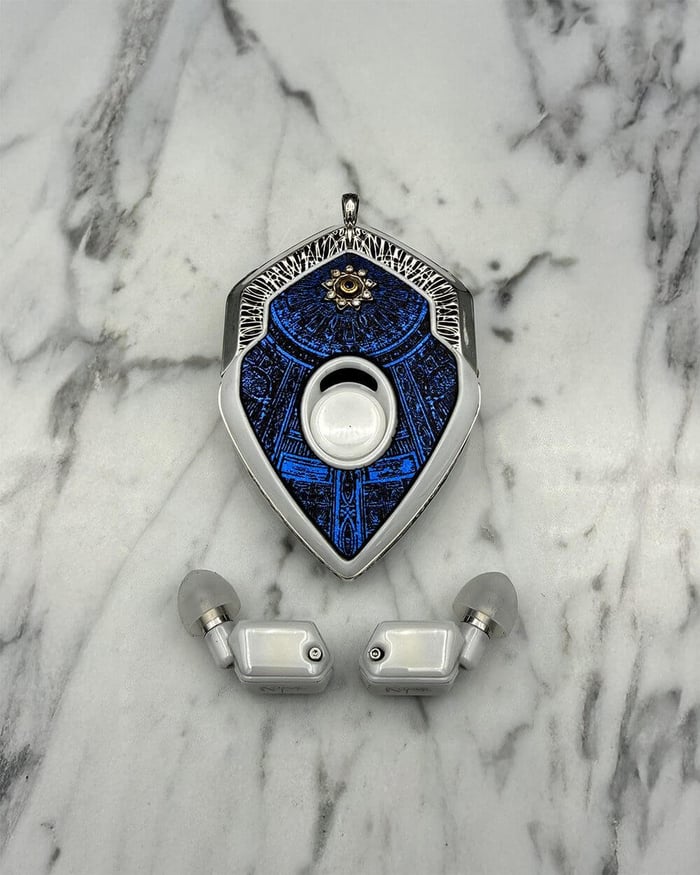
Revisiting the In-Ear Computer: How T10’s Architecture Still Stands Apart in Hearables


 See more Architeg Prints stories on Google.
Revisiting the In-Ear Computer: How T10’s Architecture Still Stands Apart in Hearables
Explore how T10’s innovative in-ear computer design reshaped the hearables market with onboard processing, high-res audio, and unique user interaction.
A New Breed of Hearables Arrives
As a longtime fan of cutting-edge audio tech, I’ve watched the hearables market inch forward, mostly through small upgrades—better noise canceling, longer battery life, and steadier Bluetooth connections. But every now and then, a product comes along that’s less about incremental change and more about redefining what these tiny gadgets can truly be.
Enter the T10 Bespoke. While it’s not exactly the freshest face on the block, this in-ear marvel still sets the bar high for integration and innovation. Far from your average earbuds, the T10 packs onboard processing, customizable software, and high-fidelity audio all into a sleek, programmable hearables platform.
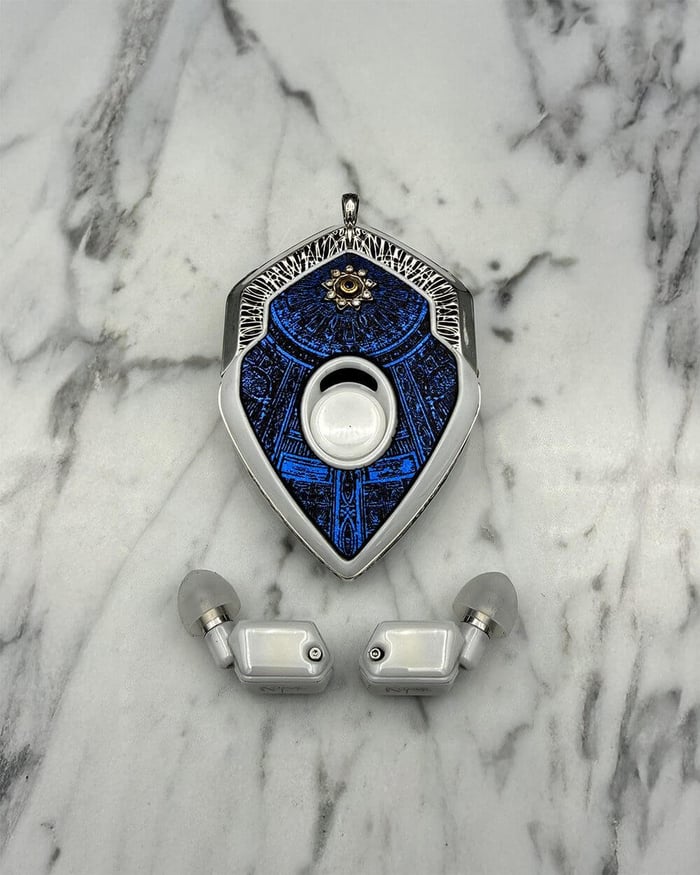
More Than Just Earbuds: The Architecture Behind T10
Unlike most wireless earbuds that lean heavily on fixed firmware and rely on your smartphone or other devices for heavy lifting, T10’s architecture flips the script. It’s built around an ARM-based processor, dual DSPs, and its own onboard memory, all packed into a tiny 1.38 cubic centimeter frame.
This compact powerhouse runs a customized version of Bragi OS, a real game-changer that lets developers and users customize features and extend capabilities over time. In other words, T10 behaves more like a wearable computer than a simple audio accessory.
“T10 was designed around the idea that the ear could serve as an interface, not just an input.” – Bear Clark
That means thinking about audio, sensors, computing, and interaction as one seamless system—not just a device to play music.
Designing for Interaction: Beyond Touch and Voice
If you’re used to tapping earbuds or yelling commands, T10’s interaction design might surprise you. In addition to the usual touch and voice controls, it boasts head gesture recognition, motion tracking, and a patented mouth-based interface. Imagine controlling your hearables hands-free and voice-free—perfect for moments when speaking out loud isn’t an option.
All this intelligence is processed right inside the earbud, cutting down on lag and dependence on your phone or watch. It reacts smartly and quickly, adapting to your environment and gestures with ease.
Built to Last: Repairable, Upgradeable, and Durable
One of my favorite things about the T10 is its long-term thinking. Unlike most wireless earbuds that are glued shut and tossed once their battery dies or tech becomes outdated, the T10 embraces repairability and upgradeability.
Crafted with ceramic zirconia and metal alloys, it’s designed to endure. Plus, its serviceable chassis means you can replace parts or update components over the years, pushing back against the throwaway culture that’s all too common in consumer electronics. It’s a refreshing nod to sustainability and responsible ownership in the audio world.
High-Resolution Audio Meets Cutting-Edge Tech
Of course, all that innovation wouldn’t mean much without stellar sound. T10 streams high-resolution audio at up to 24-bit/96kHz, placing it on the same sonic pedestal as portable hi-fi gear rather than typical consumer earbuds. For audiophiles craving clarity and depth, this is a major plus.
The integration of multiple microphones and sensors within its compact form lets T10 also stay aware of its surroundings, making features like environmental noise adaptation and gesture control feel natural and intuitive.
What the Future Holds for Hearables
As we see the limits of traditional earbud design becoming clearer, T10 Bespoke shines as a beacon of what’s possible when manufacturers rethink the very foundation of these devices. This “in-ear computer” approach might just signal the next phase of hearable technology—where innovation is less about tweaks and more about architectural leaps.
So, the next time you pop on your earbuds, consider: could your hearables become your most personal wearable computer yet?
FAQ
- How does T10 differ from typical wireless earbuds?
T10 integrates onboard processing, customizable software, and high-res audio, unlike most earbuds that rely on fixed firmware and external devices. - What unique control methods does T10 offer?
Beyond touch and voice, it supports head gestures, motion tracking, and a patented mouth-based interface for hands-free and voice-free control. - Is the T10 durable and repairable?
Yes, it features a serviceable chassis made from ceramic zirconia and metal alloys, designed for long-term use and upgradeability. - What audio quality can I expect?
T10 supports high-resolution streaming at 24-bit/96kHz, placing it in the realm of portable hi-fi audio rather than standard earbuds. - Does T10 require a smartphone for advanced features?
No, it processes gestures and environmental data locally, reducing reliance on external hardware for faster, context-aware responses.
If you’re inspired by T10’s groundbreaking design, why not bring that passion into your space? Shop your favorite album cover posters and transform your room into a shrine for audio innovation at Architeg Prints.
 | DISCOUNTGET 30% OFF*Use code on your next order:
|
* This post may contain affiliate links, meaning we earn a commission if you make a purchase through these links, at no additional cost to you.