Romania’s Eurovision Song ‘Choke Me’ Sparks Controversy Over Sexual Strangulation Theme

Romania’s Eurovision Song ‘Choke Me’ Sparks Controversy Over Sexual Strangulation Theme
Romania’s Eurovision entry has ignited debate, accused of glamorizing sexual strangulation through its provocative lyrics.
A Eurovision Entry That Hits a Raw Nerve
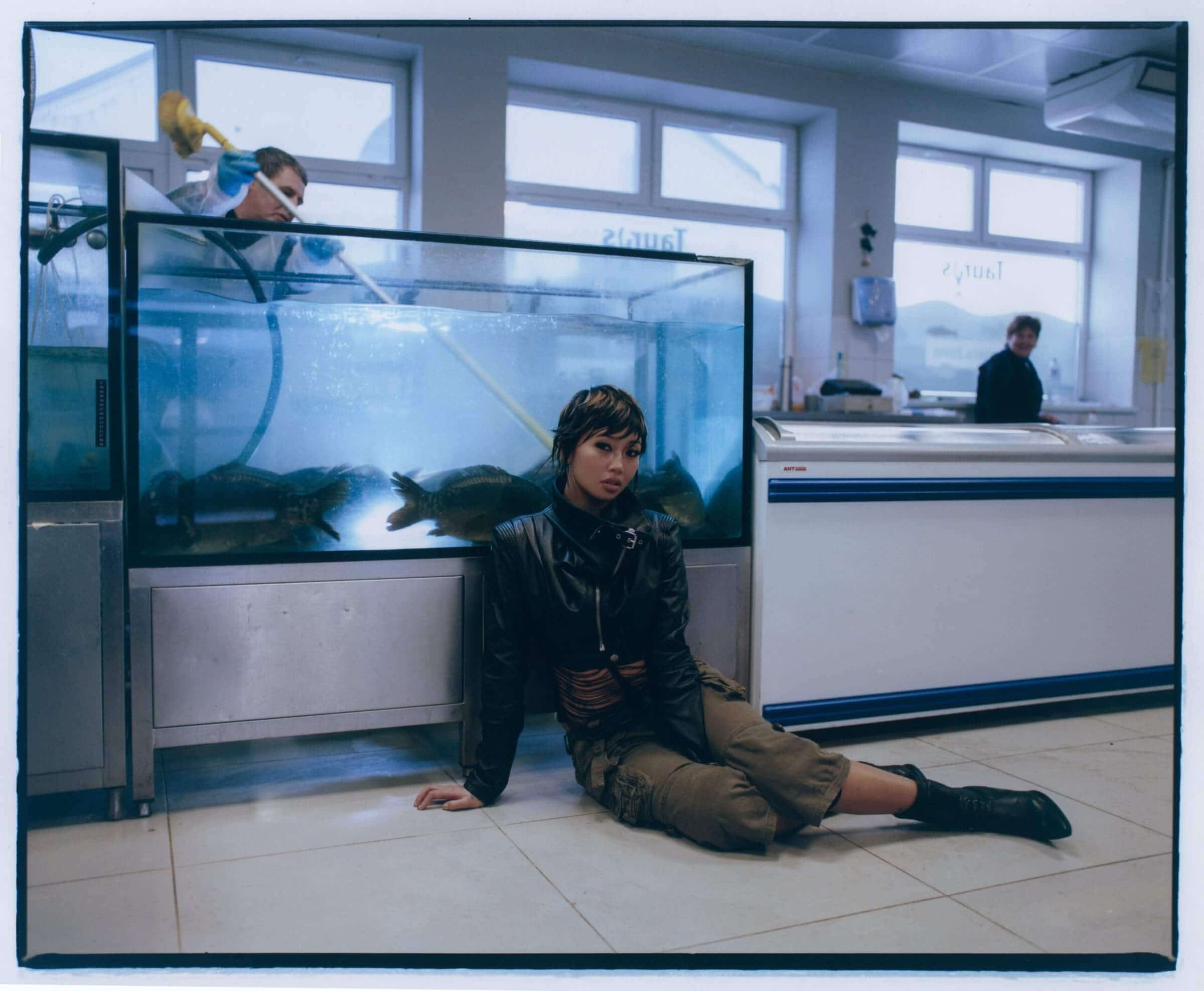
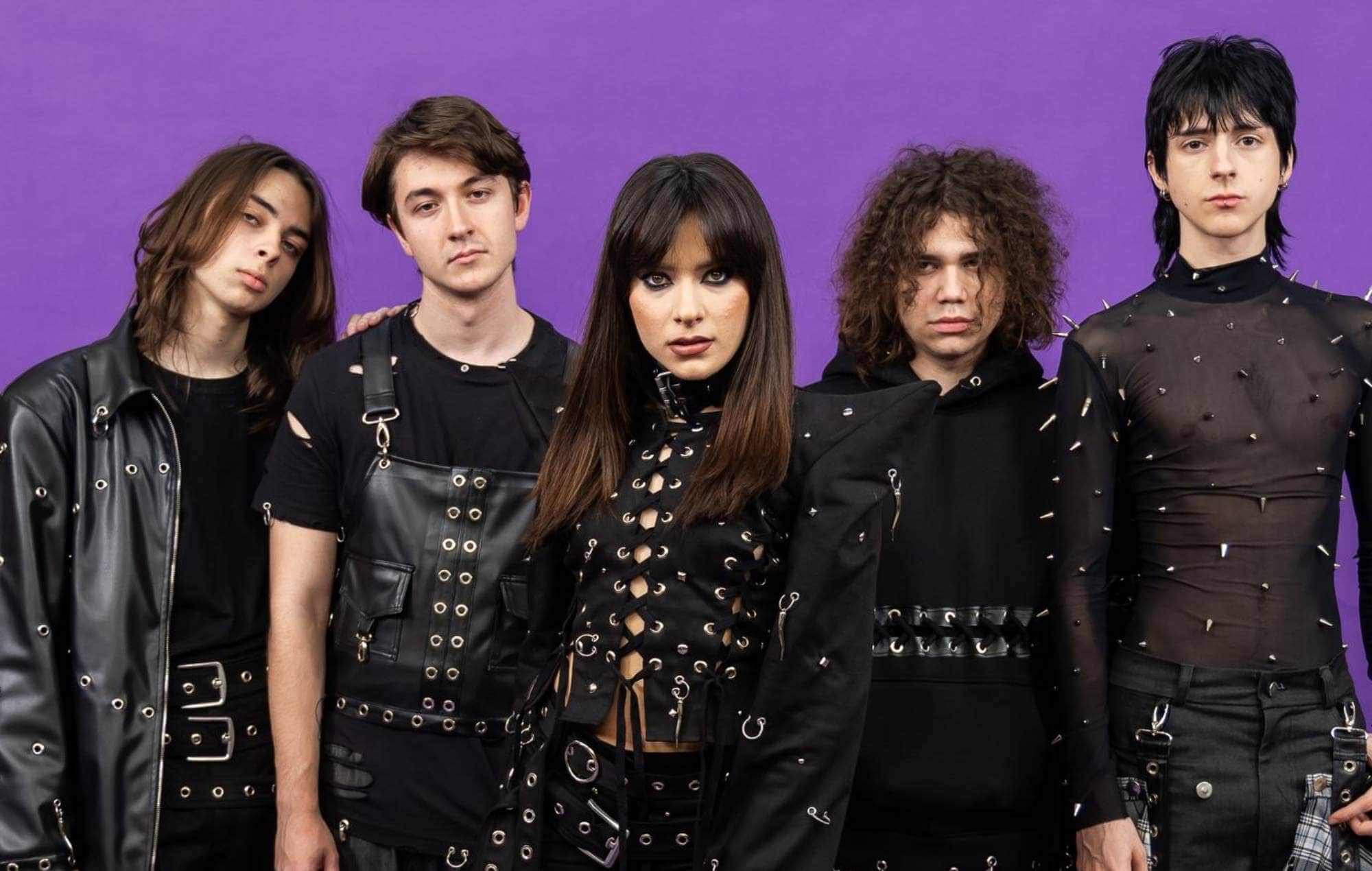
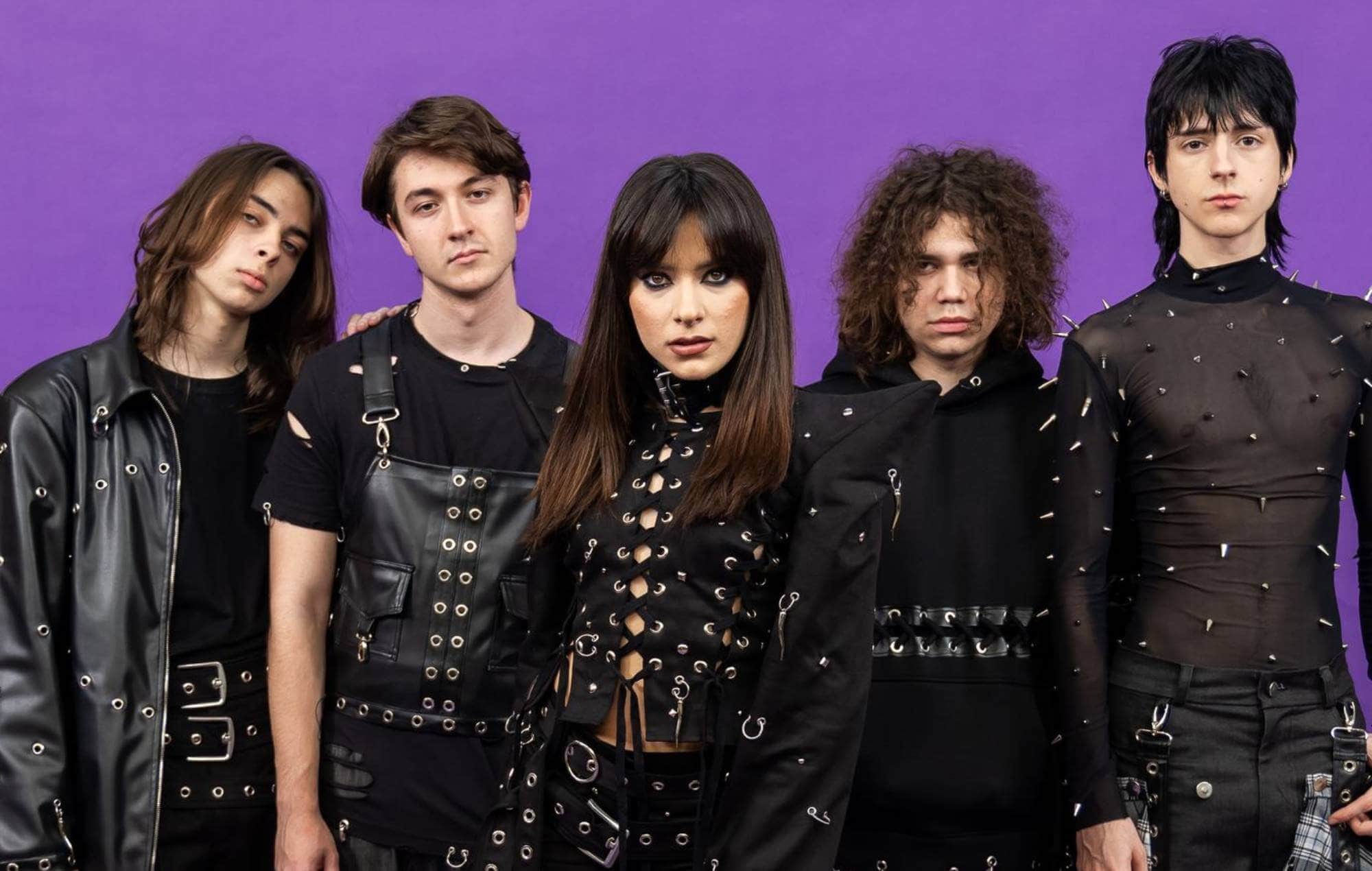
Eurovision never fails to deliver performances that stick with you, but Romania’s 2026 entry, “Choke Me”, performed by Alexandra Căpitănescu, has stirred up quite the storm. The song, inspired by nu metal vibes and performed by a former Romanian The Voice winner, isn’t just pushing musical boundaries—it’s also testing social ones.
The track is peppered with the phrase “choke me” repeated about 30 times across its three-minute span. The chorus boldly declares:
“All I need is your love
I want it to choke me, choke me, choke me
Born for you to control
I want you to choke me.”
This raw, repetitive hook has caught the attention—and criticism—of anti-sexual violence advocates, who argue that the song dangerously glamorizes a risky and harmful sexual practice.
The Dangerous Reality Behind the Lyrics
Clare McGlynn, a law professor at Durham University and author of Exposed: The Rise of Extreme Porn and How We Fight Back, spoke out about the song’s implications. She described “Choke Me” as showing “an alarming disregard for young women’s health and wellbeing.” Her worry is that the song, endorsed by Romania and Eurovision platforms, normalizes a perilous sexual behavior without addressing its consequences.
“It’s playing fast and loose with young women’s lives. The emerging medical evidence is that frequent sexual strangulation is giving young women brain damage.”
Her concerns are backed by recent research commissioned by the Institute for Addressing Strangulation (IfAS), which discovered that over one-third of people aged 18-34 have experienced choking or strangling during consensual sex. Alarmingly, more than a quarter reported being choked without their consent. This practice carries risks of brain damage and can even be fatal.
Why Does This Matter? The Call for Awareness
The controversy around “Choke Me” isn’t just about lyrics; it’s about the bigger picture—how dangerous sexual behaviors are portrayed and the message that sends to young audiences. McGlynn highlighted the urgent need for better education and awareness about the risks strangulation poses.
“Many young women do not want to engage in strangulation/choking, but its normalisation makes them feel like they have to, despite their own inner sense that it’s not right and, for some, their knowledge of the harms. Its promotion in this way makes it just harder for young women to resist. And not resisting is putting their own health and lives at risk.”
Her question echoes loudly: Why do we seem to care so little about the health and wellbeing of young women?
Artistic Expression or Reckless Normalization?
The song’s official YouTube description attempts to frame the choking metaphor differently, presenting it as a symbolic expression of emotional pressure and internal struggles many young artists face while searching for their voice and identity. It reads:
“The references to choking capture the emotional pressure, doubts and inner struggles many young artists face while trying to find their voice and place in the world.”
Despite this artistic explanation, calls for disqualification or lyric changes have surfaced online, reflecting the discomfort and alarm the song has generated among listeners and activists alike. The BBC, however, has reportedly not filed any formal complaints about the entry.
Eurovision’s History of Controversial Entries
“Choke Me” isn’t the first Eurovision entry to spark debate or even face censorship. Last year, Malta had to change the title of its song from ‘Kant’ (meaning ‘singing’ in Maltese) to ‘Serving’ after concerns over the original title’s similarity to a British swear word. Such incidents show how Eurovision entries often walk a thin line between artistic freedom and cultural sensitivity.
Meanwhile, the UK recently unveiled its 2026 entry, a quirky blend of electronic beats and unique charm by YouTuber and musician Look Mum No Computer with the track ‘Eins Zwei Drei’.
The Bigger Eurovision Picture
Beyond song controversies, Eurovision 2026 faces political tensions. Several countries—including Ireland, the Netherlands, Spain, and Iceland—have announced boycotts in protest of Israel’s participation this year. Eurovision director Martin Green responded with a hopeful message:
“The Eurovision Song Contest continues to be a place where friendships are forged, languages are learned and new genres and artists are discovered... In a challenging world we can indeed be United by Music.”
Final Thoughts: When Creativity and Responsibility Collide
Eurovision thrives on bold, boundary-pushing performances, but “Choke Me” raises a thorny question: where do we draw the line between artistic expression and social responsibility? Alexandra Căpitănescu’s track certainly makes a statement, but its impact has fans and critics debating the health implications behind the metaphor. Will this controversy spark meaningful conversations about sexual practices and safety, or will it simply be a fleeting storm in Eurovision’s colorful sea?
FAQ
- How has the public reacted to Romania’s Eurovision song?
Many viewers and activists have criticized it for glamorizing sexual strangulation, calling it dangerous and reckless. - What are the risks associated with sexual strangulation?
It can cause brain damage and, in severe cases, death. Research shows many young adults engage in such acts, often without fully understanding the risks. - Has Eurovision dealt with similar controversies before?
Yes, previous entries like Malta’s song last year faced changes due to sensitivities, showing that Eurovision often navigates fine lines between creative freedom and public concern. - What is Alexandra Căpitănescu’s explanation for the song’s theme?
The choking references symbolize emotional pressure and inner struggles artists face, according to the song’s official description. - Are there calls to disqualify or alter the song?
Online calls have been made, but broadcasters like the BBC have not lodged formal complaints.
If you’re a fan of Eurovision’s vibrant culture and want to celebrate your favorite artists, consider shopping for iconic album cover posters to elevate your space. Check out our curated selection at Architeg Prints—where music meets art.
 | DISCOUNTGET 30% OFF*Use code on your next order:
|
* This post may contain affiliate links, meaning we earn a commission if you make a purchase through these links, at no additional cost to you.