Somewhere In Between: UnityTX Make Autotune Wrestle Breakdowns (Yes, Really)


 See more Architeg Prints stories on Google.
Somewhere In Between: UnityTX Make Autotune Wrestle Breakdowns (Yes, Really)
Somewhere In Between turns rap-metalcore into a tight, hooky speed-run—autotune, drum machines, and riffs all arguing in the same room.
A record that basically dares you to roll your eyes
Rap has always had this weird corner seat in alternative music: tolerated, occasionally celebrated, and constantly blamed for whatever “ruined” heaviness this decade. And sure, nu metal already stapled rapping to detuned guitars years ago—but Somewhere In Between isn’t trying to cosplay 2001. It’s doing something more shameless: it treats hip-hop tools (like autotune and drum machines) as if they’re obviously compatible with breakdowns.
UNITYTX lean into that friction. They’ll drop a brutal riff, then smear a glossy vocal effect over it like they’re testing how much contradiction a song can survive. And the annoying part—for people who want their heavy music “pure”—is that it survives just fine. I didn’t expect autotune to feel natural against guitars this heavy… but it does, mostly because the band uses it like a texture, not a gimmick.
UNITYTX’s real trick: they make “heavy” feel like pop structure
Here’s what I think the album is actually doing: it’s chasing memorability more than destruction. Even when the guitars come in feral, the songs still behave like they want you to leave humming the hook, not bruised from the pit.
That’s not an insult. It’s a choice. And it’s a choice that turns Somewhere In Between into a gateway record for people who like rap cadence but flinch at harsh vocals. The band sound like they’re intentionally building a bridge—one that doesn’t require you to “learn” metal etiquette first.
The funny thing is, the album’s heaviness feels almost… practical. Like the breakdowns aren’t there to show off how hard they can hit; they’re there because a breakdown is the quickest way to make a hook feel like a payoff.
That one-minute opener: a throat-clear that turns into a punch
The album starts with a minute-long opener that’s basically a rap passage that funnels straight into a breakdown. It’s not subtle, and I respect that. It sets the terms fast: rhythm first, impact second, and then—if they can manage it—catchiness on top.
I kept waiting for the “real” first track to arrive, and when it did, the band didn’t widen the frame so much as sharpen it.
“Heinous” kicks the door in—and then adds a turntable squeal
The first full track, “Heinous,” comes in already mid-stride. The hip-hop influence isn’t some vague “vibe”; it’s structural. You can hear the band stitching together ferocious guitar riffs with occasional drum-machine-led beats, and there are synth moments that mimic a turntable effect right in the middle.
It’s a flex, but not a messy one. The chorus is the real weapon: it’s heavy, yes, but it’s also weirdly irresistible—like they designed it to be shouted by people who don’t even like shouting. A reasonable listener could argue the hook is too accessible for how aggressive the guitars are, but to me that’s the whole point: UNITYTX are making heaviness behave like an earworm.
“Body Roc” is the moment the album stops pretending it’s only a metal record
Then “Body Roc” yanks the rug. It’s simple, extremely catchy, and—here’s the twist—basically a rap track with no guitars or acoustic drums at all. Just rapping over a drum machine rhythm and a synth melody.
On first listen, I thought, “Okay, this is the interlude track, cute detour.” But it isn’t framed like a detour. It’s placed like a statement: UNITYTX aren’t “adding rap” to heavy music; they’re letting rap stand alone when it suits them.
The chorus is spoken, tight, and written like it wants repetition. And it gets it—by the end, it repeats enough times to make sure it’s drilled into your skull. You could accuse it of being overly insistent, but honestly, pop music has been doing that forever; metal just usually pretends it’s above it.
“Paranoia” brings the riffs back, and toys with rhythm like it’s bait
The next track swings back to heaviness, like the album’s reminding you it can still hit. The drum beat is relatively basic, but it works because the guitar riff locks into it perfectly—no extra gymnastics, just a clean pairing.
The rapping is loud, forward, and the chorus has that chanted feel, like it was designed for a room full of people who only know four words of the song and still want to participate.
Then comes the bridge: a reggaeton rhythm. This is one of those choices that could’ve gone wrong fast—reggaeton-adjacent switches often feel like novelty hats in heavy music. But here it functions as a tempo-and-feel reset, slowing the pace of “Paranoia” before the hook comes back for one more lap.
Do I think everyone will like that rhythmic pivot? No. Some listeners will call it a mood break. I’m not even totally sure I love it every time—but I can’t deny it makes the final hook feel bigger when it returns.
“In Between” is where the album actually earns its title
If there’s a centerpiece moment here, it’s “In Between.” This is the track with the most creative chorus on the record, and it’s the best example of how UNITYTX stack their ingredients: drum machines and synths don’t replace guitars and drums—they argue with them.
The verses are split between rapped and sung delivery, and that contrast adds an energy the album hadn’t fully used before this point. It’s the sound of the band widening the emotional range without getting soft about it.
The breakdown works as the bridge, and it’s longer than most on the album—heavier too. That extra length matters. It isn’t just “here’s the heavy part”; it feels like the song is pausing to glare at you before snapping back into the final chorus. The payoff is clean: breakdown ends, chorus returns, track wraps. Three minutes, in and out, no wasted air.
A reasonable take is that this track makes the rest of the album feel slightly less adventurous by comparison. I don’t fully agree, but I get why someone would say it—“In Between” sets a bar.
“STFU” proves they know exactly how sticky a hook can get
“STFU” opens by introducing its hook immediately, which is the musical equivalent of grabbing you by the shirt collar and saying, “Pay attention to this part.” It works. It gets lodged in your head fast.
The verses go back into rap mode. The first verse rides over a brutal riff; the second starts mellow, then builds—like they’re deliberately giving you a breather before shoving you back into the chorus to close the song.
If I’m nitpicking (and I am), the hook is so instantly catchy that the rest of the arrangement can feel like scaffolding built to hold it up. That’s not “bad,” exactly—but it does reveal the band’s priority: they’re chasing impact through repetition, not through complexity.
The album’s pacing: 14 tracks, no four-minute sprawl, no patience required
One thing Somewhere In Between does ruthlessly well is pacing. Most tracks stay under four minutes, so even with 14 songs, the whole thing moves like it’s trying to outrun your attention span. And in 2026, that’s just smart.
The catchiness shows up again and again, and when a song isn’t built around a massive hook, it usually compensates by going heavier. That trade-off keeps the listen from dragging.
I’ll admit I expected the short runtimes to make the album feel disposable—like scrolling a feed. On second listen, though, it felt more intentional: the band are trimming fat so the contrast hits quicker. Hook. Riff. Switch. Breakdown. Out.
You can disagree and call it underdeveloped. But it doesn’t sound unfinished; it sounds impatient on purpose.
The feature problem: guests show up, but they don’t change the room
Here’s where the album loses a little potential. There are features—NÜ JAX and HOUSE OF PROTECTION appear—but the guest moments don’t really add anything distinctive. Not because the performances are bad, but because the featured tracks sit too close to the album’s existing template.
This is the mild frustration I can’t shake: on an album that’s already blending genres, the features were a chance to introduce a new angle—different cadence, different tone, a surprising vocal texture, something. Instead, the features feel like extra hands on the same steering wheel.
Maybe that’s deliberate. Maybe UNITYTX didn’t want a guest to steal the spotlight. Still, I wanted at least one feature to make me go, “Wait—who just walked into the song?” That moment never fully arrives.
So who’s this really for? People scared of harsh vocals… and people bored of purity tests
The album feels designed to pull in two groups at once:
- People who love breakdowns but want hooks they can actually remember
- Rap listeners curious about heavy music, but not interested in a wall of harsh vocals as the entry fee
It’s not subtle about being a gateway. And I mean that as praise. Heavy music needs more doors, fewer bouncers.
If you’re the type who thinks autotune automatically equals “fake,” you’ll probably bounce off this record hard. But honestly, that reaction says more about ego than sound—because the autotune here is used like a production color, not a mask.
Album art and release details (because yes, it matters)
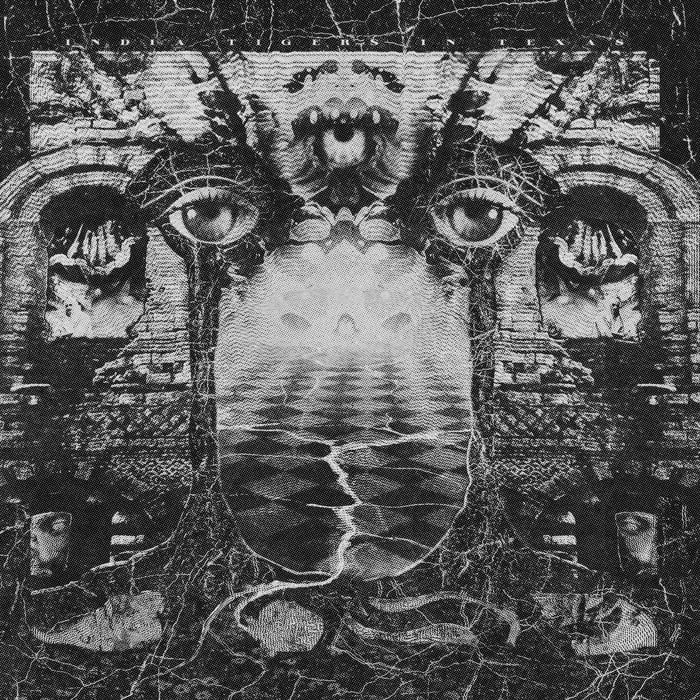
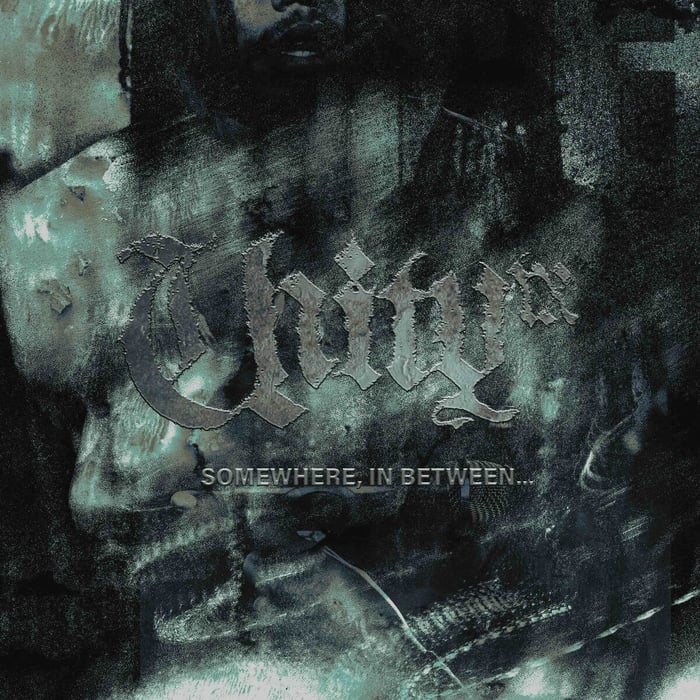
The cover looks like it belongs to a record that lives in contrast—clean visual framing for messy sonic collision.
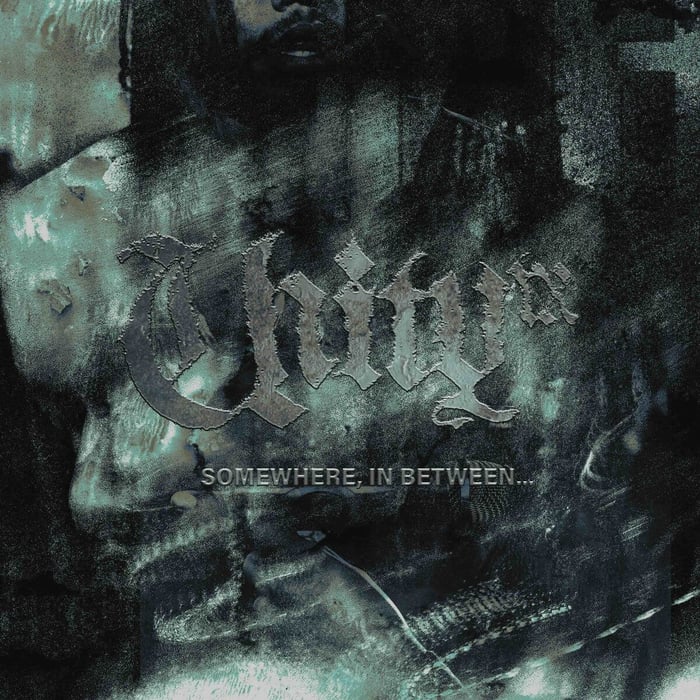
Somewhere, In Between… is set for release on March 13 via Pure Noise Records.
Where I land on it (including the number I can’t resist giving)
I’m not going to pretend this album reinvented heavy music. It didn’t. What it did do is harder in a different way: it made rap-metalcore feel casual, like it doesn’t need to explain itself.
If I had to slap a number on how effectively it pulls off its mission—hooks, heaviness, hybrid confidence—I’d land around a 7/10. The ceiling is higher than what’s shown here, mostly because the features could’ve pushed the sound further. But as a tightly paced, hook-forward record that still drops brutal riffs when it counts? It succeeds.
UNITYTX aren’t asking for permission. Somewhere In Between is them acting like the argument is already over—and, annoyingly, making a pretty good case.
Conclusion
Somewhere In Between doesn’t “blend genres” so much as stack them and dare you to complain. The breakdowns hit, the choruses stick, and the autotune isn’t an accident—it’s the band insisting that modern rap gloss can sit on top of heavy guitars without collapsing. The only real miss is that the guest spots don’t widen the world the way they could’ve. But as a fast, hooky, heavy gateway that doesn’t water itself down, it does what it came to do.
FAQ
- Is Somewhere In Between more rap or more metalcore?
It plays both sides on purpose—some tracks lean rap-first (like “Body Roc”), while others hit with metalcore weight and chanty hooks. - Does autotune clash with heavy guitars here?
Less than you’d think. It’s used like a texture, and the riffs are mean enough to keep the balance from tipping into pop fluff. - Which track best sums up the album’s “in-between” idea?
“In Between” does—half rapped, half sung, with a longer, heavier breakdown that makes the final chorus feel earned. - Are the songs long and progressive, or short and punchy?
Short and punchy. Most tracks stay under four minutes, and the pacing is clearly designed for replay value. - Do the featured artists change the album’s sound?
Not really. The guests fit in rather than disrupt, which is fine—but it also feels like a missed opportunity.
If you’re the kind of listener who judges an album by its cover as much as its breakdown placement, you can grab a favorite album-cover poster vibe for your wall over at our store: https://www.architeg-prints.com
 | DISCOUNTGET 30% OFF*Use code on your next order:
|
* This post may contain affiliate links, meaning we earn a commission if you make a purchase through these links, at no additional cost to you.