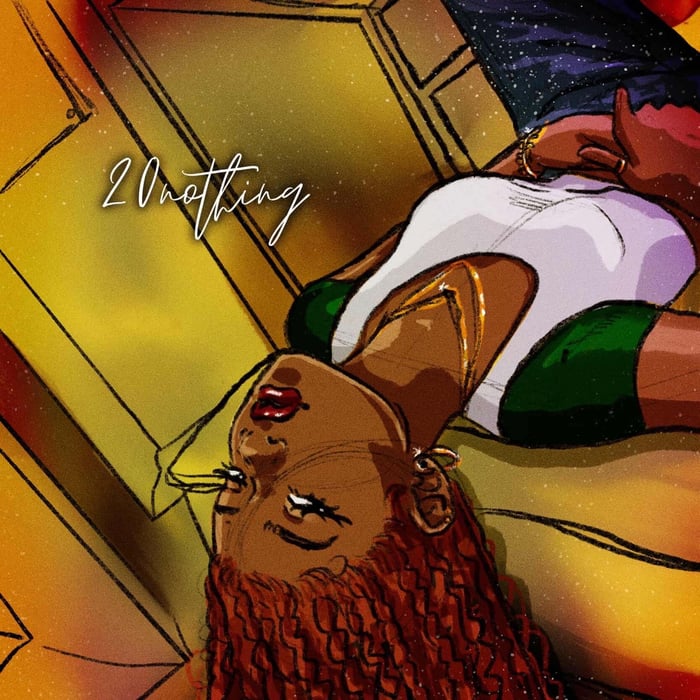
Blessing Jolie’s 20nothing Album Is a Breakup Spreadsheet (In a Good Way)


 See more Architeg Prints stories on Google.
Blessing Jolie’s 20nothing Album Is a Breakup Spreadsheet (In a Good Way)
The 20nothing album turns exes, Texas, and self-doubt into punchlines that still sting—like she’s already packed your stuff before you blink.
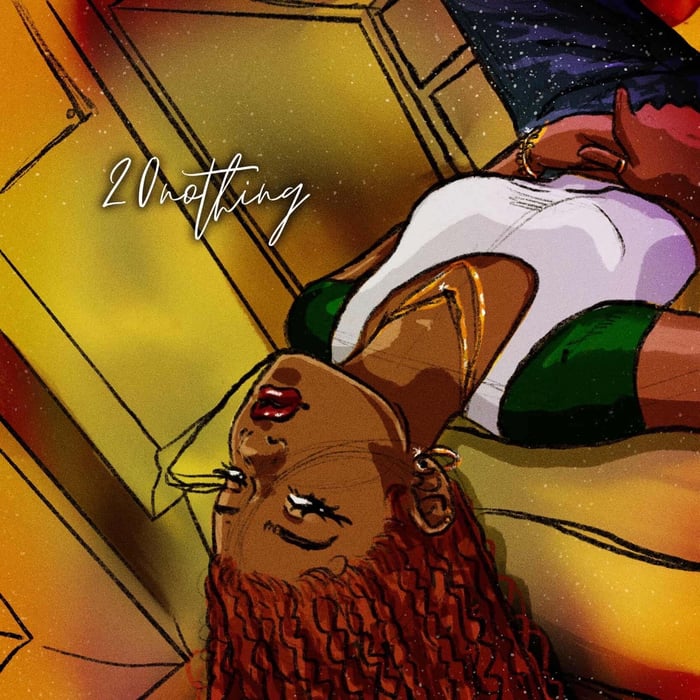
This album doesn’t “process” feelings—it files them
Some records sound like someone crying into their Notes app. The 20nothing album sounds like Blessing Jolie already cried last year and now she’s just updating the log.
From the first stretch of songs, she keeps circling the same quiet flex: I knew better, I stayed anyway, and now I’m done. And the interesting part is how little she begs the listener to feel sorry for her. A lot of breakup writing is really just an audition for forgiveness—either from the ex or from the audience. Blessing skips that. She sounds like she’s already emotionally moved out, and she’s only calling back to cancel the utilities.
That stance can come off cold if you’re expecting big catharsis. But I’d argue that’s the point: this isn’t a “healing journey” album. It’s an album about what happens after you stop romanticizing your own patience.
The “I could’ve been something else” song is the real thesis
Here’s where the record quietly shows its teeth: “Software Developer.” It’s the longest and densest cut, and it doesn’t feel like a detour—it feels like the center of the maze.
She turns a real-life fork in the road into a recurring bruise: she left a computer science program at the University of North Texas to chase music, and she keeps returning to the thought like she’s pressing a sore tooth with her tongue. The line
“Could’ve been one hell of a software developer”lands because it’s not a motivational poster. It’s more like she’s laughing so she doesn’t spiral.
And then she complicates it. She doesn’t just mourn the alternate life; she drags her whole identity into the frame. She talks about growing up around mostly white friends and calls herself “that comic book reading bitch,” which sounds funny until you hear what she’s really doing: she’s refusing to let anybody flatten her into one clean archetype. Not the “tech dropout.” Not the “sad girl.” Not the “rising singer.” Not even the “wronged woman.”
The sharpest moment is when the concept bends into something almost ridiculous and then suddenly painful—she starts wishing a software developer could fix her dreams. It’s a joke, sure. But it’s also a confession that her brain won’t stop debugging her own life.
If you want a hot take: this track is more emotionally revealing than any of the explicit breakup songs, because it’s not about a villain. It’s about her own choices, which is always harder to sing about without sounding performative.
When she says she’s not “regular,” she means she won’t be manageable
From that same refusal-to-be-sorted energy, “Regular Shmegular Girl” hits like a small explosion in a very normal place.
The setup is almost aggressively ordinary: some guy hands her his number at a gas station. In less interesting hands, that becomes a cute anecdote. Blessing turns it into a three-minute declaration of independence. When she snaps,
“Bitch, I ain’t no regular, shmegular, begging, hurt, bitch-type girl,”it’s not just a punchline—it’s a boundary with teeth.
What makes it work is she never asks to be chosen. She offers terms. That’s different. A lot of songs pretend to be confident while secretly pleading. This one doesn’t plead. It negotiates.
I will admit, though: on first listen I thought the attitude might turn repetitive across nine tracks—like the whole album would be one long victory lap of not caring. But it doesn’t coast. It keeps changing the angle: sometimes it’s dismissal, sometimes it’s regret, sometimes it’s self-roast, and sometimes it’s a weird little prayer.
Half these songs are “to” men, but they’re not really about them
A big chunk of the 20nothing album is addressed to men she’s already left mentally before she left physically. And that’s why the tone is so specific: she isn’t heartbroken in real time. She’s narrating the cleanup.
On “20teens,” she reduces the difference between then and now to something as petty and real as having HBO Max. That detail matters—it’s her way of saying time passed, life changed, and you stayed the same. The ex who cheated and still tried to come back gets dismissed with a flat slap of a line:
“No take backs, bitch take that.”There’s no dramatic build. It’s just a door closing.
Then “The Lone Star State” swings heavier. She pulls in Homer and Greek mythology like she’s building a whole little epic around a relationship that didn’t deserve one. And the detail that sticks—because it’s so wildly specific—is that she bought the man a literal star. That’s not just romantic; it’s kind of embarrassingly romantic. Which is exactly why it hurts.
The bridge flips the knife: she admits it wasn’t fully his fault, then immediately asks if his new girl is “badder” than her. That contradiction is the point. She’s over him and still petty. She’s enlightened and still human. If anything, that’s the album’s most believable emotional texture: not “closure,” but messy leftover sparks.
“Sticks & Stones” stays with a man who won’t feel anything no matter what she does. And the brutal part is she knows, in real time, that she’s shrinking herself to keep the situation alive. These songs aren’t bitter dispatches. They’re more like she’s cleaning out a closet, holding up old outfits, and narrating why they no longer fit.
Arguable claim: the album’s breakup writing works because it’s not about heartbreak—it’s about boredom. She’s tired. That’s the real emotion.
When she points the camera back at herself, the album gets dangerous
The record gets most exposed when she stops aiming the lyrics outward.
“Growing Pains” starts like a prayer—she wants a different climate and a different kind of man—but then she lets herself look a little ridiculous in public. By the second verse she admits she doesn’t know what “oblige” means, she’s fishing for guys online, and her heart goes geriatric before she’d ever say “pick me.” She even calls herself propane, which is such a strange metaphor it almost dares you to laugh—until you realize what she’s saying: she’s the accelerant. She’s the one who can blow up her own progress.
And “Bad Rx” pushes the honesty further. She wants to be top dog, but her phone has no contacts. Her friends only find her attractive on Omegle. Her mother was “hella opaque.” That last line hangs there like a cloudy window you can’t see through, and she doesn’t stop to explain it for you. She just drops it and keeps moving, which makes it feel more real, not less.
The outro closes the emotional loop with a line about feeling wiser “by the jug,” which is a bleak little wink—like, yes, growth happened, but it wasn’t pretty and it wasn’t inspiring.
If I have one mild gripe, it’s that the bluntness can sometimes flatten the dynamic range: a couple moments land like they’re meant to be shrugged off when I wanted her to let the music linger an extra breath. Not a huge issue, but it made me wonder what she’s still refusing to sit with.
Two songs split the difference between craving and confession
By the time you hit the last stretch, the album separates desire from address—wanting someone versus talking to someone.
“Pinup Girl” is open-hearted, almost startled by its own want. When she says
“I fear the name of marathon,”it’s funny in a dry way, but it also reads like she’s scared of anything that requires stamina: relationships, intimacy, being seen too long. She volunteers herself as a canvas, admits her “stencil isn’t conventional,” and says plainly how much she wants him. It’s not seductive in a polished way; it’s seductive in a “please don’t make me regret saying this out loud” way.
Then “Frown Lines” points at someone she hasn’t met yet. And instead of pretending money is the problem, she says attention is the root of her evil. That’s a nasty little confession because it’s unglamorous—attention is need, not ambition. And the album ends with one of those lines that’s funny until it’s not: she imagines what her walls would say if they could talk, and the answer involves a diary and murder.
Even in the softest moments, she keeps an edge. Not the cartoon “bad girl” edge. More like: she refuses to become harmless just because she’s being vulnerable.
I’m not completely sure whether the ending is meant to feel like a threat or a coping mechanism—maybe both. Either way, it leaves a mark.
Texas isn’t a backdrop here—it’s part of her wiring
A lot of artists name-drop a place like it’s scenery. Here, Katy and the larger Lone Star State feel fused into the songs’ nervous system.
You can hear it in the gas station encounter on “Regular Shmegular Girl.”strong> You can hear it when she mentions the Texas weather turning her red. You can hear it in the bleak humor of being “stuck” in the Lone Star State with nothing but drunk for art.
And crucially, she writes from a specific experience of being Black in Houston’s suburbs without sanding it down for universality. The album doesn’t translate itself into generic relatability. It just stands there, particular and unbothered, like: either you get it or you don’t.
That’s a risky choice—some listeners want their songwriting to hold their hand. But I think the refusal to over-explain is why these songs feel lived-in instead of “crafted.”
The buzz doesn’t matter because the lines do
A debut built on viral momentum and famous co-signs could’ve easily leaned on charm and potential. This one doesn’t. The 20nothing album is too stuffed with good lines and unflattering personal specifics to feel like a placeholder.
You can hear the actual timeline inside it: dropping out, trying to make gigs cover what a salary would, moving through a string of men who didn’t earn the space they took up, and writing it all down with a comic book reader’s eye for strange detail and a Texan refusal to apologize.
And that’s the final trick: the songwriting carries the entire thing. Not the aesthetics. Not the mythology. The writing.
Blessing Jolie made a debut that sounds like it already survived its own story and is now calmly presenting the evidence. It isn’t a diary you’re supposed to cry with—it’s a receipt folder, and she’s weirdly funny while she holds it open.
Our verdict: People who like breakups served cold—with specific details, petty humor, and a little self-sabotage admitted out loud—will love this. If you need soaring choruses, big emotional apologies, or tidy “growth,” you’ll probably call it blunt and move on (which, honestly, is kind of the album’s whole vibe).
FAQ
- What is the core vibe of the 20nothing album?
It feels like post-breakup clarity with jokes that still have bruises underneath—less “I miss you,” more “I can’t believe I entertained this.” - Is “Software Developer” essential, or can I skip it?
Don’t skip it. It’s the album’s densest self-portrait, and it makes the rest of the confidence feel earned rather than performed. - Are the songs mostly about exes?
A lot are addressed to men, but the real subject is her patience running out—and what she learns about herself in the silence after. - Does the album ever get vulnerable?
Yes, especially on “Growing Pains” and “Bad Rx,” where she drops the armor and lets herself look uncertain, messy, and lonely without begging. - What’s the deal with Texas in these songs?
Texas isn’t a postcard here. It’s where the scenarios happen—gas stations, weather, suburb dynamics—and it shapes how blunt and unsentimental the storytelling feels.
If you want something physical to match the way this album plants an image in your head, you can grab an album-cover-style poster at our store: https://www.architeg-prints.com — the clean design hits even harder when the music is this sharp.
 | DISCOUNTGET 30% OFF*Use code on your next order:
|
* This post may contain affiliate links, meaning we earn a commission if you make a purchase through these links, at no additional cost to you.