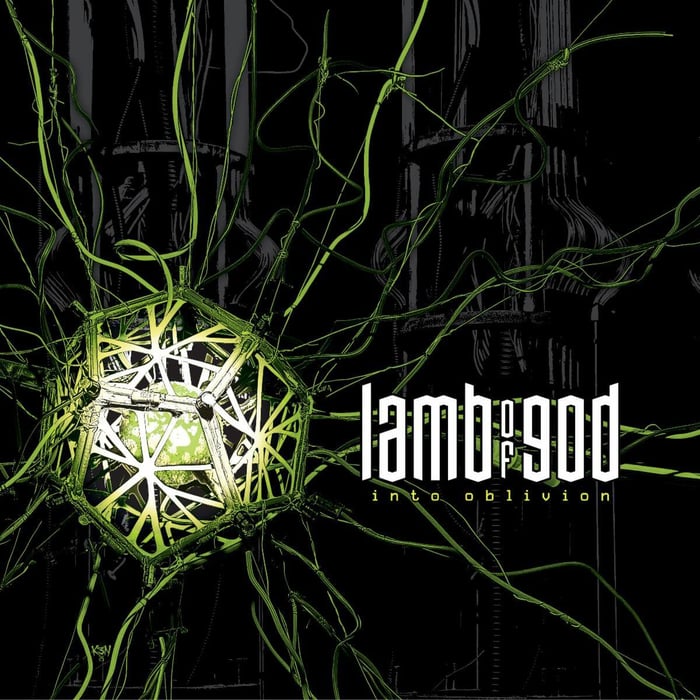
Into Oblivion Review: Lamb of God’s “Reset Button” Isn’t Subtle


 See more Architeg Prints stories on Google.
Into Oblivion Review: Lamb of God’s “Reset Button” Isn’t Subtle
Into Oblivion review of Lamb of God at their most pressure-cooked: punker vocals, brutalist riffs, and politics that actually bite—sometimes too hard.
A record that doesn’t “return”—it corners you
Lamb of God have never sounded polite, but Into Oblivion doesn’t just show up loud. It shows up like it’s here to interrogate you. I’ve always associated their best work with that specific feeling of a band being backed into a wall and deciding the wall deserves it. This album leans into that instinct again—only this time, the pressure doesn’t feel private. It feels communal, like the band is writing with one eye on the street and the other on the mirror.
I can’t pretend this is comfortable music. And that’s the point. The record plays like a stress response that learned how to count measures.
The “under pressure” thing is real, and you can hear where it comes from
Here’s what I hear: Lamb of God make their sharpest decisions when the stakes are ugly. I still remember how VII: Sturm Und Drang carried itself—music that sounded like it had been forged in the aftermath of Randy Blythe’s acquittal on a manslaughter charge in the Czech Republic, like somebody surviving their own brain and then writing it down with clenched teeth.
Into Oblivion pulls from a similar furnace, but it doesn’t frame the strain as one man’s burden. It treats the anxiety like shared property. That shift matters: instead of personal catharsis, the songs feel like they’re trying to start something—arguments, riots, at minimum a few uncomfortable realizations.
And yes, I’m aware that might sound dramatic. But this band is dramatic on purpose, and pretending otherwise is just refusing to read the label on the bottle.
The title track kicks the door in—and it’s not trying to be “nice heavy”
The opening of the title track is immediate hostility. Blythe comes in venom-first with:
“I am the chaos, I am the voice you can’t unhear” — Randy Blythe
That line isn’t just a tough-guy hook; it’s the album telling you what it’s about: permanence. The kind of noise you can’t un-know once it’s in your head.
John Campbell’s bass feels less like low-end support and more like pressure on the throat—tight, present, and genuinely uncomfortable in a way a lot of modern metal avoids. Art Cruz plays like he’s trying to crack concrete from underneath, not show off. The drumming lands with conviction, the kind that’s less “watch me” and more “move.”
This one was recorded at Total Access Recording in Redondo Beach—the same studio tied to Black Flag’s _My War_—and whether that’s intentional symbolism or just a great room with history, the vibe bleeds through. Blythe’s vocals sound rawer and more unguarded than I expected, and honestly more aggressively punk than anything I’ve heard from him in a while.
I thought the first minute was almost too on-the-nose—like, okay, we get it, apocalypse now. But by the time the track really locks in, that bluntness starts feeling like the only honest approach.
Short runtime, sharp intent: this album knows what it is
At just under forty minutes, Into Oblivion doesn’t waste time pretending it’s an epic. These songs feel engineered to hit their mark and leave before you can get comfortable. That’s a choice, and it’s one I mostly respect.
Because here’s the thing: Omens (to my ears) sounded like a band moving on fumes—written and recorded fast, sure, but also carrying that slightly hollow momentum of “we can do this in our sleep.” I came into Into Oblivion bracing for more of that. On second listen, I had to eat that assumption. This isn’t autopilot Lamb of God. This is them recalibrating.
Leaner, tighter, more focused—arguably the most dialed-in they’ve sounded since Sturm Und Drang. And I’m not saying that as nostalgia bait. I’m saying it because the transitions feel deliberate and the arrangements don’t linger just to prove they can.
Still, I’m not totally certain the ultra-tight pacing will work for everyone. If you want space to brood in the riffs, this album doesn’t give you much oxygen.
“Parasocial Christ” and “Sepsis” are the real stress tests
Next hook from the title track: the album doesn’t ease up, it escalates.
“Parasocial Christ” arrives like a wrecking ball. Cruz’s blast beats ring out with the panic-jolt of an iPhone alarm that’s somehow learned how to traumatize you. Blythe aims straight at modern self-delusion—people building identities out of glow and reflection—and when he spits:
“just empty pages in a glowing casket”
…it lands like a slap because it’s not poetic in a gentle way. It’s accusing. A reasonable listener could call it preachy. I’d call it appropriately rude.
“Sepsis” is nastier in a different direction. It starts from this spine-crawling industrial bassline—less “groove” and more “factory ventilation”—and then mutates into a howl that reminds me of Nick Cave in his The Birthday Party era: not because it sounds identical, but because it has that same “something is wrong with the room” energy. It’s among the most unsettling things in Lamb of God’s catalog, and I mean that as praise.
If I have a small complaint here, it’s that the album occasionally mistakes sheer impact for nuance. Not often—but there are moments where the blunt instrument approach is the whole point, and I kept waiting for one track to twist the knife instead of just swinging it again.
The politics aren’t wallpaper—this record wants consequences
The political argument across Into Oblivion is specific and unsparing. The soundscapes feel industrial and brutalist—hard edges, big slabs, no decorative softness. And crucially, it doesn’t treat politics like aesthetic garnish. It treats it like accounting.
“The Killing Floor” drops the image of a “red Caesar rising” not as myth-making but as historical reckoning. Then it detonates into a machine-gun assault that’s not metaphorical; it physically jolts. This is one of those tracks where the band’s tightness becomes part of the message: precision as punishment.
“St. Catherine’s Wheel” is cyclical and brutalist, riffs spiraling tighter like a vice. It doesn’t feel like a journey so much as a trap resetting itself—over and over.
And “Bully”? Three and a half minutes of groove-locked karmic reckoning. It’s direct, almost smug in its certainty, and that’s exactly why it works. Put together, these tracks form what I’d argue is their most politically coherent sequence since Ashes Of The Wake—not because it copies that album, but because it aims with similar clarity.
Someone could argue the messaging is too obvious. My counter: obvious is fine when the world insists on pretending it can’t read.
“El Vacío” is the mid-album clearing that changes the weather
Right when the album could risk becoming a single long sprint, “El Vacío” shows up like a clearing in a storm—still grey skies, but you can finally see the shape of what’s happening.
It plays like a eulogy for Hunter S. Thompson and GWAR’s Dave Brockie—two voices Blythe clearly wishes were still around to call the nonsense by its name. The grief in it doesn’t feel theatrical. It feels real, and it rewires how everything around it lands. After this track, the heaviness doesn’t just sound aggressive—it sounds haunted.
Parts of it turn eerily gothic and industrial, like Lamb of God twisting their own DNA for dramatic effect. And I’ll admit: I wasn’t sure at first if that manipulation would feel forced, like a band trying on darker clothing. But the more it sits in the sequence, the more it reads like the album’s emotional spine—proof that rage here isn’t just performance, it’s an aftertaste.
Big picture: one man’s darkness becomes a whole civilization’s
Sturm Und Drang felt like one man’s dark night of the soul. Into Oblivion feels like an entire civilization’s version of that—less diary entry, more emergency broadcast.
And outside of a couple reference points—Omens and New American Gospel—this band has spent decades getting progressively better at sharpening their own weapon. They refuse to stand still, even when standing still would still sell. That stubbornness is the throughline I hear most clearly.
The stakes on Into Oblivion feel weirdly unsurvivable, like the album is convinced we’re past the “learn a lesson” part and into the “pay the bill” part. Also: these ten tracks are going to start violent moshpits, and the band absolutely knows it. That’s not an accident; that’s a delivery system.
If I had to put a number on how hard it lands, I’d land around a 9/10—not because it’s flawless, but because it commits, and commitment is rarer than technique these days.
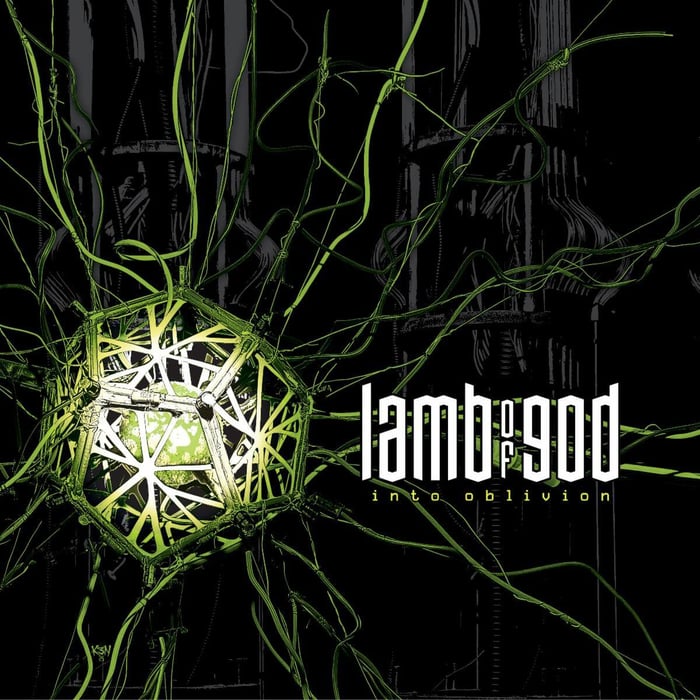
Release details (for the calendar people)
Into Oblivion is set for release on March 13 via Century Media & Epic Records.
If you’re the social-media-following type, Lamb of God are on Facebook here: https://www.facebook.com/lambofgod
Conclusion
Into Oblivion isn’t Lamb of God “coming back.” It’s them tightening the screws until the songs squeal, then daring you to call it excessive. It’s anger with structure, grief with teeth, and a reset that actually sounds like a reset—because it refuses to coast.
Our verdict: People who like their metal precise, political, and a little punishing will actually love this album—especially if you miss the feeling of riffs that sound like they’re carrying consequences. If you want subtlety, or you prefer Lamb of God as background adrenaline for chores, this thing is going to step on your toes and then ask why you were standing there.
FAQ
- Is this a “classic Lamb of God” album or a stylistic detour?
It’s classic in execution—tight grooves, blunt force—but the tone leans rawer and more punk in the vocals, with industrial edges that feel deliberately uncomfortable. - Does the album feel long or bloated?
No. It runs just under forty minutes and moves fast. If anything, the pacing is so tight it might leave you wanting one more breath between impacts. - What’s the most aggressive moment on the record?
“Parasocial Christ” hits like a wrecking ball—blast beats that feel like an alarm, and lyrics that don’t bother being polite. - Is there any emotional contrast, or is it all fury?
“El Vacío” is the pivot. It brings real grief into the middle and changes the emotional lighting of the whole album. - Who is this album’s anger aimed at?
It targets modern self-delusion and political collapse with zero subtlety—less “commentary,” more “confrontation.”
If this album’s imagery sticks in your head (it probably will), you can always frame the feeling—shop your favorite album cover poster at our store: https://www.architeg-prints.com
 | DISCOUNTGET 30% OFF*Use code on your next order:
|
* This post may contain affiliate links, meaning we earn a commission if you make a purchase through these links, at no additional cost to you.