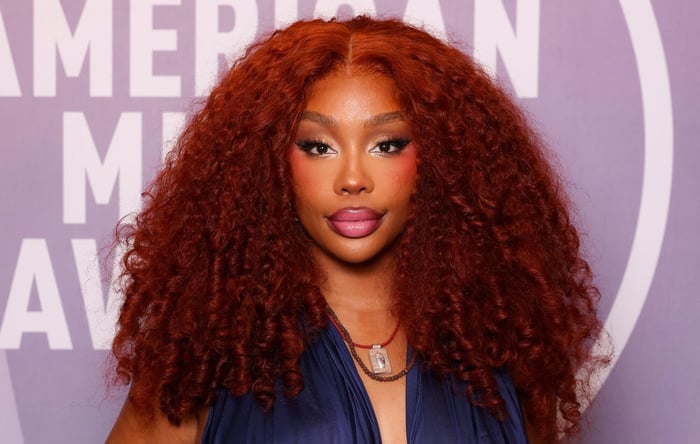
SZA Slams “Disgusting” AI Music After 238 of Her Songs Were Used to Train Artificial Intelligence


 See more Architeg Prints stories on Google.
SZA Slams “Disgusting” AI Music After 238 of Her Songs Were Used to Train Artificial Intelligence
The growing use of AI music training datasets has hit a nerve with SZA, who condemns the exploitation of her songs and the broader impact on the music industry.
When you hear your favorite artist call out the music world’s latest tech craze, it’s hard not to pay attention. Recently, SZA dropped a fiery Instagram message after uncovering that over 200 of her songs—yes, 238 tracks—had been used without her consent to train AI music software. For a musician who’s poured so much of her soul into every lyric and beat, this felt like a deep violation.
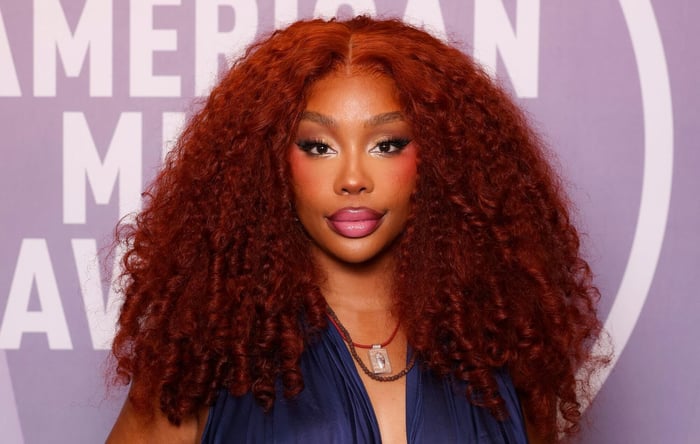
SZA’s Bold Stand Against AI Music
SZA’s Instagram Stories revealed the shock of a search through an AI music database where her name popped up linked to 238 songs allegedly used as training data for AI music generation tools. Some of these songs aren’t even released yet, which made her disbelief and anger even more palpable.
She wrote:
“[Just] checked and music AI has trained off 238 of my songs. I’m certain some unreleased. If you’re a musician and you support this degenerate shit? You’re disgusting and there’s NOTHING YOU COULD EVER SAY TO ME TO MAKE THIS OKAY. I hope you have the life you deserve.”
That’s a raw, unfiltered reaction from an artist who has consistently been vocal about the risks AI poses to music creators. It’s a callout not just to AI developers but to musicians who might endorse or enable this trend.
The AI Problem Hits Close to Home
SZA’s frustration is rooted in the real impact AI is having on music culture, especially for Black artists. Back in 2022, she used her album SOS to voice concerns about the rise of AI, notably in the track “Ghost in the Machine,” where she sang:
“Let’s talk about AI, robot got more heart than I / Robot got future, I don’t / Robot got sleep but I don’t power down.”
Her cautionary tone is more relevant than ever. In an interview earlier this year, she conveyed how AI felt like a war she was caught in, underscoring the disproportionate effect on Black music:
“It’s happening disproportionately with Black music,” she said. “Why am I hearing AI covers of Olivia Dean, when Olivia Dean just came the fuck out? She can’t even collect the streams. I’m also really offended by the type of Black music that’s coming out of AI. Weird, stereotypical struggle music.”
This highlights a painful truth: AI-generated music often replicates tired stereotypes rather than respecting the nuanced artistry of Black musicians. SZA isn’t against pop or R&B artists per se; she’s railing against a lazy kind of anti-intellectualism that AI encourages—an easy shortcut that glosses over the rich human experience behind the music.
AI’s Rising Footprint in Music
The controversy surrounding AI music isn’t new or isolated to SZA. Just last year, we saw the rise of Xania Monet, an AI-generated artist who snagged a multimillion-dollar record deal and even charted on the US Billboard rankings. Created by a poet and designer, Monet was pitched as “a real person” breaking new ground—but this opened up fierce debates about what it means to be an artist in the age of AI.

Artists like Kehlani have also voiced concerns over AI’s wild expansion, noting how it allows people to create music without crediting anyone behind the original copyrighted works. This lack of accountability is a critical issue that threatens the livelihood and recognition of real musicians.
SZA’s Environmental and Social Concerns
Beyond artistry, SZA’s criticism extends to the environmental and social costs of AI. Last summer, she took aim at the energy consumption and pollution caused by AI technology. She urged fans to research how the technology impacts communities, particularly Black and brown neighborhoods:
“Please Google the beautiful Black cities like Memphis that are SUFFERING because of Twitter’s new AI system. PLEASE JUST GOOGLE ENVIRONMENTAL RACISM. AI doesn’t give a fuck if you live or die I promise. THERE IS A PRICE FOR CONVENIENCE AND BLACK AND BROWN [COMMUNITIES] WILL PAY THE BRUNT OF IT EVERYTIME.”
It’s a sobering reminder that behind the shiny sheen of AI innovation lies a harsh reality of environmental injustice and exploitation.
Global Voices Joining the AI Debate
SZA isn’t alone in her stance. The conversation around AI’s role in creativity and ethics has spread far and wide:
- Pope Leo XIV recently demanded that AI be “disarmed,” emphasizing the urgent need for awareness and responsible development.
- Martin Scorsese faced criticism for advising an AI-powered storyboarding tool, highlighting tensions between traditional artistry and new tech.
- Kane Parsons, director of Backrooms, called AI “cultural rot” that undercuts genuine creativity.
- Jack Antonoff went as far as labeling AI music creators “godless whores,” showcasing the depth of industry pushback.
Meanwhile, platforms like Deezer have reported that nearly half of the music uploaded to their service is now AI-generated, with around 75,000 AI tracks added daily—a staggering surge from previous years.
Industry Shifts and Licensing Deals
In a twist of irony, major players like Spotify and Universal Music Group have recently teamed up to launch AI-powered features for listeners. Premium users can now create AI remixes and covers of licensed songs—potentially opening the floodgates for AI-generated music to become mainstream consumer fare.
This move spotlights the dilemma: while AI threatens artists’ rights and creativity, it’s also embraced by some as the next frontier of music engagement.
Final Thoughts: Navigating the AI Music Minefield
SZA’s passionate outburst feels like a wake-up call to the music industry and fans alike. Her clear message? AI music built on the backs of artists’ work without permission is not just unfair—it’s “disgusting.” In a world where technology evolves at lightning speed, preserving the soul and integrity of music might just be the greatest challenge.
FAQ
- What exactly did SZA find out about AI music?
She discovered that 238 of her songs, including some unreleased ones, were used to train AI music software without her approval. - Why is SZA so critical of AI in music?
She believes AI exploits artists’ work, promotes stereotypes especially of Black music, and encourages lazy creation that lacks human depth. - How does AI impact Black musicians differently?
AI disproportionately mimics stereotypical Black music and profits from covers where original artists often don’t receive streaming revenue or credit. - What environmental concerns does SZA associate with AI?
The energy consumption to run AI systems causes pollution that affects Black and brown communities, contributing to environmental racism. - Are music platforms embracing or rejecting AI music?
Platforms like Deezer report massive growth in AI tracks, while Spotify and Universal Music have launched tools for fans to create AI-based remixes, reflecting mixed industry reactions.
Love the energy and passion of artists like SZA? Celebrate their creativity by shopping your favorite album cover posters at our store for a perfect blend of music and art in your space. Check them out here.
 | DISCOUNTGET 30% OFF*Use code on your next order:
|
* This post may contain affiliate links, meaning we earn a commission if you make a purchase through these links, at no additional cost to you.