Top Headphones for Video Editing in 2026: High-Quality Sound Guide


 See more Architeg Prints stories on Google.
Top Headphones for Video Editing in 2026: High-Quality Sound Guide
Explore the best headphones for video editing in 2026 that deliver high-quality sound, ensuring your edits truly shine with crystal-clear audio.
Why Sound Quality is Your Secret Weapon in Video Editing
Ever wonder why some YouTube videos keep you hooked from start to finish, while others make you want to hit pause within the first minute—even if the visuals are flawless? The secret ingredient is sound. Yes, that invisible layer that shapes our emotions and pulls us deeper into the story. Trust me, after working many late nights in the editing suite, I can tell you this: good headphones are your best ally.
If you're serious about video editing, scrimping on headphones is out of the question. Quality audio draws the line between amateur clips and professional productions. Studio monitors might cost a pretty penny, but they serve up such a clean, balanced sound that no detail—no matter how tiny—escapes your ears.
Forget regular consumer headphones when working in your editing software—they tend to fluff up bass or highs, painting a prettier but dishonest picture. What you need are honest studio headphones, also known as reference or monitor headphones, that faithfully reproduce every frequency without sugarcoating. This truthful sound lets you precisely balance tracks, check sync, and avoid embarrassing distortion in the final export. Plus, they block background noise, keeping you locked in your sound world.
Below, I've rounded up the best headphones available now for audio work—from hardcore studio beasts to some consumer-friendly picks that still meet pro standards. I also included budget options because I know not everyone has a limitless wallet. Read on, pick your ideal sonic sidekick, and if you're into recording, check out our guide on microphones too.
1. Beyerdynamic DT 770 PRO X — The Overall Best
Specifications
- Design: Over-ear, closed-back
- Connection: Wired
- Driver Size: 45 mm
- Frequency Range: 5–40,000 Hz
- Impedance: 48 Ohms
- Weight: 350 g
Pros
- Crystal-clear, detailed sound
- Incredibly comfortable for long sessions
- Solid, durable build
Cons
- Sound can feel a bit dry or unemotional
- Lacks trendy consumer features
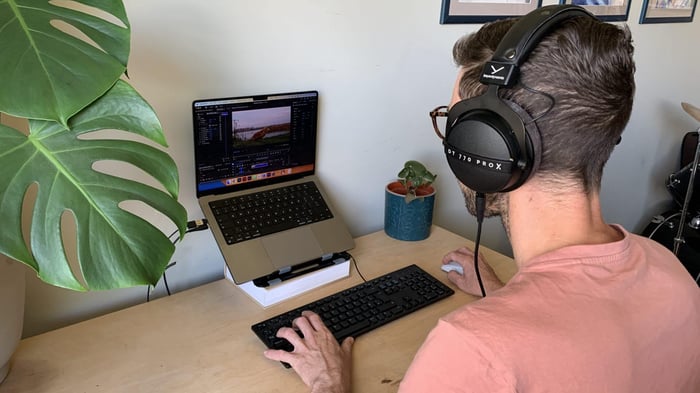
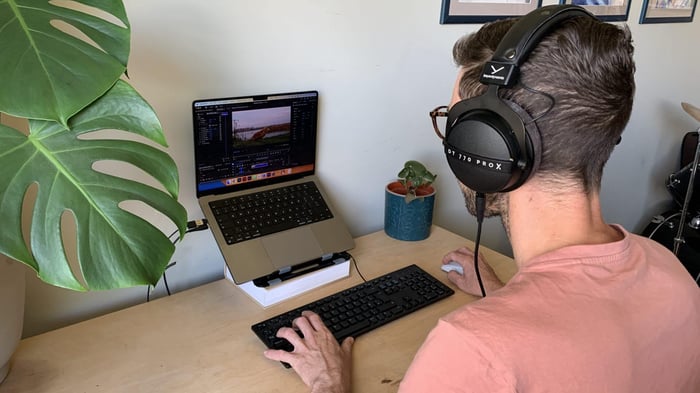
Honestly, Beyerdynamic DT 770 PRO X is a dream for video editors. They sit on your head feather-light through marathon editing nights and deliver a sound so precise and balanced that you trust it implicitly. When I tested these, I was blown away by the clarity—you can pick out every instrument, yet they blend seamlessly into the mix. Bass and highs stay perfectly in place without overstepping. If I had to sum them up in one word: control. They never missed a beat during my editing sessions and quickly became my go-to companion.
Availability & Pricing
These headphones are widely available in electronics stores and specialty shops, priced around $320. No worries about shortages or weird import hassles here.
Regional Use Notes
Being classic wired monitors, there are no regional locks or software headaches. Just plug and play—your trusty analog partner for years.
2. Nothing Headphone (a) — Best for Functionality
Specifications
- Design: Over-ear, closed-back
- Connection: Wireless
- Driver Size: 40 mm
- Frequency Range: 20–40,000 Hz
- Impedance: 16 Ohms
- Weight: 310 g
Pros
- Phenomenal battery life
- Excellent physical controls (roller & joystick)
- Bold, original design
- Great value for features
Cons
- Could be comfier
- Noise cancellation good but not best-in-class
- Fragile carrying case
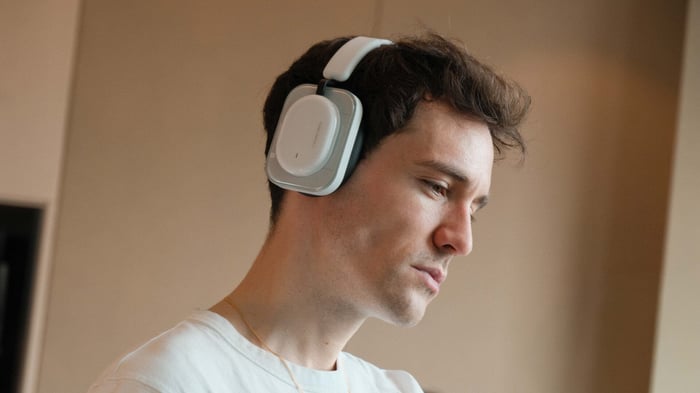
Nothing made a splash with their Headphone (a) by packing active noise cancellation, LDAC codec support, and a handy app into a budget-friendly design. The standout for me? The tactile controls—a roller for volume & noise modes and a joystick for track changes. If you’re like me and find touch panels annoying, these physical buttons are a godsend.
Sound-wise, they nail a nice balance: rich bass, clean highs, and a solid midrange that keeps voices crystal clear during video edits. Hardcore audiophiles might crave more absolute purity, but these headphones are all about solid performance with killer features.
Battery life? Insane. They claim 135 hours without ANC and 75 with it, and that’s no exaggeration—I wore them extensively, and they just kept going. When juice runs low, you can always switch to wired mode with the 3.5mm cable.
Availability & Pricing
Available mostly via parallel import, you can snag these on local marketplaces for roughly $200.
Regional Use Notes
The Nothing X app needed for fine-tuning is available without major blocks, though some smart features might require a VPN.
“Nothing Headphone (a) — a sci-fi inspired beauty with serious chops”
3. RØDE NTH-100 — Best Value for Quality
Specifications
- Design: Over-ear, closed-back
- Connection: Wired (3.5 mm)
- Driver Size: 40 mm
- Frequency Range: 5–35,000 Hz
- Impedance: 32 Ohms
- Weight: 350 g
Pros
- Superb sound quality
- Exceptionally comfortable with memory foam and CoolTech gel
- Ergonomic design
Cons
- Wired connection limits movement
- Slightly heavy compared to competitors
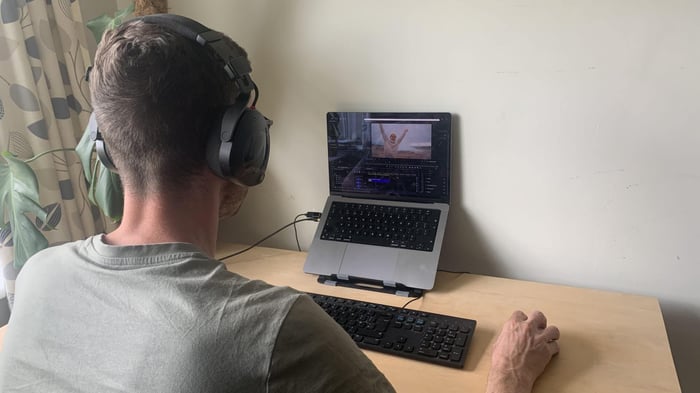
RØDE, a legendary name in microphones, stepped into headphones with the NTH-100, a wired consumer model that punches well above its weight for editing precision. The comfort level is next-level thanks to memory foam ear pads infused with cooling gel—an absolute blessing during hours-long edits where sweaty ears are the enemy.
Sound is neutral and balanced: bass, mids, and highs all sit evenly without overpowering one another. Vocals may feel a touch clinical, but that honesty is gold for mixing and monitoring. Downsides? They’re a bit bulky and don’t fold up, so think office or home base rather than on-the-go.
Availability & Pricing
These are popular and affordable, found easily in music shops and online for around $200.
Regional Use Notes
Pure analog wired connection means zero software or import headaches—you get straightforward, reliable performance.
“RØDE NTH-100 — excellent headphones with one small drawback”
4. Sony WH-1000XM5 — Best for Video and Music
Specifications
- Design: Over-ear, closed-back
- Connection: Bluetooth / 3.5 mm jack
- Driver Size: 30 mm
- Frequency Range: 4–40,000 Hz
- Impedance: 48 Ohms
- Weight: 250 g
Pros
- Fantastic noise cancellation
- Impressive battery life
- Lightweight and ultra-comfortable
- Fully wireless
Cons
- Bulky, don’t fold compactly
- Plastic build feels less premium
- Minimal improvements over previous version
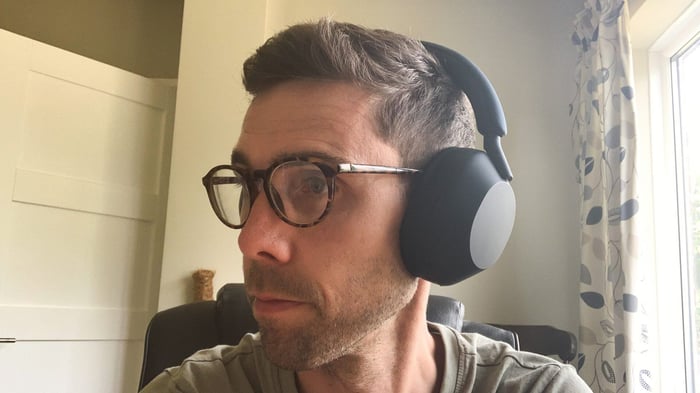
Sony’s WH-1000XM5 wasn’t designed strictly as a studio tool, yet they come incredibly close. The crisp, detailed audio makes them dependable for sound checks on set and meticulous editing. But their real charm is versatility—once you clock out, enjoy your favorite tunes with rich, balanced audio. The built-in mics also shine during calls.
Comfort-wise, I’m smitten with the memory foam ear pads and cushy headband wrapped in soft faux leather. Plus, the adaptive noise cancellation is so good it practically erases office drone and café chatter without you lifting a finger.
Availability & Pricing
Widely sold everywhere, prices range from $400 to $510 depending on color and version.
Regional Use Notes
The Sony Headphones Connect app is available locally and works well, though some spatial audio features may require overseas accounts.
5. Shure SRH840A — Best Sound Quality
Specifications
- Design: Over-ear, closed-back
- Connection: Wired
- Driver Size: 40 mm
- Frequency Range: 5–25,000 Hz
- Impedance: 40 Ohms
- Weight: 273 g
Pros
- Astoundingly clear and detailed sound
- Luxurious design with matte black and gold accents
- Includes 6.3mm adapter
Cons
- Wired only
- Can feel tight on the head during long sessions
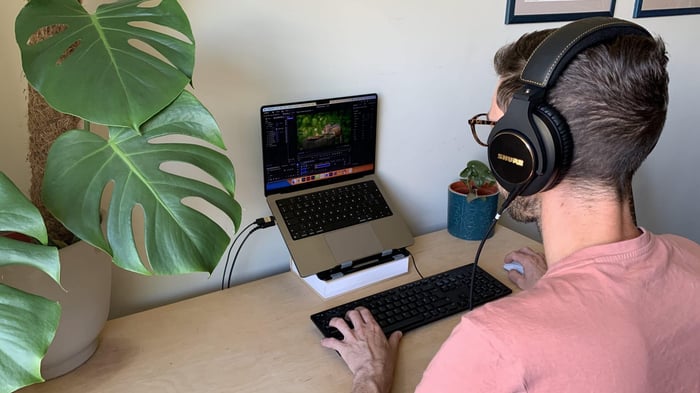
Shure’s SRH840A is a solid workhorse that packs professional-grade sound into a stylish package. The audio resolution is fantastic, with balanced lows, mids, and highs that don’t fight for attention. While they might lack some drive on edgy tracks, what you get is an academic-level sound that’s honest and refined.
The closed design offers decent noise isolation—though not quite on par with the Beyerdynamic DT 770 PRO X—while the cups feel comfy but could be snug for larger ears.
Availability & Pricing
Available in music stores and online for around $215.
Regional Use Notes
Being wired analog headphones, these bypass any software restrictions effortlessly.
“Shure SRH840A — universal headphones for video editing and beyond”
How to Choose the Best Headphones for Video Editing
When you spend hours on the timeline, comfy ear pads are non-negotiable. That’s why in-ear buds don’t cut it professionally. Studio headphones come as either on-ear (resting on the ear) or over-ear (fully enclosing the ear).
On-ear models can be comfy at first but tend to hurt after a couple of hours. Over-ear headphones solve this with big soft cushions that seal around your ears, reducing fatigue and blocking noise naturally (passive noise isolation).
Next, decide between open-back and closed-back designs. Closed-back headphones rule the monitoring world since they keep outside noise out. Open-back headphones have perforated cups that let sound escape, creating a wider, airier soundstage but also leaking audio to your surroundings—a big no if you’re recording or in a noisy office.
How We Test Headphones
Our testing lab is a playground for photo and video gear, including mics and headphones. Our seasoned team, a mix of tech geeks and experienced journalists, knows exactly what to listen for: does the noise cancellation really work? Are frequency responses true to specs? And most importantly, can you wear these for three hours straight without ear fatigue? For editors, comfort is half the battle.
FAQ
- What frequency range is necessary for video editing?
Your headphones should cover at least the human hearing range of 20 Hz to 20,000 Hz. Most studio models extend beyond this, letting you sense deep bass vibrations and crisp highs, essential for precise editing. - Are low or high impedance headphones better?
Low impedance (up to 50 Ohms) headphones work well with laptops and smartphones without needing extra amplification. High-impedance models demand dedicated amps but aren’t common in our picks, which favor convenience. - Should I choose wired or wireless headphones?
Wired headphones are the gold standard for editing due to zero latency and lossless sound. Wireless models offer mobility but may introduce delays or compression. - What’s the difference between open and closed headphones?
Closed headphones block external noise and prevent sound leakage, ideal for monitoring. Open headphones produce a wider soundstage but leak audio, which can disturb others or bleed into recordings. - Are expensive headphones worth it for hobby editors?
Investing in quality headphones pays off in better sound accuracy and comfort, saving you time and frustration. Budget options exist, but if you edit seriously, quality gear is a smart choice.
If you’re inspired to bring your favorite album covers into your creative space, shop unique posters at our store for an extra splash of artistic vibe to your studio at Architeg Prints. Enhance your editing zone with iconic visuals that match the sound quality you aim for!
 | DISCOUNTGET 30% OFF*Use code on your next order:
|
* This post may contain affiliate links, meaning we earn a commission if you make a purchase through these links, at no additional cost to you.