Touring Crisis: Why Veteran Acts Are Stepping Back From the Road


Touring Crisis: Why Veteran Acts Are Stepping Back From the Road
The touring crisis is reshaping live music, from veteran artists taking breaks to rising acts fighting for a future onstage.
For decades, touring was the heartbeat of an artist’s career: long drives, sticky venue floors, late-night load-outs, and the occasional magical room where every stranger sang back. But the touring crisis has reached a point where even the artists who seemed practically built for the road are asking whether the personal cost is still worth it.
In September, just one week apart, both Frank Turner and Enter Shikari announced that their upcoming shows would be their last for the foreseeable future. These weren’t casual performers stepping away after a handful of dates. Both acts built their reputations through relentless live work.
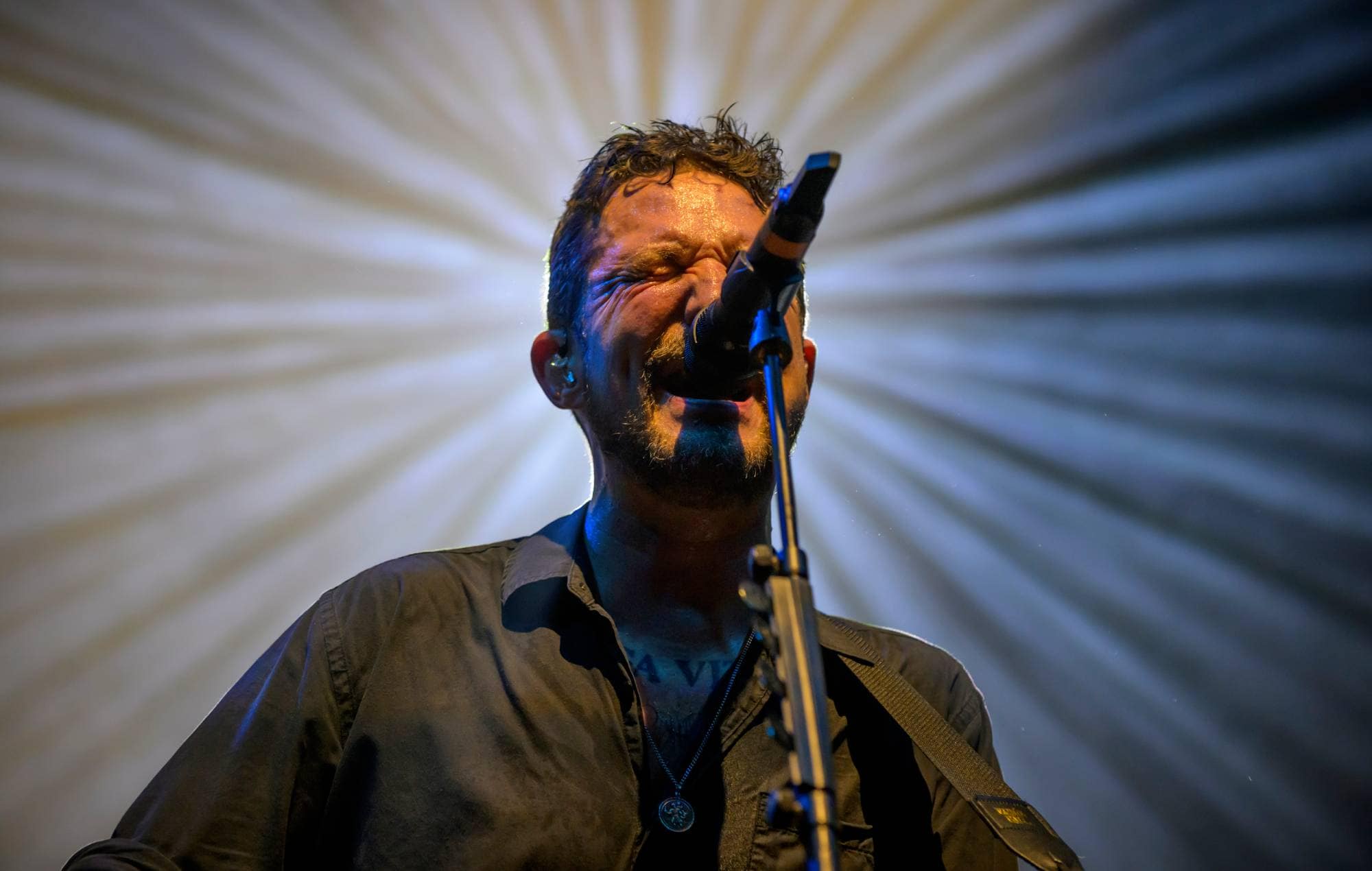
Turner explained that, after 28 years on the road, 10 albums, and more than 3,000 shows, he needed a change. His four upcoming Lost Evenings concerts at Wembley Arena would be his final performances “for the foreseeable future.”
“The economics of touring have gotten harder, the music industry has been swallowed by social media in a way that doesn’t really interest me, and as I get older my physical and mental health could do with some care.”
— Frank Turner
The decision came from several directions at once. Turner wanted to recharge, spend more time with friends and family, and explore different ways of living. He’s also known as one of the United Kingdom’s most prolific live performers, having once claimed a record for playing the most shows in a 24-hour period. That history makes the announcement feel especially significant.
The road doesn’t feel endless anymore
Enter Shikari offered a different timetable but a similarly serious warning. The band announced plans to become dormant as a recording and performing act at the end of 2027, describing their break as an indefinite hiatus.
Their reasons included frontman Rou Reynolds’ illness during the making of the album Lose Your Self, along with what the band called the mounting pressures of the modern music industry. Remaining active as a touring band, they said, can have an obvious negative impact on mental health.
Still, the love remains. That’s the complicated bit. Artists don’t necessarily want to stop creating or connecting with an audience; they’re exhausted by the machinery required to keep doing it.
“It gets to the point where the often difficult terrain of that path starts to frazzle and drain the humble traveller.”
— Enter Shikari
Speaking about the decision, Reynolds described it as “death by a thousand cuts” rather than the result of one dramatic problem. The broader direction of the industry, he suggested, is visible to everyone.
Streaming reduced the income once generated by physical sales, while touring has become harder to make profitable. Merchandise, once a dependable final safety net, is also under pressure as some venues take increasingly large cuts from sales.
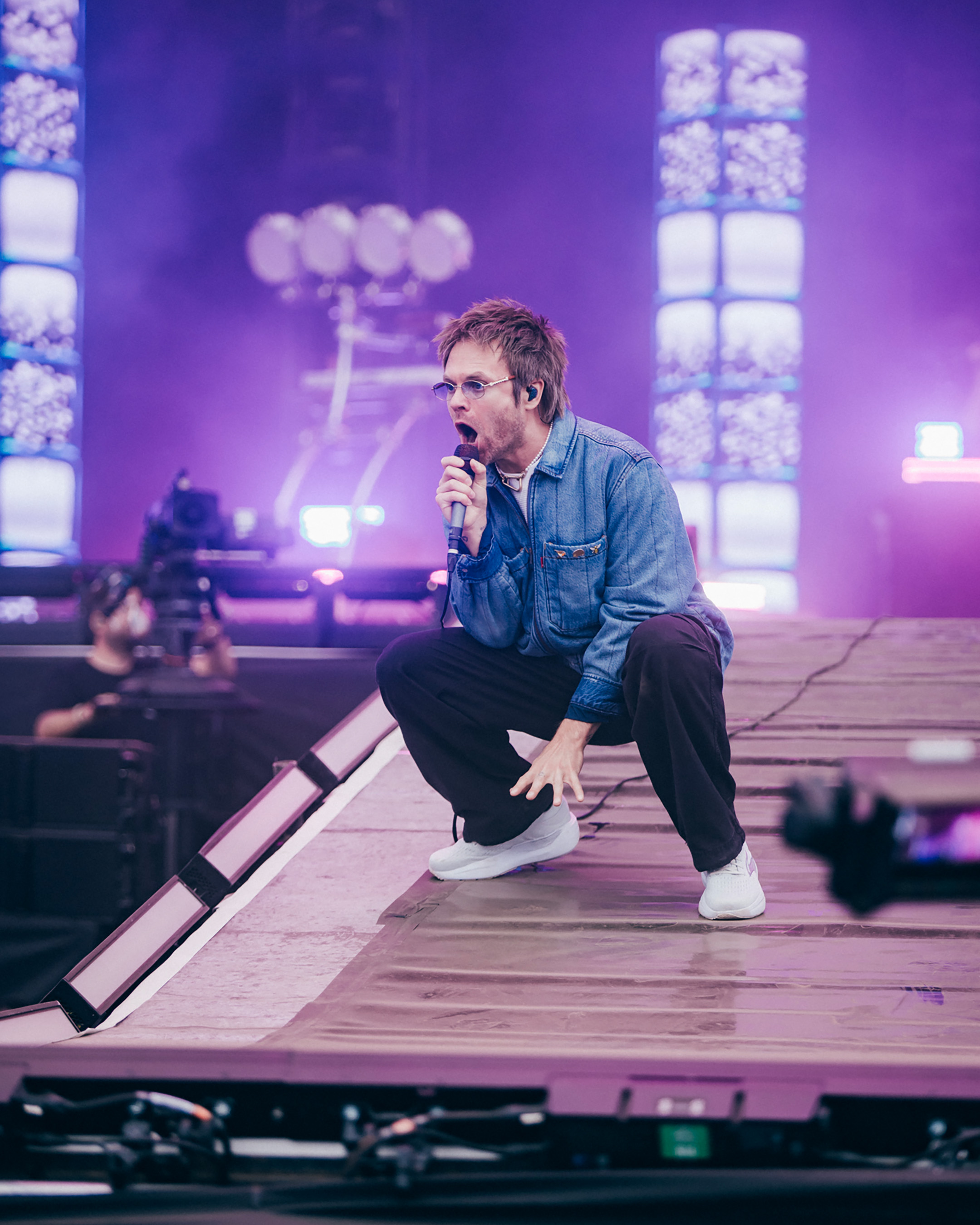
When the best job in the world starts hurting
Reynolds found it telling that Turner had reached many of the same conclusions. Both artists have toured extensively, spoken openly about politics and culture, and made live performance central to their work.
“People quite rightly go, ‘Oh, you’ve got the best job in the world,’ and quite often it is, and I’m so grateful for that. But quite often the pressures of it can absolutely destroy you.”
— Rou Reynolds
That tension sits at the center of the touring crisis. From the outside, a successful tour can look enviable: packed rooms, cheering crowds, backstage photos, and the thrill of watching a song become communal property for a few minutes. Behind that glow are travel fatigue, financial uncertainty, disrupted routines, physical strain, and the pressure to remain visible online.
The personal impact has become impossible to ignore. Mental health services have been created to help musicians and crew cope with the “pressure cooker” of touring life. A Pay It Forward Fund, backed by Radiohead’s Philip Selway, Live Nation, and the Music Industry Therapy Collective, was launched to make specialist support more accessible to artists and crews working on small and mid-sized tours.
Charli XCX has also spoken about the emotional and physical demands of touring. Responding to frustration that her Music, Fashion, Film tour included only a limited number of dates and territories, she explained that performing on the road is simply not something she can sustain at an intense, lengthy pace.
“I am really sorry if you feel disappointed but I have to honour my truth as an artist: touring is really emotionally and physically hard for me.”
— Charli XCX

Artists are people before they are brands
David Martin, chief executive of the Featured Artists Coalition, described Charli’s comments as visceral because they underline something the business often forgets: artists are human beings.
Artists need the right conditions to make and deliver their work. Not everyone wants the same career model, the same touring schedule, or the same level of public exposure. A long, high-octane run may suit one performer and be deeply damaging to another.
Martin said the decisions by Turner and Enter Shikari showed how difficult life on the road can be, even for artists regarded as highly successful live performers. Their announcements revealed the personal toll hidden behind the supposed glamour of touring, while also drawing attention to the financial side.
The point isn’t that established musicians deserve special treatment. It’s that if artists with large audiences and long careers are struggling, newer acts are likely facing an even steeper climb.
Garbage sees an emergency for younger musicians
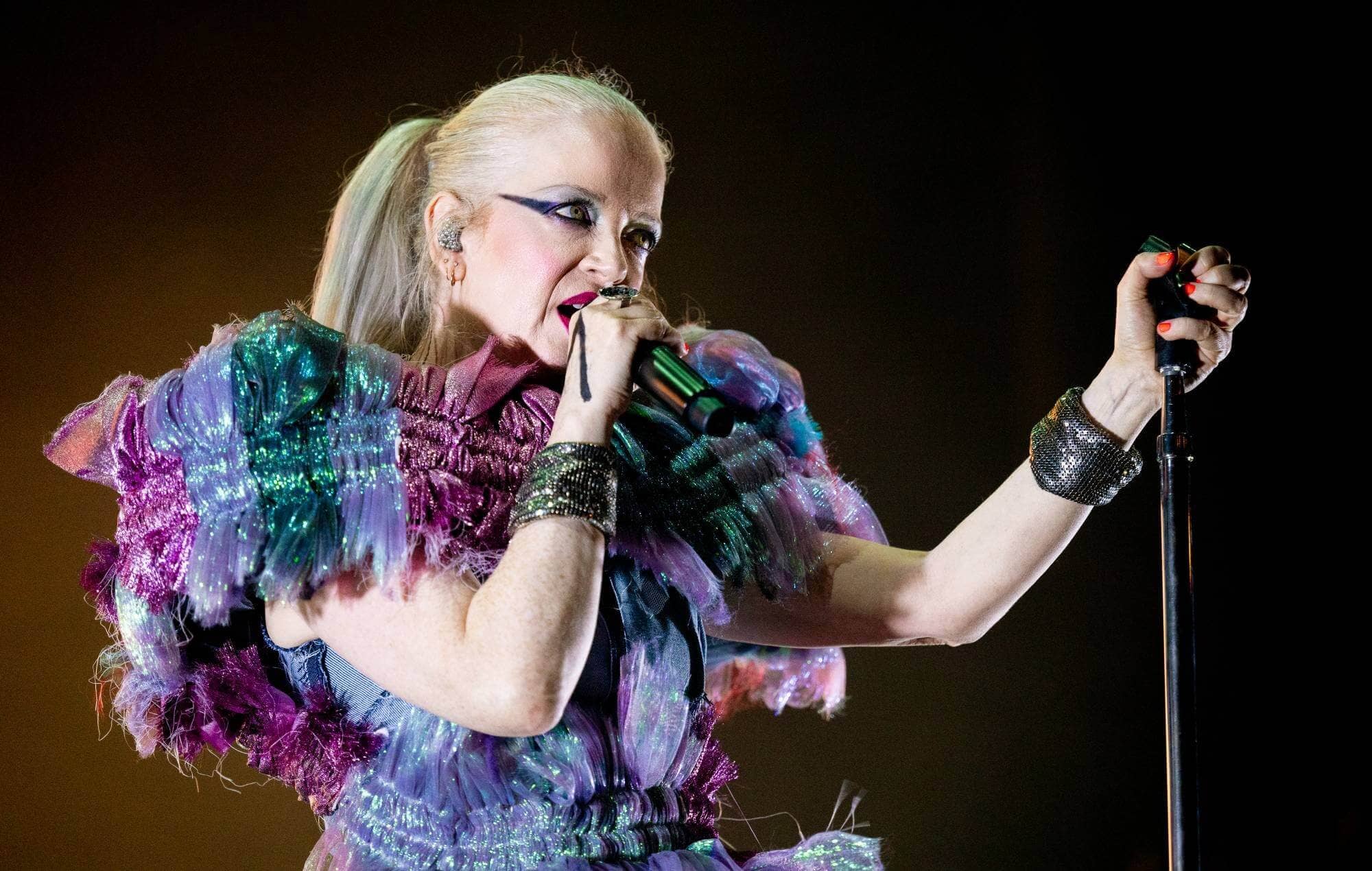
Garbage has also discussed adopting a different touring model. The band indicated that recent European dates, along with appearances in selected cities across the United Kingdom and North America, might be their final visits to those places.
The reasons included soaring costs and what Shirley Manson described as the “thievery of the record industry,” which has made touring extremely difficult. Manson stressed that she was not speaking only for herself. She said she was “golden,” but worried about younger artists trying to build sustainable careers.
“Young people deserve our protection and to be able to make a living from their creativity.”
— Shirley Manson
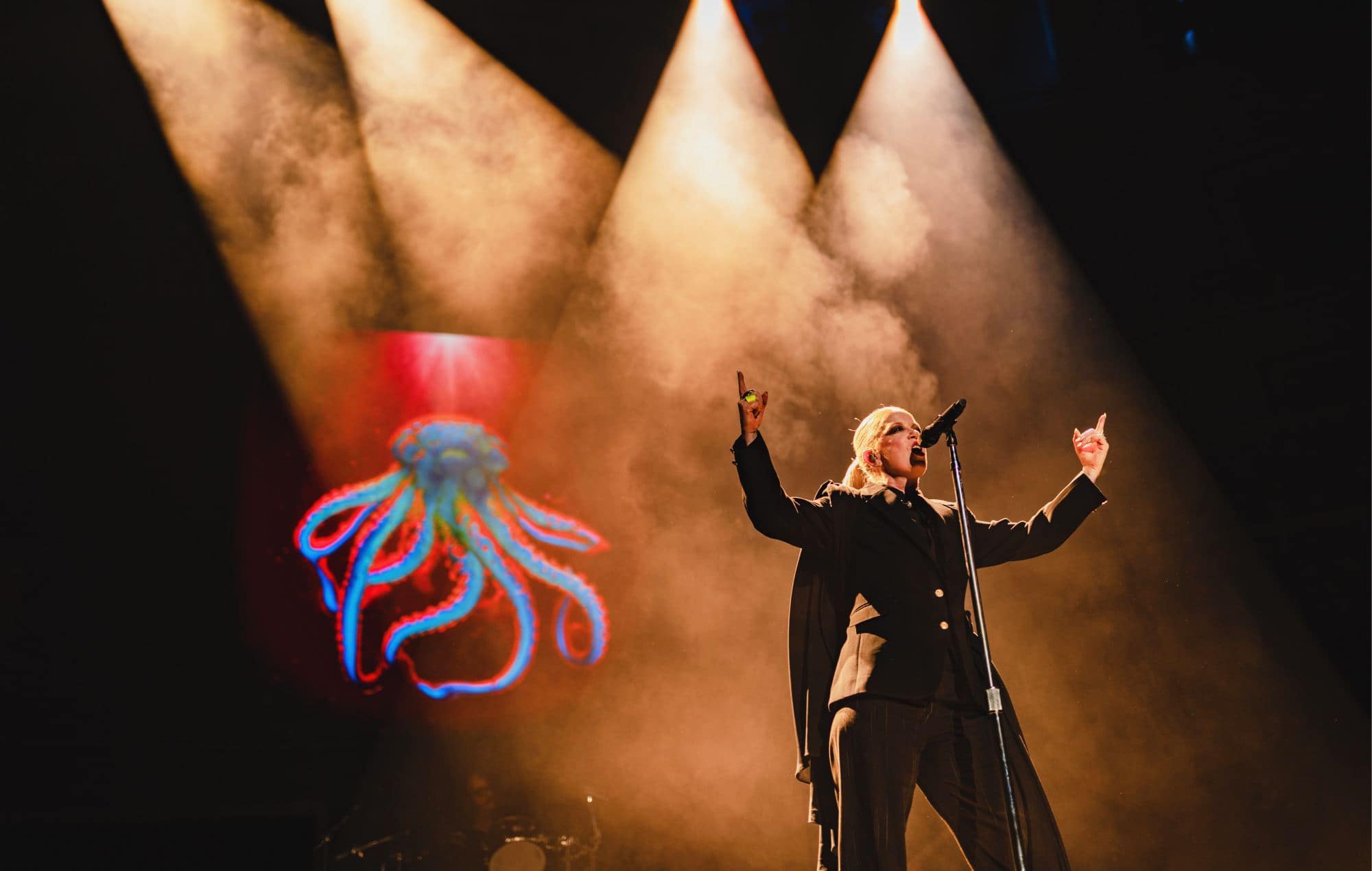
For new artists, touring can become a financial trap
Noahfinnce, a YouTuber-turned-pop-punk artist, believes veteran acts stepping away is evidence of a wider industry problem. He was preparing for his first full United Kingdom tour in support of the album Wonky and spoke candidly about how difficult it can be to finance a career before the music itself pays the bills.
His online work helped fund his early touring, but he still struggled while effectively maintaining another job outside music. Without that additional income, he wondered how artists could survive.
Noahfinnce, whose real name is Noah Finn Adams, received UKAT funding through the Featured Artists Coalition. The money comes from a levy on arena ticket sales and is intended to help artists who cannot otherwise afford to tour. Contributions have come from major artists including Wolf Alice, Radiohead, Lorde, and Harry Styles.
Before receiving that support, Adams said he couldn’t imagine having a future as a touring artist. As an autistic performer, he experiences intense burnout. He described a cycle in which he works relentlessly to promote and fund a tour, becomes exhausted afterward, and then worries he won’t be able to work enough to pay for the next one.
That cycle creates constant stress and anxiety. It also explains why touring isn’t simply a matter of selling enough tickets. The money must cover transportation, accommodation, crew, equipment, venues, promotion, and the artist’s own time. Even a tour that looks successful from the audience can leave the performer financially exposed.
The grassroots live circuit is under strain
Adams said conversations about massive debt from playing live have become increasingly common among his peers. There’s also a sense of shame attached to not being able to afford a tour, as if financial difficulty proves an artist has made a mistake.
He pushed back against that idea. Among the musicians he knows, worrying about money is normal. Even bigger artists have become accustomed to the possibility that touring may no longer be financially realistic.
For fans, that loss is deeply personal. A song can be written, produced, recorded, released, and streamed while its numbers climb on a screen. But live music creates a different kind of memory: meeting friends in a queue, discovering a band in a tiny room, or seeing a performance that changes the direction of your life.
The wider figures paint a grim picture. Research cited in the article found that 84 percent of independent artists in the United Kingdom could not afford to tour, while more than half of UK venues made no profit. More than 6,000 venue-related jobs were lost, and 1.5 million young people had abandoned ambitions of pursuing careers in music.
The cost-of-living crisis has made tickets more expensive for fans, while travel restrictions and extra costs connected to touring in Europe have added another layer of difficulty for UK artists. Venue closures have contributed to what has been described as a collapse of touring, leaving around 35 million people without live music in their local area or community.
For new artists, Adams called the situation a “clusterfuck” of obstacles. A decade ago, someone living outside a major city might have picked up a cheap ticket at the door, watched a band, met the artist, and carried that experience home. Now, going to a show can feel like a luxury.
What could make live music accessible again?
Adams suggested several possible solutions, including ideas modeled on Ireland, where young people could receive vouchers to attend shows and creative workers could benefit from a basic income.
He also proposed reserving some tickets for lower-income audiences. That could help artists feel more confident that the people who want to attend their shows can actually afford to be there.
Rou Reynolds pointed toward Scandinavia and Germany, where contemporary music receives more public support. He argued that government funding often flows toward traditional “high arts” such as theater, opera, and ballet, while youth clubs, grassroots venues, and emerging music scenes are left struggling.
The Featured Artists Coalition has been advocating for money to be reinvested from the top of the industry into grassroots and niche scenes. The Music Venue Trust has also distributed levy funding, including £500,000 to help grassroots venues remain open and reverse the pattern of closures.
There are further efforts to protect the physical spaces themselves. Music Venue Properties has been purchasing buildings to create a protected network of venues, shielding them from landlords who might otherwise increase rents beyond what independent operators can manage.
Reynolds believes these spaces matter for reasons far beyond music. They are community hubs, meeting places, and creative incubators. If the United Kingdom wants to remain a source of new artistry, he argued, it must support the people and places where that artistry begins.
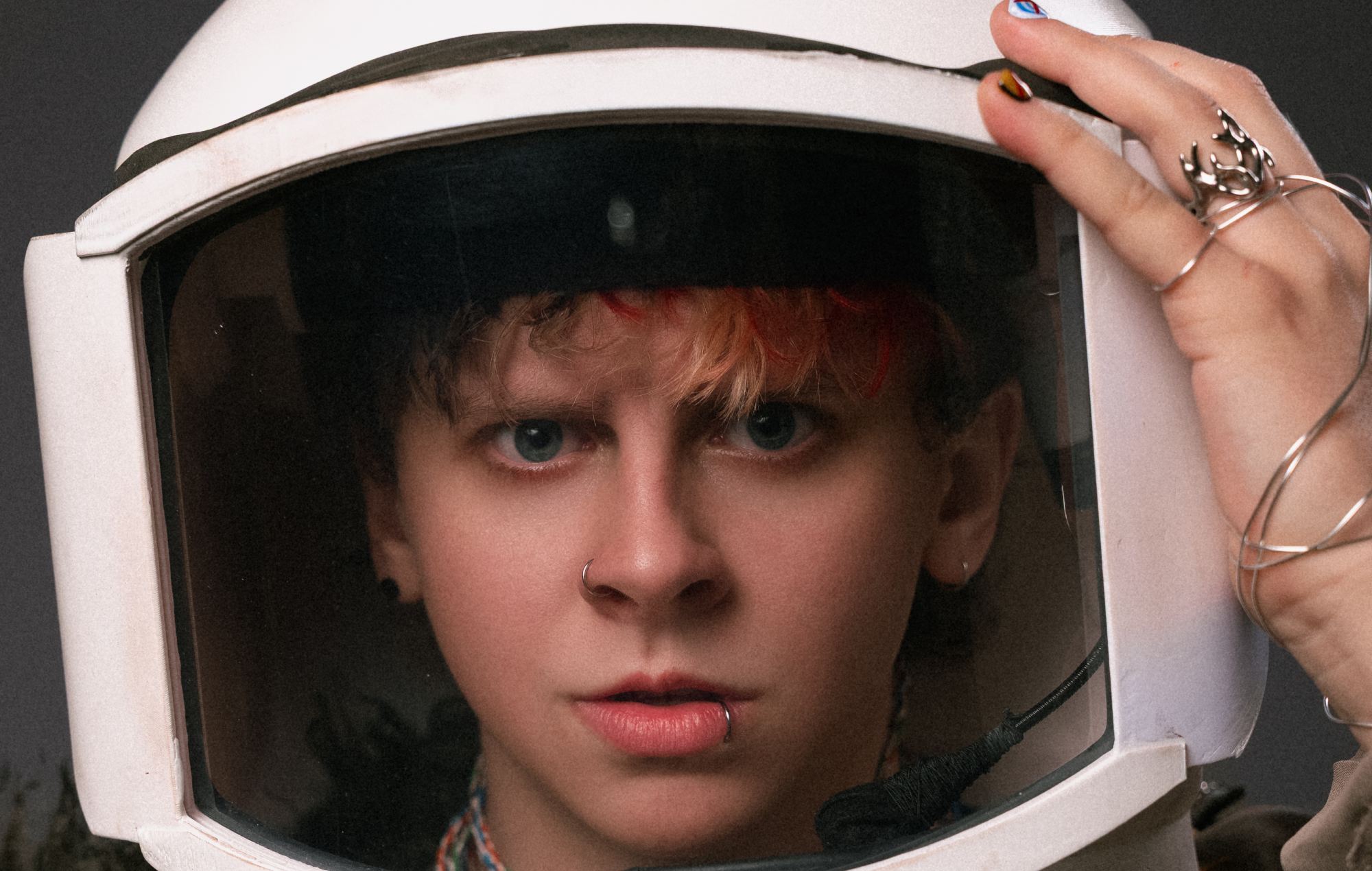
A return to real-world music communities
Despite everything, Reynolds remains hopeful. He believes a resurgence of communal creative spaces and a return to physical, unifying experiences is inevitable.
Part of that change may come from people pushing back against endlessly scrolling through short videos and trying to discover music alone on a screen. Online platforms can introduce listeners to artists, but they cannot fully replace the social charge of being in a room together.
Reynolds imagines local bands, DJs, producers, and artists building small scenes that gradually grow. It’s a slower, more natural kind of development—one that starts with a handful of people in a room and expands through word of mouth, friendship, and shared enthusiasm.
That vision feels almost old-fashioned now, which is precisely why it’s so appealing. The future of live music may not be about touring harder. It may be about touring smarter, protecting artists’ health, supporting venues, and making sure audiences can still afford to show up.
The touring crisis is real, but the appetite for live music hasn’t disappeared. What needs to change is the system around it. Which local venue, emerging artist, or unforgettable show would you fight to keep alive?
FAQ
- Why are veteran artists stepping away from touring?
Rising costs, reduced touring income, mental and physical health pressures, social media demands, and the strain of constant travel are all contributing factors. - How does touring affect newer artists?
Emerging artists often need to fund tours before music provides a reliable income. This can create debt, burnout, stress, and a cycle of working constantly to finance the next tour. - What is being done to support independent musicians?
Funding programs supported by arena ticket levies are helping artists who cannot afford to tour. Industry groups are also pushing for better financial structures and mental health support. - Why are grassroots venues so important?
Small venues give new artists a place to develop audiences, help communities access live music locally, and provide the early-stage infrastructure that can lead to larger careers. - How could live music become more accessible?
Suggested solutions include ticket support for lower-income audiences, cultural vouchers for young people, basic income programs for creatives, public funding, and stronger protections for independent venues.
Bring the feeling of a beloved live show home with a favorite album cover poster from Architeg Prints—a tasteful way to keep music’s visual memories on your wall.
 | DISCOUNTGET 30% OFF*Use code on your next order:
|
* This post may contain affiliate links, meaning we earn a commission if you make a purchase through these links, at no additional cost to you.