Brexit Touring Crisis: UK Calls for Real Progress in Brussels



Brexit Touring Crisis: UK Calls for Real Progress in Brussels
The Brexit touring crisis continues to cost artists, crews, venues, and fans. UK officials now say solving it is a shared European responsibility.
A touring problem that refuses to leave the stage
For musicians, touring Europe used to feel like a natural next step: book the dates, load the van, cross the Channel, and get on with the show. Now, the Brexit touring crisis has turned that familiar journey into a maze of paperwork, costs, and uncertainty—and the UK government is calling for meaningful progress in Brussels.

The government has emphasized that the difficulties facing artists, musicians, and touring crews aren’t only a British concern. Speaking in Brussels, Ian Murray, Minister of State for Digital, Culture, Media and Sport, described the issue as a “shared European interest” and argued that the UK and the European Union need to find practical ways forward.
That message arrives after years of warnings from across the music business. Since visa-free travel for UK performers and crew ended in 2020, the consequences have become increasingly difficult to ignore. Predictions that touring artists would face severe disruption have largely come true, while the wider talent pipeline continues to feel the strain.
The numbers behind the disruption
The human impact is clear, but the financial figures put an even sharper edge on the story. A 2024 Musicians’ Union report found that 75 percent of artists had experienced a drop in European Union bookings since Brexit. Even more concerning, 79 percent said they had been unable to replace that lost work elsewhere.
For many musicians, touring Europe is now considered “no longer financially viable.” That phrase lands heavily, especially for emerging acts operating on narrow margins. A few extra permits, transport complications, insurance costs, or administrative delays can turn a promising run of shows into a loss-making adventure.
Recent research from UK Music suggested that the situation was getting worse, with the rate of growth falling by more than half compared with 2023. That decline exists alongside record-breaking income reported at the upper end of the music industry, creating a familiar but uncomfortable split: the biggest names may still have the resources to keep moving, while developing artists are left staring at the paperwork and wondering whether the numbers add up.
A promise of commitment, followed by pressure
The issue has remained on the political agenda. In March, the Labour government pledged its “full commitment” to breaking down the barriers affecting musicians who need to tour Europe. In June, MPs shared a report urging closer cooperation with the EU and individual member states.
The goal is straightforward, even if reaching it is anything but: reduce the obstacles that make European touring harder, more expensive, and less predictable for artists and their teams.
With the UK now past the 10-year anniversary of the vote to leave the EU, discussions have continued in Brussels. Murray recently met senior European Union representatives, legislators, and music industry stakeholders before speaking at the Ancienne Belgique, one of Brussels’ best-known concert venues.
The setting was especially fitting. A music venue became the place where politicians, industry figures, and performers could talk about the infrastructure that allows live music to function. It’s easy to focus on the glowing stage lights and the final encore, but behind every show is a chain of people, vehicles, documents, bookings, and border crossings. If one link fails, the whole tour can wobble.
Music as a bridge across borders
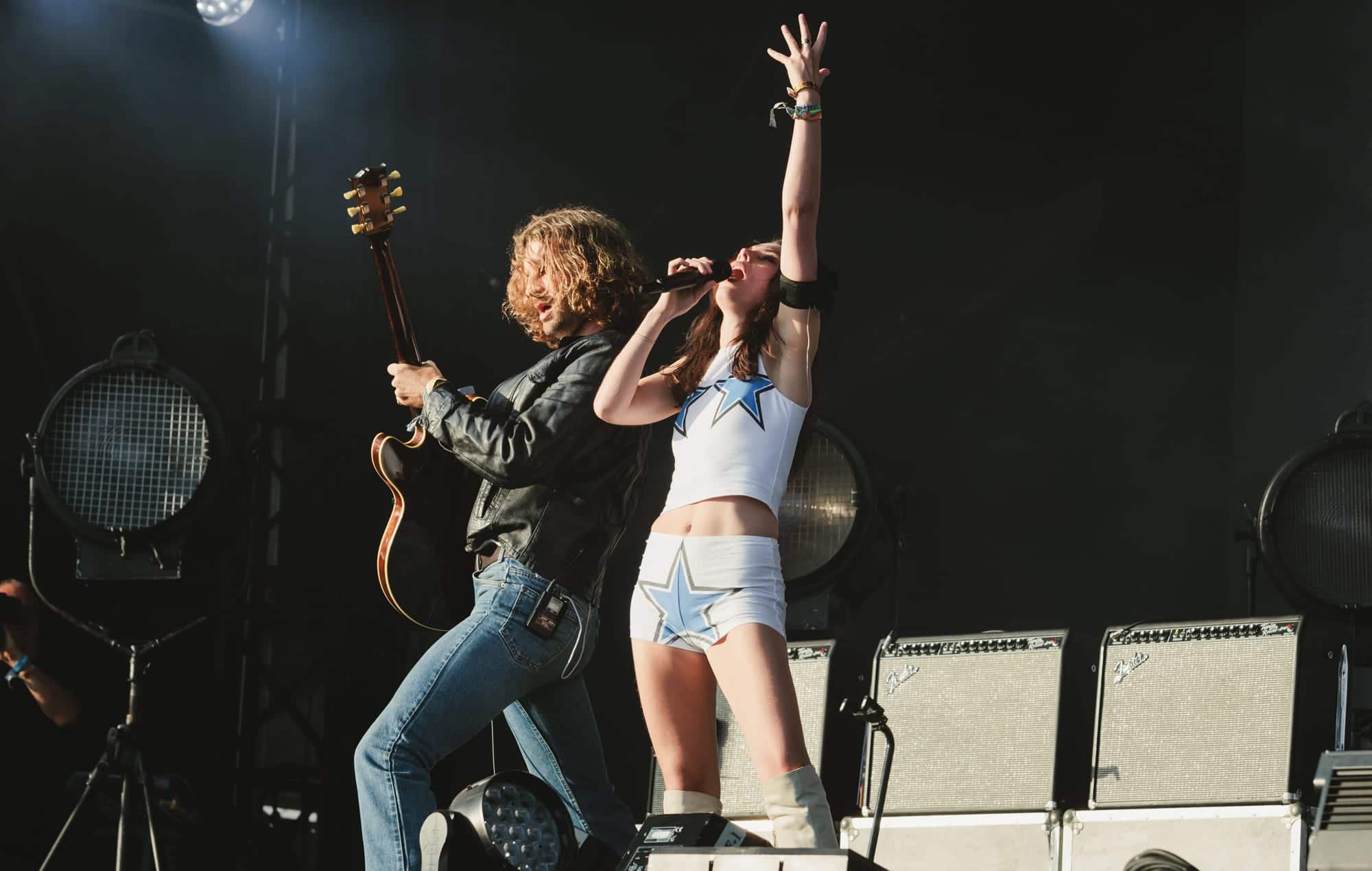
The evening reception included performances from Stardust singer-songwriter Benjamin Diamond, Venus Grrrls, and The Snuts. Murray used the occasion to celebrate Europe’s “rich and diverse music ecosystem” and the important role the UK plays within it.
“Music is one of our great cultural and economic strengths,” Ian Murray said. “There’s not a country in the world that wouldn’t give their right arm for just a fraction of the great music that the UK produces. It brings people together, creates jobs, and gives us a shared language that crosses borders.”
That idea sits at the heart of the government’s argument. Music is not simply entertainment that happens to travel; it is also employment, cultural exchange, local spending, and a way for audiences to encounter stories beyond their own borders.
Murray said the UK music industry supports more than 200,000 jobs and contributes £8 billion to the economy. He also connected that success to the government’s Music Plan, whose ambition is to help people from every background experience music, build careers in the sector, and share their talent internationally.
But those ambitions depend on a functioning route into the wider European market. If young performers can’t afford to tour, if crew members lose opportunities, and if venues stop taking chances on developing acts, the talent pipeline narrows. The next generation may still be making brilliant music—but fewer people will get the chance to hear it live.
Why Europe’s music scene is interconnected
Murray argued that no single country can shape the future of music alone. Europe’s scene is built from a network of artists, audiences, venues, festivals, promoters, and crews, all feeding into one another.
He pointed to recent festival and concert activity as evidence of that connection. Pulp and Florence + the Machine headlined Madrid’s Mad Cool Festival, while The Cure and Gorillaz performed in Denmark. Mumford & Sons and Lewis Capaldi appeared at Rock Werchter in Belgium.
The examples underline something fans have always understood instinctively: music becomes bigger when it moves. A UK band playing abroad gains new listeners. A European festival gains another layer of variety. A local audience gets to experience an artist who might otherwise never reach its city. It’s a cultural exchange with guitar cases, set lists, and a suspicious number of tangled cables.
Murray said the UK’s music “sounds better” when shared with European friends, using the Brussels event to reinforce a commitment to cultural cooperation between the UK and the EU.
The cost reaches far beyond the stage
The government-commissioned research discussed by Murray put specific figures on the losses caused by reduced UK touring in the EU. The UK is estimated to have lost £208 million in economic value and 2,500 jobs. Across the European Union, the estimated loss is around £1 billion, alongside more than 17,000 jobs.
Those numbers describe more than reduced earnings for performers. They represent venues missing shows, technical workers losing contracts, local businesses missing visitor spending, and audiences losing opportunities to see international artists.
“Behind them are artists unable to reach new audiences, crews losing opportunities, venues missing performances, fans losing the chance to experience music from across Europe, and critically, opportunities for us all to tell each other’s stories through music,” Murray said.
That final point matters. Touring is not only a transaction between a performer and a ticket holder. It’s also how scenes overlap, how new collaborations begin, and how audiences discover sounds they wouldn’t necessarily find at home.
A shared European interest, not just a UK complaint
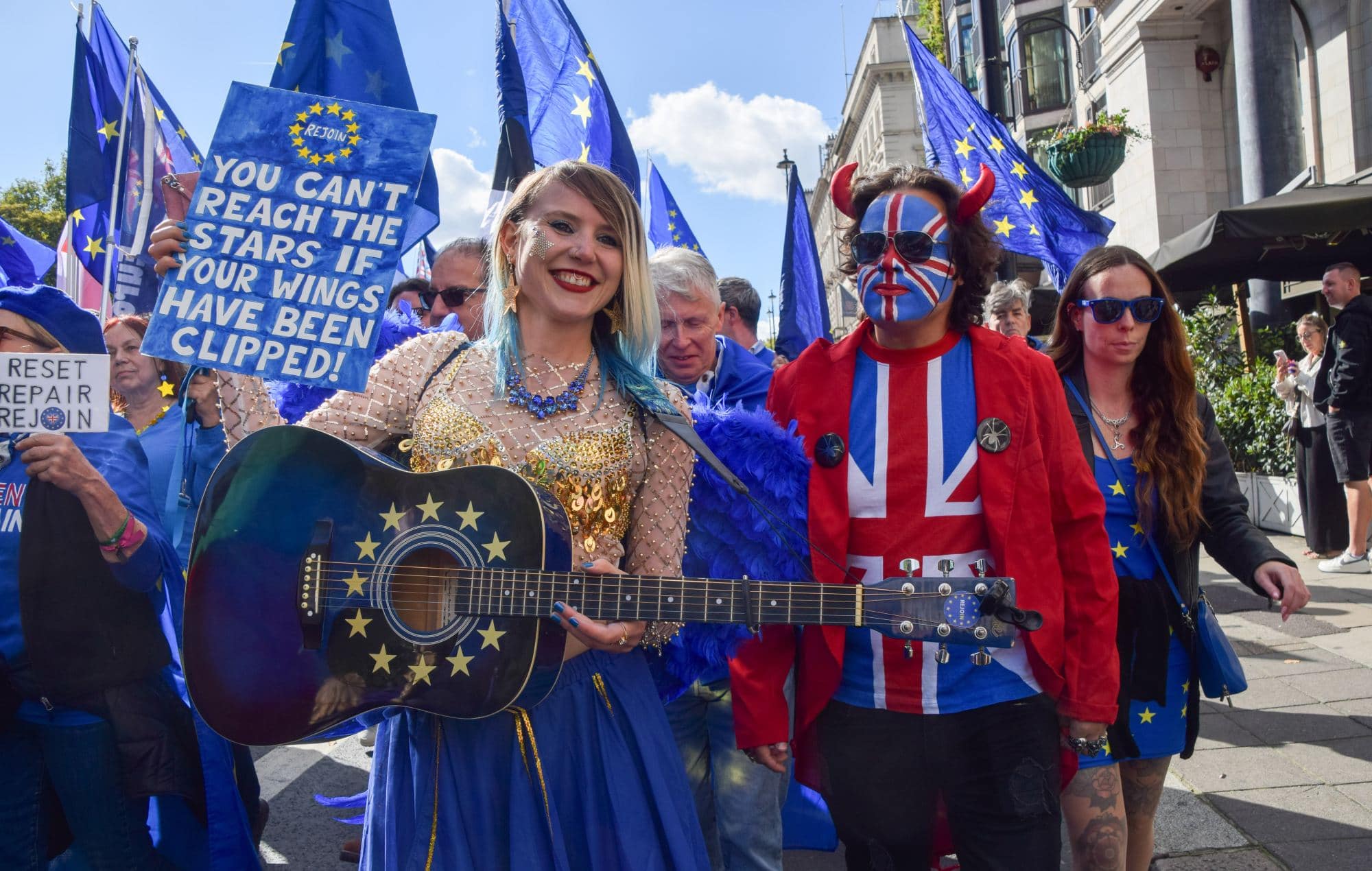
Murray stressed that the situation should not be treated as a problem belonging solely to Britain. The government and its European counterparts are working to explore joint solutions that could make touring simpler and more affordable.
The focus, he said, should include emerging artists—the performers who may become tomorrow’s major headliners but currently have the least financial room for error. A global superstar might be able to absorb extra administrative costs. A developing band playing modest venues often can’t.
That distinction is crucial. If the goal is a healthy, competitive music ecosystem, the system must work for more than established acts with large teams and substantial budgets. It needs to leave room for the unknown singer-songwriter, the ambitious indie band, the freelance lighting technician, and the small venue taking a chance on a new name.
At the same time, Murray acknowledged that the music industry is changing quickly. Technology is helping new talent emerge from unexpected places, and audiences have more access than ever to music made around the world. Yet many creative workers continue to face precarious conditions, while the infrastructure supporting them remains under pressure.
What “real progress” could mean
The minister’s message was ultimately about cooperation. He said working with European partners, industry organizations, and groups such as the Cultural Exchange Coalition could turn shared ambitions into “real progress.”
That progress would need to make touring more affordable, more predictable, and less intimidating. It would also need to recognize how many different people depend on live music, from artists and crews to venues, promoters, festivals, and fans.
The Brexit touring crisis is not the only challenge facing the UK music industry. Pressure is also building for action on a ticket levy that could help protect grassroots artists and venues, as well as measures to tackle ticket touts.
Still, touring remains one of the clearest tests of whether political cooperation can produce practical results. Musicians don’t need grand speeches alone; they need workable arrangements that allow them to cross borders, perform, and bring their teams home without the economics collapsing around them.
The Brussels discussions offer a sign that the issue remains active, but the music industry will be watching for results rather than reassurance. If the UK and EU can make touring easier for emerging artists, the reward won’t only be more concerts—it will be a stronger, more connected European music culture.
FAQ
- What is the Brexit touring crisis?
It refers to the visa, administrative, financial, and logistical barriers affecting UK artists and touring crews working in Europe since visa-free travel ended in 2020. - How many UK artists reported fewer European bookings?
A 2024 Musicians’ Union report found that 75 percent of artists surveyed had seen a decline in European Union bookings since Brexit. - Why are emerging artists especially vulnerable?
Developing acts usually work with smaller budgets, so additional travel, paperwork, and touring costs can make European shows financially unviable. - What economic impact has reduced touring caused?
Government-commissioned research cited a £208 million loss in UK economic value and 2,500 UK jobs, while the wider European Union was estimated to have lost around £1 billion and more than 17,000 jobs. - What solutions are being discussed?
UK and European representatives are exploring joint approaches intended to make touring simpler and more affordable, particularly for emerging performers and their crews.
If live music has shaped your world, bring a little of that atmosphere home with a favorite album cover poster from Architeg Prints. It’s a warm, stylish way to keep the music playing between shows.
 | DISCOUNTGET 30% OFF*Use code on your next order:
|
* This post may contain affiliate links, meaning we earn a commission if you make a purchase through these links, at no additional cost to you.