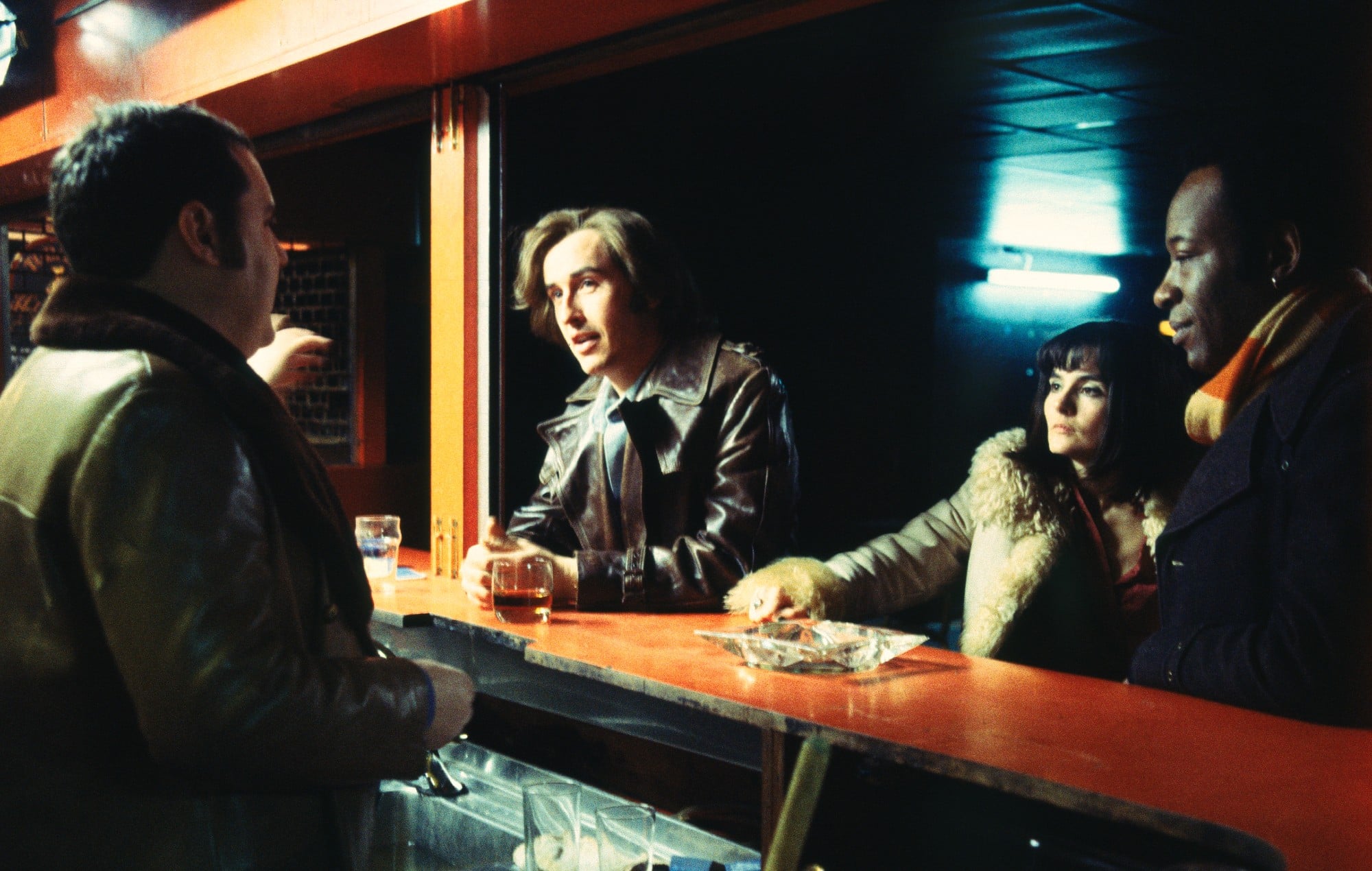
24 Hour Party People: Michael Winterbottom on Manchester’s Musical Chaos
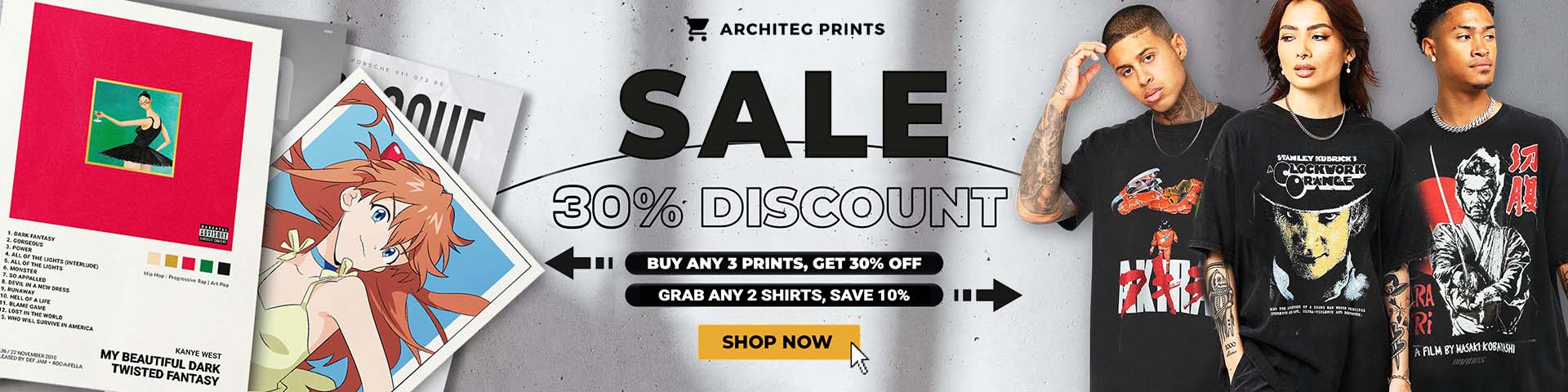


24 Hour Party People: Michael Winterbottom on Manchester’s Musical Chaos
Party People returns in 4K as Michael Winterbottom reflects on Factory Records, Tony Wilson, Steve Coogan, the Haçienda, and Manchester’s unforgettable musical spirit.
A Cult Classic Comes Back to the Big Screen
Some films feel less like carefully polished movies and more like somebody threw a camera into a nightclub and yelled, “Go!” 24 Hour Party People has always belonged to that wonderfully unruly category. Now, as the cult classic returns to cinemas for its 24th anniversary, director Michael Winterbottom is looking back at the chaos, freedom, and sheer musical joy that shaped it.
Originally released in 2002, the Madchester music biopic is returning to cinemas across the UK and Ireland in a fully remastered 4K presentation. It will also become available digitally and on 4K UHD disc later in the month. Before the anniversary screenings, Winterbottom spoke about making a film that celebrates Factory Records, Tony Wilson, Manchester, and the strange magic that happens when nobody follows the usual rules.
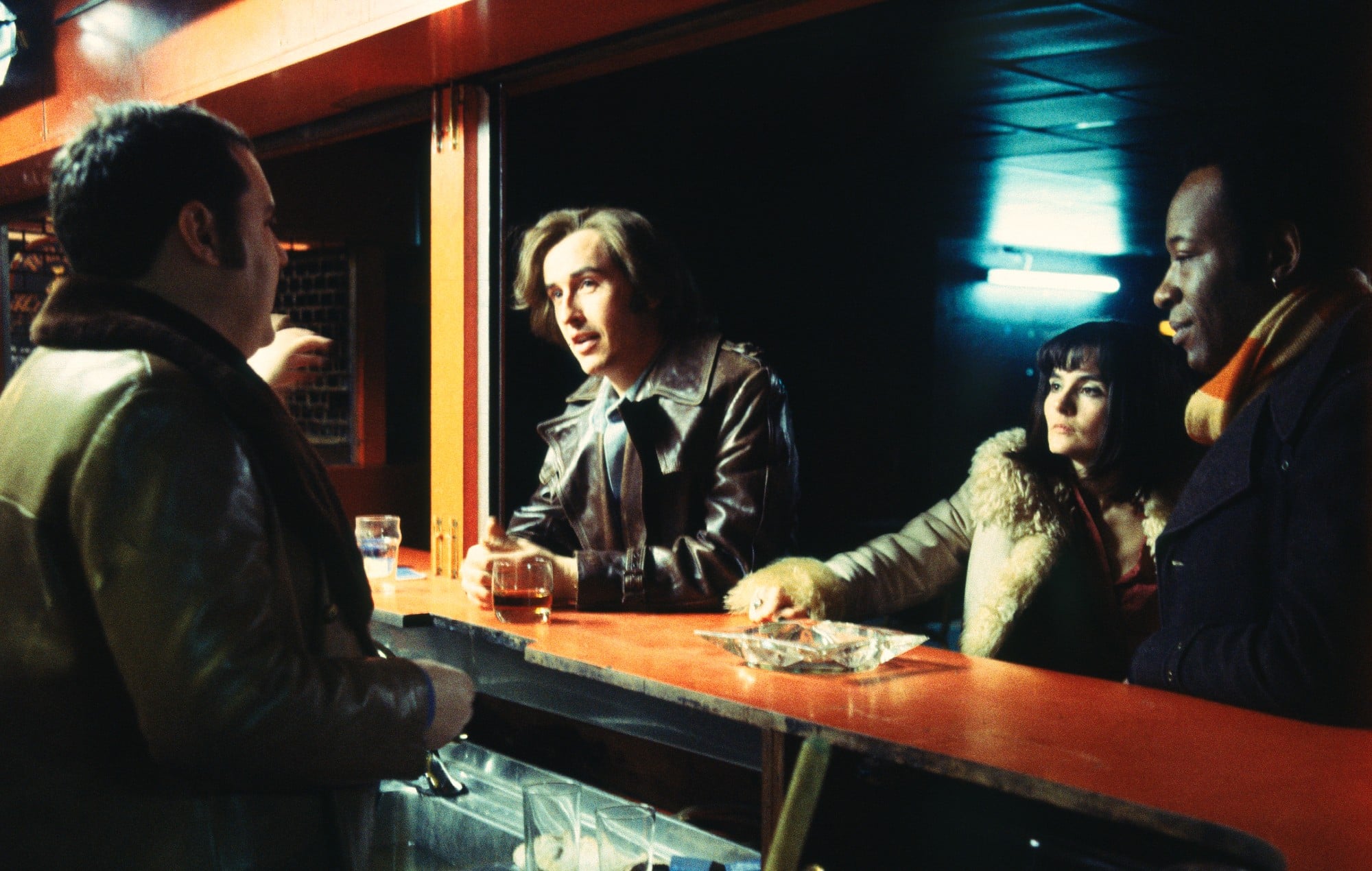
At the center of the film is Steve Coogan as Tony Wilson, the charismatic Granada TV presenter who founded Factory Records in 1978 after being inspired by an early Sex Pistols show. From there, Wilson helped bring some of the most influential bands of the era into the world, including Joy Division, Happy Mondays, and A Certain Ratio.
He also co-founded the legendary Haçienda nightclub, which was connected to Factory Records and New Order. In other words, Wilson wasn’t simply watching Manchester’s musical revolution from the sidelines. He was throwing open the doors, turning up the volume, and occasionally setting fire to the rulebook.
Capturing Factory’s Freedom
The film covers a broad stretch of time, moving from the late 1970s into the early 1990s. Yet Winterbottom says the starting point wasn’t a timeline or a checklist of famous events. It was the attitude behind Factory Records and the people who made it possible.
“For me, the starting point of making it all those years ago was just the attitude and spirit of Factory and Tony Wilson, and all the bands. It just seemed really attractive, the idea that people do what they wanna do. It might be chaotic, it might be a bit stupid at times – but actually, music came out of it.”
— Michael Winterbottom
That spirit, he explained, wasn’t necessarily about anarchy. It was more about freedom, experimentation, and allowing people to chase an idea before someone in a suit could explain why it wouldn’t work.
Winterbottom wanted the film to reflect that same looseness. The cast improvised, the camera kept moving, and the production tried to create an environment where performers could respond naturally rather than simply hit their marks and wait for the next instruction.
“We wanted to try and make the film in the spirit of Factory Records,” he explained, describing the approach as loose, baggy, and deliberately improvised. It’s a fitting method for a story built around musicians, clubs, television personalities, and a record label that often seemed to operate according to its own private weather system.
Why the Film Looks Back at the Audience
One of the film’s most distinctive features is its self-aware narration. Characters look directly into the camera, events are filtered through Tony Wilson’s storytelling, and the film occasionally winks at the audience. It’s not trying to pretend that this is an objective history lesson.
Winterbottom said the device grew partly from the sheer amount of material involved. The story included different bands, shifting eras, and a huge collection of stories that had to be shaped into something watchable.
The direct address became a practical way to guide viewers through the film’s sprawling structure. It also felt natural because Wilson had already spent years presenting bands and cultural stories on television. His relationship with the camera was part of who he was.
That made him an ideal narrator, even if he wasn’t always a reliable one.
Tony Wilson, the Unreliable Storyteller
Winterbottom remembered Wilson as generous and helpful when the project began. He shared stories, offered insight, and helped the filmmakers understand the world they were trying to recreate. But after seeing the finished film, Wilson apparently questioned some of those same stories and claimed not to know who had told them.
That contradiction became part of the fun.
“Tony Wilson was great. When we went to see him the first time and said that we wanted to try and make the film, he told us lots of great stories. He was incredibly helpful and giving. Then later, when the film was finished, he claimed that a lot of the stories were rubbish.”
— Michael Winterbottom
The director also recalled that not everyone was entirely happy with the film’s liberties. Tony Wilson’s first wife, Lindsay, had a small role in the movie and shared stories of her own. One scene involved her having sex in a toilet with Buzzcocks’ Howard Devoto, although she later objected to the location.
The filmmakers added a voiceover in an attempt to address the disagreement, but tensions continued and legal action followed. It’s an almost perfectly suited anecdote for a film about Factory Records.
Why Steve Coogan Was Perfect as Tony Wilson
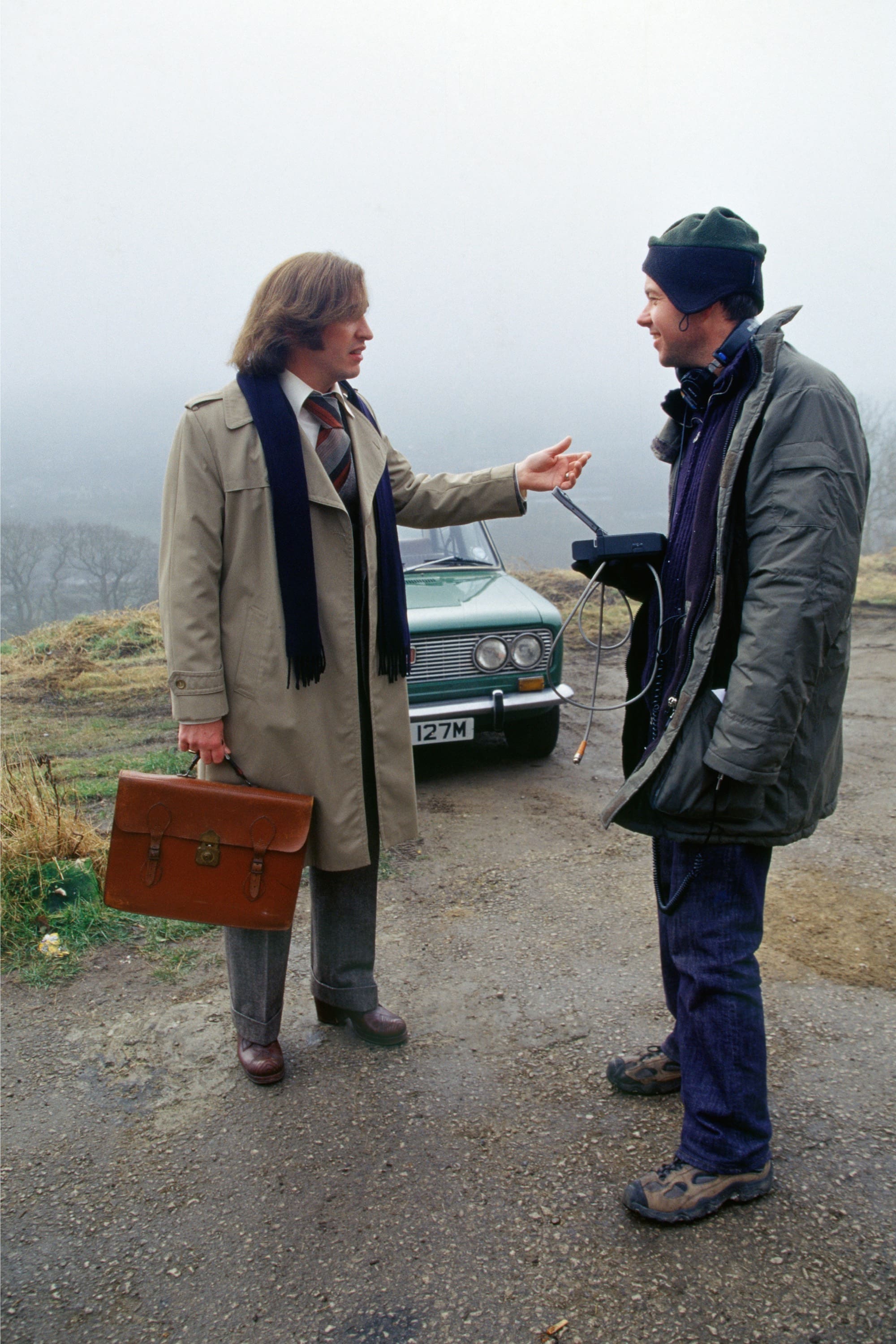
Coogan’s performance was crucial to the film’s balance of comedy, affection, and absurdity. Winterbottom believed from the earliest conversations that Coogan was the right actor for the part—possibly the only one who could make Wilson’s contradictions feel so natural.
Both Coogan and Wilson had roots in Manchester and experience as local broadcasters. But the similarities ran deeper than geography. Wilson could present a lighthearted local television segment during the day and then become a champion of boundary-pushing music at night.
Winterbottom had watched Wilson on television while growing up in Blackburn. He was fascinated by the strange split between Wilson’s public roles: the amusing regional presenter on one hand, and the passionate music-world provocateur on the other.
That tension gave Coogan something rich to play. The hand-gliding scene, with its unmistakable echoes of his earlier comic work, becomes funny because it sits beside Wilson’s serious cultural ambitions. He’s both ridiculous and visionary, often in the same breath.
Winterbottom hadn’t met Coogan before the project, but he already admired his work. Coogan also understood the world around Wilson because he had crossed paths with him early in his own television career. That familiarity helped make the performance feel less like a conventional impersonation and more like a comic, affectionate interpretation.
A Northern Story Finds an Audience Abroad
Although the film is deeply tied to Manchester, its appeal isn’t limited to one city or even one country. Winterbottom said American audiences connected with the music, particularly those already passionate about New Order and the broader Factory scene.
The music may not have been mainstream in the United States, but that didn’t mean there was no audience for it. In fact, the people who loved it tended to love it fiercely. During the film’s early American screenings, Moby supported events in New York because of his admiration for New Order.
That kind of enthusiasm helped the film travel. 24 Hour Party People isn’t asking every viewer to know the complete Manchester music family tree before pressing play. It simply opens the door and lets the music do much of the explaining.
Rebuilding the Haçienda from Scratch
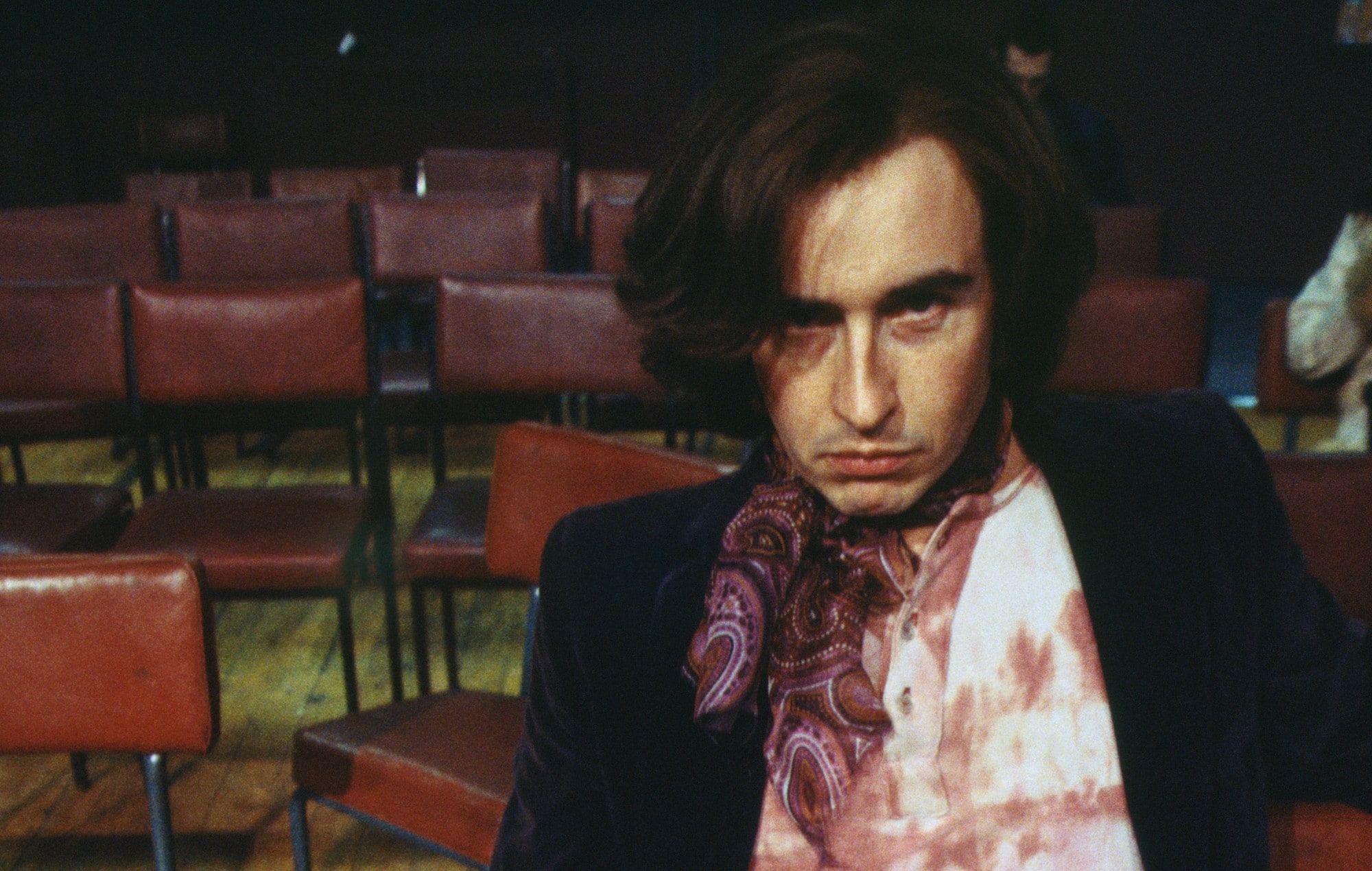
Recreating the Haçienda presented a particularly strange challenge. When pre-production began, the original club was still standing. Winterbottom and production designer Mark Tildesley were able to tour the building, only to learn that it would be gone by the time filming started.
So the team found a warehouse and built their own version.
Tildesley apparently recreated the club with such precision that the production was sued by the original architect over alleged copyright infringement. The filmmakers had assumed that reproducing the Haçienda so accurately would be seen as a compliment. Instead, they found themselves facing the less glamorous side of architectural imitation.
It’s an almost comically appropriate story. Even the attempt to recreate the Haçienda became a little chaotic, a little risky, and much more complicated than expected.
The Night New Order Took Over
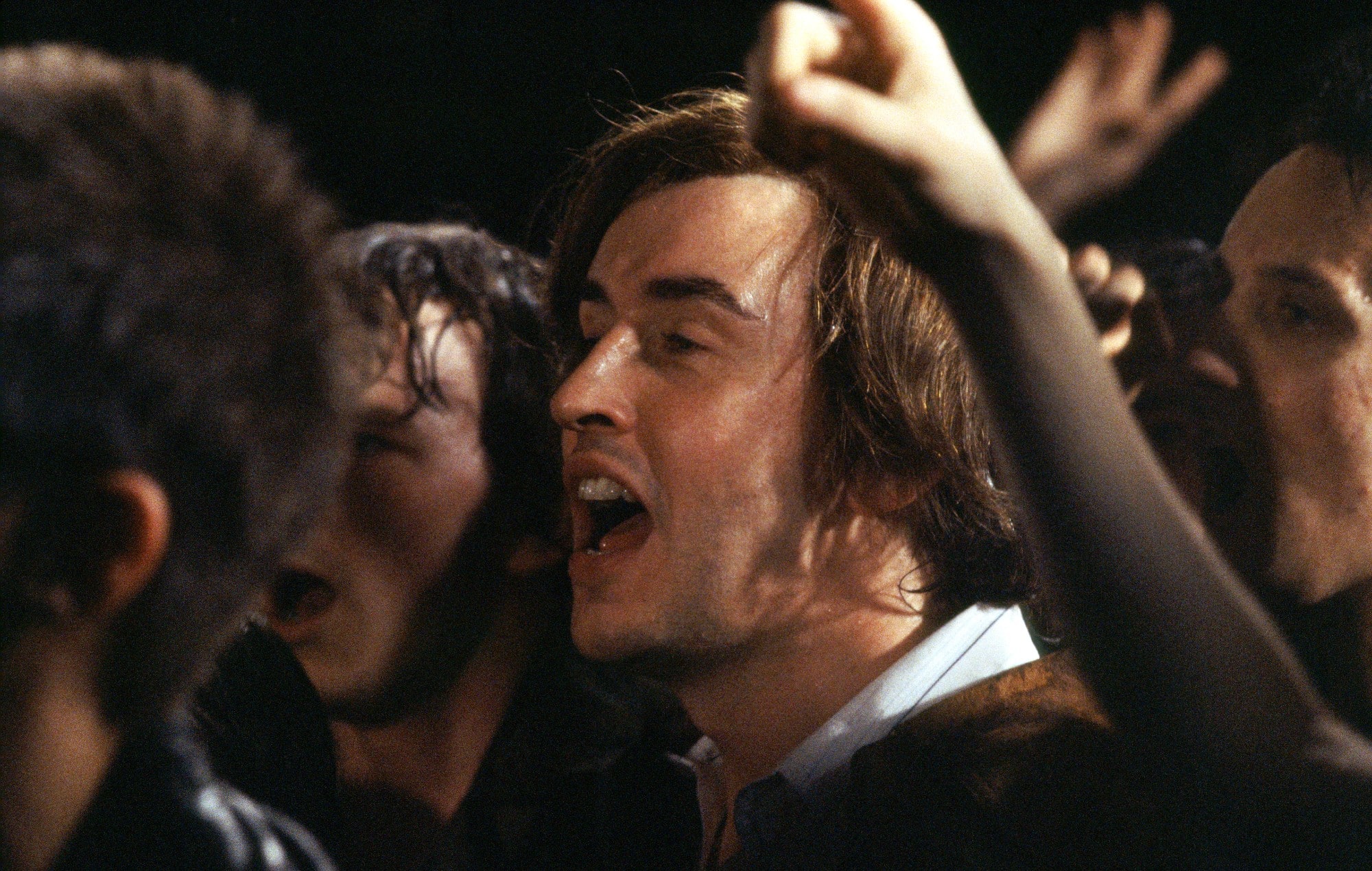
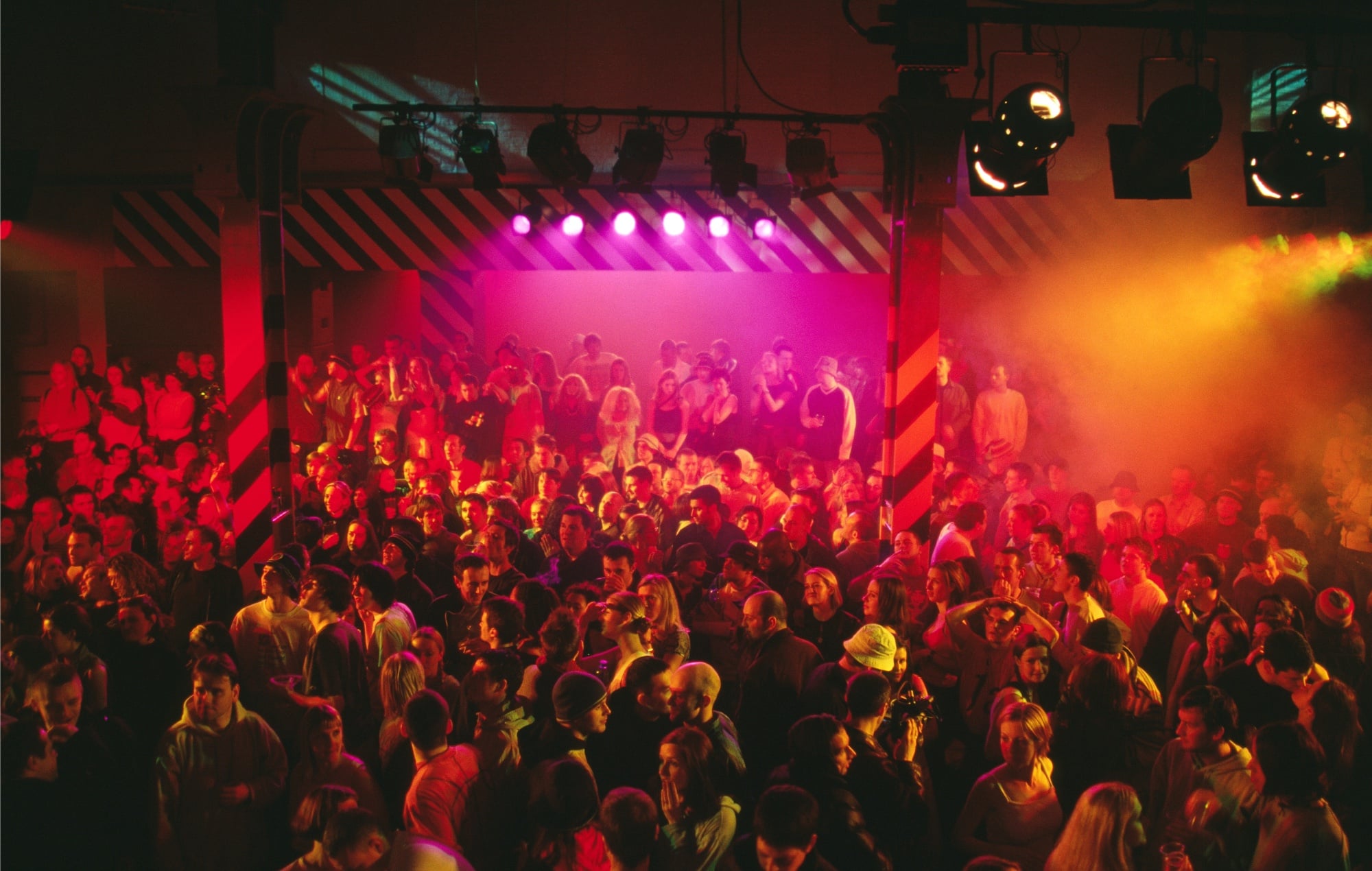
The film’s party scenes benefited from an especially memorable production decision. Rather than hire a crowd of traditional extras, the team organized a real club night and invited people to attend.
The event ran continuously for four or five hours, with filming taking place in the middle of the crowd. By that stage of the production, musicians and performers were more relaxed about the project, and the atmosphere became less like a controlled shoot and more like an actual night out.
Then New Order arrived.
Bernard Sumner ended up in the DJ booth, wanting the music to continue. Winterbottom described the night as completely chaotic, with himself running around holding a camera while the party unfolded around him.
There was no stiff instruction for the crowd—no “now we’re filming, do this.” Instead, the music started and everyone simply went with it. That spontaneity is precisely what the film had been trying to capture all along.
New Order helped turn the final night of filming into something that felt more like a genuine club event than a conventional production.
Building the Soundtrack
The original concept for the soundtrack was even broader. Winterbottom initially imagined a sprawling tapestry of Manchester bands, with Wilson guiding viewers through a kind of musical family tree.
As the script developed, and as filming and editing began, that idea narrowed into something more manageable. The finished film ultimately places greater emphasis on the central line connecting Joy Division, New Order, and Happy Mondays.
There’s still plenty of music around that core, but the soundtrack became less of an all-encompassing map and more of a focused route through the city’s most important creative relationships. Much of the music is woven directly into the film, with additional choices added according to what felt right for each moment.
Joy Division forms one of the key parts of that musical route, linking the film’s early period with the later development of New Order.
Real Musicians, Real Cameos, Real Mischief
Winterbottom wanted as many real figures from the era to appear as possible. Rowetta was especially helpful, encouraging the actors playing the Happy Mondays to capture the band’s spirit. Paul Ryder made a gangster-style appearance, while Mark E. Smith showed up in a queue.
At the wrap party, Bez was among those present. These cameos give the film another layer of texture. The fictionalized versions of musicians share the screen with people who actually lived through the period, making the whole thing feel like a reunion that has somehow wandered into a movie.
It also reinforces the film’s central idea: Manchester’s music culture was communal. Bands, broadcasters, DJs, designers, actors, and clubgoers all seemed to overlap. Everybody knew somebody, and everybody had a story—accurate, embellished, or entirely bonkers.
Why This Moment Still Matters
Winterbottom hasn’t ruled out making another music film, but he remains particularly attached to the Factory era. For him, Tony Wilson and Factory Records transformed Manchester’s identity.
He remembered that the city didn’t seem especially famous as a major party destination when he was growing up. Today, Manchester has a very different reputation, with students and young people drawn there partly because they expect to have a memorable night out.
That change is part of Wilson’s legacy. Factory didn’t simply release records or stage events. It helped shape the way Manchester was imagined—by the people who lived there and by audiences far beyond the city.
Winterbottom believes the film worked because the cast and crew tried to enjoy themselves rather than treat the material like a stiff historical exercise. Music, he suggested, often grows from the bottom up: teenagers meet, form bands, play in bedrooms, and slowly find an audience.
Cinema tends to work differently, requiring filmmakers to persuade large organizations to fund an idea. The production of 24 Hour Party People tried to keep that grassroots energy alive.
“I think all of us just thought, ‘Well, let’s enjoy ourselves.’”
— Michael Winterbottom
That may be the film’s secret. Beneath the jokes, cameos, camera tricks, and nightclub mayhem, it’s a movie made by people who genuinely loved the music and wanted to share the feeling of discovering it.
24 Hour Party People: 24th Anniversary 4K Re-release is playing in UK and Ireland cinemas.
Conclusion
24 Hour Party People remains a gloriously messy celebration of music, place, and creative freedom. Its version of Manchester isn’t tidy—and thank goodness for that. Would you rather watch a perfectly organized history lesson, or spend two hours inside a brilliantly chaotic night that keeps finding another song to play?
FAQ
- What is 24 Hour Party People about?
It tells the story of Tony Wilson, Factory Records, and Manchester’s changing music scene from the late 1970s through the early 1990s. - Who plays Tony Wilson in the film?
Steve Coogan portrays Tony Wilson, bringing together the character’s television comedy, Manchester roots, and passionate support for experimental music. - Which bands are central to the film?
Joy Division, New Order, and Happy Mondays form the main musical thread, while several other Manchester artists and Factory-related figures appear throughout. - How did the production recreate the Haçienda?
The team built a full-scale version of the club inside a warehouse after learning that the original building would no longer be standing when filming began. - Why does the film use improvisation and direct camera addresses?
Winterbottom used those techniques to reflect Factory’s freedom and looseness while helping narrate a story filled with different bands, years, and competing memories.
Bring a little of Manchester’s musical spirit home with a favorite album cover poster from Architeg Prints. It’s a warm, stylish way to keep that record-store-and-club-night feeling close by.
 | DISCOUNTGET 30% OFF*Use code on your next order:
|
* This post may contain affiliate links, meaning we earn a commission if you make a purchase through these links, at no additional cost to you.