Oasis Documentary: Why Noel and Liam’s Reunion Happens Off Camera



Oasis Documentary: Why Noel and Liam’s Reunion Happens Off Camera
The Oasis documentary skips the brothers’ private reconciliation, focusing instead on the emotional moment their music brought them back together onstage.
The Reunion Everyone Wanted to See
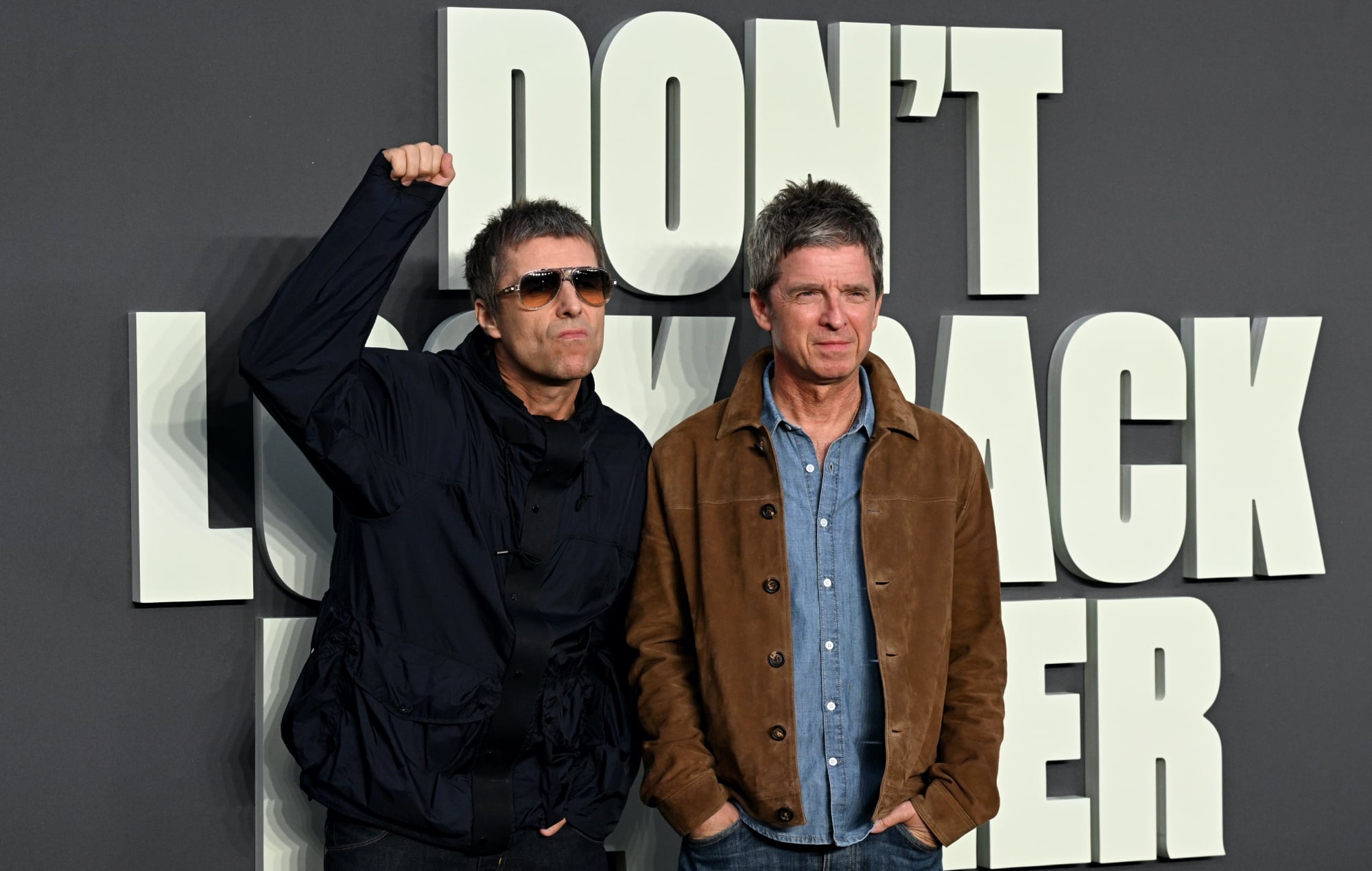
There’s a particular kind of fan curiosity that follows Oasis everywhere: after all the arguments, walkouts, and famously combustible family drama, how did Noel and Liam Gallagher actually make peace? Their new film doesn’t provide a tidy backstage heart-to-heart—and that omission is entirely deliberate.
The filmmakers behind Oasis: Don’t Look Back In Anger have explained why the documentary avoids showing the precise moment the Gallagher brothers buried the hatchet before their major 2025 reunion concerts. Instead, the film concentrates on what happened once they stepped back into the same room, picked up their instruments, and became Oasis again.
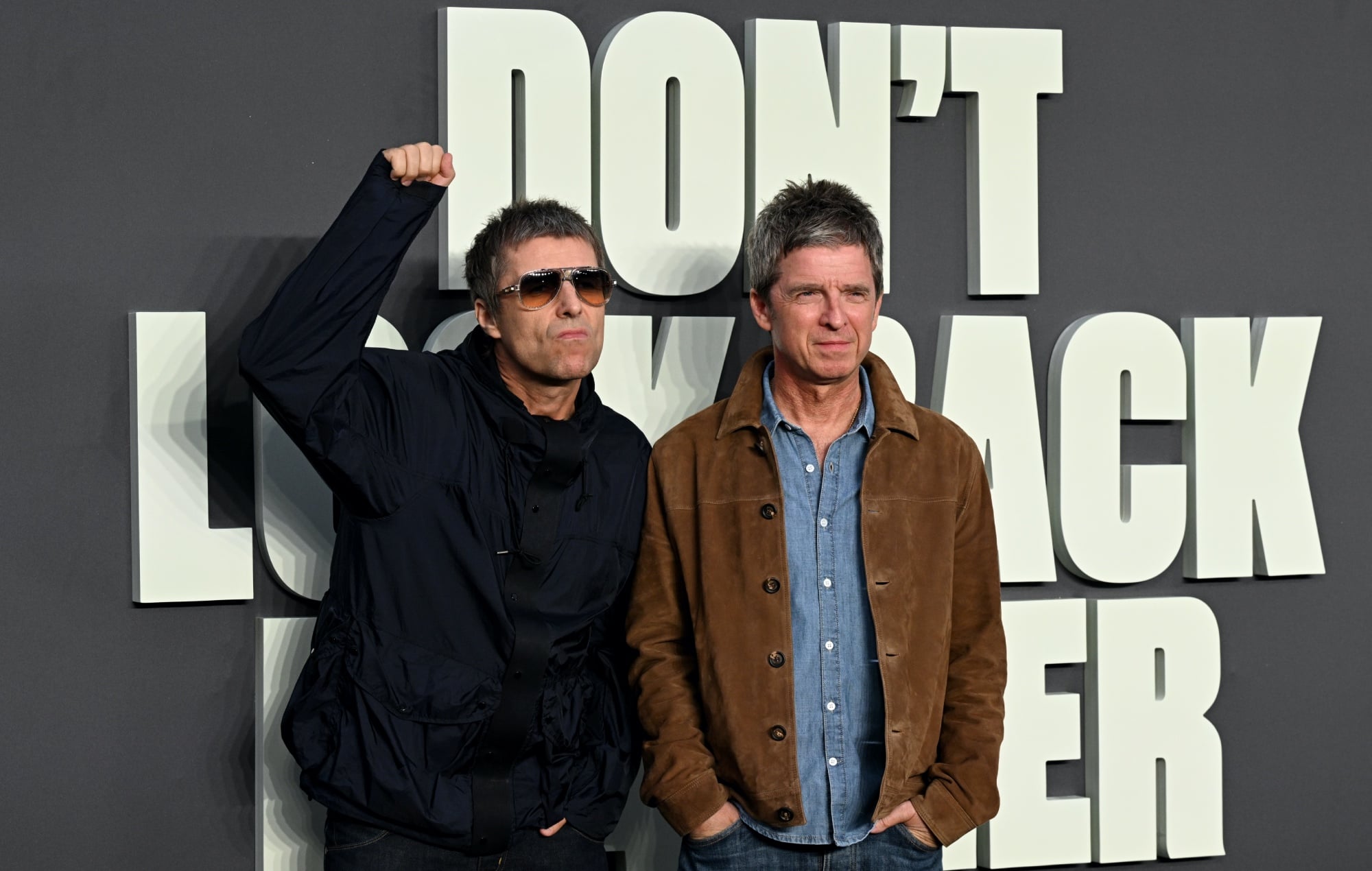
The film arrived in theaters the previous month and is scheduled to stream on Disney+ from Friday, October 9. The digital edition also includes previously unseen material, with extra performance footage and additional interviews featuring Noel and Liam.
That should be enough to keep longtime fans busy with the pause button. Still, some viewers wondered why the documentary didn’t reveal the private negotiations or emotional conversations that led to the brothers sharing a stage again after their bitter 2009 split.
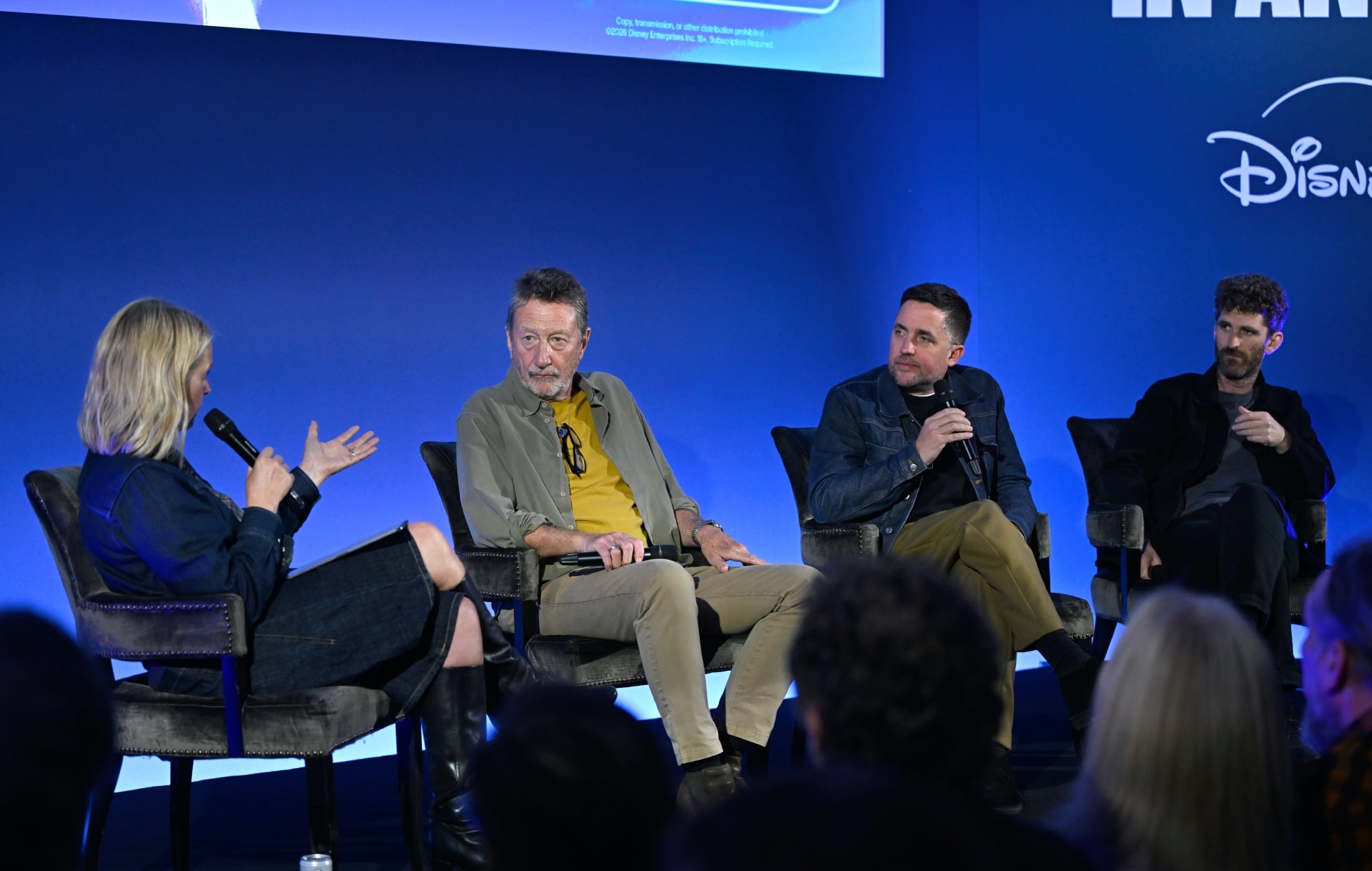
During a preview event for the extra footage at London’s Abbey Road Studios, writer and creator Steven Knight, along with directors Dylan Southern and Will Lovelace, offered an explanation. Their answer was surprisingly simple: there wasn’t a cinematic reconciliation scene to capture.
There Was No Big Heart-to-Heart
That brings us to the film’s most important creative choice. Rather than inventing a dramatic emotional summit, the filmmakers followed what actually happened.
“A lot of people having watched the film have been like, ‘Why didn’t we get to see the machinations of how they got back together?’ But literally, they didn’t sit down and have a heart-to-heart and go, ‘You said this, you did that’. They walked back into a room together, and we filmed it, and they started, and Oasis was back.” — Dylan Southern
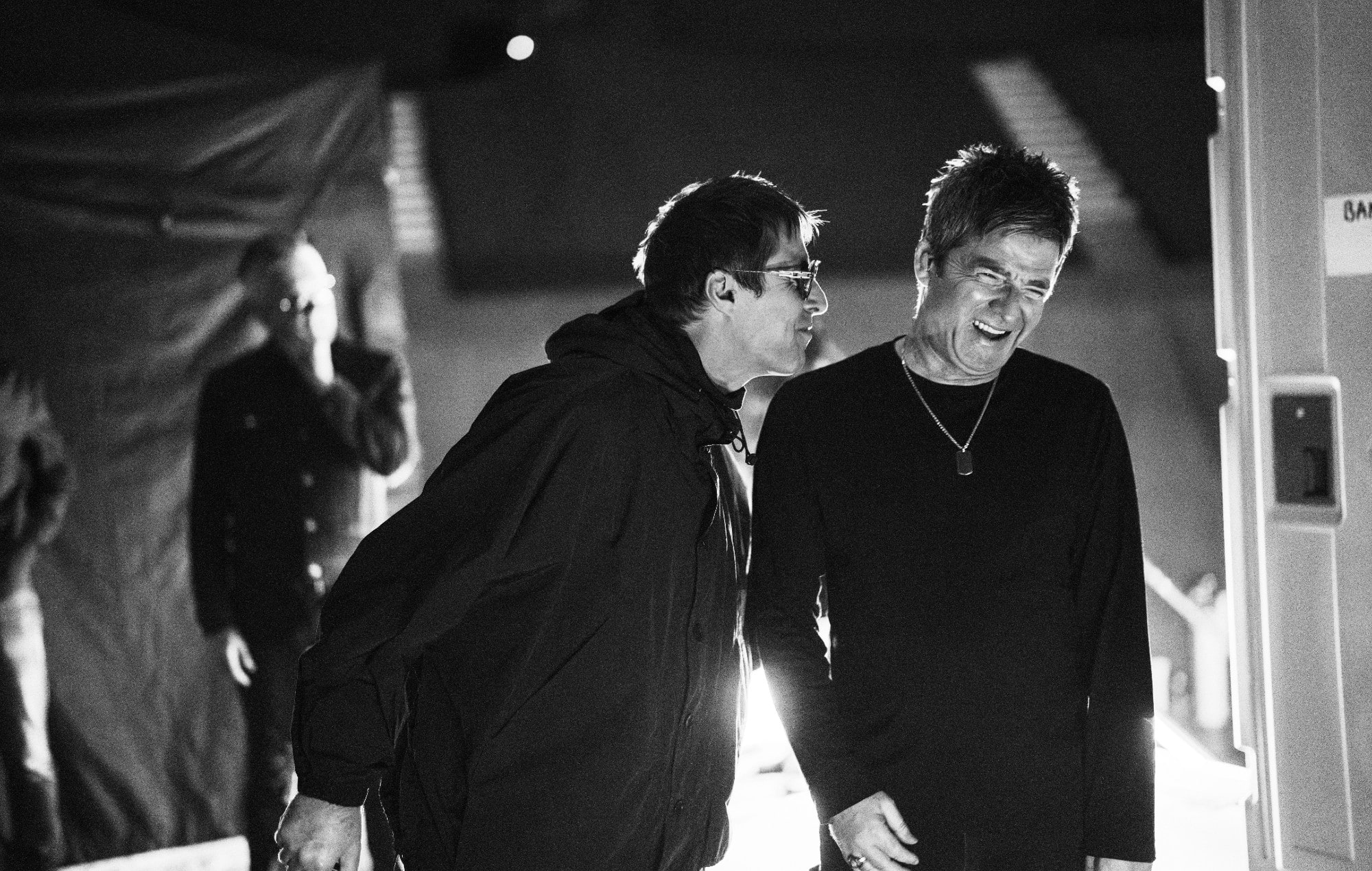
It’s almost comically Oasis, really. No grand apology scene. No carefully lit exchange of old grievances. No brothers sitting opposite each other while a string section swells in the background. They simply returned to the room, started playing, and the machine began moving again.
That lack of theatrical closure became part of the documentary’s honesty. The film doesn’t pretend that years of conflict were neatly resolved through one perfect conversation. Instead, it suggests that some relationships change through action rather than explanation.
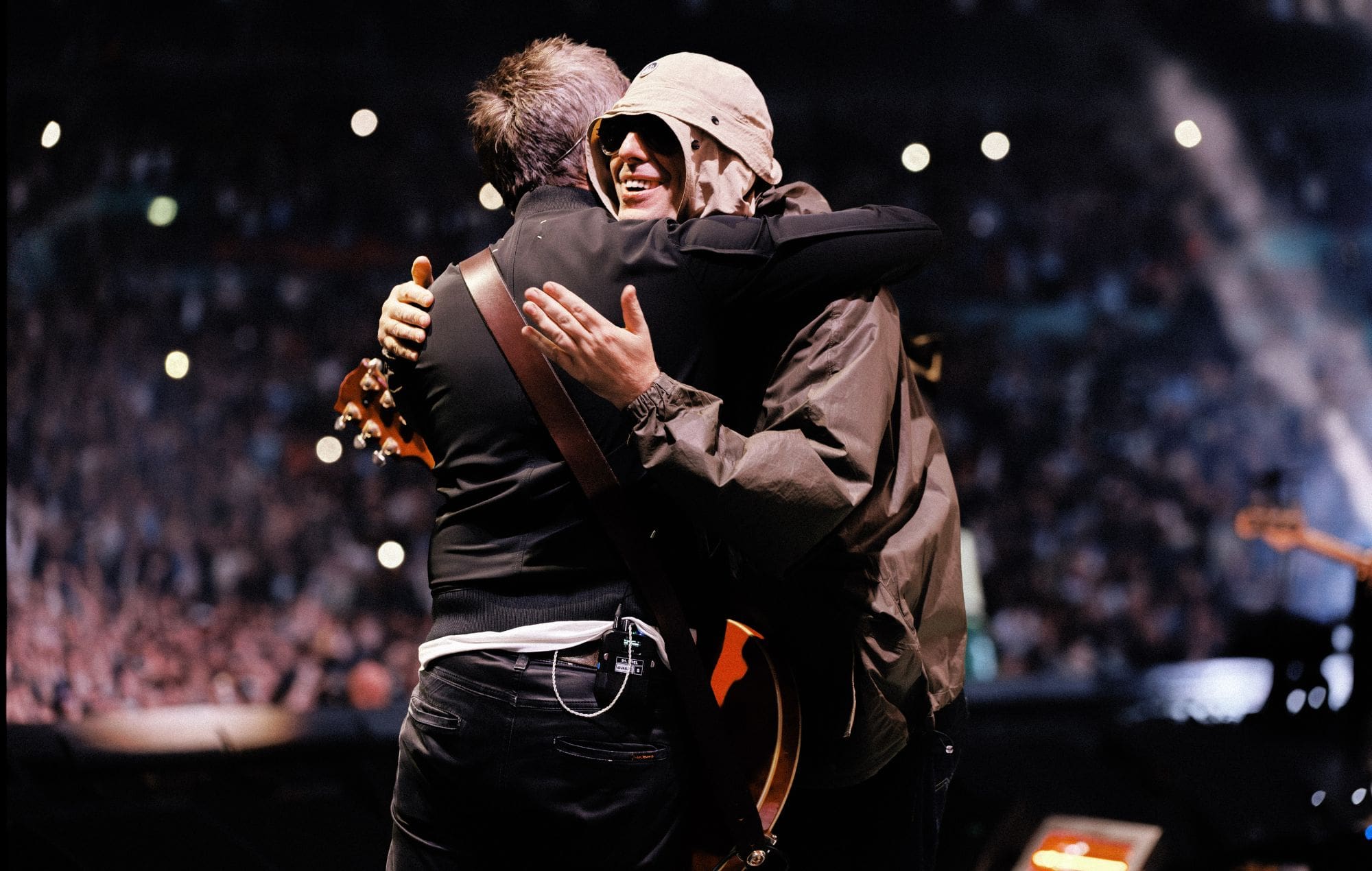
Southern also explained that Noel and Liam were intentionally kept apart in interviews until much later in the film. The directors had discussed that structure from the beginning, deciding that viewers shouldn’t see the brothers together too soon.
Why the Film Keeps Them Apart
The decision creates a slow-burn effect. For much of the documentary, viewers experience the reunion through separate perspectives, performances, fan stories, and individual reflections. The brothers aren’t immediately presented as a reunited unit, because the reunion itself was still taking shape.
“That’s something we talked about right from the beginning,” Southern explained. “We shouldn’t see them together until much later in the film. It was important to hold off on that.”
That patience matters. If Noel and Liam had appeared side by side from the opening moments, the audience would have known exactly where the story was heading. By delaying their shared interviews, the film allows the reunion to feel like a process rather than a finished product.
And that process wasn’t happening in the obvious places.
The Real Thaw Happened Onstage
The filmmakers also discussed how the documentary captures Oasis settling back into life as a band. According to Knight, Noel struggled with the emotional weight of the first shows, particularly when he looked out at the audience and saw the personal meaning attached to the reunion.
Knight said Noel initially found it difficult to face the crowd because the scale of the emotion caught him off guard. In the film, Noel explains that he had to turn his back after seeing so many reunions unfolding around him.
For Knight, that reaction was especially powerful because Noel and Liam aren’t presented as people who openly perform their feelings. Their emotions surface despite their instincts, not because they’re trying to make a show of them.
The director described them as emotionally reserved, working-class English people who aren’t inclined to express sentiment simply for the pleasure of it. That restraint, he argued, makes the visible emotion more affecting. When it breaks through, it feels earned.
Southern saw the same transformation taking place night after night.
“I think the remarkable thing about the film is you see that thawing happen across the gigs. It wasn’t happening backstage, it wasn’t happening in rehearsals – it was happening live on stage every night, and Noel and Liam really got closer on stage.” — Dylan Southern
That idea gives the Oasis documentary its emotional center. The brothers didn’t necessarily repair everything in a dressing room. They reconnected in front of thousands of people, song by song, with the crowd acting almost like a giant, very loud family therapist.
Why the Music Still Hits So Hard
The emotion wasn’t limited to the band. Fans and critics were moved by the concerts, and the film aims to explain why Oasis songs continue to carry such personal weight for so many people.
Knight said the documentary was designed to explore how the band’s music and lyrics affect people from wildly different backgrounds. The songs can make listeners feel as though they’re describing their own relationships, disappointments, hopes, and memories.
That effect doesn’t depend on a complicated explanation. The music simply reaches people. Sometimes a song arrives at the right moment and sticks there for years, like a ticket stub tucked inside an old jacket pocket.
Lovelace added that when the reunion was announced in 2024, the band may not have understood how emotionally charged the concerts would become. The response wasn’t just excitement about seeing Oasis again; it was the feeling of entering a meaningful chapter of personal and collective memory.
The filmmakers hoped the movie would create a similar response, giving viewers a more emotional experience than they might expect from a concert documentary about Oasis.
The Fans Became Part of the Story
The film also moves beyond stage footage and interviews with Noel and Liam by including stories from fans who attended the tour around the world.
That decision became obvious after the reunion announcement triggered overwhelming ticket demand. Knight said it quickly became clear that the audience wasn’t made up only of people who had followed Oasis during the band’s original era. A younger generation—and potentially two generations of listeners—had also formed a powerful connection with the music.
The filmmakers therefore began asking a bigger question: how had music that received no promotion or marketing for 16 years continued to find new listeners and inspire such devotion?
The answer required looking beyond the band itself. Fans from different countries were included because their personal relationships with the songs demonstrated how widely the music had traveled. Their stories gave the documentary a broader emotional map, one that stretches far beyond Manchester, Britpop nostalgia, and the original Oasis timeline.
A Message About People Finding Common Ground
Knight said the film developed a wider message as the team witnessed the atmosphere at the shows. In a period marked by division and what he bluntly called “all the bollocks that’s going on,” the concerts showed people responding to the same songs in remarkably similar ways.
The crowds came from different places and backgrounds, yet the music produced a shared reaction. For Knight, that suggested something straightforward but meaningful: people are more alike than they often remember.
Southern connected that idea directly to the Gallagher brothers. Everyone has a family. Everyone has friends. Nearly everyone has fallen out with somebody at some point. That universal experience makes the story recognizable, even when the people at its center are larger-than-life rock stars.
Noel and Liam are also unusually charismatic figures. They’re unmistakably themselves, which makes it easier for viewers to imagine their own frustrations, loyalties, rivalries, and reconciliations inside the story.
What the Filmmakers Took Away
The Abbey Road conversation eventually turned toward what the three filmmakers learned while making the project.
For Knight, the documentary was his first nonfiction film. He said the experience was humbling because real people can produce moments that fiction writers struggle to recreate. He pointed specifically to a Welsh woman appearing near the end of the film, describing her as brilliantly, eloquently, and wonderfully drunk.
The remark reveals something important about the project’s approach. The documentary’s most memorable moments weren’t necessarily manufactured or polished. They came from allowing real personalities, messy emotions, and unexpected fan experiences to exist without sanding off their rough edges.
Southern took away something even more personal. Working on the film reminded him of basic human values that can disappear beneath the routine of city life and constant work. Kindness matters. Forgiveness matters. Remembering how short life is matters.
Those themes may sound simple, but they sit neatly beside the story of Oasis. The band’s reunion isn’t presented as proof that every old wound disappears. It’s a reminder that people can return to one another, sometimes without a grand explanation, and find a way to keep moving.
The Story Continues Beyond the Film
The documentary’s central question was why Oasis music could become bigger than ever after 16 years without promotion or marketing. The filmmakers also aimed to place audiences directly inside the concerts, building the film for spectacle and encouraging viewers to experience it as loudly and collectively as possible.
The story won’t end with the documentary, either. Oasis have confirmed plans to return to the stage the following year for another run of shows across the UK, Europe, and North America. Tickets sold out after sales were staggered across a weekend, a strategy intended to avoid the chaos and long queues associated with the 2024 ticket process.
Liam has also responded to a fan who asked the band to write new material while they were touring. He suggested that, if the tour goes well, the next step could be discussing new music. He also indicated that another tour might be difficult to justify without fresh songs.
For now, though, the existing catalog remains the emotional engine. Oasis: Don’t Look Back In Anger doesn’t show the exact conversation that brought Noel and Liam back together because, according to the filmmakers, there wasn’t one definitive conversation to show. There was a room, a start, a stage, and thousands of people singing the same words back at them.
Conclusion
The Oasis documentary leaves the reconciliation slightly unfinished—and that may be why it works. Noel and Liam didn’t need to explain every old argument for the audience to feel the change. They simply had to stand together, play the songs, and let the music do what it has always done: turn private memories into a shared moment.
FAQ
- What is Oasis: Don’t Look Back In Anger about?
The documentary follows Oasis’ return to the stage, the emotional response to the reunion, the band’s renewed dynamic, and the fans whose lives are connected to the music. - Why doesn’t the film show Noel and Liam making up?
The filmmakers said the brothers didn’t have a formal heart-to-heart or clearly defined reconciliation scene. They returned to the same room, began playing, and the reunion developed from there. - When do Noel and Liam appear together in the film?
They aren’t shown together in interviews until later in the documentary. The directors intentionally delayed that moment to show the reunion as a gradual process. - Where can viewers watch the documentary?
The film is scheduled to stream on Disney+ from Friday, October 9, with the digital version including previously unseen footage, extra performances, and interviews. - Will Oasis release new music?
Liam suggested that the band could discuss new music if the tour goes well. He also indicated that another tour might be difficult to justify without new songs.
Bring a little of that reunion-night feeling home with a favorite album cover poster from Architeg Prints. It’s a warm, nostalgic way to keep the music—and the memories attached to it—close by.
 | DISCOUNTGET 30% OFF*Use code on your next order:
|
* This post may contain affiliate links, meaning we earn a commission if you make a purchase through these links, at no additional cost to you.