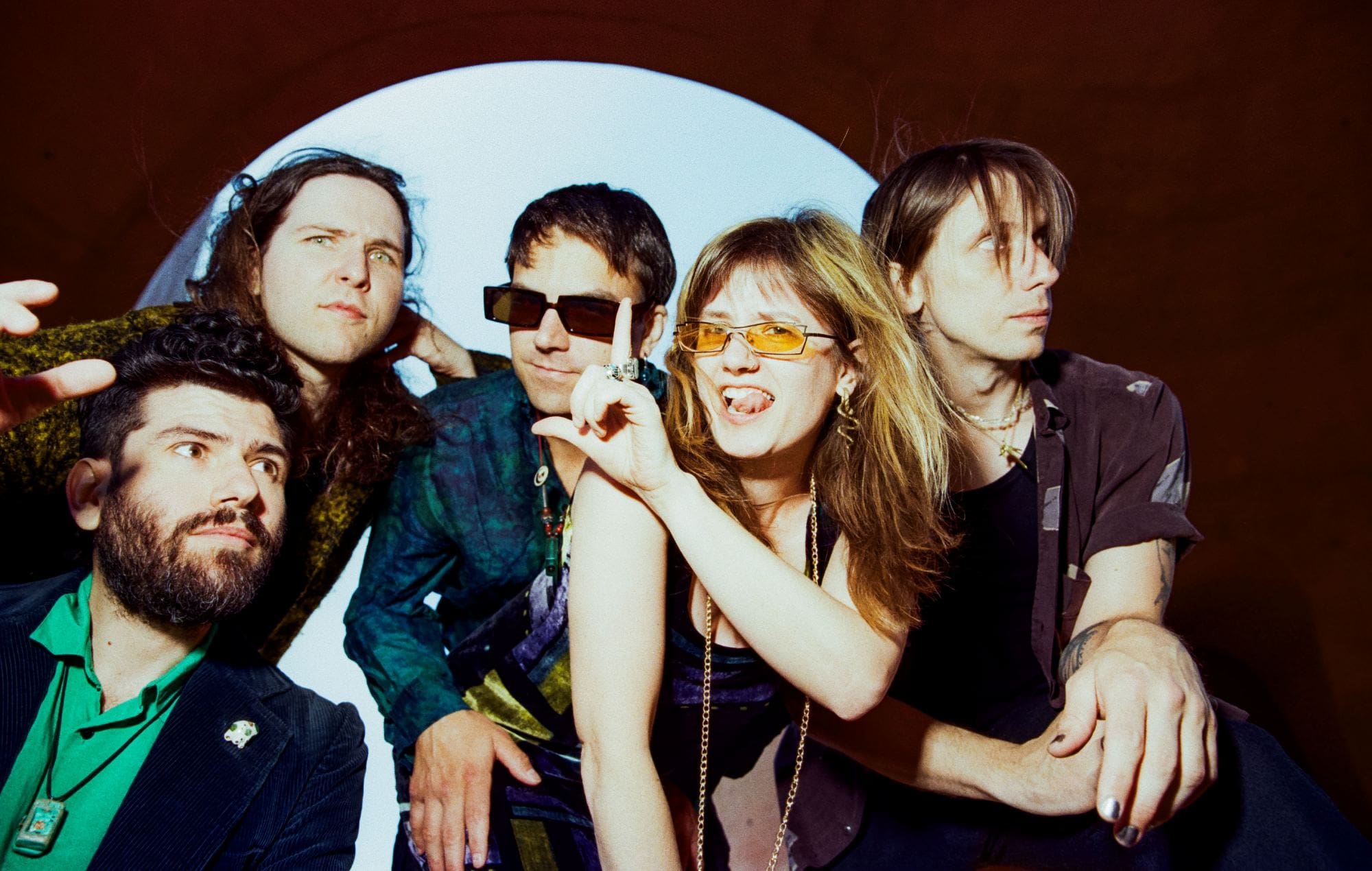
Bodega’s All Inside Aquarium: A Proper Rock Album Without Limits



Bodega’s All Inside Aquarium: A Proper Rock Album Without Limits
Bodega’s All Inside Aquarium embraces melodic hooks, technical guitars, big questions, and the restless spirit of proper rock.
A New Chapter for Bodega
Some records feel like carefully arranged statements. Others sound like a band kicking open the studio door and seeing what happens. Bodega’s fourth full-length album, All Inside Aquarium, lands somewhere between the two: thoughtful, restless, melodic, and unafraid to let a guitar solo stretch its legs.
The New York group’s new record follows 2024’s Our Brand Could Be Yr Life. Recorded in Leeds with producer Matt Peel, the collection includes “Weather Me,” “Pick Up The Check,” and “Literary World,” a song Ben Hozie describes as one of the most openly instructive pieces in Bodega’s catalog.
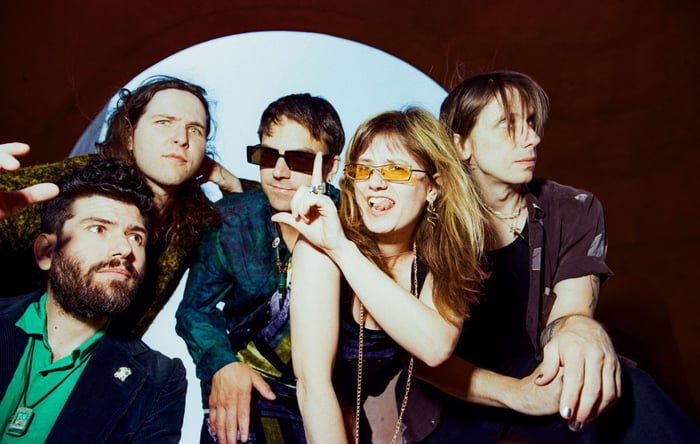
The album’s title track acts as Bodega’s attempt at an existential anthem. It is also part of the group’s effort to move beyond the “post-punk” label that has followed them for years.
“I never thought of us as a post-punk band. I just thought of us as a conceptual rock band.” — Ben Hozie
That distinction matters to Hozie. For Bodega, All Inside Aquarium is about making music without genre fences, expectations, or the need to explain every sharp corner.
A Love Letter to ’90s Alternative Rock
The album reaches backward, though not in a dusty, museum-piece way. Hozie says it is a love letter to his teenage self, especially the era when he first fell for ’90s alternative rock and bands such as Jane’s Addiction.
He wanted Bodega to recreate the rush those records gave him: the sense that punk could expand into something psychedelic, spiritual, and enormous without losing its bite. That teenage spark became a creative compass during the making of All Inside Aquarium.
The result is deliberately unfashionable in the best possible way. Bodega chose to make what Hozie calls “proper rock” without the “indie” modifier, bringing together open-hearted lyrics and technical guitar work. It is a combination that modern rock sometimes treats like a suspicious package, but Bodega handles it with confidence.
There is yearning here, certainly, but also muscle. The songs are not content to sit politely in one sonic lane. They reach for hooks, riffs, atmosphere, and philosophical questions all at once.
When Art Has to Imagine a Different Future
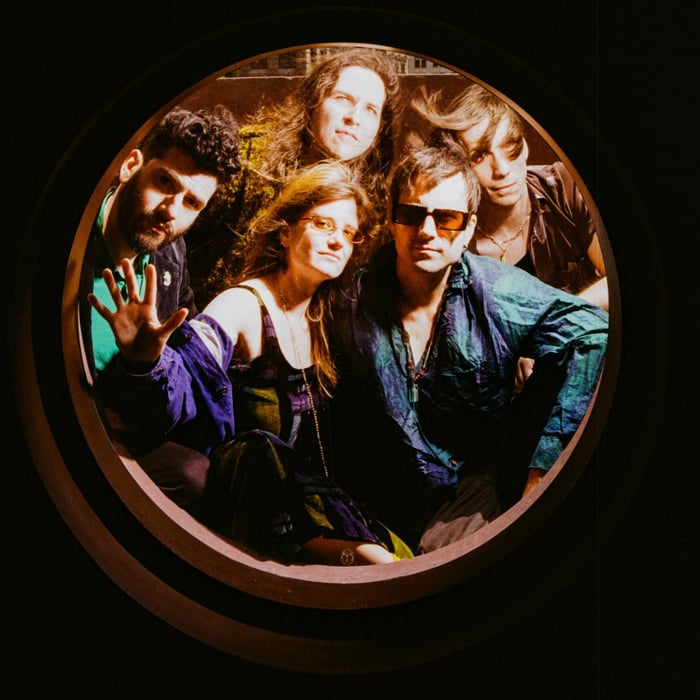
The album’s larger ideas become especially clear in “Literary World.” While Bodega intentionally avoided writing straightforward social-critique songs, the track still wrestles with political awareness, economic inequality, personal branding, and the difficulty of imagining a better world.
Hozie argues that the modern era is full of information about injustice, yet practical solutions remain frustratingly distant. Technology has helped spread political consciousness, but it has also intensified a culture built around self-promotion and market logic. That tension sits at the heart of the song.
For Hozie, artists and critics have an important role in breaking through that fog. Poets, musicians, writers, and thoughtful critics do not simply decorate the present; they help people imagine what could come next. Their words and gestures can create new ways of understanding life.
He also pushes back against the idea that making art is selfish. The act of creating can open doors in the imagination, even when the artist is not offering a neat political program or a list of solutions.
“Our world doesn’t recognise the value of the artist.” — Ben Hozie
There is a slight contradiction in “Literary World,” and Hozie openly acknowledges it. Bodega wanted to avoid didactic writing, yet this song became one of the most didactic tracks they have made. Sometimes a song refuses to follow the rules you gave it. That is usually when things get interesting.
Big Problems, Strange Characters, and Cosmic Rides
The album’s themes are spread across highly specific characters and emotional landscapes rather than one sweeping manifesto.
“Combustible” and “Backbeaten” focus on bitter rock-and-roll lifers who have more yearning energy than they know how to use. “Weather Me” turns information overload into a psychological condition, capturing the sensation of having a mind scrambled by too much noise, too many opinions, and too many glowing screens.
“Astro Night Ride” and “Olivia” look toward death and the lessons that might exist beyond it. “Pick Up The Check,” meanwhile, tackles the challenge of learning how to think independently. Hozie calls that one of the hardest things a person can do, perhaps even the central goal of life.
The emotional centerpiece for him is “Astro Night Ride.” His mother died several years ago, but she continues to appear in his dreams. In those dreams, the two of them are at a space-station theme park, riding a roller coaster and laughing through an astral landscape.
The arrangement follows that imagined ride. Its slow opening resembles the chain lift pulling a coaster toward the top. Then the band plunges forward, changing keys, mood, color, and tempo before drifting into the woods and toward the quiet release after the fear.
Hooks Without Losing the Weirdness
Although All Inside Aquarium is more melody-driven than some of Bodega’s earlier work, Hozie does not see pop appeal as a creative compromise. Quite the opposite.
He wants rock bands to write hooks strong enough to compete with Top 40 radio, partly because he worries the genre could become as niche as jazz. But accessible music does not have to be simple-minded. Pop, in his view, should mean communication and spontaneity rather than watered-down ideas.
A memorable chorus can be a front door, not a locked room. Once listeners step inside, there can still be strange architecture, slippery meanings, and plenty of unexpected hallways.
Leeds, a Deconsecrated Church, and Opposite Seasons
For the first time, Bodega recorded an album outside New York. The group traveled to Leeds to work with producer Matt Peel at the Nave, a studio built inside a deconsecrated church.
The change of scenery affected the atmosphere, even though the songs had already been written in New York. It was also the first time all five members lived together for an extended period while working on a record away from home.
The sessions were divided between two long stretches: one in the dead of winter and another at the height of summer. The seasonal contrast produced an amusing emotional reversal. Most of the euphoric summer-style jams were recorded in winter, while the introspective drones and ballads came together during the warmer months.
Hozie sees something almost poetic in that mismatch. Perhaps people are always reaching toward what has already gone or what has not yet arrived. Even the weather can become part of a record’s emotional machinery.
Bodega’s connection to Leeds also comes through the city’s musical history. The group studied the work of Gang of Four, Delta 5, and The Mekons, while also admiring newer northern acts such as English Teacher and Adult DVD.
The Stone Roses remain a particularly important influence. Hozie praises the band’s first album for combining the feeling of ’60s rock with a forward-looking sense of possibility. It is a record full of longing and joy, qualities Bodega clearly value.
The Fall have also been a major model, especially during Bodega’s earlier years. Taken together, these influences help explain why the band can sound both rooted and restless—like it is studying the past while trying to wriggle free from it.
Authenticity, Algorithms, and the Trouble With Hype
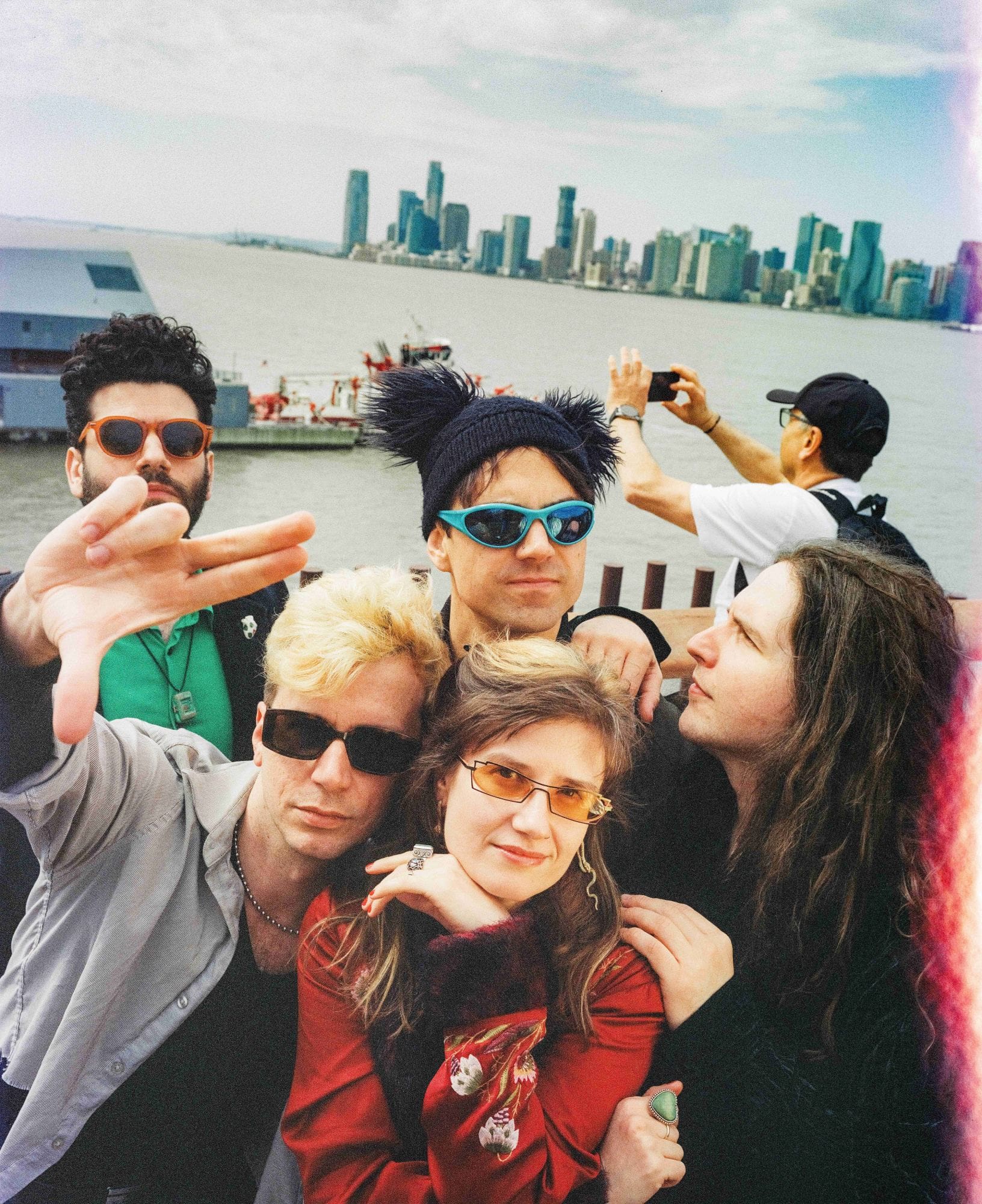
Hozie is excited to see fellow New York band Geese receive major attention both at home and internationally. He says it is fun to watch a new group treated with the kind of reverence once reserved for hugely influential bands.
That enthusiasm comes with a broader concern about misinformation, technology, and the way public opinion is shaped. Hozie argues that debates about whether a rock band is “authentic” can distract from the much larger issue of corporations using technology to manipulate people at scale.
He also admits that nobody is completely outside the system. Human beings are social creatures, and even the most adventurous music fans are influenced by advertising, media saturation, and the repeated suggestion that a particular band matters.
There is a charming honesty in his confession that he is also a sheep. We may all like to imagine our taste is entirely self-generated, but sometimes the cultural herd nudges us toward a record, a concert, or a band we eventually come to love for real.
A Reaction Against Personal Branding
Looking back to the early 2010s, Hozie remembers becoming disillusioned with New York’s music scene. He felt it was beginning to mirror the corporate world that musicians were supposedly resisting.
Personal branding became increasingly important as social media expanded. Artists curated alternative styles, visual identities, and sonic signals, but those choices could still reinforce the same self-centered values found throughout late capitalism.
Hozie admits he may have been naïve, but he was searching for something more intellectually and spiritually meaningful from music. Bodega grew out of that crisis of faith in the rock world.
That history helps explain the group’s resistance to neat labels. To Hozie, “indie rock” can be as much a class category as a musical one. He sees a closer relationship between artists as different as Sonic Youth and KoRn than listeners are often encouraged to believe. Both experimented with guitars and followed their riffs honestly, even though one carries an art-world prestige and the other is associated with a more mainstream, anti-intellectual image.
Bodega’s goal is to stop worrying so much about genre signifiers and focus on the music itself.
A Live Band Built for the Moment
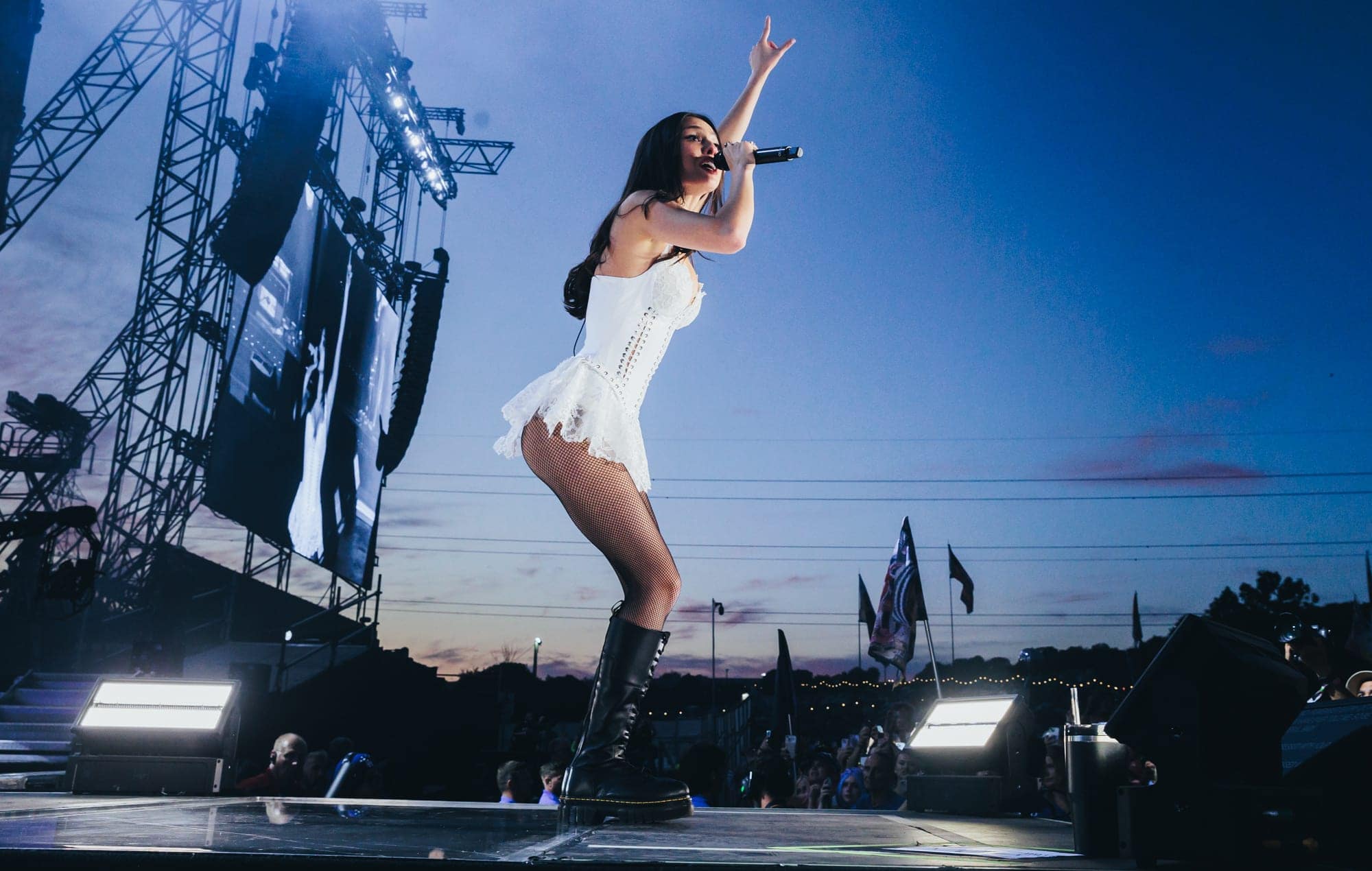
Bodega’s recent European and London shows have been ecstatic, according to Hozie. The group refuses to play the same setlist twice, favoring spontaneity over a perfectly repeated performance.
That approach can include Brechtian banter, loose improvisation, and musical detours shaped by the specific moment. It is a fitting live philosophy for a band that sees itself as unrestricted. The songs may have structures, but the room still gets a say.
Fans returning to see Bodega can expect a concert that is not simply a reproduction of the album. The performance becomes another version of the material—sometimes sharper, sometimes stranger, and occasionally capable of wandering somewhere nobody planned to visit.
An album built around memory, possibility, and creative freedom deserves that kind of movement. All Inside Aquarium may be Bodega’s most melodic record yet, but it still has restless feet.
Conclusion
All Inside Aquarium finds Bodega embracing hooks, guitar solos, big questions, and the full unruly history of rock without apologizing for any of it. The band’s message is simple enough to remember and broad enough to keep unfolding: make music without limitations, then see where it takes you.
“The mirror smiles back if you smile first.” — Ben Hozie
FAQ
- What is Bodega’s new album called?
Bodega’s fourth full-length album is titled All Inside Aquarium. - What does Bodega mean by “proper rock”?
For the band, proper rock means making music without strict genre limitations, combining different strands of rock and roll rather than becoming overly focused on labels. - Where was All Inside Aquarium recorded?
The album was recorded in Leeds with producer Matt Peel at the Nave, a studio located inside a deconsecrated church. - Which song is Ben Hozie’s favorite on the album?
Hozie’s favorite track is “Astro Night Ride,” a song inspired by dreams involving his late mother and a cosmic roller-coaster ride. - What can fans expect from Bodega’s live shows?
Bodega avoids repeating the same setlist and builds performances around spontaneity, banter, improvisation, and the specific energy of each night.
If All Inside Aquarium speaks to your love of expressive guitars and boundary-free rock, bring that feeling home with a favorite album cover poster from Architeg Prints.
 | DISCOUNTGET 30% OFF*Use code on your next order:
|
* This post may contain affiliate links, meaning we earn a commission if you make a purchase through these links, at no additional cost to you.