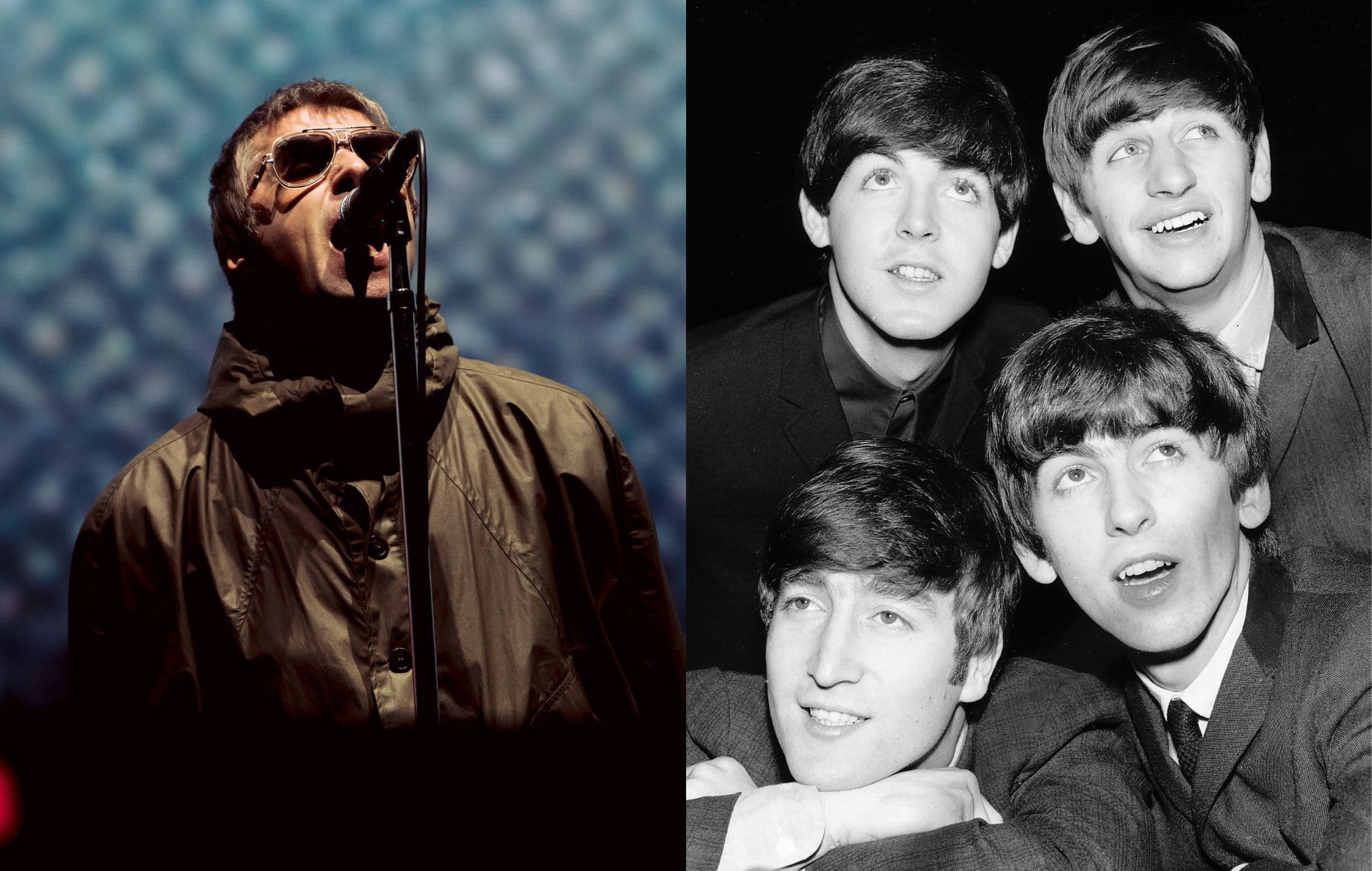
Liam Gallagher Sparks Beatles Debate After Liverpool Comments



Liam Gallagher Sparks Beatles Debate After Liverpool Comments
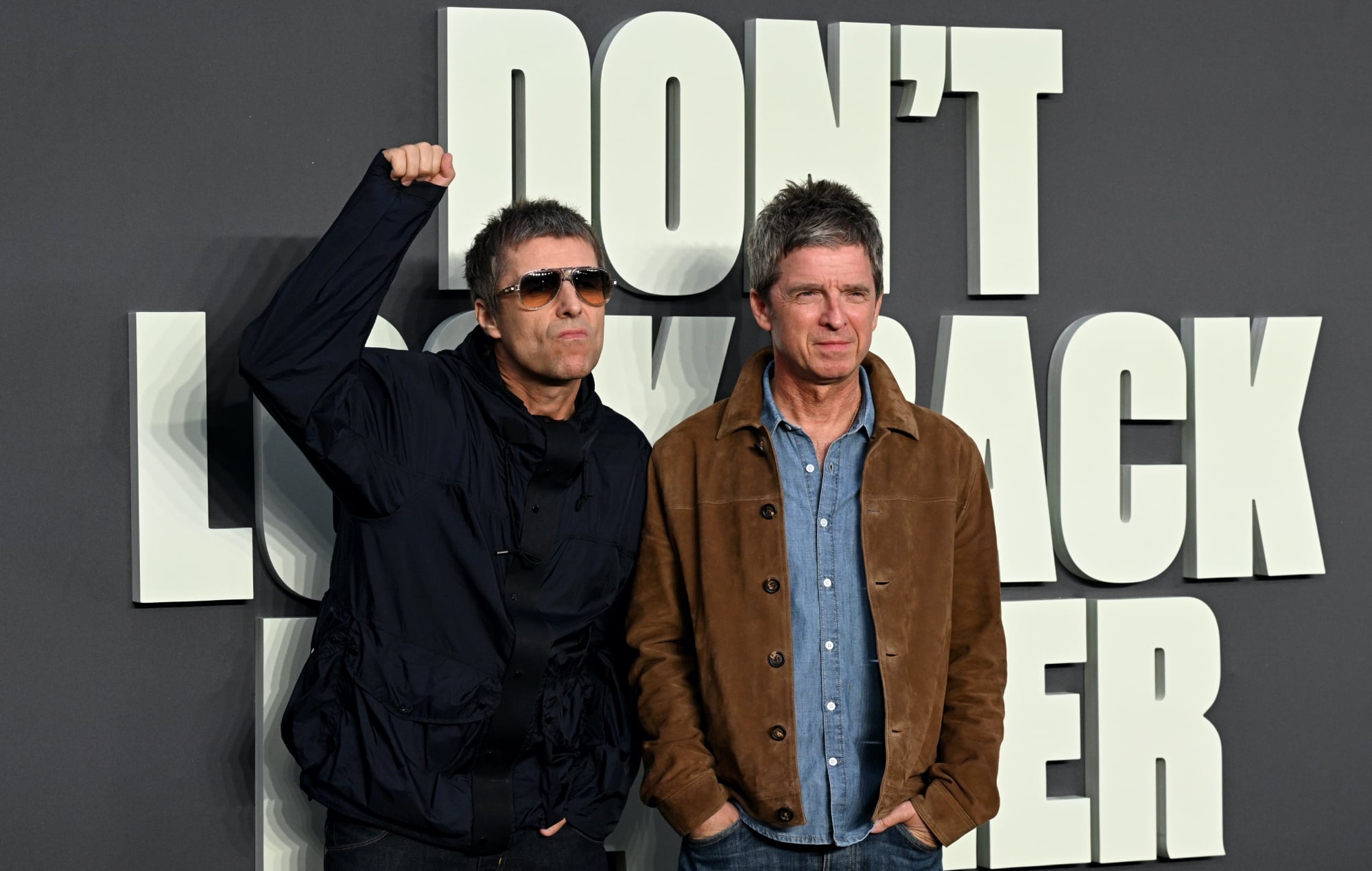
Liam Gallagher has reignited a Beatles debate after criticizing Liverpool and claiming Oasis helped bring the legendary band back into the spotlight.
A Football Argument Turns Into a Music Debate
Liam Gallagher is never far from a headline, but this latest row began with football rather than music. After Manchester City faced a major Premier League verdict, the Oasis frontman went online to defend his club—and quickly found himself trading blows with Liverpool supporters.
For Liam, football loyalty is anything but a quiet hobby. His support for Manchester City has long been part of his public identity, woven into the same colorful tapestry as his sunglasses, sharp one-liners, and famously uncompromising opinions. This time, however, the argument moved from alleged financial breaches to The Beatles, Liverpool, and Oasis’ place in British music history.
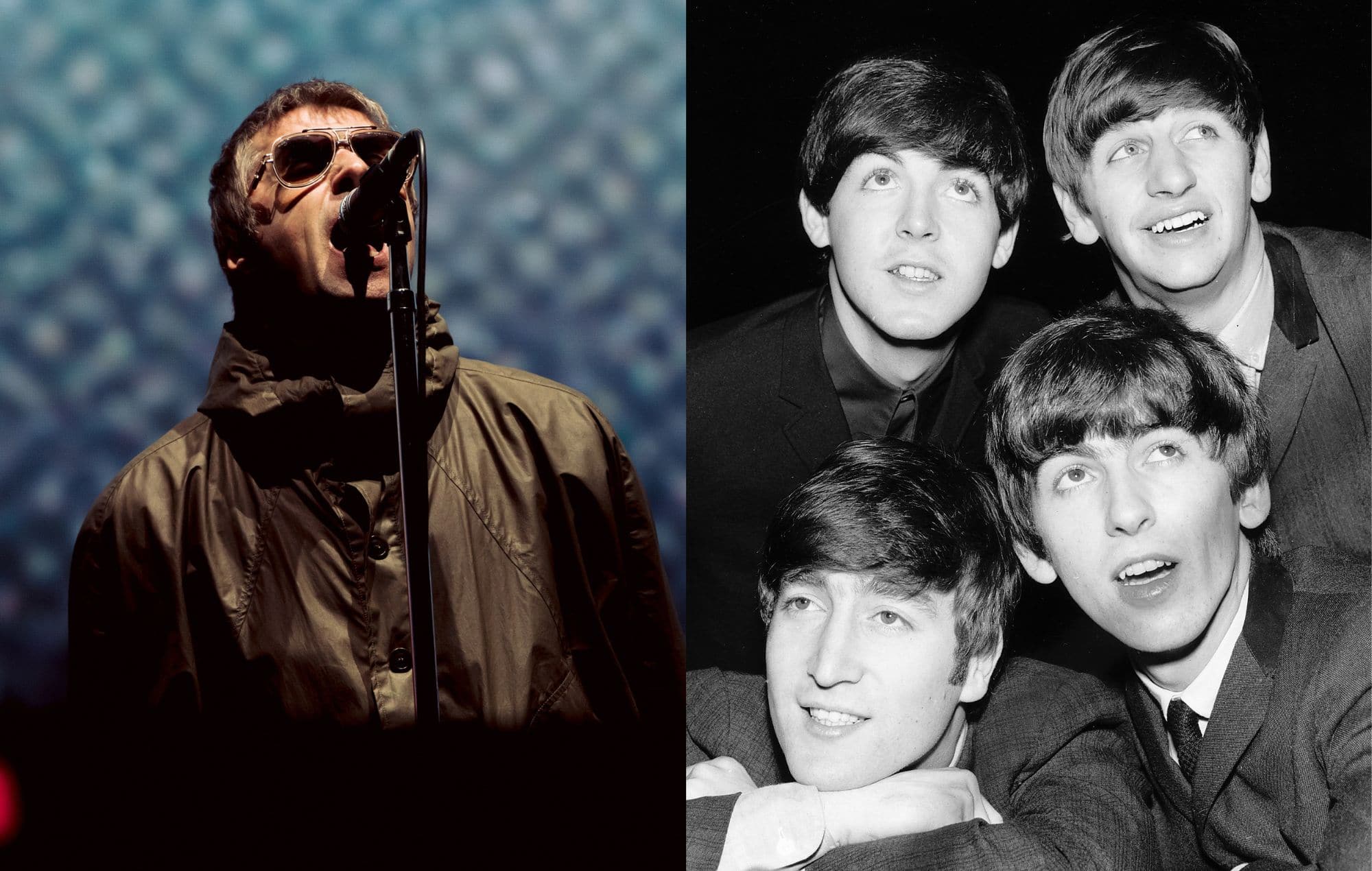
The dispute followed reports that Manchester City had been found guilty of 114 out of 115 alleged breaches of Premier League financial rules. The club has maintained its innocence and appealed the verdict, while no punishment has yet been confirmed.
As football supporters across England reacted, Liam aimed his frustration at several major clubs, including Liverpool, Arsenal, and Manchester United. He argued that the anger directed at City should instead be focused elsewhere, accusing those teams of attempting to prevent other clubs from winning trophies.
“All this hatred directed at Man City from other clubs should be directed at Arsenal, Manchester United and Liverpool,” Liam Gallagher wrote. “They’re the ones who are corrupt and trying to stop other teams from winning things, not Man City. We’re trying to help you all out, we’re like Jesus prepared to die on the cross.”
— Liam Gallagher, October 2, 2026
That comparison—Manchester City as a footballing savior—was always likely to attract attention. And, naturally, it did.
Liam Gallagher Takes Aim at Liverpool
The football argument soon became much more personal. After Liverpool supporters responded to his comments, Liam escalated the exchange by claiming that Oasis had done more for Liverpool than the city’s own residents ever would.
He then brought The Beatles into the conversation, making a claim that immediately turned a club rivalry into a full-scale pop-cultural argument.
“All these Scousers giving me and my band shit, Oasis have done more for the city of Liverpool than they will ever do,” he wrote.
“Oasis put the Beatles back on the map which they no doubt directly profit from, ungrateful little sods.”
Liam signed off with “MCFC” and his familiar “LG x,” giving the post the unmistakable flavor of a Gallagher provocation: part football chant, part pub argument, and part challenge to anyone within reading distance.
The reaction was swift. Many users defended The Beatles’ influence, arguing that the group’s cultural and musical legacy was far too substantial to depend on a later band’s approval or publicity. For longtime fans, the idea that The Beatles had somehow needed Oasis to restore their reputation sounded less like historical analysis and more like classic Liam mischief.
Fans Defend The Beatles’ Legacy
The backlash arrived from several directions. One user called the claim that Oasis had put The Beatles “back on the map” an act of sheer arrogance, arguing that the Gallagher brothers were hardly responsible for the Fab Four’s enduring reputation.
Another person offered a more cutting response, suggesting that Liam might have had a very different career without The Beatles’ influence on popular music.
A third commenter compared Oasis’ American impact with that of the Spice Girls, arguing that the British pop group had made a stronger impression in the United States. The same post criticized Liam for placing Oasis in the same conversation as The Beatles.
Geoff Barrow, known for his work with Portishead and Beak>, also joined the defense of the Liverpool band. His response was blunt, colorful, and very much in keeping with the rough-and-ready tone of the argument.
“Think Liam’s been on the ciders. The Beatles were everything you aren’t: groundbreaking, respected, original, modest, artistic, political, respectful, cultured, globally revered, creative, experimental, funny and charming,” Barrow wrote. “Whereas you copied Status Quo. Wind your neck in.”
Other responses were just as direct:
“’Oasis put The Beatles back on the map’? The sheer arrogance! Pretty sure their legacy doesn’t need a boost from the Gallagher brothers.”
— Division Order, October 7, 2026
“TBF Liam if it wasn’t for the Beatles you’d be working in Home Bargains.”
— Phil Gwilliam, October 6, 2026
“Oasis have done nothing for this city compared to what the Beatles have done, what a weird post.”
— Jamie Jones, October 6, 2026
“They were never off the map. And I say that as no real fan of the Beatles.”
— Terence Bates, October 8, 2026
That may be the simplest summary of the disagreement. The Beatles were not a forgotten act waiting for a 1990s rescue mission. Their music, imagery, and mythology had remained deeply embedded in popular culture. Still, there is a more complicated version of Liam’s argument hiding underneath the bravado.
Did Oasis Introduce a New Generation to The Beatles?
While most responses rejected Liam’s wording, some users admitted there was a grain of truth behind it. Oasis regularly spoke about The Beatles, borrowed from their style, and helped make open Beatles fandom feel fashionable again among younger Britpop listeners.
“I think there is some truth to it. Oasis introduced many people to the Beatles just by talking about them.”
— Andrea, October 7, 2026
“They did though. Introduced a lot of young ’uns to The Beatles, myself included. Before Oasis I only knew a couple of the Beatles’ hits like ‘I Wanna Hold Your Hand,’ etc. After Oasis I started buying Beatles albums.”
— doves fans saw Oasis. RIP Mani, October 6, 2026
That is where the discussion becomes more interesting than the original insult. Cultural influence rarely works like a clean relay race, with one band officially handing the baton to another. Sometimes it is more like a mixtape passed between friends. A teenager discovers Oasis, hears the band talk about The Beatles, and then starts digging backward through the catalog. Suddenly, Revolver, Abbey Road, or The White Album is spinning in a bedroom that might otherwise have been filled only with Britpop records.
Another commenter argued that The Beatles had been viewed as uncool during the late 1970s and through the 1980s. In that view, the group’s rehabilitation was helped by the mid-1990s generation of Britpop artists who openly cited them, alongside the 1995 Anthology project, which placed the band’s catalog and surviving members in front of a new audience.
“The Beatles were seen as uncool late ’70s and through the ’80s. You could argue that their rehabilitation came when the Britpop acts in the mid-1990s openly cited them, and the 1995 Anthology project put the catalogue and the surviving members back in front of a new audience.”
— SoundAffects, October 6, 2026
So, did Oasis put The Beatles “back on the map”? The phrase is overstated, especially given The Beatles’ enormous existing legacy. But Oasis may well have helped younger listeners find their way toward the band. There is a difference between reviving a forgotten act and introducing an old favorite to a new generation.
The Manchester City Verdict Behind the Row
The Beatles argument cannot be separated from the football controversy that sparked it. Reports emerged toward the end of September that the commission hearing Manchester City’s long-running case had ruled against the club on all but one of the alleged breaches.
Manchester City has denied wrongdoing and appealed the findings. The club is still waiting to learn what punishment, if any, will follow. Potential consequences could include fines, points deductions, or even expulsion from the Premier League if the reported findings survive the appeal process.
Liam responded online to journalist Ben Jacobs, who reported the verdict concerning 114 of the 115 charges. His message was characteristically hostile:
“Get your Oasis tickets bought and stop talking out your fucking arse you SPUNKBUBBLE,” he wrote.
Noel Gallagher also addressed the situation during an appearance on the Manchester City podcast Let Me Talk. He admitted that the verdict came as a shock after years of assurances from the club that it had done nothing wrong. Noel said he felt sad for both the supporters and the players.
When asked whether the ruling could change the way people viewed major moments in City’s recent history—including Sergio Agüero’s last-gasp goal that secured the 2011/12 Premier League title—Noel said fans could only judge what they had experienced on the pitch.
“Does it taint it? I suppose in the eyes of everybody else in England it would,” Noel said. “But I know what I saw and I know what I felt.”
That response captures the emotional heart of football fandom. Supporters can debate finances, regulations, and boardroom decisions, but memories of stadium noise and dramatic goals tend to live in a different part of the brain. They are stubborn little things.
Oasis, City, and the Next Tour
The Gallagher brothers have supported Manchester City for decades, and their connection with the club has continued well beyond match-day attendance. Liam and Noel have been seen celebrating together at Wembley after City defeated Arsenal 2-0 to win the Carabao Cup.
Noel’s relationship with the club has also included creative collaborations. He designed the font used on City’s 2024/25 cup kits and previously worked with the club on a “Definitely City” collection inspired by Oasis’ Definitely Maybe era.
The band are also scheduled to begin their “Live ’27” tour next year, including 11 performances at Manchester City’s Etihad Stadium during the summer. For Oasis fans, those performances will carry their own nostalgic charge: the band’s greatest songs returning to a stadium closely tied to the Gallaghers’ football identity.
That makes the current Beatles debate feel like one small flare in a much larger Oasis story. Liam’s comments may be provocative, but they also highlight the way music history gets passed down—through records, interviews, arguments, family collections, and sometimes a loudmouth rock star insisting his favorite band changed everything.
Conclusion
Liam Gallagher’s claim that Oasis put The Beatles “back on the map” was always going to provoke a reaction, and the backlash was immediate. Still, beneath the swagger, some fans recognized a genuine point: Oasis helped many young listeners discover The Beatles during the Britpop era. The argument may never be settled, but that is the fun of music history—every generation gets to argue over who opened the door.
FAQ
- Did Liam Gallagher really claim Oasis put The Beatles back on the map?
Yes. During a dispute with Liverpool supporters, Liam wrote that Oasis had put The Beatles “back on the map” and suggested that Liverpool benefited from the connection. - Why was Liam Gallagher arguing with Liverpool supporters?
The disagreement began after Manchester City faced a verdict involving alleged Premier League financial-rule breaches. Liam defended City and criticized several rival clubs, including Liverpool. - What did Noel Gallagher say about the Manchester City verdict?
Noel described the ruling as “a bit of a shock” and said he felt sad for the club’s fans and players. He also said supporters could judge the club’s famous moments based on what they personally saw and felt. - Did Oasis influence younger people to listen to The Beatles?
Several fans argued that they did. Some said Oasis’ frequent references to The Beatles encouraged younger listeners to explore the band’s albums. - Are Oasis planning more live shows?
Yes. The band are expected to embark on their “Live ’27” tour, which includes 11 performances at Manchester City’s Etihad Stadium over the summer.
If Oasis, The Beatles, and Britpop nostalgia still have a place on your wall, browse your favorite album cover poster at Architeg Prints. It is a warm, stylish way to keep a little music history close.
 | DISCOUNTGET 30% OFF*Use code on your next order:
|
* This post may contain affiliate links, meaning we earn a commission if you make a purchase through these links, at no additional cost to you.