V&A Museum Unveils Exhibition Celebrating the UK's Legendary Lost Music Venues



V&A Museum Unveils Exhibition Celebrating the UK's Legendary Lost Music Venues
Explore the rich history of the UK’s lost music venues and their impact on grassroots music culture.
A Treasure Trove of Memories Opens at the V&A
If you’ve ever felt that pang of nostalgia thinking about the iconic music venues that once thrummed with energy and unforgettable performances — you’re not alone. The Victoria & Albert Museum (V&A) in South Kensington has just opened its captivating new exhibition, Lost Music Venues, a heartfelt homage to the UK's legendary yet now-closed music spots. It’s a time capsule of sound, style, and community that will have every music lover reminiscing about nights that defined generations.
How This Magical Exhibition Came Together
Back in May last year, the V&A reached out to the public, inviting them to contribute “artefacts and music ephemera” to help complete this ambitious collection. The response was overwhelming — fans, artists, and cultural custodians shared posters, club membership cards, band merchandise, subcultural fashion, and candid photography from venues across the UK.
With the invaluable support of the Music Venue Trust, the exhibition now features over 150 objects, each narrating a unique story of grassroots DIY music culture, creative entrepreneurship, and campaigns to protect these cultural havens from disappearing forever.
Four Sections That Chronicle a Musical Journey
The exhibition is thoughtfully divided into four sections, each drawing visitors through different eras and themes in the history of the UK’s live music spaces.
From Dance Halls to Iconic Clubs
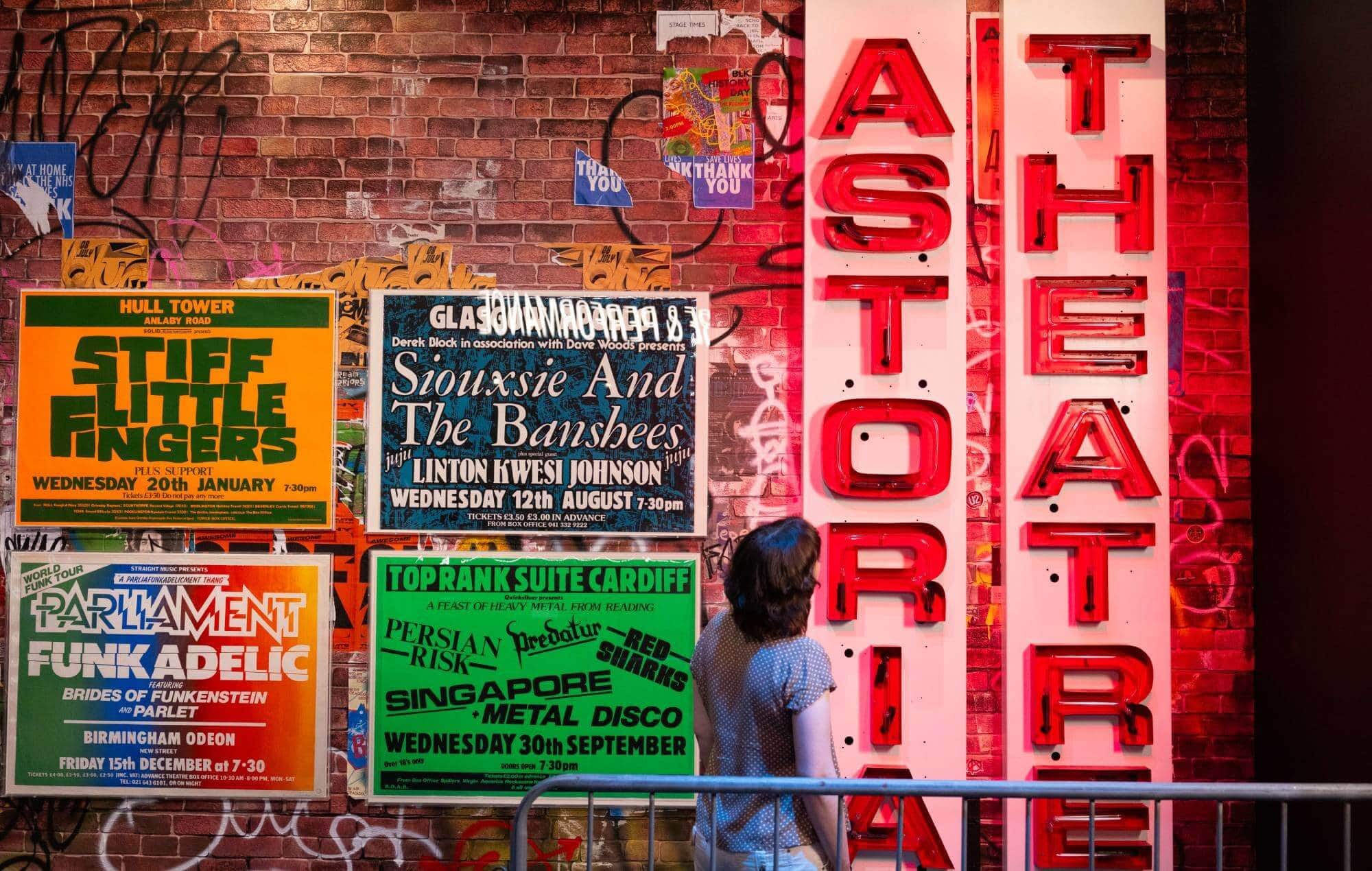
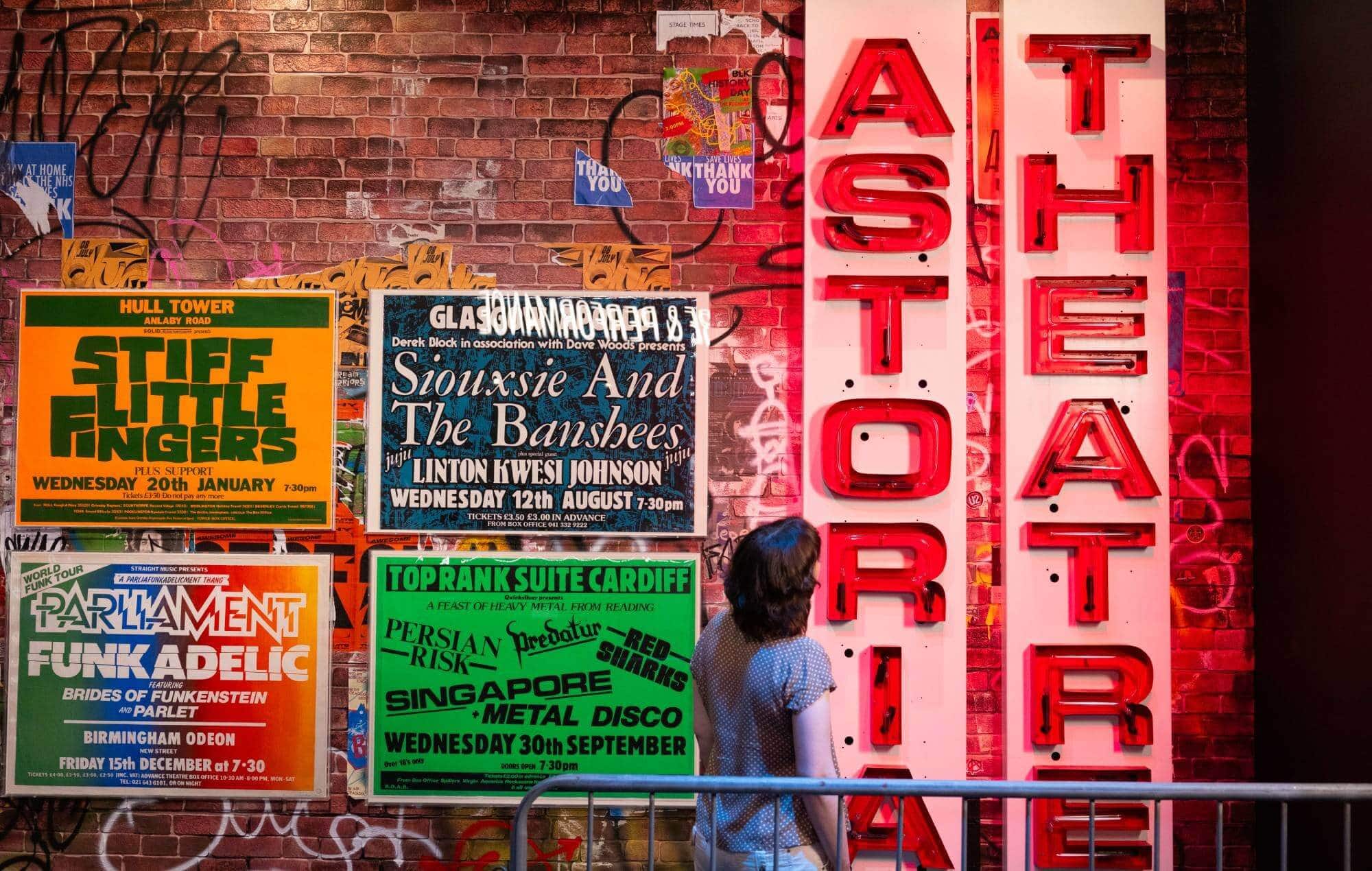
The first section captures the transformation of spaces like dance halls and cinemas into tailor-made music venues in the 1980s. Here, you’ll find artefacts linked to the legendary Manchester haunt The Haçienda. Imagine catching a glimpse of original fashion pieces from Dr. Martens and Converse — staples that defined the subcultures that danced within those walls.
One standout piece is the original 1985 sign for the Astoria, loaned by none other than Damon Albarn, adding a personal connection to the London venue that hosted countless dreams and debuts.
The ‘Toilet Circuit’ Indie Explosion
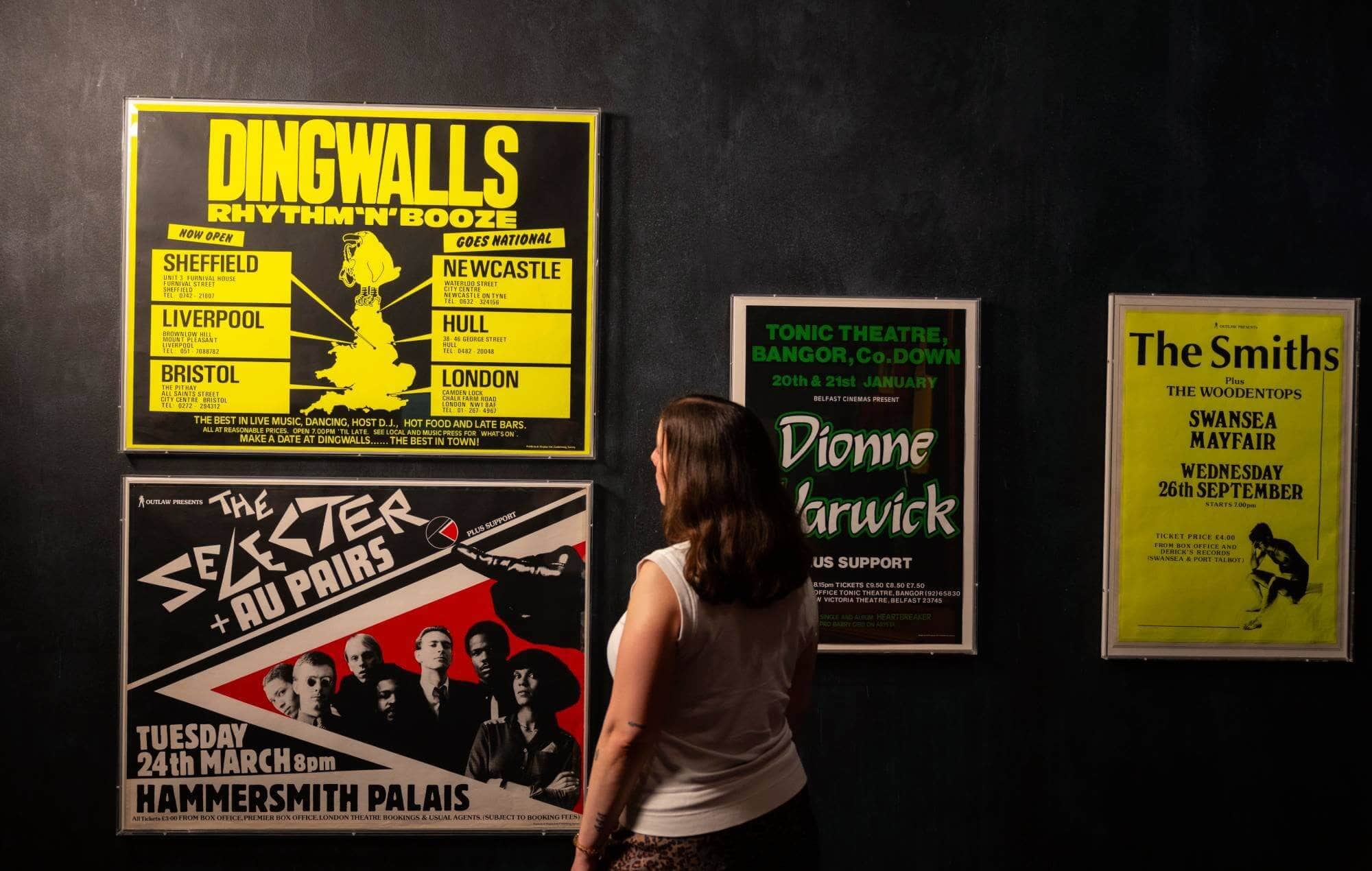
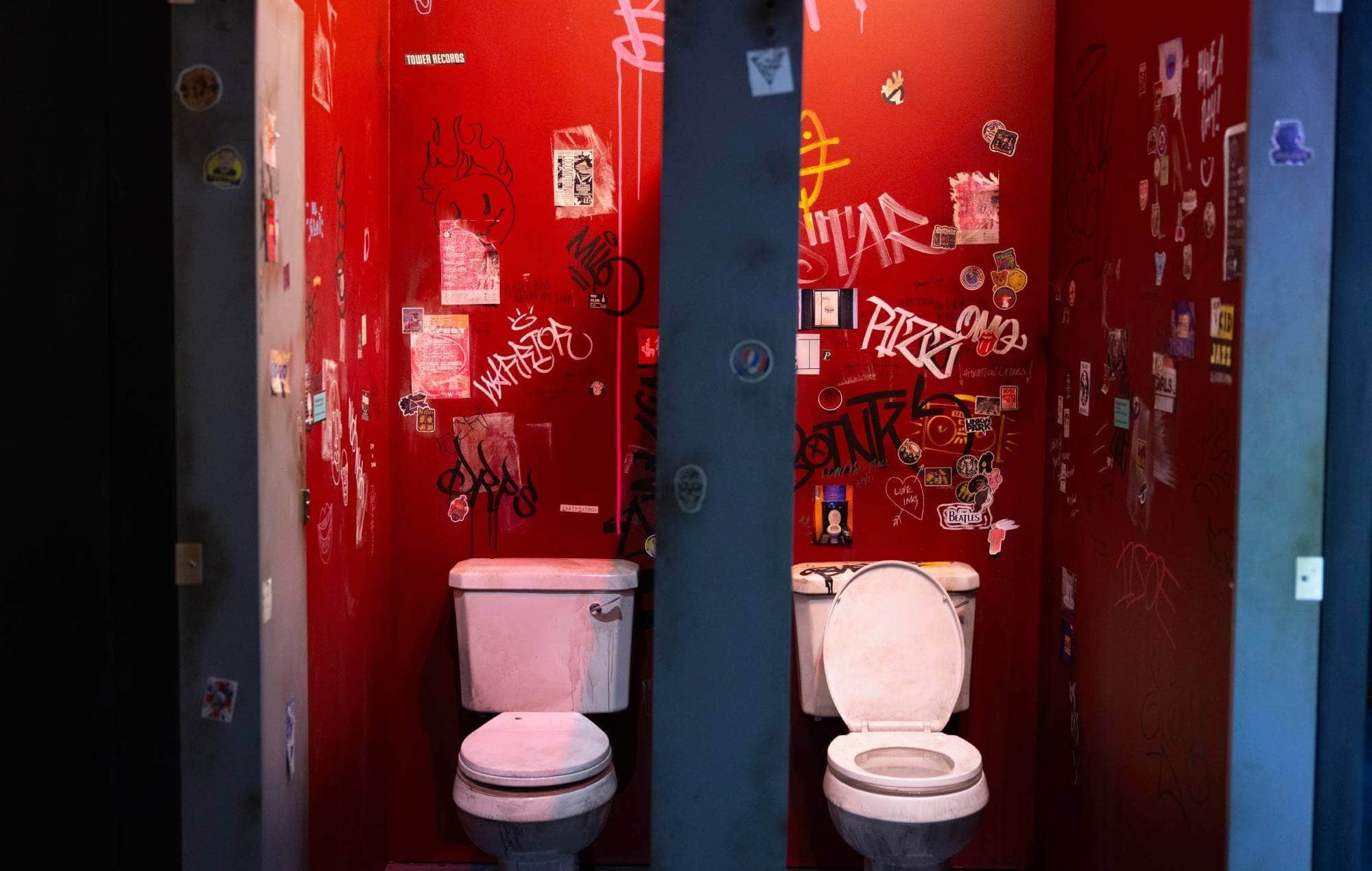
Moving into the 1990s, the exhibition dives into the rise of the so-called ‘toilet circuit’ — those legendary grassroots venues that, despite their humble settings, became launchpads for indie bands. Venues such as Moles in Bath, The Charlotte in Leicester, and Manchester’s Roadhouse are celebrated here.
The display pays tribute to the importance of touring for emerging artists, showcasing vintage setlists from Blur, handwritten Oasis lyrics from a tour bus, and the briefcase belonging to Pulp’s former tour manager Mark Webber. It’s a vivid reminder that these venues were crucibles of creativity where artists honed their sound and built dedicated fanbases.
Social Media’s Game-Changer and Ongoing Challenges
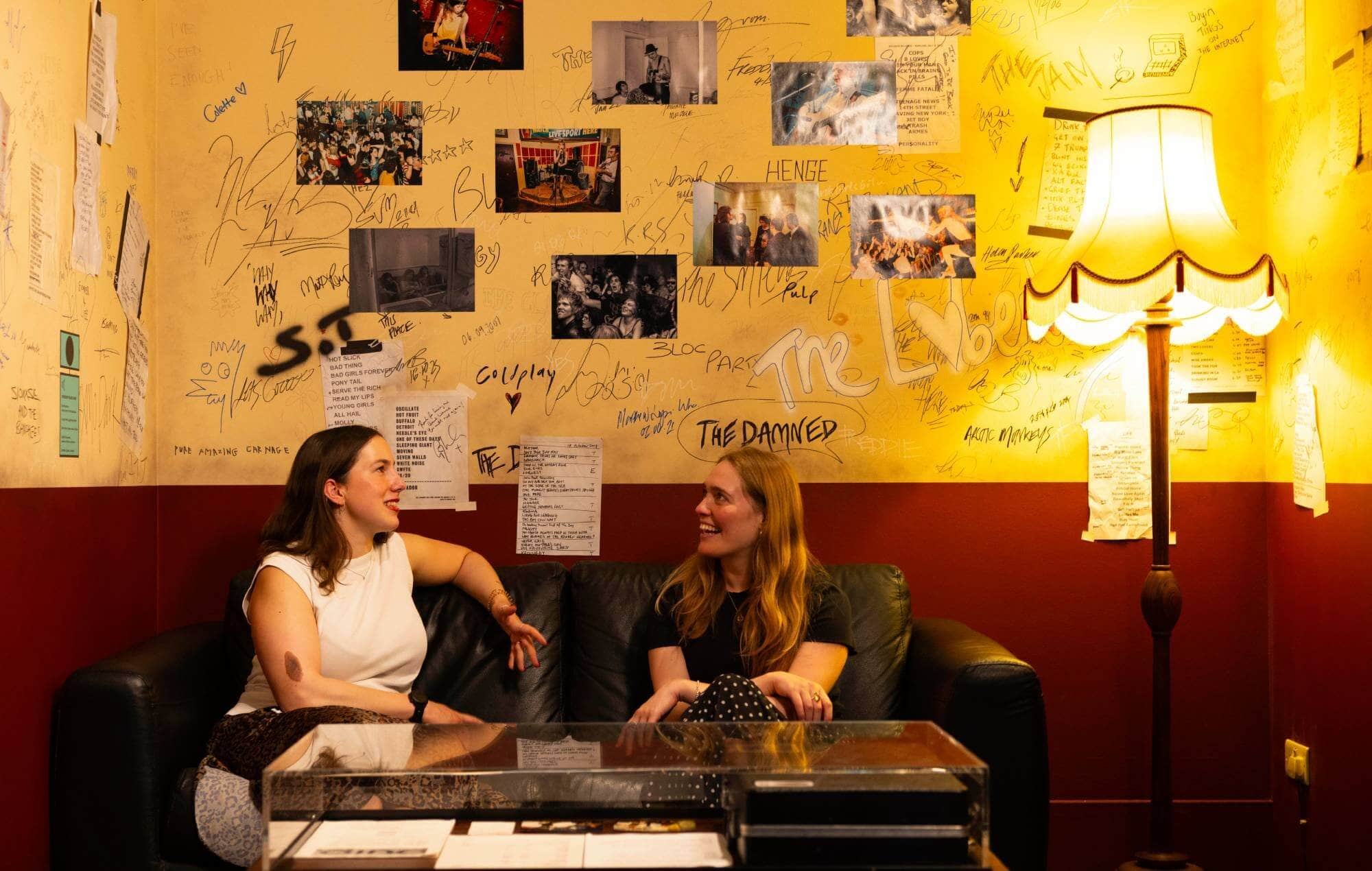
Fast-forward to the mid-2000s, and the exhibition explores how social media revolutionized band discovery, spotlighting the rise of Arctic Monkeys and Coldplay — bands that owe part of their success to these new digital platforms.
Yet, the journey hasn’t been without hurdles. The exhibition doesn’t shy away from the ongoing challenges grassroots venues face: from neighborhood noise complaints and restrictive licensing laws to the devastating impact of the Covid-19 pandemic.
Organizations like Music Venue Trust, Northern Ireland’s Free The Night, Leeds-based No Place Left to Play, and the UK-wide Save Our Scene have contributed artefacts, offering insight into the tireless campaigns to keep the music alive.
Electronic Club Culture and Social Awareness
The final section shines a light on the evolution of electronic club culture from the 1990s to today. It highlights not only the music but also the social activism intertwined with the scene — including HIV and AIDS awareness efforts.
The exhibition also features early Banksy exhibitions at Glasgow’s The Arches and iconic London clubs such as Plastic People and The End, demonstrating how music venues became epicenters of cultural movements beyond just sound.
“Music venues – be they gig spaces or nightclubs – are not only the lifeblood of the music industry but an integral part of the creative sector,” says Harriet Reed, Curator of Contemporary Performance at V&A South Kensington. “As sites of experimentation, entrepreneurship and artistry they nurture talent and provide vital spaces for connection and community.”
Why This Exhibition Matters Now More Than Ever
This exhibit opens at a particularly crucial moment. Recent reports reveal a harsh reality: 30 grassroots venues vanished between July 2024 and July 2025. More troubling, over half of the surviving venues operated at a loss, resulting in more than 6,000 job losses within the sector.
To counter this trend, there's a growing push for an innovative ticket levy — a scheme where revenue from large arena and stadium gigs would contribute funds to support smaller grassroots venues and emerging artists. The goal is to nurture the very foundations where new talent blossoms.
Live Nation, one of the biggest players in the live music arena, has faced criticism for its perceived lack of involvement in this levy. Still, they maintain support for artists’ charitable choices and cite collaborations with acts like Coldplay and Biffy Clyro in contributing voluntarily.
The levy concept draws inspiration from the Premier League’s solidarity payments in football and gained government backing in 2024. Additionally, a government U-turn earlier this year softened the blow of soaring business rates for venues, offering a lifeline through extra support packages.
Step Inside the Heartbeat of UK Music History
With free entry, Lost Music Venues invites music fans, industry insiders, and curious visitors alike to immerse themselves in the stories of these beloved spaces. It’s more than just an exhibition — it’s a celebration of the places where music and community collided, inspiring countless lives.
What’s your favorite lost venue memory? Have any stories or memorabilia to share? The echoes of these spaces still resonate, and this exhibition is a must-see for anyone who cherishes the raw magic of live music.
FAQ
- How many objects are displayed in the Lost Music Venues exhibition?
Over 150 artefacts, including posters, membership cards, merchandise, and photography, are showcased. - Which iconic venues are featured in the exhibition?
Venues like Manchester’s The Haçienda, London’s Astoria, Bath’s Moles, Leicester’s The Charlotte, and Glasgow's The Arches are among those highlighted. - What themes does the exhibition explore?
It covers the evolution of music venues, the indie ‘toilet circuit’ of the 90s, social media’s impact on music discovery, ongoing challenges for grassroots venues, and the rise of electronic club culture. - Is there an entry fee for the exhibition?
No, entry to the Lost Music Venues exhibition at the V&A is completely free. - How does the ticket levy support grassroots venues?
The levy proposes contributions from large arena and stadium gigs to smaller venues, ensuring financial support for emerging artists and grassroots spaces.
Love the history of UK music venues? Celebrate your favorite era by decorating your space with stunning album cover posters — shop your favorite ones at Architeg Prints and bring the spirit of legendary music venues into your home.
 | DISCOUNTGET 30% OFF*Use code on your next order:
|
* This post may contain affiliate links, meaning we earn a commission if you make a purchase through these links, at no additional cost to you.