Écoute TH2 Wireless Headphones Bring Valve Amplification to Head-Fi



Écoute TH2 Wireless Headphones Bring Valve Amplification to Head-Fi
Valve amplification gives Écoute’s TH2 wireless headphones a warmer, more spacious listening experience, with LDAC, USB-C hi-res audio, ANC, and customizable sound.
A Different Kind of Wireless Headphone
Wireless headphones usually promise convenience first: tap, pair, play, and get on with your day. Écoute’s TH2 takes a more curious route. Instead of treating wireless audio as a compromise, the company has built what it calls a
wearable hi-fi system—complete with a real valve amplifier tucked inside one of the ear cups.
That’s a bold move. Valves are more commonly associated with glowing stereo amplifiers, listening rooms, and the kind of music sessions where nobody checks the clock. Putting one inside a pair of headphones feels almost mischievous, like sneaking a tiny vintage amplifier into your backpack.
The TH2 is Écoute’s second pair of wireless headphones, following the TH1. While the two models share the same unusual valve-powered concept, the newer headphones introduce several changes intended to improve sound quality, comfort, noise control, and long-term usability.
A Valve Inside the Ear Cup
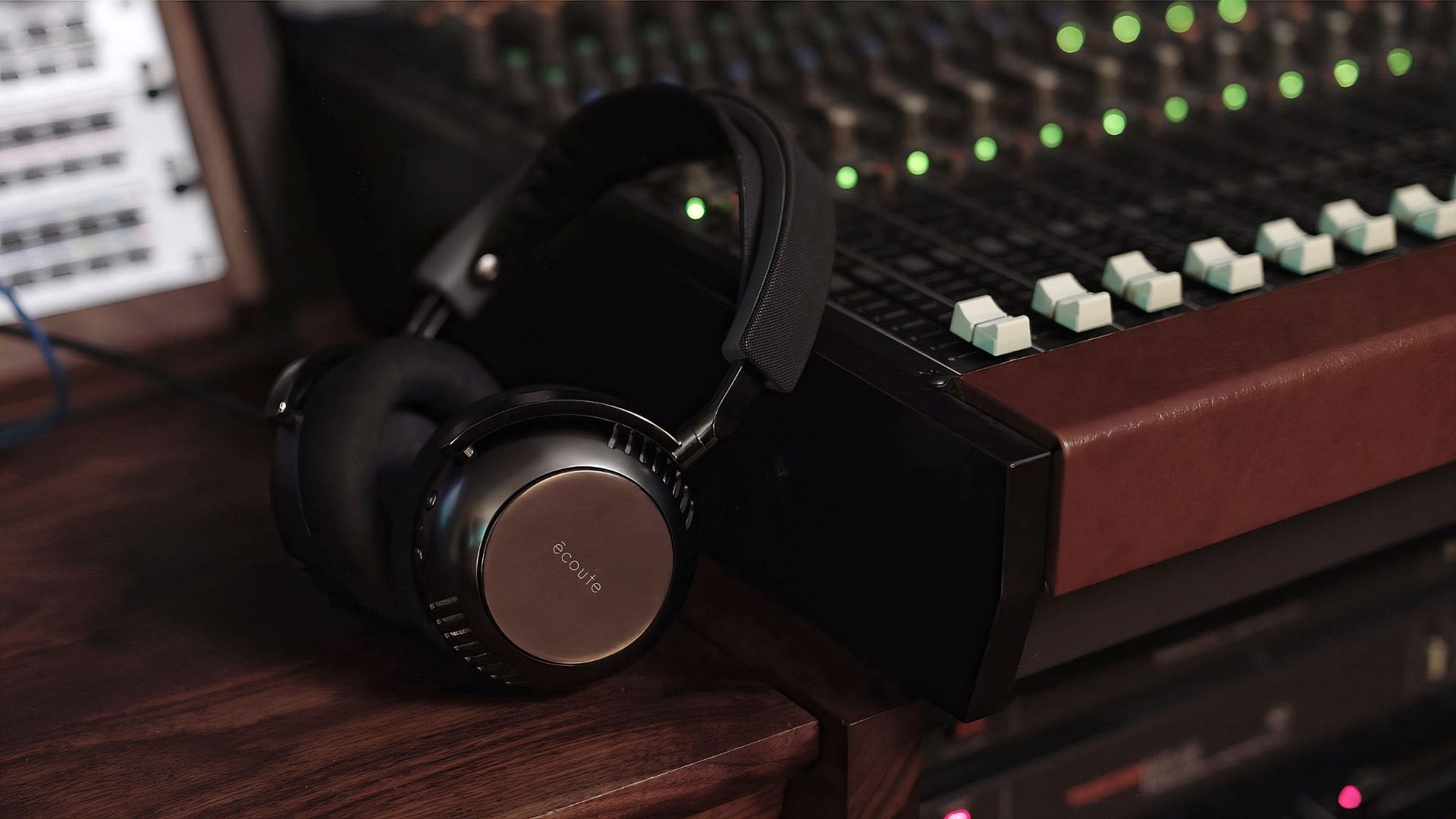
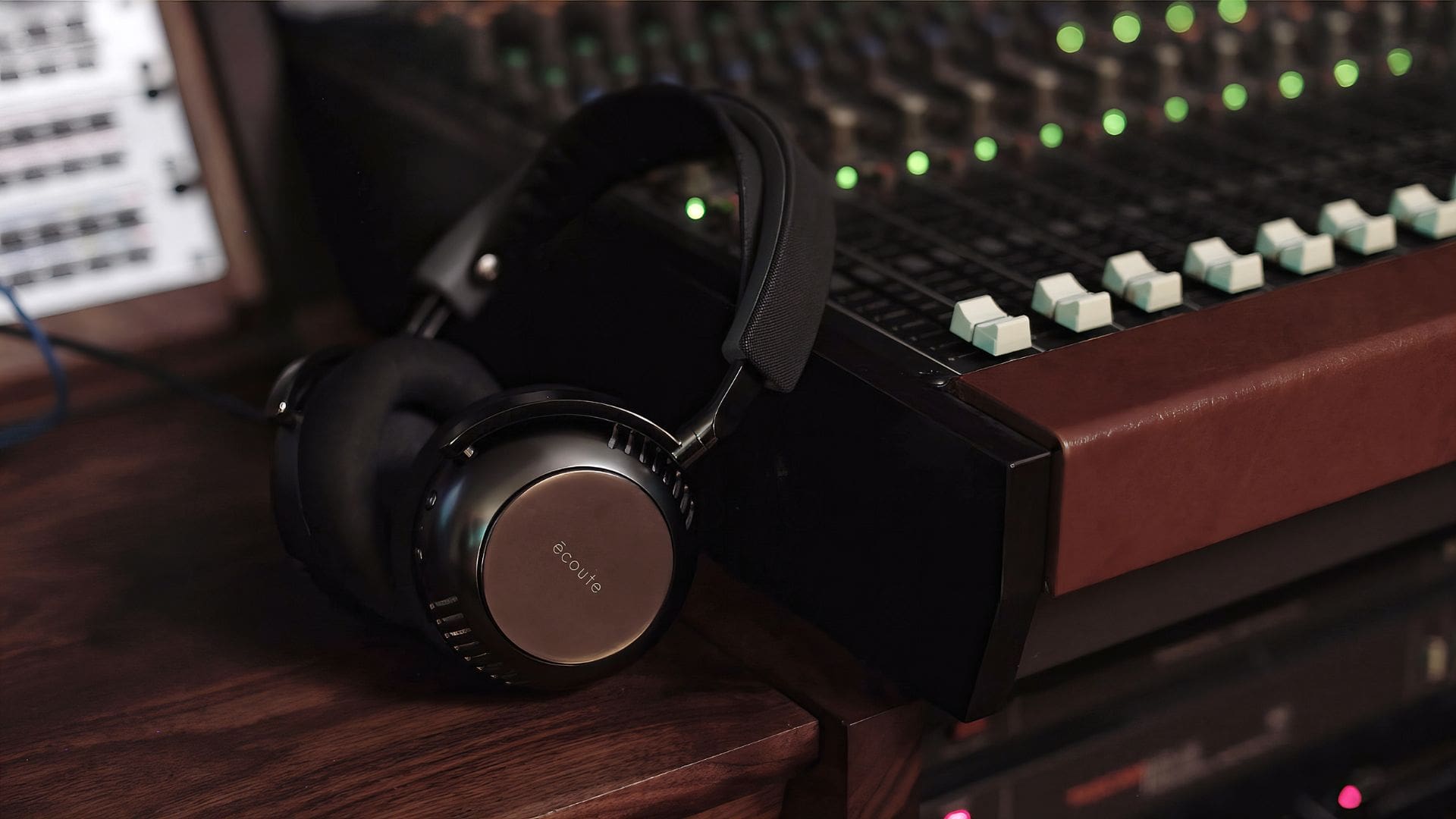
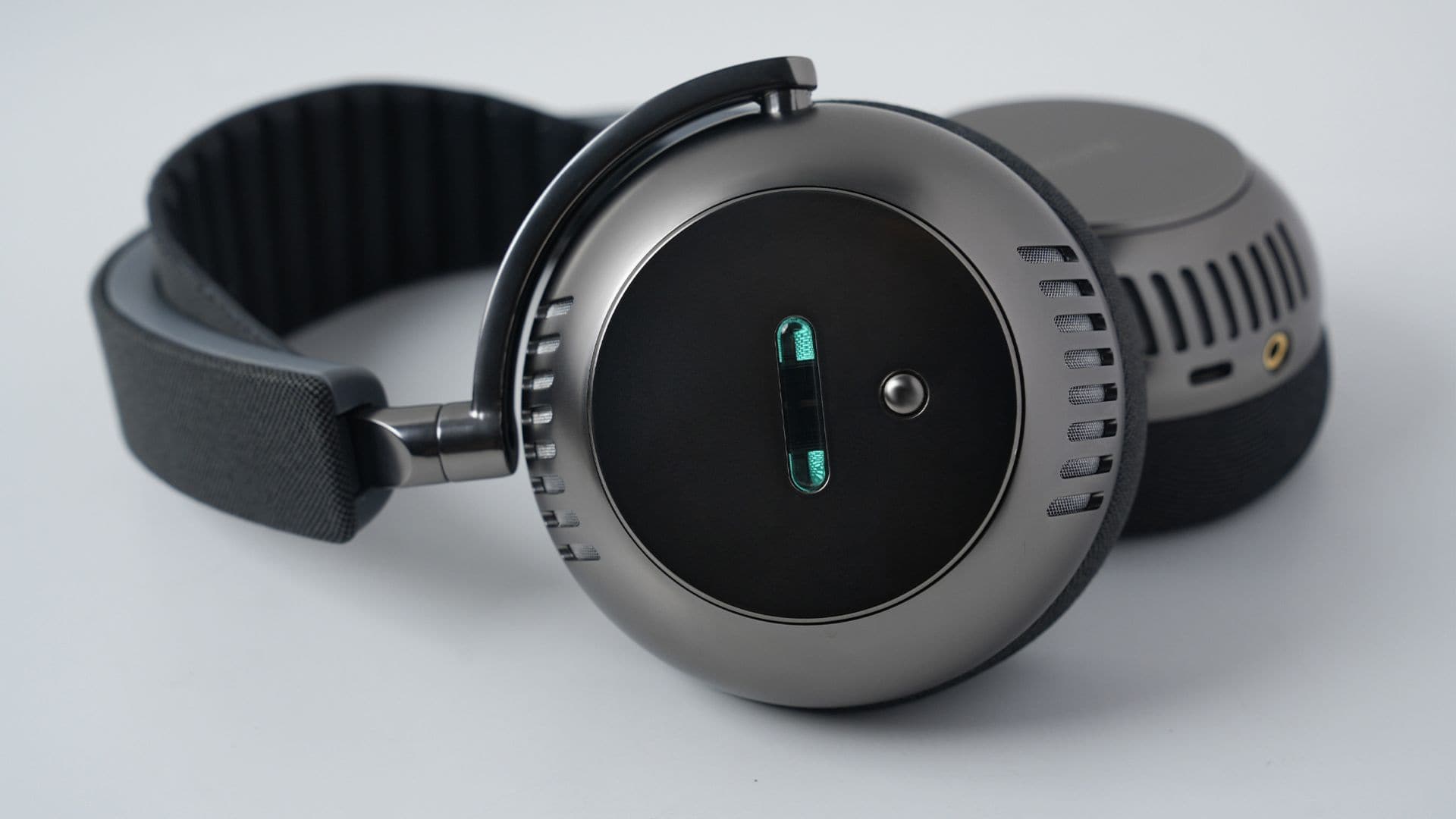
The centerpiece of the TH2 is its Korg Nutube 6P1 valve. It sits behind a small window in the left ear cup, where it glows turquoise whenever the headphones are powered on.
It’s not merely a hidden component doing quiet technical work. The visible glow is part of the personality. If you’ve ever enjoyed the warm orange light of a traditional valve amplifier, you’ll understand the appeal. The TH2 makes the technology visible, giving listeners a small visual reminder that something rather different is happening inside the headphones.
Écoute says the valve has an expected lifespan of more than 30,000 hours. That’s an exceptionally long time for a component designed to be used during everyday listening, so owners shouldn’t have to worry about replacing it anytime soon.
The valve is intended to add warmth, texture, and dimension to music. Voices should benefit from a fuller character, while instruments are designed to sound more developed and expressive. It’s the difference between an image that feels flat and one with a little depth behind it—the same song, but with more atmosphere around the individual parts.
Dual-Mono Design for a Wider Presentation
The TH2 doesn’t stop at the valve. Écoute has also used a separate DAC, a valve preamp stage, and independent amplifiers for the left and right channels.
This creates a dual-mono design. In simple terms, each channel has its own amplification path rather than sharing the same amplifier circuitry. Écoute says this approach helps reduce crosstalk, which is unwanted interference between the left and right channels.
Why does that matter? When the channels remain more distinct, the presentation can feel cleaner and more spacious. Stereo recordings may have a stronger sense of separation, with vocals, guitars, keyboards, and percussion occupying their own places rather than blending into one crowded center.
The final sound is delivered through 40mm titanium-coated Mylar drivers. These drivers are responsible for converting the amplified signal into the music you hear, bringing together the valve’s tonal character and the dual-mono architecture’s intended sense of scale.
A Revised Acoustic Design
That leads neatly to one of the TH2’s major changes over the previous model. Écoute has added a new resonance chamber, which is designed to produce deeper, punchier bass and clearer treble.
Bass is often the first thing listeners notice when moving between headphones, but making it deeper isn’t enough on its own. It also needs shape and control. The TH2’s resonance chamber is intended to give low frequencies more impact while keeping them from overwhelming voices or instruments higher up the range.
The treble has also been revised for greater crispness. That could help bring out details such as cymbal strikes, acoustic guitar strings, and the fine edge of vocal performances. The goal appears to be a balanced presentation: warm and textured from the valve, but still lively and defined at the top end.
Écoute has also added improved shielding around the valve. The company says this reduces the noise floor by cutting interference. That matters particularly in a headphone design, where electronic noise can become much easier to notice because the drivers sit directly beside your ears.
Wireless, Wired, and Hi-Res Listening
For everyday wireless listening, the TH2 supports Bluetooth 5.3 along with LDAC and AAC streaming.
Bluetooth 5.3 handles the connection, while LDAC provides a higher-quality wireless option for compatible devices. AAC is also supported, giving listeners another dependable route for streaming from compatible hardware. In other words, the headphones are built to work as a practical daily pair rather than as a niche wired-only experiment.
USB-C adds another layer of flexibility. Through the USB-C connection, the TH2 supports lossless high-resolution playback up to 32-bit/384kHz. That makes the headphones suitable for listeners who keep higher-quality music files nearby or prefer a direct digital connection instead of sending audio wirelessly.
There’s also a traditional 3.5mm input, and this connection has two different modes:
- Active mode: Uses the headphones’ internal valve and amplifiers.
- Passive mode: Allows an external headphone amplifier to drive the headphones.
That distinction gives the TH2 a useful amount of flexibility. Active mode lets the headphones operate as their own complete listening system, while passive mode leaves room for a separate amplifier in a more traditional hi-fi setup. It’s a nice touch for listeners who enjoy experimenting with different parts of an audio chain.
Improved Noise Control and Comfort
Sound quality may be the headline, but noise control is where wireless headphones often earn their place in daily life. The TH2 brings improved passive isolation, a revised active noise-cancellation system, and an upgraded Transparency mode.
Passive isolation helps block outside sound through the physical fit of the ear cups. Active noise cancellation then works electronically to reduce unwanted environmental noise. Together, those systems are intended to make music easier to focus on, whether you’re trying to settle into an album or simply escape the low-level hum around you.
Transparency mode takes the opposite approach. Rather than shutting the world out, it allows surrounding sound back in, making it easier to hear what’s happening nearby without removing the headphones. The revised version should make those moments more convenient when you need awareness but don’t want to pause your listening.
Comfort has also received attention. Écoute redesigned the headband around a three-point suspension system, which is intended to reduce pressure on the head during longer sessions.
That could be especially useful for the kind of listening the TH2 seems to encourage. A valve-equipped headphone practically invites you to play a full album rather than jump between short clips. Nobody wants the soundstage to feel luxurious while the headband feels like a tiny office supervisor tapping your skull.
Personal Sound Through the Écoute Tuning App
The TH2’s sound can be adjusted through the Écoute Tuning app. The app changes the headphones’ internal DSP before the signal reaches the DAC and amplifiers.
That placement gives users control over the signal earlier in the process, before it reaches the TH2’s core audio hardware. For listeners who prefer a particular balance, this offers a straightforward way to shape the presentation without abandoning the headphones’ main design.
The equalizer includes eight parametric bands, with up to ±12dB of adjustment for each band. Parametric controls allow more precise changes than a handful of broad preset sliders, so users can make focused adjustments to bass, mids, or treble.
The app also includes 15 presets and space to save five custom profiles. Those profiles could be useful for switching between different listening habits—for example, one setting for vocal-heavy music, another for bass-driven tracks, and a personal favorite for long, relaxed album sessions.
The important point is flexibility. The TH2’s valve character remains central, but listeners aren’t locked into one fixed sound.
Replaceable Details and Three Finishes
The TH2 is available in three color options: Nickel, Gunmetal, and Charcoal. The choices keep the design relatively understated, although the glowing valve window provides the visual flourish.
Écoute has also designed several parts to be replaceable. The earpads can be changed when they become worn, while the headband and suspension-strap trims can also be replaced.
That’s a practical decision for a premium headphone. Earpads are among the first parts to show signs of regular use, particularly when headphones become a daily companion. Being able to replace them gives the TH2 a better chance of staying comfortable and presentable over time.
The replaceable headband and suspension-strap trims add another layer of serviceability. Rather than treating the headphones as disposable once a soft-touch part begins to age, the design leaves room for maintenance.
Price and Availability
The Écoute TH2 costs £999 with fabric trim. A leather-trim version is priced at £1,099.
The headphones are scheduled to go on sale in November through Écoute’s UK distributor, Electromod. With its combination of wireless streaming, USB-C hi-res playback, a visible valve, independent amplification, ANC, and replaceable components, the TH2 sits firmly in the premium headphone category.
It’s an unusual package, but that’s exactly the point. The TH2 isn’t trying to be another anonymous pair of wireless headphones. It wants to bring some of the ritual and character of traditional hi-fi into a portable design—right down to the little turquoise glow beside your ear.
Conclusion
The Écoute TH2 takes a familiar wireless headphone format and gives it an unmistakably hi-fi twist. Its Korg Nutube 6P1 valve, dual-mono amplification, resonance chamber, high-resolution USB-C playback, and adjustable DSP all point toward a more immersive kind of listening.
The real charm is that the technology isn’t hidden. The turquoise valve glow turns the TH2 into a conversation piece, while the replaceable parts and multiple connection options make it more practical than the unusual design might suggest. Would you choose a glowing valve inside your headphones, or do you prefer your audio technology to stay invisible?
FAQ
- What makes the Écoute TH2 different from typical wireless headphones?
The TH2 includes a Korg Nutube 6P1 valve, a separate DAC, a valve preamp stage, and separate amplifiers for the left and right channels. Its visible turquoise glow also gives the headphones a distinctive visual identity. - What kind of sound is the TH2 designed to produce?
The valve is intended to add warmth, texture, and dimension to voices and instruments. The dual-mono design is intended to reduce crosstalk and create a wider, more three-dimensional soundstage. - Does the Écoute TH2 support wired listening?
Yes. It includes a 3.5mm input with active and passive modes. Active mode uses the headphones’ internal valve and amplifiers, while passive mode allows an external headphone amplifier to drive them. - What wireless and high-resolution formats does the TH2 support?
The headphones support Bluetooth 5.3, LDAC, and AAC. USB-C playback supports lossless high-resolution audio up to 32-bit/384kHz. - Can parts of the Écoute TH2 be replaced?
Yes. The earpads, headband, and suspension-strap trims can be replaced. This gives owners options for maintaining the headphones as those parts wear over time.
If you love the ritual and character of album-focused listening, a favorite album cover poster can bring that same feeling into your space. Browse the collection at Architeg Prints.
 | DISCOUNTGET 30% OFF*Use code on your next order:
|
* This post may contain affiliate links, meaning we earn a commission if you make a purchase through these links, at no additional cost to you.