ASUS ROG Kithara Review: Audiophile Headphones Perfect for Gaming and Music



ASUS ROG Kithara Review: Audiophile Headphones Perfect for Gaming and Music
Explore the unique blend of audiophile sound and gaming functionality with ASUS ROG Kithara headphones.
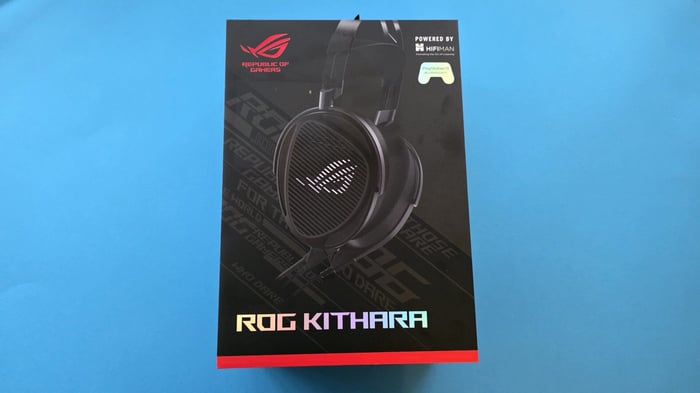
When I first laid my hands on the ASUS ROG Kithara headphones, I was honestly thrown off by how unlike any gaming headset they felt. These headphones are essentially traditional open-back audiophile cans, with a boom mic slapped on and a bundle of gamer-friendly cables tossed into the box. The vented grills on the ear cups immediately reminded me of the sleek rear panel design from the ROG Ally X handheld — stylish, no doubt.
First Impressions and Surprising Love Affair
Initially, I was skeptical. For starters, they looked bulky. And dropping $299 on wired headphones? Ouch. But after a couple of weeks with them, I was genuinely smitten. Their unconventional design only adds to their charm. Despite my fears that they’d feel too different from my usual gear, Kithara quickly found a permanent spot on my desk.
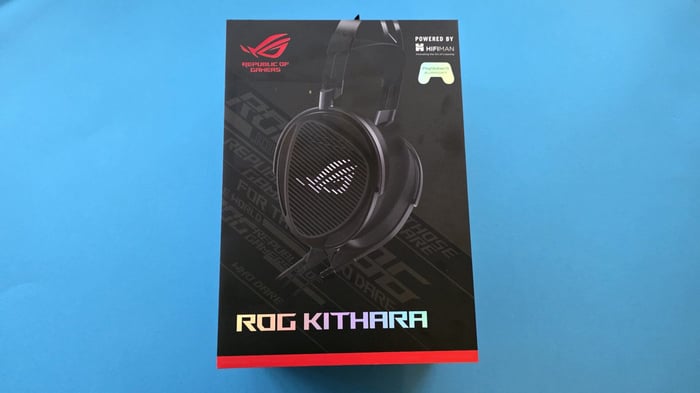
The headline feature of these headphones is their massive 100mm planar magnetic drivers, developed in collaboration with HiFiMan. These drivers are much larger and costlier to produce than the typical dynamic drivers found in the vast majority of gaming headsets.
Specs at a Glance
- Price: $299
- Drivers: 100mm planar magnetic (HiFiMan)
- Frequency Response: 8 Hz – 55 kHz
- Connection: Wired; includes cables with 3.5mm, 6.3mm, balanced 4.4mm jacks, and a USB-C adapter
- Microphone: Detachable MEMS boom mic (20 Hz – 20 kHz)
- Cable Length: 1.8 meters
- Acoustic Design: Open-back
- Noise Cancellation: None
- Build: Metal frame, soft fabric headband
- Weight: 420 grams
- Compatibility: PC, PlayStation, Nintendo Switch, mobile devices; works with Xbox via 3.5mm jack on the controller
Price and Where to Find Them
These premium headphones are a rare find in stores, given their niche status. They sometimes pop up on major online marketplaces via specialized sellers importing hardware from abroad. Prices hover around $350-$400 USD after conversion and logistics costs. Ordering from US or European sellers through intermediaries might save a bit, but expect a two-week wait.
Using ASUS ROG Kithara: What You Should Know
Since this is a fully wired, passive headset without built-in sound cards or fancy software, compatibility is plug-and-play — zero regional restrictions. Just connect them to any PC, console, or smartphone and you’re good to go. To truly unleash those planar drivers and crank the volume, you might want a quality DAC/amp, especially if your motherboard’s audio chipset is on the weaker side. ASUS’s Armoury Crate software supports basic mic settings and works smoothly.
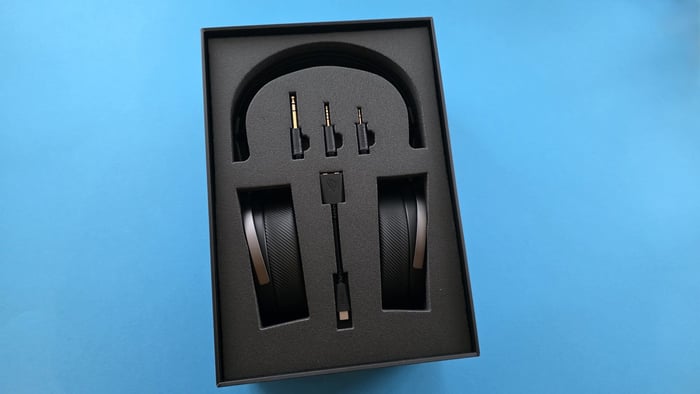
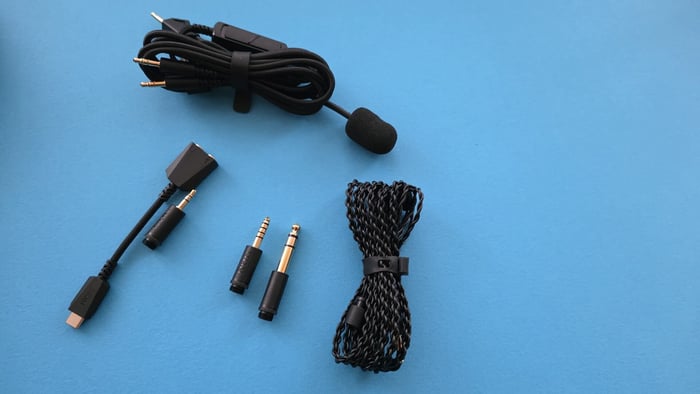
The cable plugs into both ear cups simultaneously — a neat touch. The unboxing feels like inspecting accessories from a high-end gadget, with cables for microphone control (volume and mute), audiophile listening, and a dizzying array of plugs: 3.5mm, 6.3mm, balanced 4.4mm, plus a USB-C adapter. You can hook these up literally anywhere — from PCs and consoles to top-tier DACs — without fiddling with drivers. Official Xbox support isn’t advertised, but plugging the headphone jack into the controller works flawlessly.
Sure, $299 is a serious ask for wired headphones. ASUS is clearly aiming these at the serious audiophile and studio monitor crowd, rather than competing with flashy RGB-lit gaming headsets.
Comfort and Build Quality That Impresses
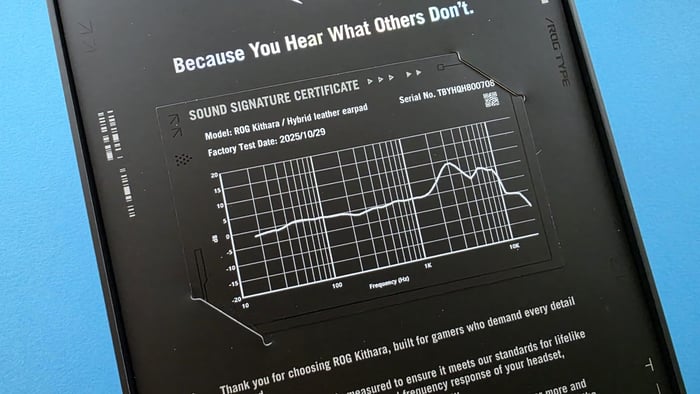
Out of the box, the build quality commands respect. The metal frame feels tank-like, and the hinges look ready to withstand a meteor strike — or just a couple months in my backpack (not testing that theory anytime soon). Visually, Kithara channels serious studio rigs, not your typical flashy gamer headset. My son, who’s into sound recording, already eyed them for his setup.
Yes, they’re big and weigh 420 grams. I braced myself for neck cramps, especially since they look comically oversized on my head. But surprisingly, the weight is well balanced — they feel lighter than they appear. I’ve sat comfortably wearing them for hours without discomfort.
The soft fabric headband doesn’t pinch, and thanks to the open-back design, my ears stay cool and sweat-free — a welcome change from my usual closed-back LucidSound LS50X headphones, which makes my ears hot and bothered after a couple hours.
The only slight hiccup? When I shake my head vigorously during intense gaming, the ear cups slowly slide down. I have a smaller head than most men in my family, who tried them on and reported a rock-solid fit. So, it’s likely just a sizing thing.
The package includes two pairs of ear pads: velour ones are softer and cooler but slightly dull the bass and don’t isolate sound as well as the standard pads.
Overall, Kithara’s craftsmanship scores a solid A+, and despite initial worries about size, they’re incredibly comfortable.
Microphone and Sound Quality
The removable MEMS boom mic is solid—nothing spectacular but perfectly fine for gaming, Discord chats, and work calls. Your voice comes through clearly, and background noise is dampened well. It’s definitely cleaner than many gaming headsets I’ve tested. However, if you stream or podcast, you’ll still want a dedicated desktop mic.
One concern with open-back headphones is sound leakage from the speakers into the mic, which can annoy your teammates. I didn’t experience this at all; the mic isolates voice well even during loud game explosions.
But the real star here is the audio quality. Let’s be clear: there’s no virtual surround sound or gimmicks — just honest, pure, passive stereo.
I had to brush up on some physics to appreciate the magic of open-back design: the ear cup backs have holes, letting sound breathe rather than being trapped. Audiophiles love this for the vast soundstage — it feels like music plays around you, not inside your head. The trade-off? Zero privacy. I can hear everything happening around me and others can hear what I’m playing. Crank up Taylor Swift at full blast and you’ll lose your indie cred instantly. Definitely not a commute or bus choice.
If you game in a quiet room, the open design is bliss. The sound is expansive and natural, with pinpoint positional audio perfect for shooters — you can easily tell where shots and footsteps come from. Unlike closed headphones, there’s no boxed-in “drum” echo. But if there’s chaos nearby, it’s distracting. Personally, I prefer hearing what’s going on at home, so it’s a plus in my book.
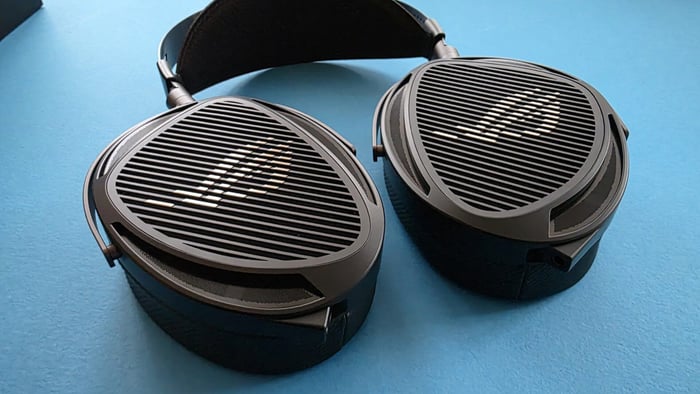
The sound signature leans toward less bass than typical gaming headsets that blast low frequencies to your eardrums. Whether you dig this analytical sound profile is personal taste.
Volume varies significantly depending on your source. As someone who grew up blasting tunes on an iPod, I like it loud. Connected directly to a PC via 3.5mm jack, volume is adequate but lacks headroom. Using the USB-C adapter (say on a phone or laptop) unlocks fuller, louder sound because of its built-in DAC. No amount of fiddling with Windows settings will fix this — your hardware matters.
Final Verdict: Are ASUS ROG Kithara Worth It?
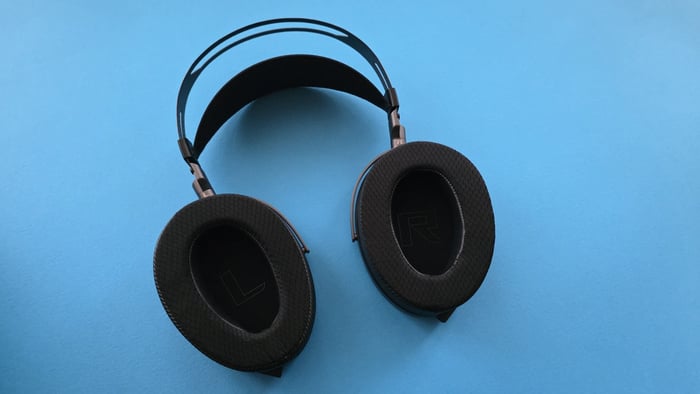
ROG Kithara isn’t for everyone. Sound reigns supreme here, with gaming features taking a backseat.
These headphones feel less like a gaming headset and more like classy studio monitors with a thoughtful mic attached. The $299 price tag initially feels steep for wired cans, but once you put them on, all doubts fade. They’re surprisingly comfortable and sophisticated.
Kithara doesn’t compete with feature-packed giants like SteelSeries or Turtle Beach. No fancy buttons, no glowing logos. You’re paying for premium planar driver sound and the pure joy of open-back listening. If you’ve been chasing that elusive audiophile vibe in gaming without juggling separate studio headphones and microphones, these are your dream come true. It’s truly a different league.
ASUS ROG Kithara feels like a breed apart — audiophile headphones for gamers who value sound over flash.
FAQ
- How do the ASUS ROG Kithara compare to typical gaming headsets?
They offer audiophile-grade planar magnetic drivers and an open-back design, focusing on pure sound quality rather than gaming gimmicks like virtual surround or RGB lighting. - Are these headphones compatible with all consoles?
Yes, they work with PC, PlayStation, Nintendo Switch, and mobile devices. Xbox works when plugged into the controller’s 3.5mm jack. - Is the microphone quality good enough for streaming?
The detachable boom mic is clear for gaming and calls, but for professional streaming or podcasting, a dedicated desktop mic is recommended. - Do the headphones require special software or drivers?
No, they are plug-and-play with no additional drivers needed. ASUS’s Armoury Crate supports mic settings. - Is the open-back design suitable for noisy environments?
Not ideally — sound leaks both ways, so they’re best used in quiet spaces for the full immersive experience.
If you’re a fan of premium audio and eye-catching design, why not shop your favorite album cover poster to complement your setup? Elevate your space with art that speaks your language at Architeg Prints.
 | DISCOUNTGET 30% OFF*Use code on your next order:
|
* This post may contain affiliate links, meaning we earn a commission if you make a purchase through these links, at no additional cost to you.