Audiolab D7 Review: A Versatile DAC with Impressive Features



Audiolab D7 Review: A Versatile DAC with Impressive Features
Explore the Audiolab D7’s balanced sound and versatile connectivity in this detailed review of the standout DAC model.
A Legacy of Audio Excellence Leading to the Audiolab D7
When it comes to digital-to-analog converters (DACs), Audiolab’s history is a rich tapestry woven with expertise and innovation. The company first dipped into the external DAC market with the 8000DAC back in the 1990s, setting the stage for future milestones. However, it was the Audiolab M-DAC, launched in 2011, that truly cemented their reputation. The M-DAC became a beloved standard in the mid-price DAC segment for nearly a decade, celebrated for its sound quality and functionality.
So, how does the new Audiolab D7 fit into this legacy? Despite being smaller and more affordable than the M-DAC, the D7 proudly inherits many design cues and thoughtful features from its predecessor. For audiophiles and casual listeners alike, this bodes well.
Features and Connections: Ready for Any Digital Challenge
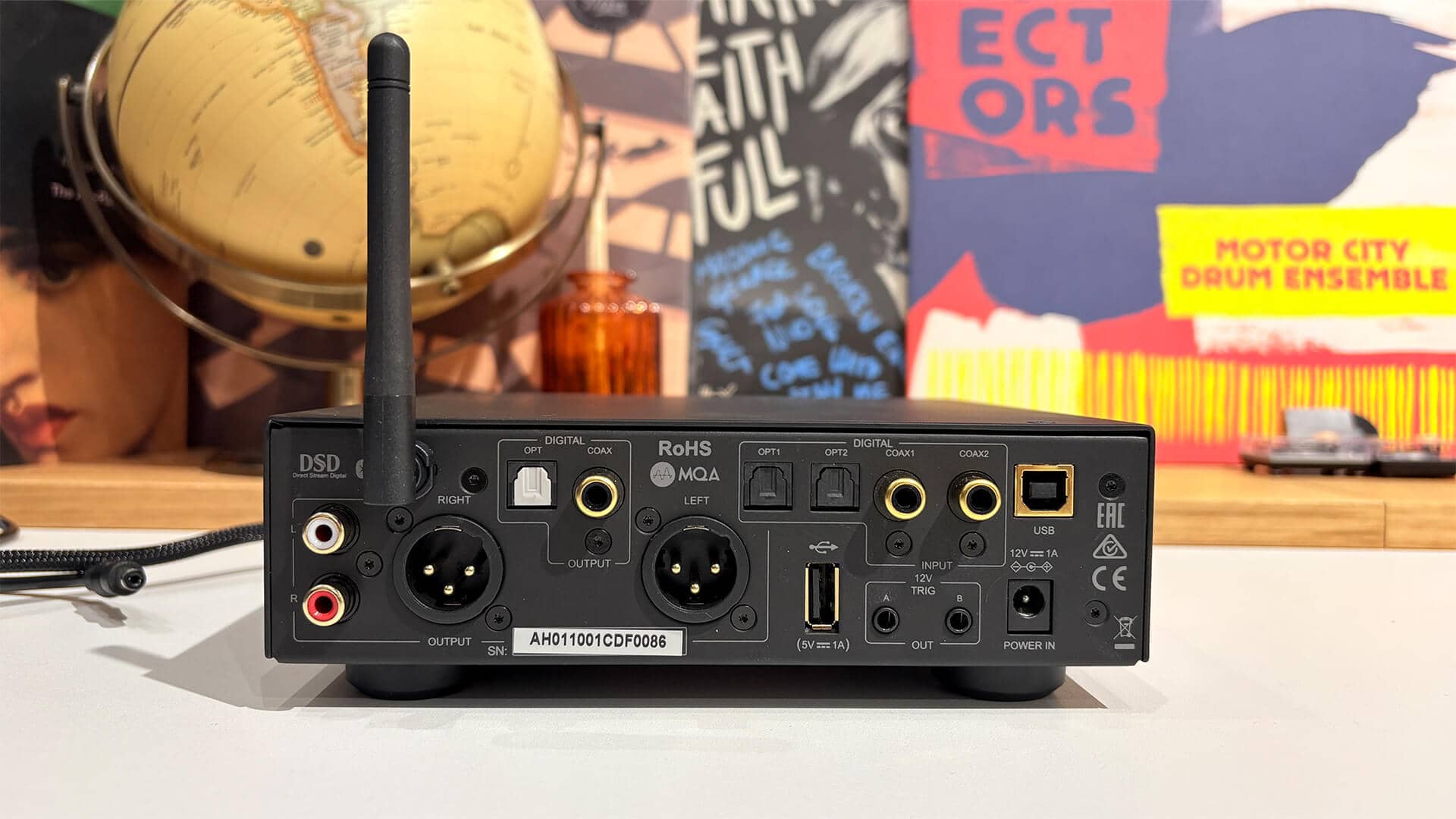
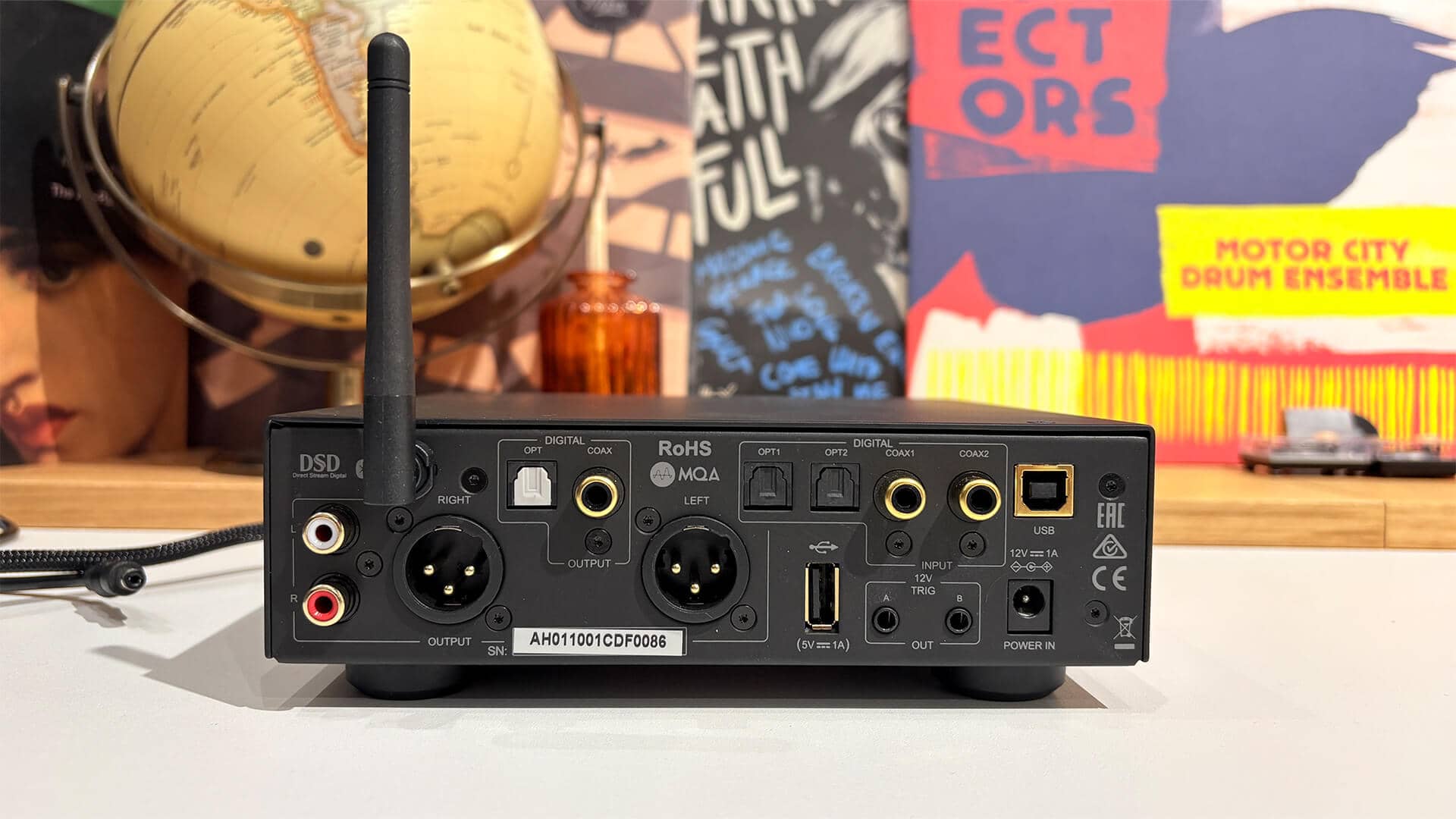
The Audiolab D7 is a delightfully flexible device. Whether you integrate it into a full Hi-Fi separates system or simply connect it to your desktop setup, it delivers performance with ease. Audiolab clearly didn’t skimp on connectivity options here.
You get:
- Two coaxial and two optical digital inputs
- USB Type-B and USB Type-A ports
- Unbalanced RCA and balanced XLR analog outputs
The USB-A port is a nice touch, allowing connection to external storage devices and serving as a channel for software updates. On the front panel, a 6.3mm headphone jack offers direct listening, alongside digital outputs (optical and coaxial) for further digital processing.
Bluetooth has become a must-have input in today’s wireless age, and the D7 embraces this with Bluetooth 5.1 support, including the high-quality aptX HD codec.
Design and Build Quality: Sleek and Sturdy
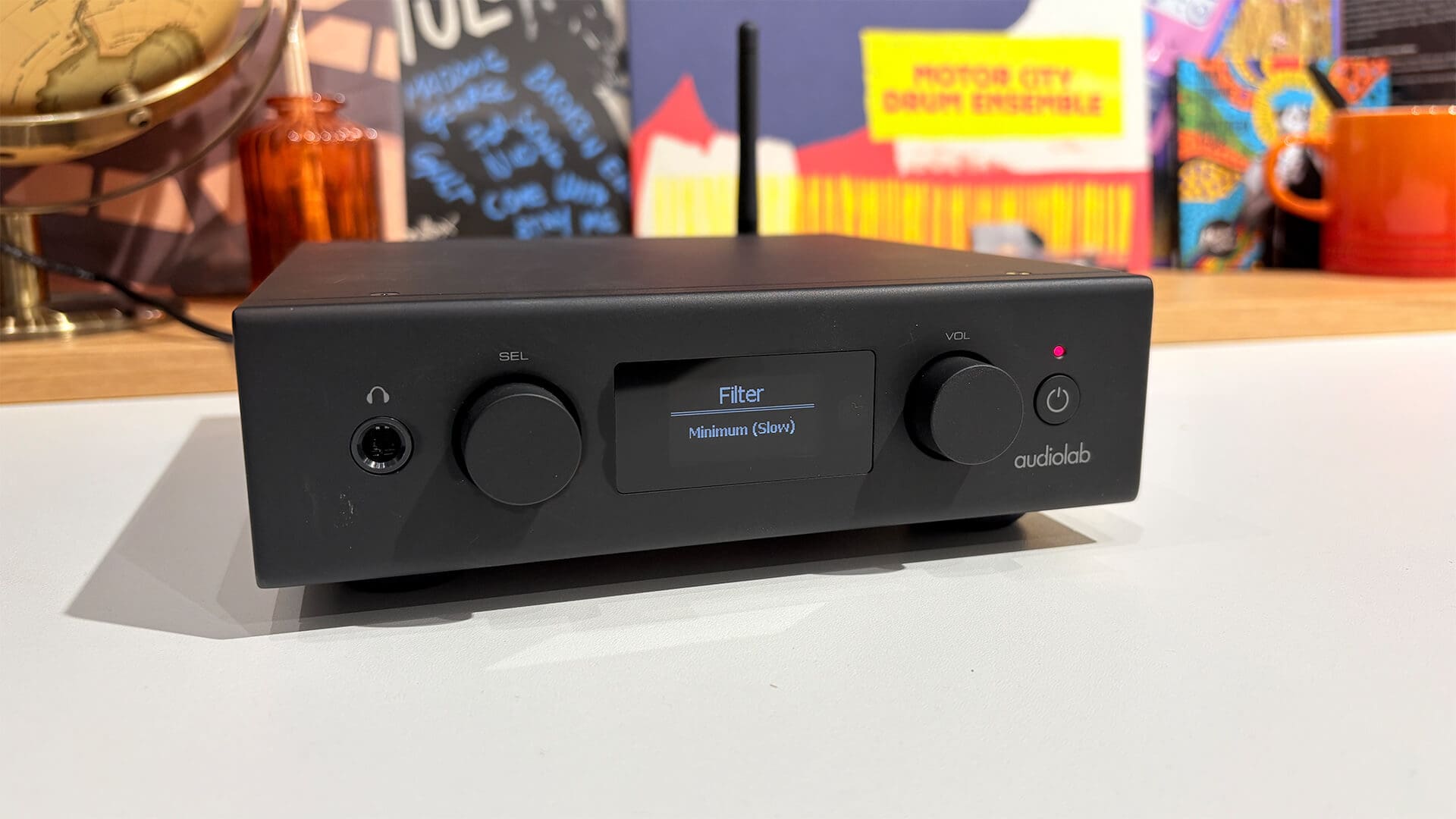
At the core of the D7 lies the ESS Sabre ES9038Q2M DAC chip, capable of handling high-resolution PCM files up to 32-bit/768kHz and DSD512 formats. That’s plenty of headroom for even the most demanding digital music collections.
While many other devices use the same chip, Audiolab’s experience shines through in their proprietary clocking and power supply circuits, promising superior results. It even supports full MQA decoding and is compatible with Roon for serious audiophiles.
You can configure the analog outputs to either fixed or variable modes. The variable option is especially useful if you want to feed the DAC directly into a power amplifier or active speakers, simplifying your setup and reducing clutter.
The build quality is top-notch. The aluminum chassis feels solid and precise, offered in both sleek silver and classic black finishes. The front panel sports a crisp OLED display that's handy for adjustments, although its size might challenge visibility from across the room.
Audiolab D7 Technical Specs at a Glance
| Feature | Details |
|---|---|
| Inputs | 2 Coaxial, 2 Optical, USB Type-B, USB Type-A |
| Outputs | RCA (unbalanced), XLR (balanced), Optical, Coaxial |
| Headphone Output | 6.3 mm |
| Bluetooth | 5.1 with aptX HD |
| Max Resolution | PCM 32-bit/768kHz, DSD512 |
| Battery Powered | No |
| Dimensions (HxWxD) | 5.6 x 18 x 20.8 cm |
| Weight | 1.42 kg |
| Finish | Silver or Black |
The D7 offers five digital filter options, with "Linear (Slow)" set as default. Through listening, the “Minimum (Slow)” filter felt the most natural and true to life in various systems. Differences among these filters are subtle, so feel free to experiment to find what suits your ears best.
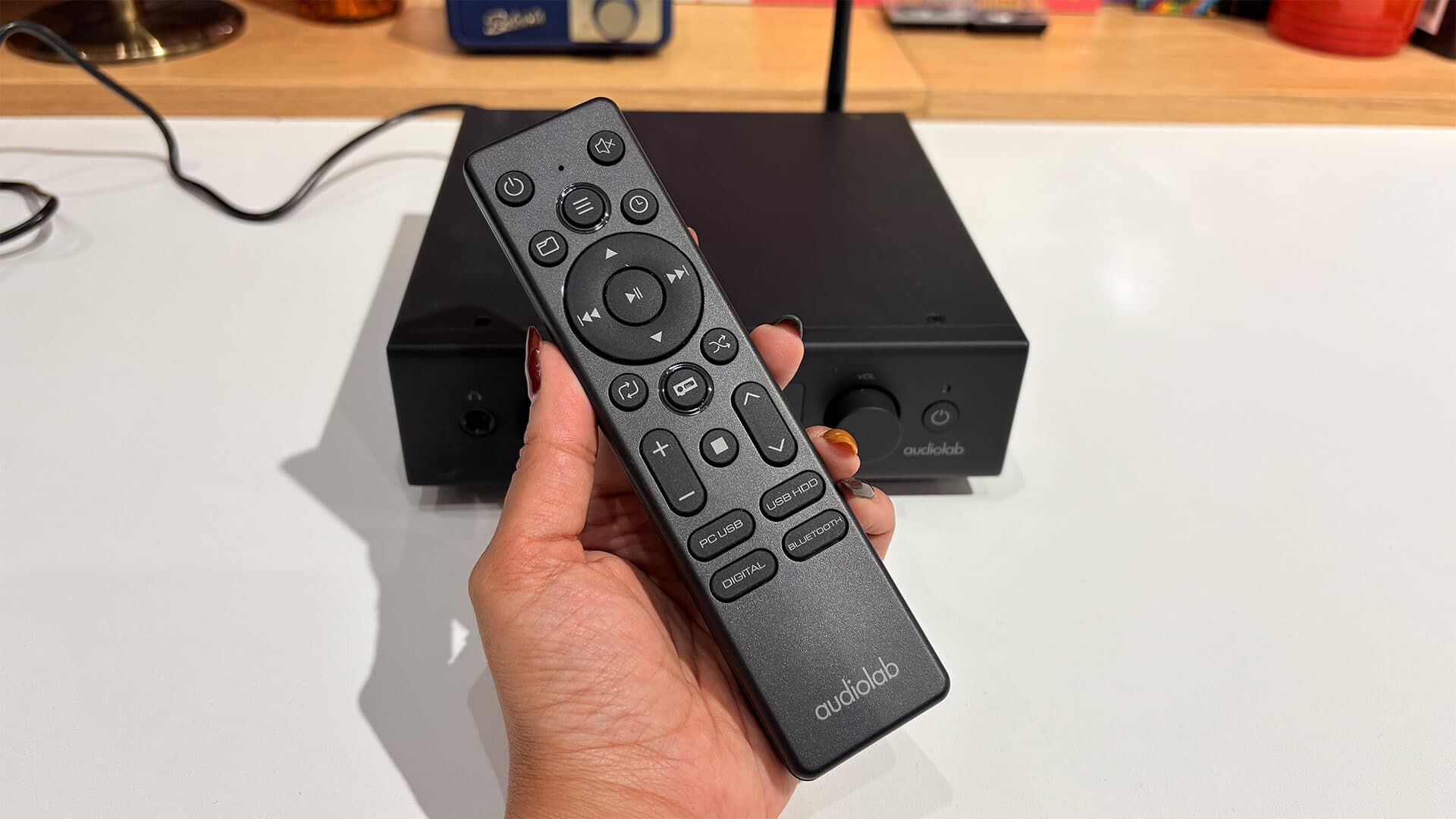
The package includes a handy remote control—simple plastic, yes, but thoughtfully designed for intuitive use, especially when the D7 is part of a larger system.
During testing, a variety of digital sources were used, including the Naim ND555/555 PS DR music streamer, the Cyrus CDi CD player, and a MacBook Pro laptop running Audirvana software with a vast collection of high-resolution files.
The D7 was connected to reference systems including a Burmester 088/911 MkIII power amplifier with ATC SCM50 speakers, as well as a more budget-friendly setup featuring a Naim Nait XS3 integrated amplifier paired with KEF LS50 Meta speakers.
Sound Performance: Clean, Clear, and Captivating
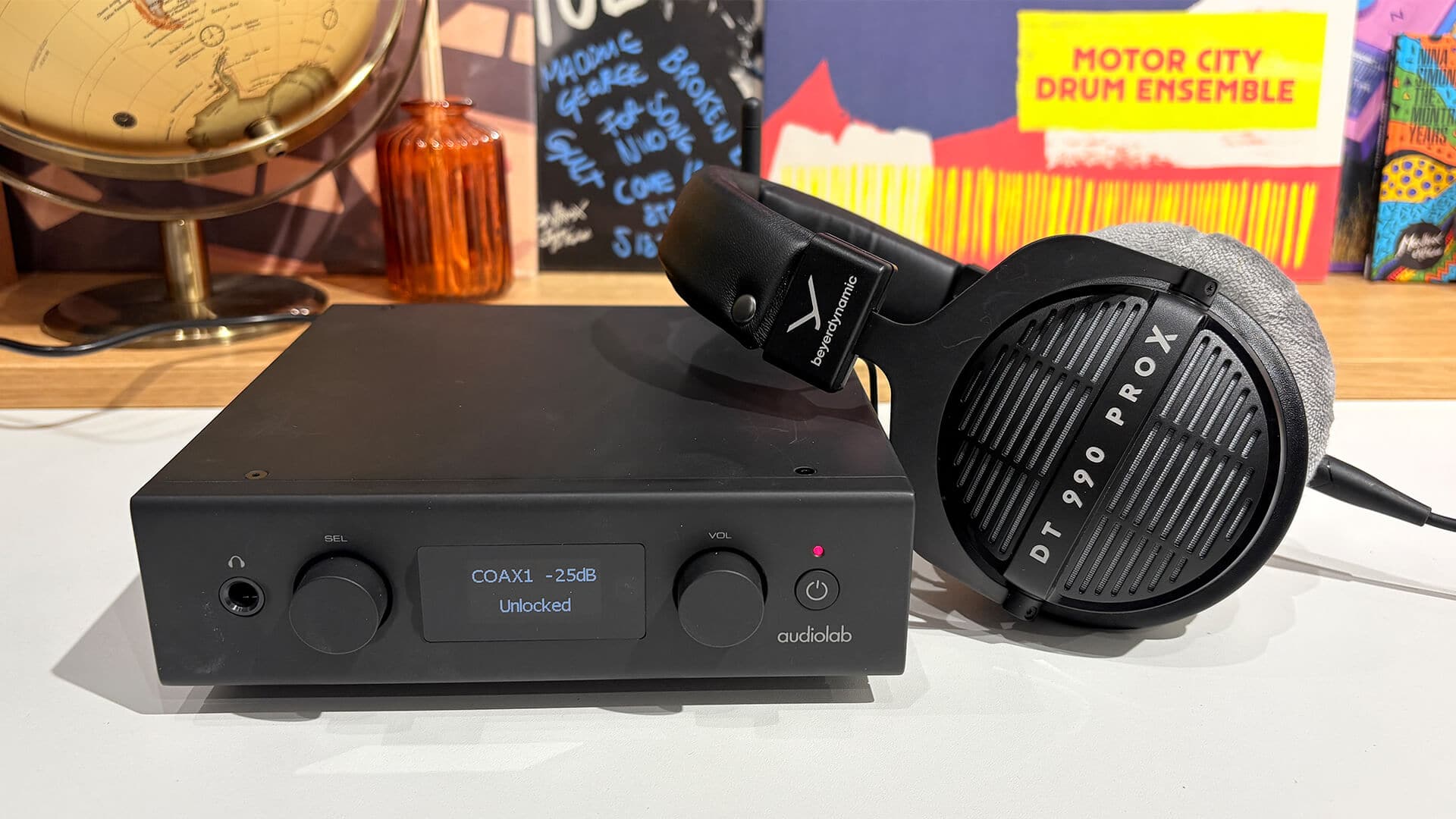
Audiolab is known for crafting equipment with balanced tonal characteristics, and the D7 lives up to that tradition. It offers a neutral, even sound signature that impresses with clarity and detail without ever feeling harsh or fatiguing. The spaciousness the DAC creates is a highlight, making the music breathe naturally rather than feeling crammed or congested.
This style suits complex classical pieces brilliantly. Whether it’s Tchaikovsky’s "Slavonic March" or Górecki’s Symphony No. 3, the D7 delivers wide, authoritative soundscapes that let each instrument speak distinctly while preserving the full emotional impact.
While the D7 handles dynamic shifts smoothly, it doesn’t quite match the sparkle and drama of the award-winning Chord Mojo 2 DAC. Still, the Audiolab DAC holds its own as an engaging and texturally rich alternative that keeps listeners hooked from start to finish.
Its stereo imaging is another strong suit. The soundstage is broad yet precise, offering more focus and stability than many competing models, even with complex compositions.
Listening to artists ranging from Womack & Womack to Grinderman and Kid Cudi further proves the D7’s versatility. It delivers punchy, full-bodied sound where needed but also captures delicate nuances with finesse. For example, Linda Womack’s slightly raspy vocal texture in “Love Wars” comes through with warmth and dynamic presence.
The bass response is articulate and well-defined, though not quite as driving or visceral as the Mojo 2’s. Yet, for most listeners, the D7’s performance in the low end remains satisfying and enjoyable.
How Does It Compare?
The Chord Mojo 2 undoubtedly sets a high bar in this market segment, with superior sound qualities in many respects. However, Audiolab’s D7 shines in other ways—its superior connectivity options and user-friendly design stand out.
With Bluetooth onboard, the D7 easily handles wireless streaming without fuss—something the Mojo 2 cannot offer. Plus, the inclusion of balanced XLR and standard RCA outputs makes integrating the D7 into existing setups far simpler, as opposed to hunting down special cables for Mojo’s 3.5mm outputs.
Moreover, the D7’s controls are logical and straightforward, contrasting with the Mojo’s more complex and sometimes perplexing interface that can require referencing the manual.
Versatility in Action: From Preamps to Headphones
We found the Audiolab performs admirably as a digital preamp, handling a Burmester 911 Mk III power amplifier with ease considering its price point. It can effortlessly become the centerpiece of a system built around active speakers, such as the Acoustic Energy AE1 Active speakers, creating a sleek and appealing setup.
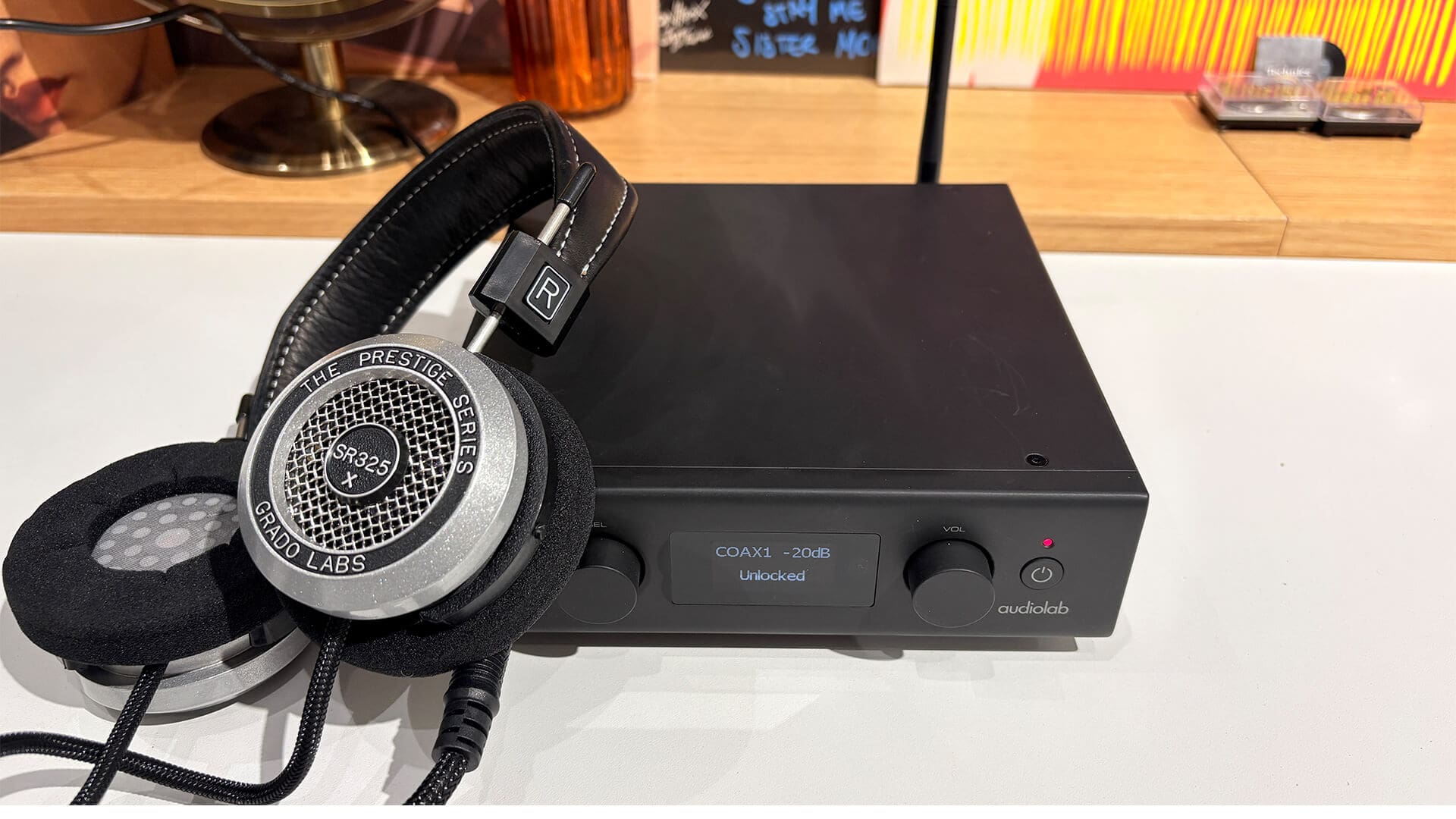
Listening through headphones is equally rewarding. Using open-back Grado SR325x headphones, the D7 delivered sound quality on par with its analog outputs, whether balanced or unbalanced—refined and engaging.
Final Verdict: A Top-Tier DAC Packed with Strengths
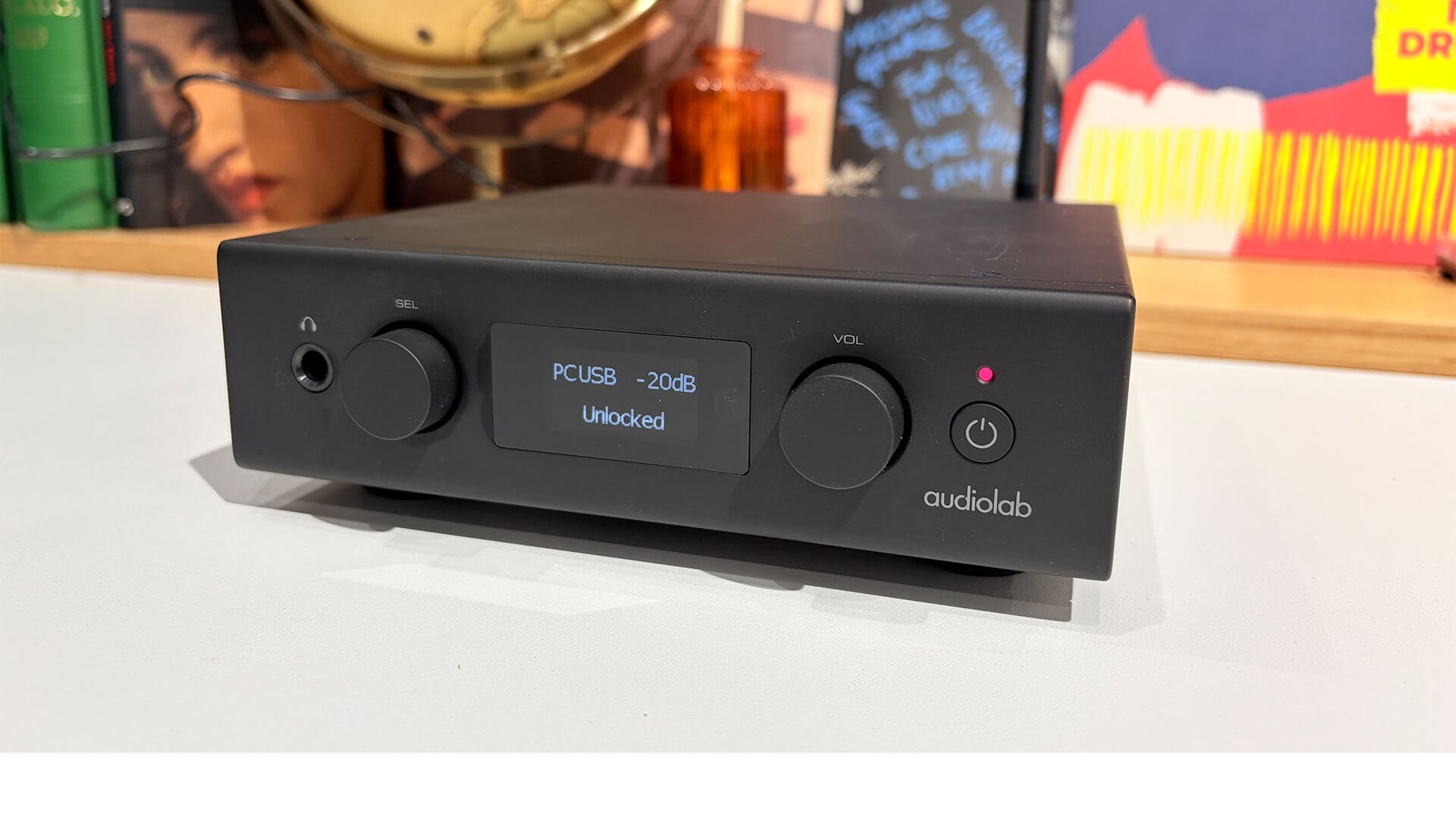
Audiolab’s D7 strikes an attractive balance between construction quality, features, and sonic performance, making it a worthy contender in its price range. Its sound is informative yet accessible, while its connectivity and build don’t fall short of higher-end gear.
For anyone in the market for a well-equipped and high-performing external DAC at this level, overlooking the Audiolab D7 would be a missed opportunity.
Ratings:
- Sound: 5/5
- Build: 5/5
- Features: 5/5
FAQ
- What types of digital inputs does the Audiolab D7 offer?
The D7 includes two coaxial, two optical inputs, USB Type-B, and USB Type-A ports. - Can the D7 be used with active speakers directly?
Yes, when set to variable output mode, it can connect directly to power amplifiers or active speakers. - Does the Audiolab D7 support wireless streaming?
Absolutely, it supports Bluetooth 5.1 with aptX HD for high-quality wireless audio. - What is the maximum audio resolution the D7 can handle?
It supports PCM files up to 32-bit/768kHz and DSD up to DSD512. - Is the headphone output on the D7 high quality?
Yes, the 6.3mm headphone output provides sound quality comparable to the analog outputs.
Love what you’re reading? Elevate your listening space with your favorite album cover poster from our store. They’re the perfect companion to any music setup and celebrate the artistry behind your favorite tunes. Shop now.
 | DISCOUNTGET 30% OFF*Use code on your next order:
|
* This post may contain affiliate links, meaning we earn a commission if you make a purchase through these links, at no additional cost to you.