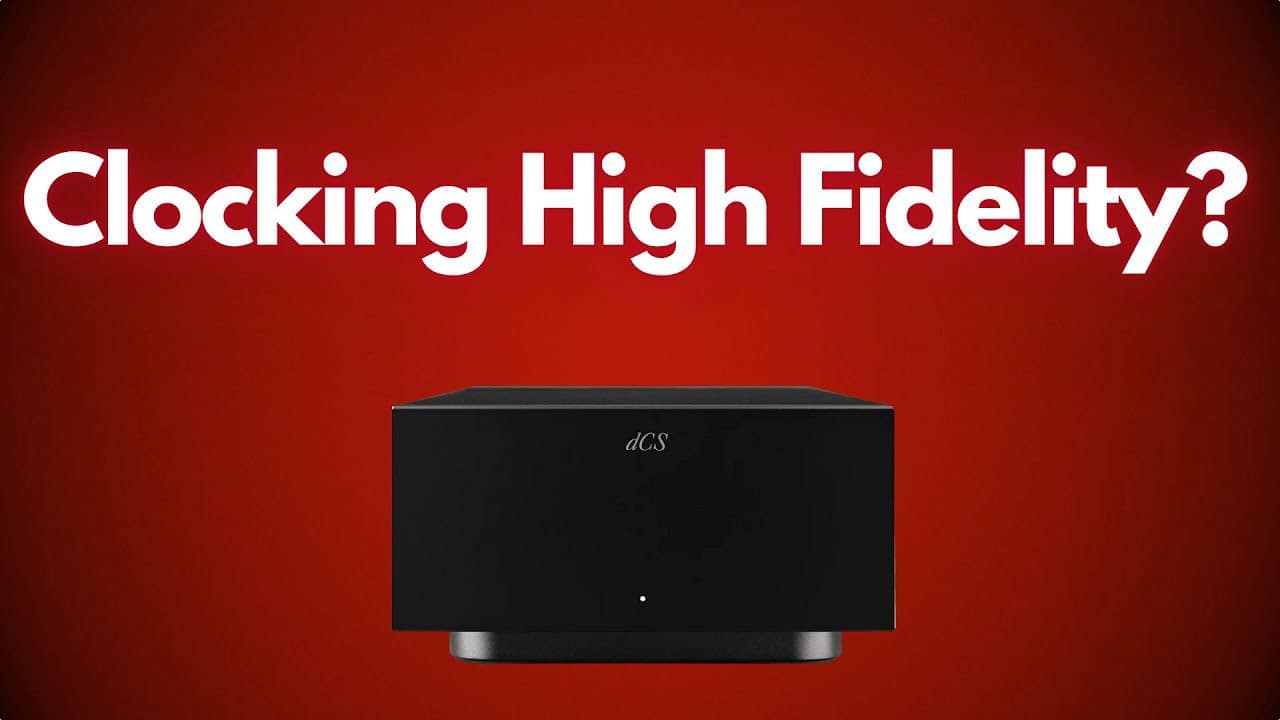
dCS Lina Master Clock Review: Elevating Audio Precision with Master Clock Technology



dCS Lina Master Clock Review: Elevating Audio Precision with Master Clock Technology
Unlock the true potential of your digital audio with the dCS Lina Master Clock and experience superior synchronization and sound fidelity.
An Insider’s Look at the dCS Lina Master Clock
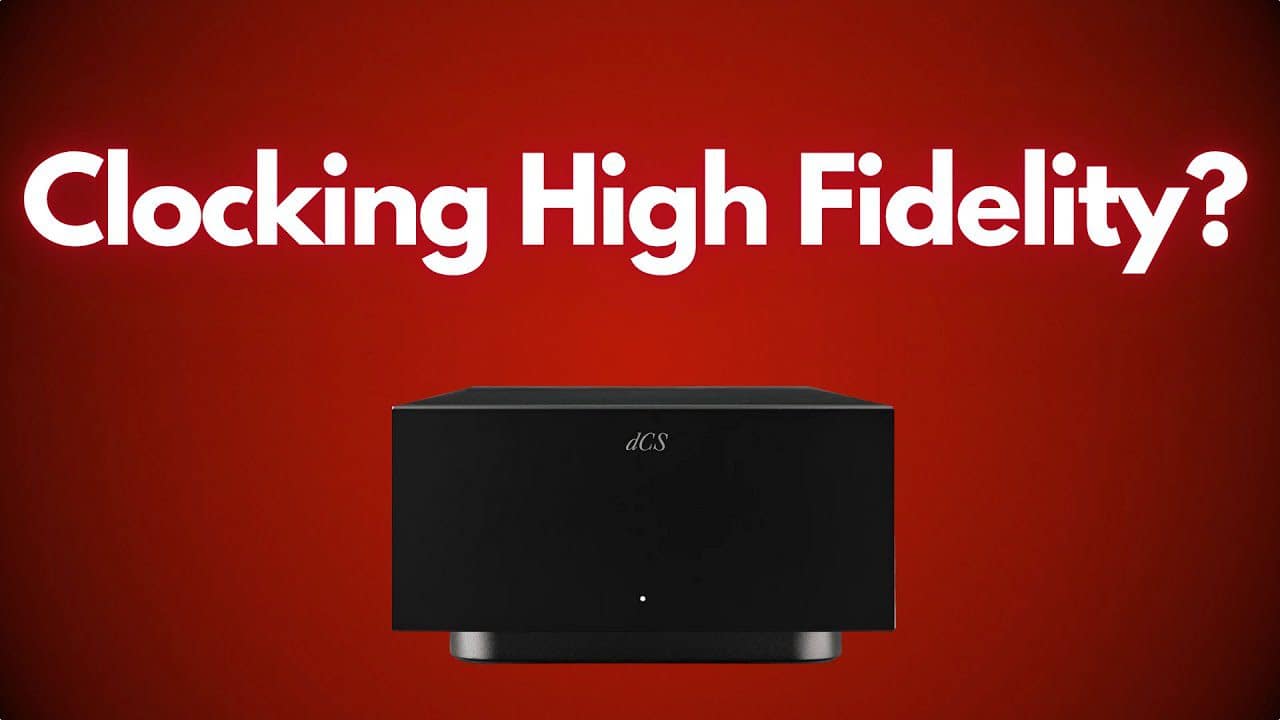
When it comes to audiophile-grade digital audio systems, timing is everything. That’s where the dCS Lina Master Clock steps in, promising to solve one of the most persistent issues in digital audio reproduction: synchronization accuracy. As someone who’s spent countless hours chasing the elusive perfect sound, I was eager to see if the Lina could truly make a difference, especially when paired with the dCS Bartók APEX Streaming DAC.
The Lina isn’t just a fancy accessory; it’s a precision timing device designed to replace the internal clocks of digital audio components with a single, ultra-stable clock. The goal? To reduce jitter — those tiny timing errors that can subtly muddy your music — and bring a cleaner, more lifelike sound to your listening experience.
Why Does a Master Clock Matter?
If you’ve dabbled in digital audio, you know how critical clock accuracy is. Every digital audio device uses an internal clock to convert data into analog signals, but these clocks aren’t perfect. Small inaccuracies known as jitter can cause timing mismatches, leading to loss of detail, less precise imaging, and a slightly “off” soundstage.
The Lina master clock provides a centralized, beautifully engineered timing reference. By feeding this high-precision clock signal to the Bartók APEX (or other compatible DACs), the entire system speaks the same timing “language.” The result? A more coherent, vibrant, and fluid musical presentation. It’s like giving your digital system a heartbeat that’s steady and reliable.
Syncing with the dCS Bartók APEX Streaming DAC
Pairing the Lina with the Bartók APEX is where the magic truly happens. The Bartók is already a formidable player in the streaming DAC market, boasting impeccable build quality and a sound signature that’s both musical and analytical. But hooking it up to the Lina clock takes things a notch higher.
Listening sessions quickly revealed increased transparency and tighter control over dynamics. The Lina’s influence was clear: instruments felt more solidly anchored in space, and subtle textures—those fleeting nuances that make a recording special—were more easily heard. Voices floated with a new naturalness, almost as if the listeners were enjoying a live performance.
For me, it was like wiping a foggy window clean. The music breathed easier, and the quiet spaces between notes became as compelling as the notes themselves.
The Experience: Is It Worth It?
This is where many audiophiles hesitate—does the jump in fidelity justify the investment? In my experience, if you’re serious about your digital rig and crave the best sonic precision, the dCS Lina Master Clock is worth considering. It’s not just about boosting resolution; it’s about refining timing in a way that unlocks new layers of emotion and engagement.
Imagine listening to a favorite track like you never have before, where each instrument has its own space, and the flow of music feels completely natural. That’s the kind of difference Lina makes.
Final Thoughts: Timing Is the Secret Ingredient
The dCS Lina Master Clock is a testament to the subtle but profound impact that precise timing can have on digital sound reproduction. For anyone using a dCS DAC or willing to optimize their digital audio system, it offers a meaningful upgrade that’s as technical as it is emotional.
“The Lina master clock brings a new level of coherence and musicality, making every note count.”
— Robert Taylor
FAQ
- What exactly does the dCS Lina Master Clock improve?
It reduces jitter by providing a stable timing reference to digital audio devices, resulting in improved sound clarity and imaging. - Can the Lina be used with any DAC?
The Lina is designed primarily for dCS DACs, like the Bartók APEX, but compatibility depends on the DAC’s ability to accept an external clock. - Is the improvement noticeable for casual listeners?
While audiophiles will appreciate the nuanced enhancements most, even casual listeners may notice a cleaner, more natural sound. - Does adding Lina require complex setup?
Setting up the Lina is relatively straightforward, but it requires compatible equipment and proper synchronization settings. - Is it worth upgrading from the internal clock to the Lina?
For those pursuing the highest fidelity in digital audio, upgrading to the Lina can unlock greater detail and musical coherence.
Elevate your listening experience and celebrate the beauty of perfect timing. Shop your favorite album cover posters and surround yourself with the art inspired by music at our store: Architeg Prints.
 | DISCOUNTGET 30% OFF*Use code on your next order:
|
* This post may contain affiliate links, meaning we earn a commission if you make a purchase through these links, at no additional cost to you.