Big Truck: Laurie Vincent Finds His Voice Beyond Soft Play’s Shadow



Big Truck: Laurie Vincent Finds His Voice Beyond Soft Play’s Shadow
Big Truck marks Laurie Vincent’s boldest step yet: a genre-bending debut, fresh confidence, and a new creative life beyond Soft Play.
A New Chapter Begins
There’s a particular thrill in watching a familiar musician step into unfamiliar light. With Big Truck, Laurie Vincent isn’t simply starting another band—he’s testing the edges of his own identity, one lyric, riff, and nervous first gig at a time.

After years as one half of the Tunbridge Wells punk duo Soft Play, Vincent has found a new sense of confidence. The band’s 2024 album Heavy Jelly became their most acclaimed and highest-charting release, but its success also gave Vincent something less tangible and, perhaps, more valuable: belief in his instincts as a songwriter.
Once Soft Play’s demanding touring cycle wrapped, his bandmate Isaac Holman turned toward his solo project Baby Dave. Vincent, meanwhile, had a huge collection of demos gathering dust. He brought those songs to drummer Sam Coppin, formerly of Lady Bird, who heard promise in the rough ideas and suggested they build a new band around them.
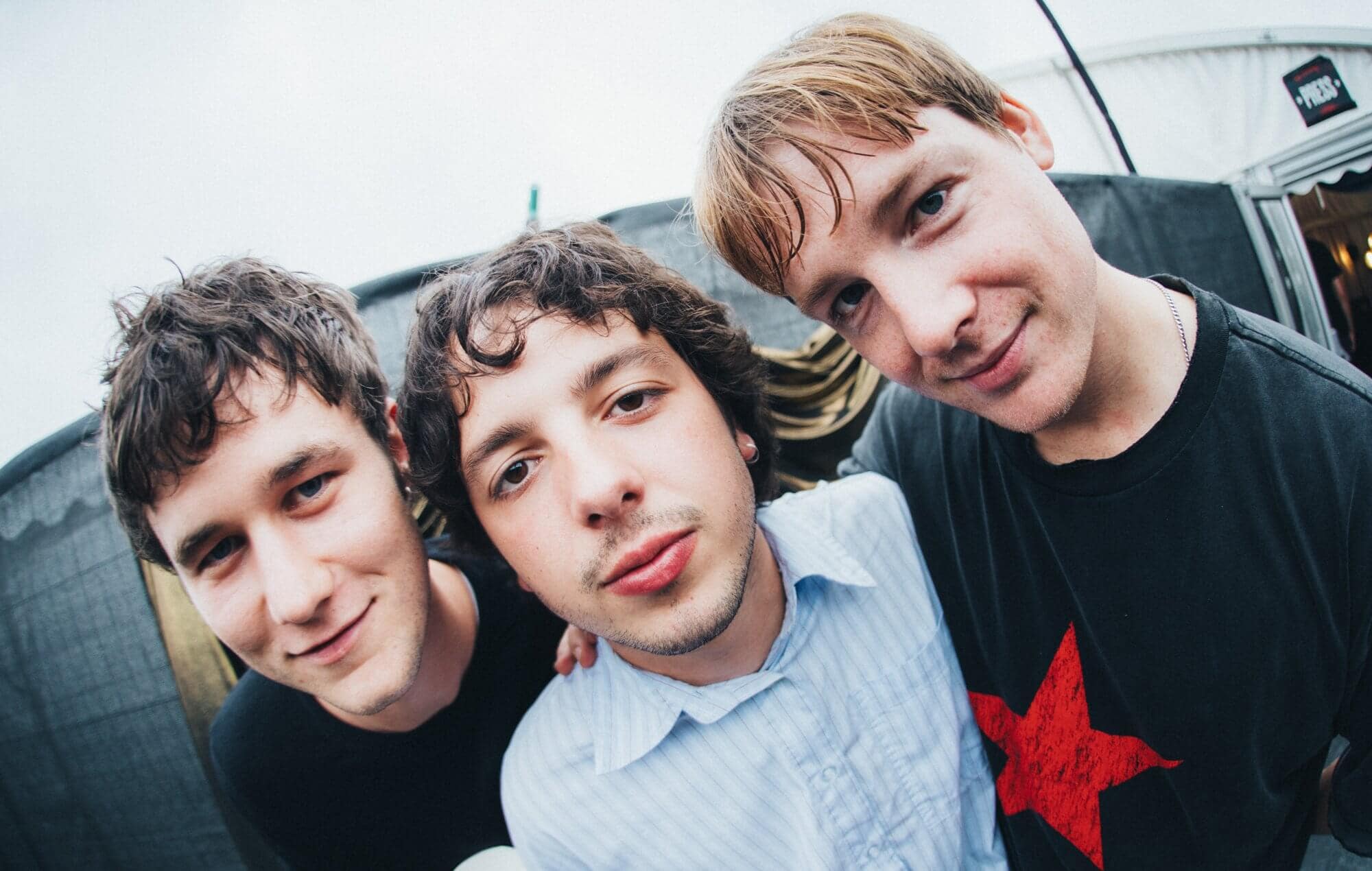
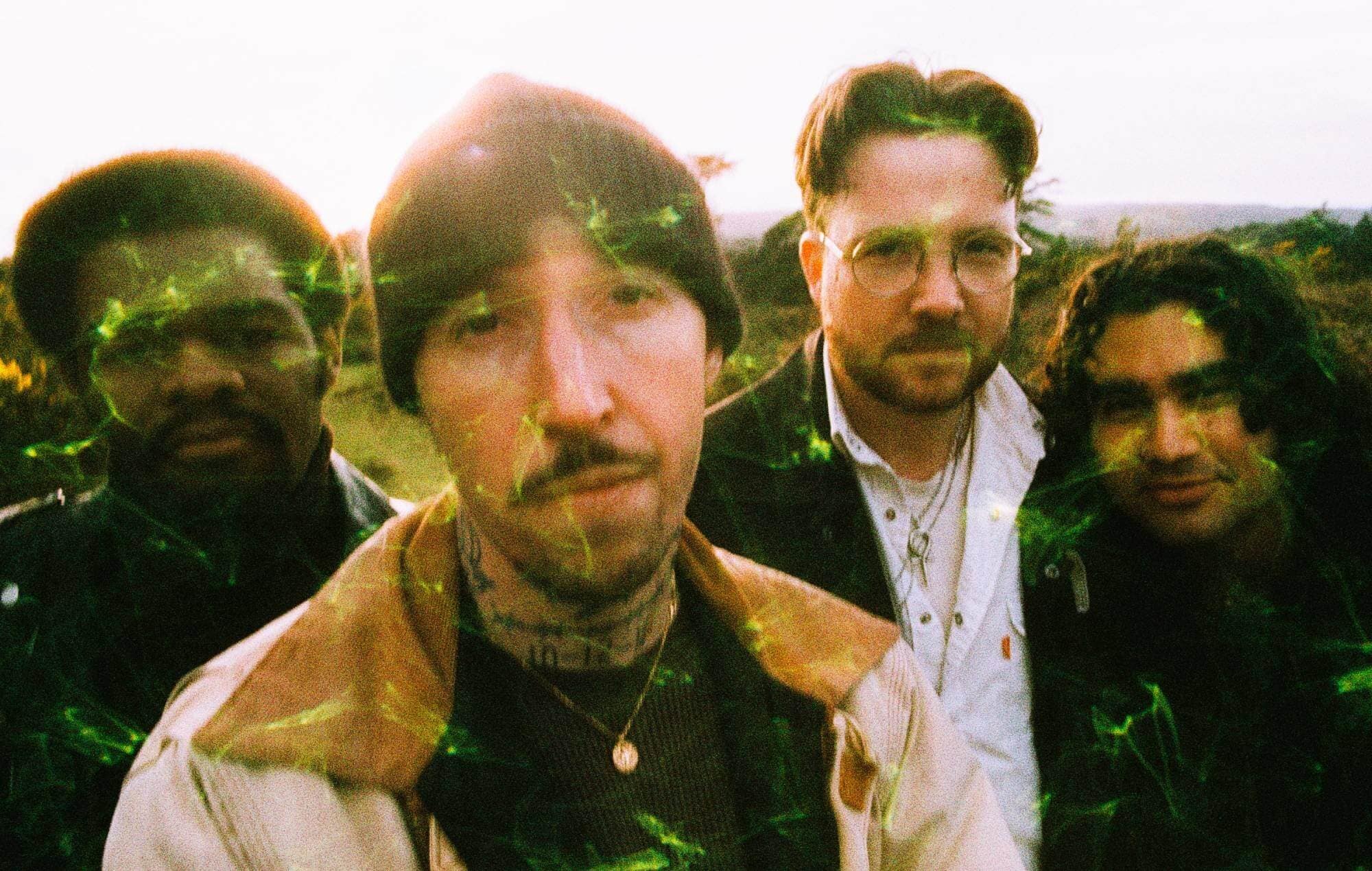
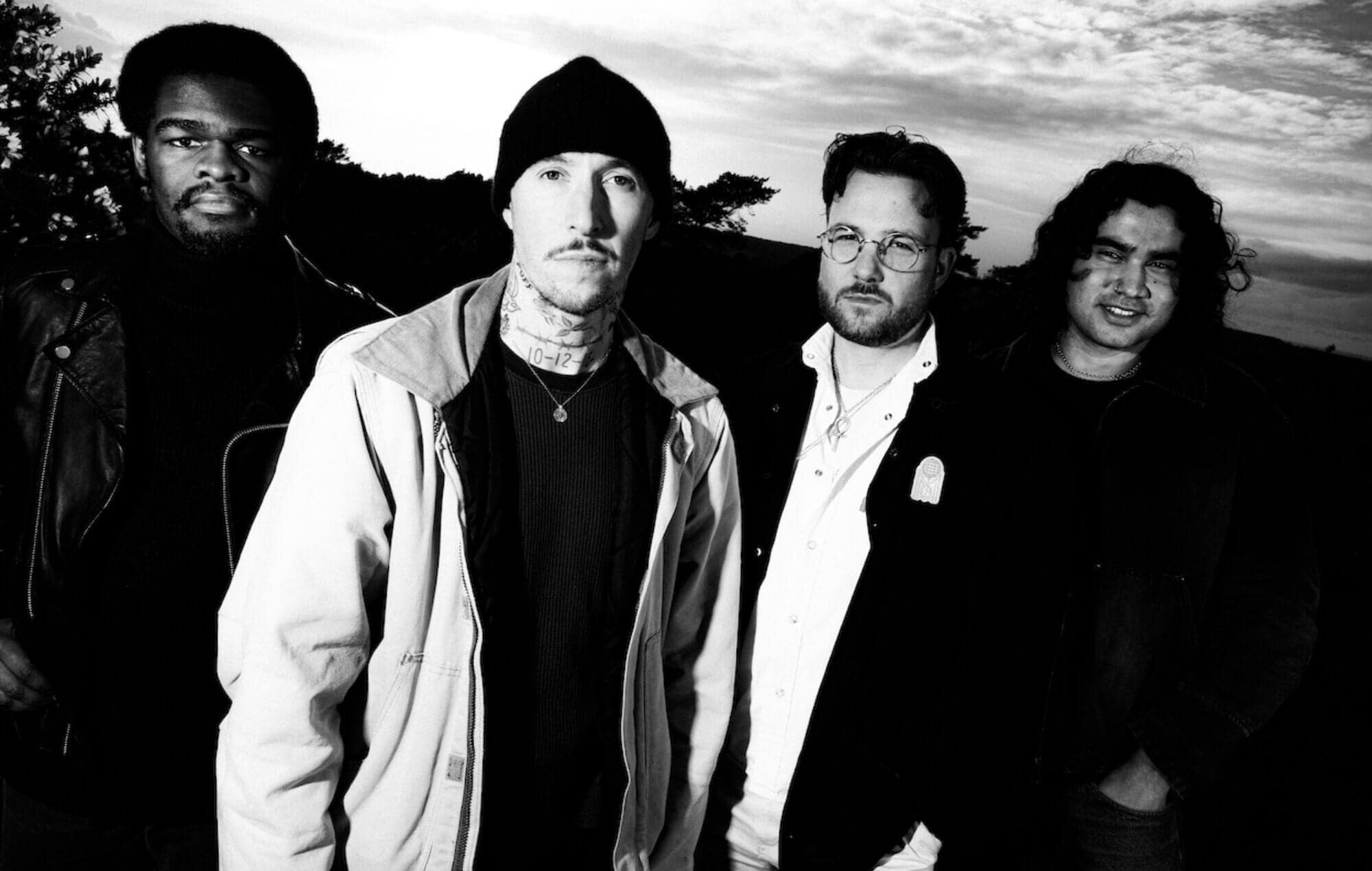
That conversation eventually led to Big Truck, completed by guitarist Asa Thallon and keyboardist Justin Myles. Together, the four musicians shaped Vincent’s demos into Midday At The Middleway, an adventurous debut that blends indie, punk, jazz, soul, metal, and R&B. Along the way, the record brushes against the atmosphere of The Cure, The Smiths, Pixies, and The War on Drugs without settling comfortably inside any one genre.
“This is a melting point of influences, different backgrounds and styles. It shouldn’t work, but it does. That’s the beauty of being in a band.”
— Laurie Vincent
The Confidence Behind Big Truck
The album’s sense of purpose grew from Vincent’s expanded role during the making of Heavy Jelly. Rather than simply contributing within Soft Play’s established formula, he became more deeply involved in the structure and pre-production of the songs.
Earlier Soft Play records, he explained, often followed a straightforward “verse, chorus, verse, chorus” shape. On Heavy Jelly, he began working through arrangements more carefully, questioning what each section needed and staying with ideas until they developed. That process unlocked a new creative muscle.
With the confidence he gained, Vincent began wondering how far he could take his songwriting. He had always wanted to try life as a frontman, but the opportunity wasn’t going to arrive by itself. Eventually, he realized he had to create it.
That leap is central to Big Truck. Vincent isn’t hiding behind the role he knows. He’s walking directly into the spotlight, even when the floor feels a little slippery.
Learning to Be a Frontman
Vincent says one of the most important decisions Big Truck made was playing gigs before recording the album. The band practiced, performed, played festivals, and treated itself like a functioning live group from the beginning.
That approach stood in contrast to projects created mainly in the studio and only brought to the stage afterward. For Big Truck, the chemistry had to happen in real time—with sweaty rooms, imperfect performances, and all the little mistakes that eventually become muscle memory.
The first shows weren’t flawless. Vincent is refreshingly honest about that. Some gigs were “ropey,” and the band had plenty to work through. But a year of playing together gave them the confidence that no rehearsal-room fantasy could provide.
By the time Midday At The Middleway arrived, Vincent felt ready. He knew the songs, understood the band’s chemistry, and had earned the right to say, “I can do this.”
That confidence was surprising even to him. Vincent had long assigned himself to the sideman role, assuming there was a ceiling on what he could contribute. He was proud of everything he had achieved with Soft Play, but Big Truck showed him that the ceiling had been self-imposed.
Finding the Words
The transition from guitarist and band member to frontman also meant facing the intimidating business of lyrics. Vincent has always been fascinated by words, partly because they once seemed distant and difficult to reach.
Big Truck changed that relationship. He began treating every idea as valid, even the strange ones, even the ones that initially seemed destined for the bin. Sometimes songwriting is less like receiving a lightning bolt and more like clearing a blocked pipe. You make something—anything—to get the flow moving again.
That freedom led to one of the album’s most unexpected moments: a spoken-word interlude. Vincent isn’t entirely sure how the song came together, but audiences have consistently singled it out after live performances. For him, it represents an artistic stretch into poetry, visual thinking, and a form of expression he once believed was beyond his reach.
The project has also allowed his personal life to enter the work. Fatherhood, therapy, sobriety, major trauma, and the gradual process of becoming more comfortable as an adult all filter into the record.
In Soft Play, Vincent sometimes feels as though he’s “cosplaying” his 18-year-old self. The physical demands of that band—high kicks included—can feel tied to expectations about what Soft Play is supposed to be. Big Truck offers something different: comfort, maturity, and the feeling that the music sounds more like the person he is now.
“People say to me, ‘This actually sounds like the person I know’.”
— Laurie Vincent
A Band Built From Contrasts
Big Truck’s music began with a simple rule: no idea was automatically invalid. Vincent wanted to explore without worrying whether a song fit the expectations attached to a heavier band.
That genre freedom became even more powerful once the four members brought their own musical instincts into the room. Coppin introduced Vincent to jazz. Thallon’s metal background shaped the guitar work. Myles brought a love of soul and R&B. Vincent wrote the songs, but the finished performances became a true group effort.
The result is deliberately difficult to pin down. The songs may begin with one influence and veer into another, but the performances hold together because each musician contributes a distinct color. It’s less a collage of disconnected sounds than a melting pot that has somehow learned to simmer.
Vincent describes the album as distinctly British, though its roots are also tied to an art-school sensibility. Like the best genre-defying records, it’s angular, visually minded, and bigger than its individual songs. The band’s artwork and identity matter as much as the arrangements.
He also points to The Beatles as a major inspiration—not because Big Truck sounds like them, but because they refused to stay in one creative location. Their music could be intimate, experimental, playful, grand, or melancholy. Vincent wants Big Truck to have that same technicolor quality.
Light, Darkness, and the Middle Way
For Vincent, the album’s lyrics often return to the tension between joy and suffering. He wrestled with the question of how to write about struggle while acknowledging that his own experiences might not resemble those of people facing harsher circumstances.
Rather than forcing an answer, he turned toward connection. In a world that often seems determined to divide people, love and shared humanity can become surprisingly radical subjects.
That idea runs through Midday At The Middleway. The record is concerned with the light and the dark existing side by side. Joy doesn’t erase pain, and pain doesn’t cancel joy. The two are connected, like opposite ends of the same thread.
“Surf The Suffering” explores Vincent’s attempt to find peace with the uglier parts of life. He describes moving through a hedonistic period, years of sobriety, and eventually a more complicated middle ground. Total restraint can feel like its own kind of chain, while excess carries consequences that still have to be faced.
The Buddhist idea of a middle way offered him a useful framework: acknowledge temptation, accept what follows, learn from the experience, and continue moving. It isn’t perfection. It’s an honest attempt at balance.

From Anger to Gratitude
Buddhism has also influenced Vincent’s understanding of meditation and gratitude. Meditation, as he describes it, creates a centered space where the mind can remain present instead of being pulled in every direction.
Another important principle is wishing for everyone’s happiness. Vincent says that perspective has become more useful to him than simply feeding anger. For years, anger was his main fuel—being frustrated with everyone and everything. It worked, especially in a loud punk band, but eventually that energy began to twist into something less helpful.
Big Truck doesn’t pretend frustration has disappeared. Instead, the band gives that energy somewhere to go. The songs wrestle with resentment, responsibility, family, ambition, and the compromises required to live a creative life.
The album’s title reflects this thinking. The middle way isn’t a neat destination where every problem vanishes. It’s the ongoing work of balancing conflicting truths without allowing one side to swallow the other.
Doing It the Old-School Way
Big Truck has embraced a traditional model of being a band. The group signed with Marshall Records, used the company’s studio, built its live chemistry, and focused on friendship as a foundation.
It may sound old-fashioned, but that simplicity has helped. Rather than treating the band as a branding exercise, the members are concentrating on making music together and allowing the identity to grow from that work.
Vincent is thoughtful about the pressure facing new artists today. Social media can offer useful tools, but the desire to be constantly visible can sometimes overshadow the art itself. He’s seen acts develop the look, attitude, and online following before they have much music to support it.
His position isn’t anti-social media. Artists have to use the tools available to them. But the music should remain at the center. Build the art first, then use platforms such as TikTok to help people find it.
He even sees the rise of artificial intelligence as a possible opportunity. As synthetic content becomes more common, audiences may begin craving something unmistakably human. The noise, in other words, could make genuine expression easier to recognize.
Big Truck Is No Side Project
Launching the band has clarified the responsibility Vincent carries. The way he treats Big Truck will influence how seriously others take it, and he knows that returning immediately to a Soft Play campaign could make people assume he had lost interest.
That isn’t the plan. Vincent has already written the second Big Truck album, with recording scheduled for November. He hopes to begin that campaign while the band is heading out on its next headline tour.
There’s a certain competitive spark in proving doubters wrong, and Vincent admits that it gives him extra fire. The project is no casual detour; it has become a new creative priority.
The band’s rapid progress reminds Vincent of Soft Play’s early milestones, including playing to a small crowd in Islington and hearing people sing the songs back. Those moments became markers of growth—not abstract industry achievements, but real human connections happening in a room.
Big Truck is already experiencing those milestones quickly. As the audience expands, so do the expectations. Vincent believes the band has a broader sonic appeal than Soft Play because its music isn’t as intensely heavy, but he’s also realistic about what ambition demands: dreams only become real through sustained effort.
What Happens to Soft Play?
Soft Play isn’t necessarily finished. There is a partially completed record, and Vincent believes it may be the best album the duo has made. Yet finishing it has become complicated after so many years of doing the same thing.
His role in Soft Play has traditionally felt more like that of a sideman, and returning to that position after stepping forward with Big Truck could be difficult. He isn’t drawn to dramatic breakups, but he believes hiatuses can be healthy. People need time away, and bands are made of people before they’re made of songs.
There’s no immediate rush to create new Soft Play material, though Vincent refuses to close the door permanently. His relationship with Holman has even improved outside the pressure of working constantly as Soft Play.
Practical realities also weigh on the decision. Vincent says Soft Play operates at break-even or below for most of its activity, with only a small portion of the year generating strong returns. Touring Europe or America while losing money can feel difficult to justify, especially when family and other real-life responsibilities are part of the equation.
That tension doesn’t erase the band’s achievements. It simply makes the future more complicated than nostalgia might suggest.
A Hopeful Future for Bands
Despite the challenges, Vincent feels optimistic about the current moment for guitar music and new bands. He points to Geese, Wet Leg, Big Thief, and Wolf Alice as signs that exciting, adventurous work is still finding an audience.
There’s plenty of negativity surrounding the music business, especially when artists are expected to be creators, marketers, content producers, and entrepreneurs all at once. Still, Vincent’s enthusiasm comes from the possibilities. The heart of it remains unchanged: gather some friends, make something honest, and see where it takes you.
Midday At The Middleway is out now through Marshall Records. Vincent is also hosting an art show connected to the album at Whistleblower Gallery in Brighton from September 4–19.
Big Truck’s listed upcoming dates include:
- September 3 — Brighton, Resident
- September 16 — Hamburg, Reeperbahn Festival
- October 17 — Manchester, Neighbourhood Festival
Big Truck feels like Laurie Vincent reclaiming the freedom of being new: no old template, no fixed genre, and no need to pretend he’s still 18. Which part of Midday At The Middleway would you want to hear first in a packed, slightly sticky club?
FAQ
- What is Big Truck? Big Truck is Laurie Vincent’s new band, formed with drummer Sam Coppin, guitarist Asa Thallon, and keyboardist Justin Myles.
- What is the band’s debut album called? The debut album is titled Midday At The Middleway, released through Marshall Records.
- How does Big Truck differ from Soft Play? Big Truck explores a wider blend of indie, punk, jazz, soul, metal, and R&B, offering Vincent a more comfortable and personal creative setting.
- What themes appear on Midday At The Middleway? The album examines balance, suffering, joy, family, gratitude, sobriety, personal growth, and the coexistence of light and darkness.
- Is Laurie Vincent leaving Soft Play permanently? A Soft Play record is reportedly half finished, but Vincent isn’t rushing back to the project and remains open to a future return.
 | DISCOUNTGET 30% OFF*Use code on your next order:
|
* This post may contain affiliate links, meaning we earn a commission if you make a purchase through these links, at no additional cost to you.