DMA’S Self-Titled Album: How Country Roots Meet Britpop Spirit



DMA’S Self-Titled Album: How Country Roots Meet Britpop Spirit
DMA’S return to their early DIY energy on a self-titled fifth album shaped by country songwriting, British guitar music, self-production, and a renewed trust in instinct.
DMA’S country and Britpop connection comes full circle on their self-titled fifth record, blending DIY energy, Australian identity, and hard-won creative confidence.
A Homecoming Disguised as a New Beginning
Some albums feel like a fresh start. Others feel like finding an old jacket in the back of the closet and realizing it still fits perfectly. DMA’S’ self-titled fifth record lands somewhere between the two: a return to instinct, melody, and the wonderfully scruffy spirit that first pulled listeners toward the Sydney trio.
Guitarist Matt Mason has described the album as a deliberate journey back toward the mood of the band’s 2016 debut, Hill’s End. That does not mean pretending to be in their early twenties again—Mason is very clear that he has no interest in repeating that particular chapter—but it does mean reconnecting with the creative freedom of those early days.
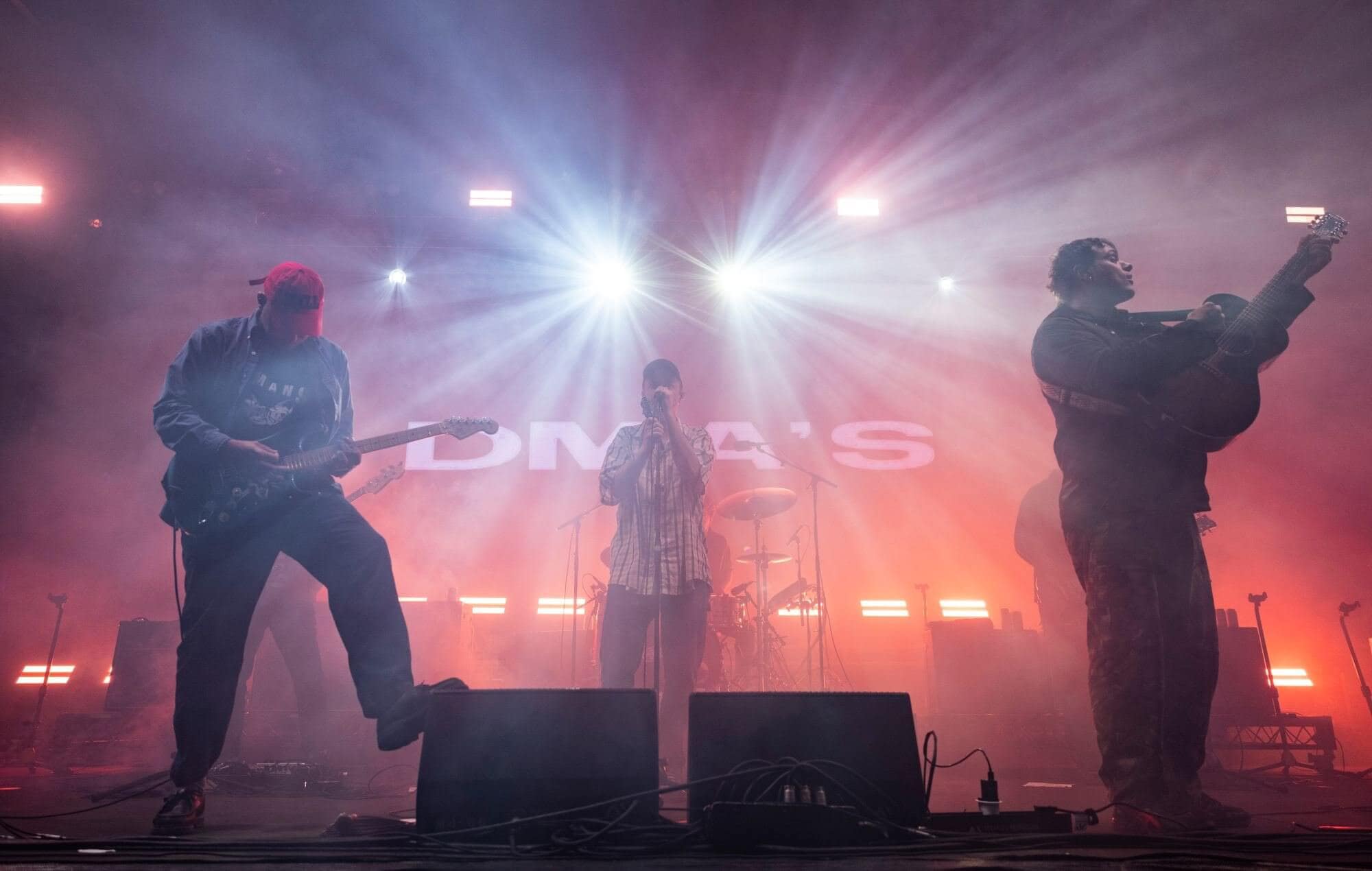
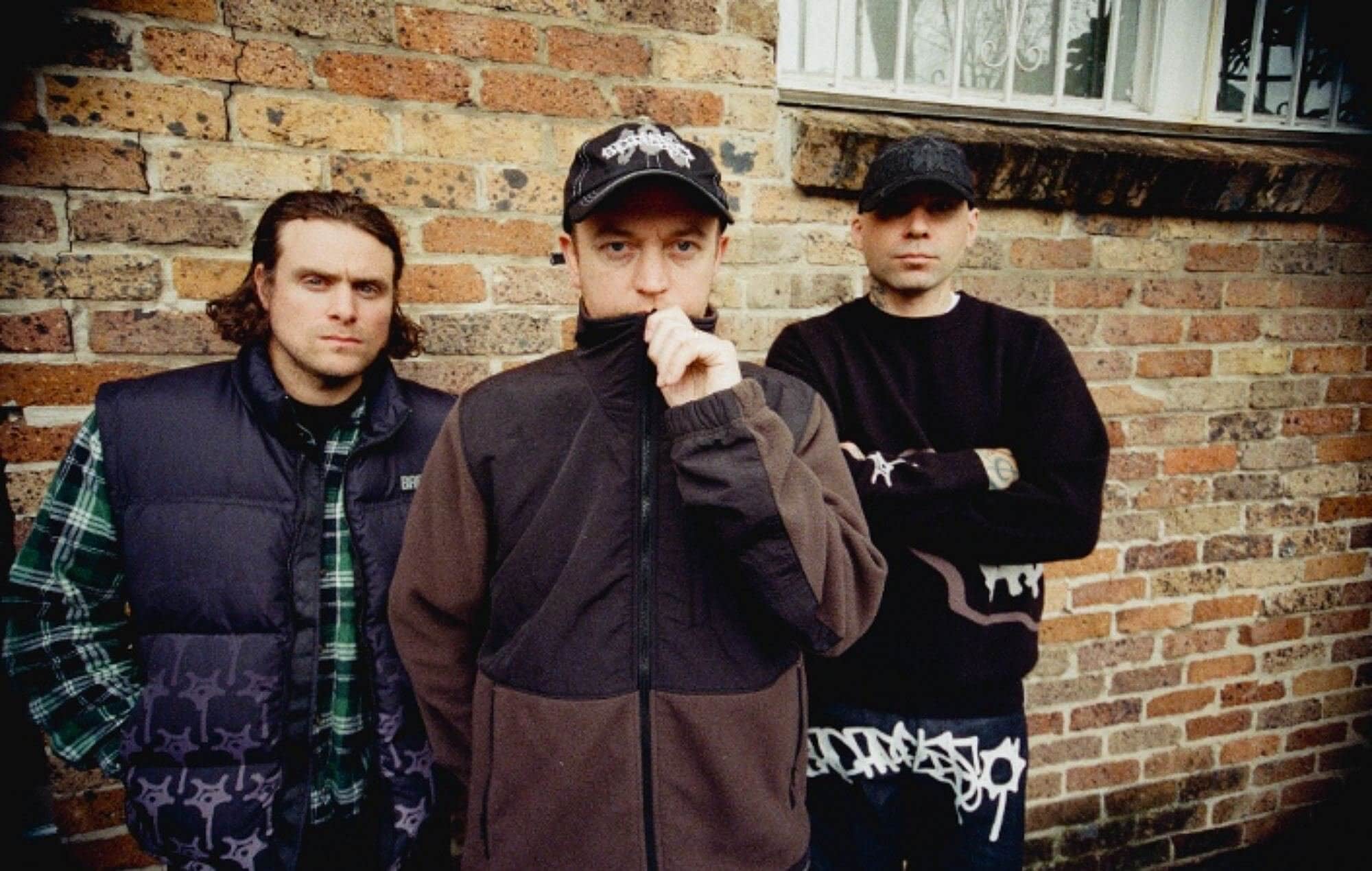
DMA’S, completed by vocalist Tommy O’Dell and guitarist Johnny Took, released the album on August 21. It became their third consecutive UK Top 10 album, arriving after a 10th-anniversary tour celebrating Hill’s End. That run included two nights at London’s O2 Academy Brixton and two nights at Manchester’s O2 Victoria Warehouse. Not a bad way to revisit your beginnings.
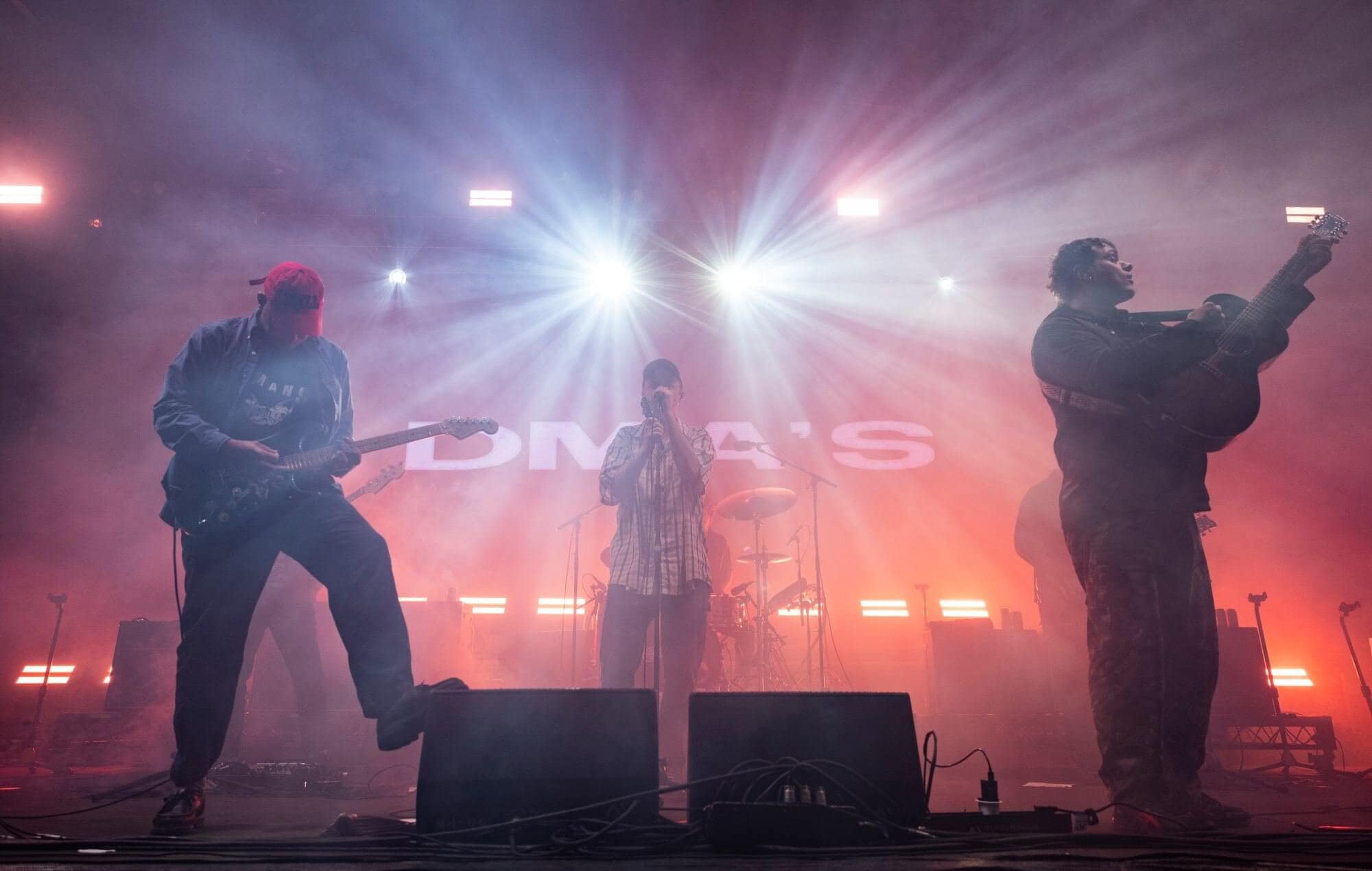
The Beauty of Leaving Things Alone
The album’s central idea was refreshingly simple: stop fussing.
As musicians mature, they often become more aware of every rough edge, stray sound, and slightly crooked detail. That experience can sharpen a record, of course, but it can also sand away the very character that made the music exciting in the first place. For Mason, making DMA’S meant pushing back against that instinct to over-correct.
“You start to pick things apart more as you mature as an artist and I don’t think that’s always a good thing. So [it was about] putting ourselves back in the headspace where we weren’t doing that and we weren’t trying to perfect things.”
That philosophy even carried into the vocals. Several performances on the album began as demos, and the band decided to keep them when re-recording threatened to drain away their original feeling. It is the musical equivalent of catching lightning in a jar and then wisely deciding not to open it.
Mason admitted that he can be “a bit too neurotic” to fully surrender control, but the group still worked hard to avoid analyzing every note into oblivion. The result, at least in his telling, is an album that values emotional momentum over technical tidiness.
“Heatin Park” and the Joke That Stuck
One of the album’s lead singles, “Heatin Park,” began with a joke that should probably have disappeared into the studio notebook. Instead, it survived long enough to become a song title.
The track was co-written with Jimmy Somewhere and Milo Orchis, who noticed a resemblance to the sound of a well-known nu-metal act. Mason found the comparison unexpected, so he created the temporary title “Heatin Park,” blending that band’s name with Manchester’s Heaton Park.
The title was meant to be replaced. Naturally, that made it more difficult to replace.
Mason recalled that the band had played with Liam Gallagher at Heaton Park and shared a bill with the Courteeners. At one point, they agreed the working title was ridiculous and needed to go. But, as happens with temporary names in studios everywhere, the silly option began to feel oddly permanent.
“We sat down and said, ‘We need to rename that because it’s ridiculous’. But then things grow on you…”
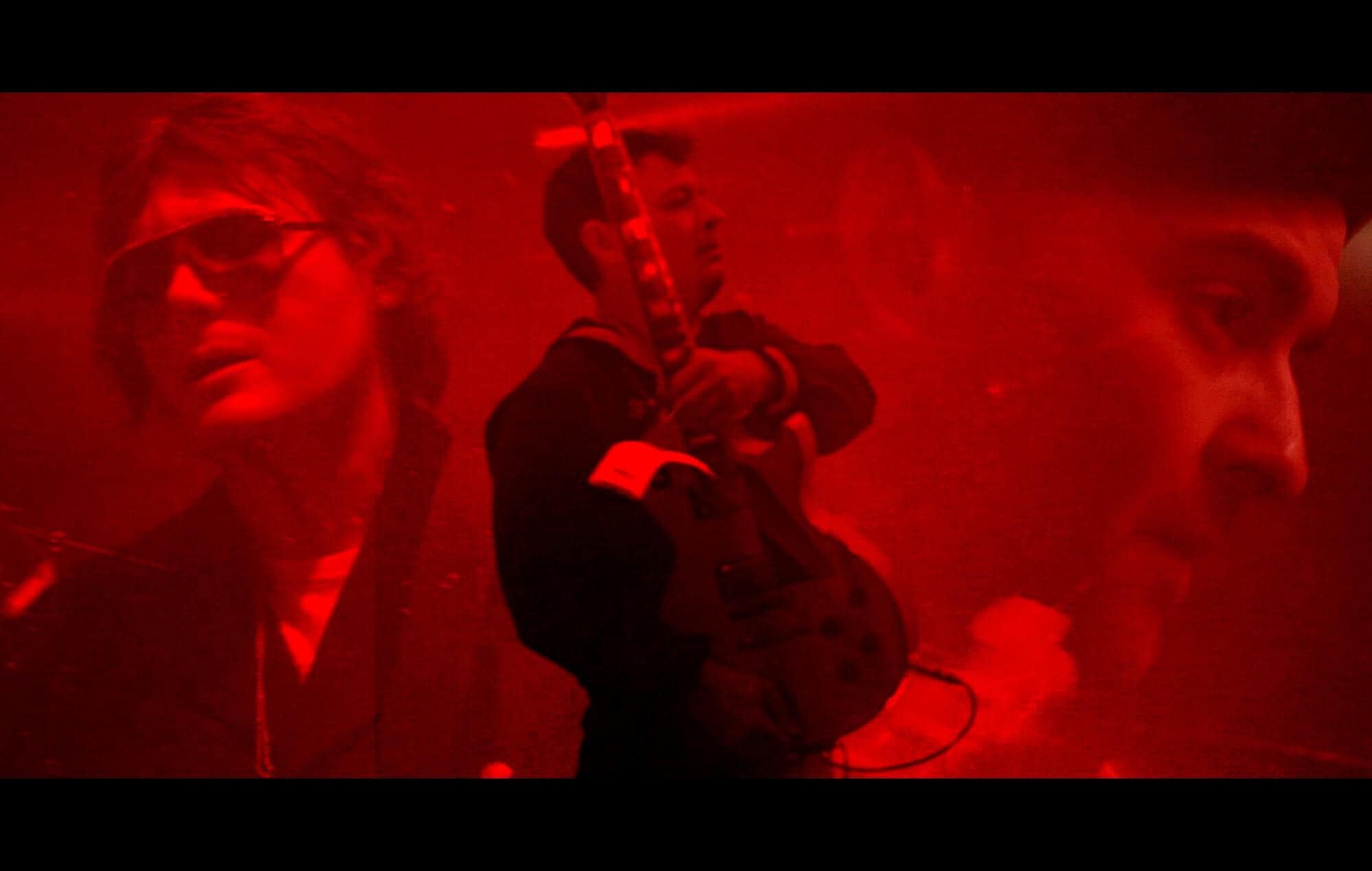
The song’s official video captures that irreverent streak while showing how DMA’S can fold humor into a record that otherwise deals in nostalgia, identity, and creative rediscovery.
A Spiritual Home Across the Water
Mason spoke about the band’s UK visit from Manchester venue The Yard during their out-store tour. Although DMA’S formed in Sydney, the UK has become something like a second home—a place where the group’s music has developed a particularly strong emotional connection.
Releasing an album can feel oddly abstract. You put songs into the world, read reactions, and listen to people interpret the record, but you do not always know what the music truly means to an audience until you stand in front of that audience. Taking DMA’S on the road gave the band a chance to feel that response in real time.
For Mason, the UK carries a “spiritual home” quality. That is a striking phrase for a musician from the other side of the world, but it makes sense when you consider the band’s long relationship with British guitar music and the crowds who embraced them early on.
Bird-Watching, Jet Lag, and Bin Chickens
Mason’s favorite UK ritual is not a famous pub, a landmark, or a record shop. It is bird-watching.
After waking at 1 a.m. because of jet lag, he planned to head out as soon as daylight arrived for a walk and a little wildlife spotting. He had already seen an eagle-like kite bird, which meant one more item could be crossed off his personal birding list.
That fondness for birds also appears in the story behind “El Alamein.” The title refers to a town in Egypt associated with major World War II battles, but the song’s more immediate inspiration came from Sydney’s King’s Cross. Mason lived there for a time, near the El Alamein Fountain.
The song imagines different lives and different kinds of conflict unfolding around that landmark. Its opening verse considers a man involved in the historical battle, while the song later shifts toward someone walking past the fountain and facing personal struggles of his own. Generations change, the world moves forward, and the fountain remains—a fixed point surrounded by shifting human stories.
Then there are the birds.
Australia’s ibis are affectionately known as “bin chickens,” and DMA’S use them in their logo and merchandise. Mason explained that the birds gather around the fountain, turning the location into something that is both historically resonant and unmistakably local.
The Bird That Terrified a Visitor
Mason’s description of bin chickens is vivid enough to make them sound like urban dinosaurs. He compared them to pterodactyls and imagined what would happen if a rooster wandered through central London, casually stealing sandwiches from unsuspecting pedestrians.
He also remembered seeing an Irish visitor sit down in a park after arriving in Australia. One of the birds crept toward him, prompting an immediate scream. The ibis may technically be a bird, but it apparently carries itself with the confidence of a creature that owns the sidewalk.
That story adds a wink of Australian personality to the album’s world. DMA’S’ music has often been discussed through the lens of British influence, but details like these underline the band’s own sense of place. Beneath the ringing guitars and familiar melodic shapes, there is still Sydney: its fountains, its strange wildlife, and its wonderfully chaotic city life.
Self-Producing After Years of Learning
The self-titled record also marks an important shift behind the scenes. For the first time, DMA’S self-produced an album, a move Mason connected to the lessons they had absorbed from working with experienced collaborators.
The band had worked with producer Stuart Price on their previous two records. Mason remembered him as inspiring, generous, and open to sharing his knowledge. He also described Price as a remarkable musical talent, noting that Price had served as Madonna’s musical director at just 23 years old.
After nearly a decade as a band, DMA’S had gathered enough experience to trust their own instincts. They knew more clearly what they wanted, and they had become more particular about how to achieve it. Sometimes, Mason suggested, the best way to make a record is simply to take responsibility for every decision yourself.
There was another reason for the self-titled approach, too: naming albums is hard. After wrestling with that problem, the band essentially decided to stop overthinking it. DMA’S became the title because it felt direct, honest, and appropriately uncomplicated.
Oasis, Shared Moments, and the Power of Music
“Heatin Park” also connects with one of the band’s most memorable recent concert experiences. While DMA’S were playing with Catfish And The Bottlemen in London, Oasis were performing in the same city on the same night.
After finishing their own show, the musicians went to see Oasis. Mason described the experience as amazing, unforgettable, and almost spiritual. More than a concert, it felt like a shared cultural moment—one that brought people together across age groups and musical loyalties.
That sense of collective feeling is something Mason believes music can still create better than almost anything else. A reunion, a song, or a single night in a crowd can suddenly make a large audience feel like one group of people again. For a band whose own sound has been connected to British guitar traditions, being present for that moment must have felt especially meaningful.
Why Country and Britpop Actually Connect
DMA’S have long been compared with British artists, a point Mason once found frustrating because he had not necessarily heard many of the musicians being mentioned. His own musical background was rooted heavily in country music.
That background may explain more about DMA’S than the guitarist initially realized. Mason sees clear similarities between country and Britpop in their chord progressions, tempos, melodies, and guitar tones. In his view, the divide between the two styles is not as wide as it might appear from the outside.
He would write country songs, then Tommy O’Dell would sing them. O’Dell’s father is from Liverpool, and he grew up listening to British music. The combination of Mason’s songwriting instincts and O’Dell’s vocal background helped shape the band’s early sound.
“There are a lot of vocal takes on the album that are just the demos. We would go back to re-record them and it would just completely kill the vibe.”
Mason’s theory is wonderfully easy to test: take a country song and sing it with a British accent, or take a Britpop song and change the vocal delivery. The transformation, he insists, works more often than people might expect.
It sounds strange until you think about it. Both styles can lean on memorable melodies, open-hearted storytelling, familiar chord patterns, and guitars that feel lived-in rather than overly polished. One wears boots; the other wears parkas. But musically, they may be cousins who keep bumping into each other at family gatherings.
What Comes Next for DMA’S
After Australian festival appearances and headline dates throughout the rest of 2026, DMA’S are scheduled to return to the UK in early 2027 for a full tour supporting the self-titled album.
The run is set to begin at Brighton’s Chalk on January 29 and finish at The Academy in Dublin on February 20. For longtime fans, the tour should offer a chance to hear the new album alongside the songs that first built the band’s following. For newer listeners, it may be the perfect introduction to a group that has learned how to evolve without abandoning its original spark.
Conclusion
DMA’S’ self-titled album sounds like a band looking backward without getting trapped in the past. By combining the looseness of Hill’s End, the confidence of a mature group, and Matt Mason’s unexpected country-to-Britpop theory, the trio has made a record that feels both familiar and newly personal. Which song from the album best captures that balance for you?
FAQ
- What is DMA’S’ self-titled album about? The album revisits the band’s early DIY energy while reflecting their growth as musicians, songwriters, and self-producers.
- Why is the song called “Heatin Park”? The title began as a joke combining a nu-metal comparison with Manchester’s Heaton Park, where DMA’S had performed with Liam Gallagher and the Courteeners.
- What inspired “El Alamein”? The song was inspired by the El Alamein Fountain in Sydney’s King’s Cross. Its story connects historical conflict with the personal struggles of someone walking past the fountain generations later.
- What does Matt Mason listen to outside DMA’S? Mason said he listens to film compositions, black metal, and hardcore, rather than regularly listening to the kind of indie music DMA’S make.
- When will DMA’S tour the UK again? The band is scheduled to return for a UK and Ireland tour beginning January 29, 2027, at Brighton’s Chalk and ending February 20 at The Academy in Dublin.
If DMA’S’ mix of ringing guitars, heartfelt melodies, and cross-continental nostalgia has a place in your music collection, browse our favorite album cover posters and bring that feeling home.
 | DISCOUNTGET 30% OFF*Use code on your next order:
|
* This post may contain affiliate links, meaning we earn a commission if you make a purchase through these links, at no additional cost to you.