Manic Street Preachers Announce The Holy Bible Live Album and Film


Manic Street Preachers Announce The Holy Bible Live Album and Film
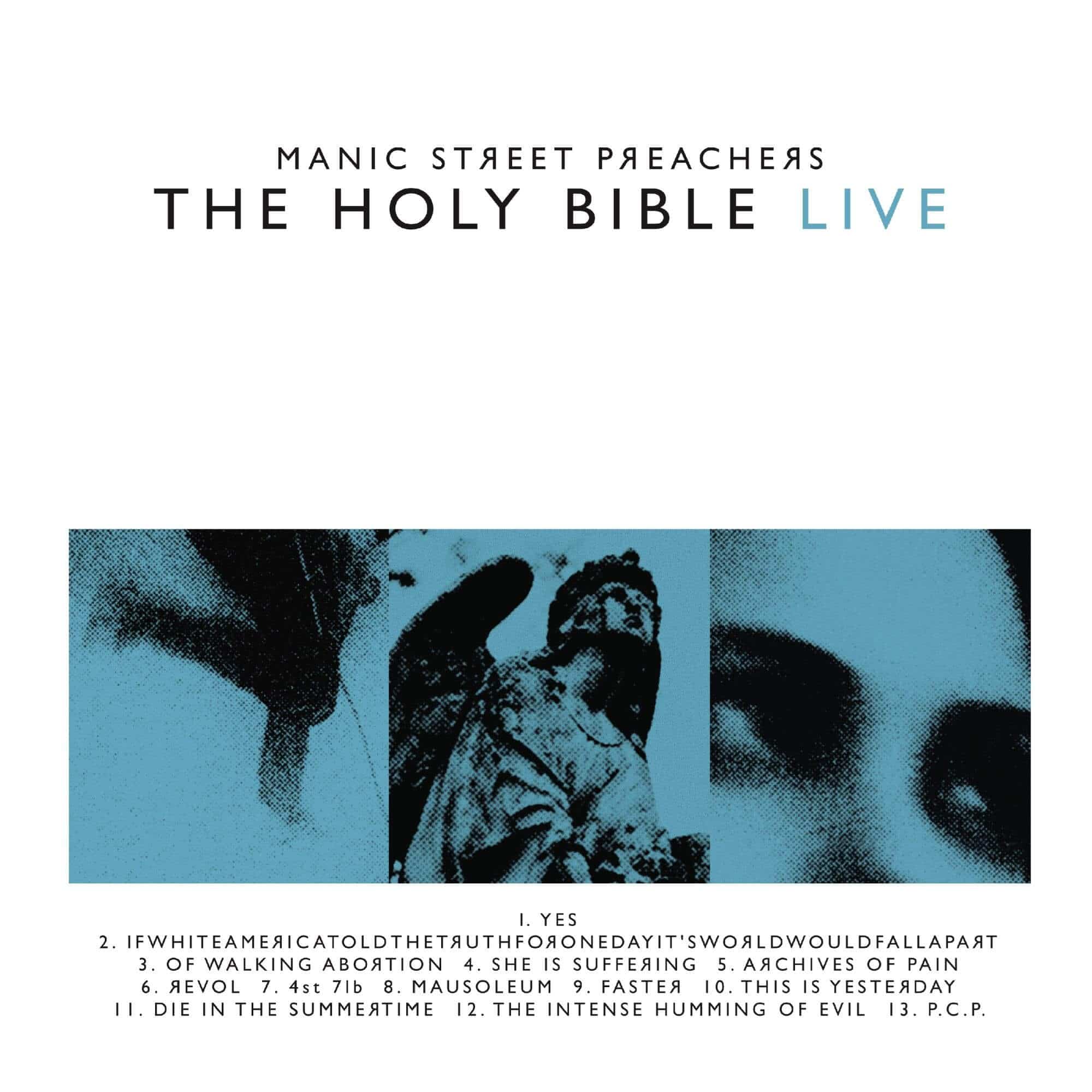
The Holy Bible Live brings Manic Street Preachers’ fierce 2014 performances, a long-awaited concert film, and a new spatial audio mix together.
Some albums age gracefully. Others keep staring you down from the record shelf, daring you to press play. Manic Street Preachers’ The Holy Bible belongs firmly in the second category—and now its live incarnation is getting the full deluxe treatment.
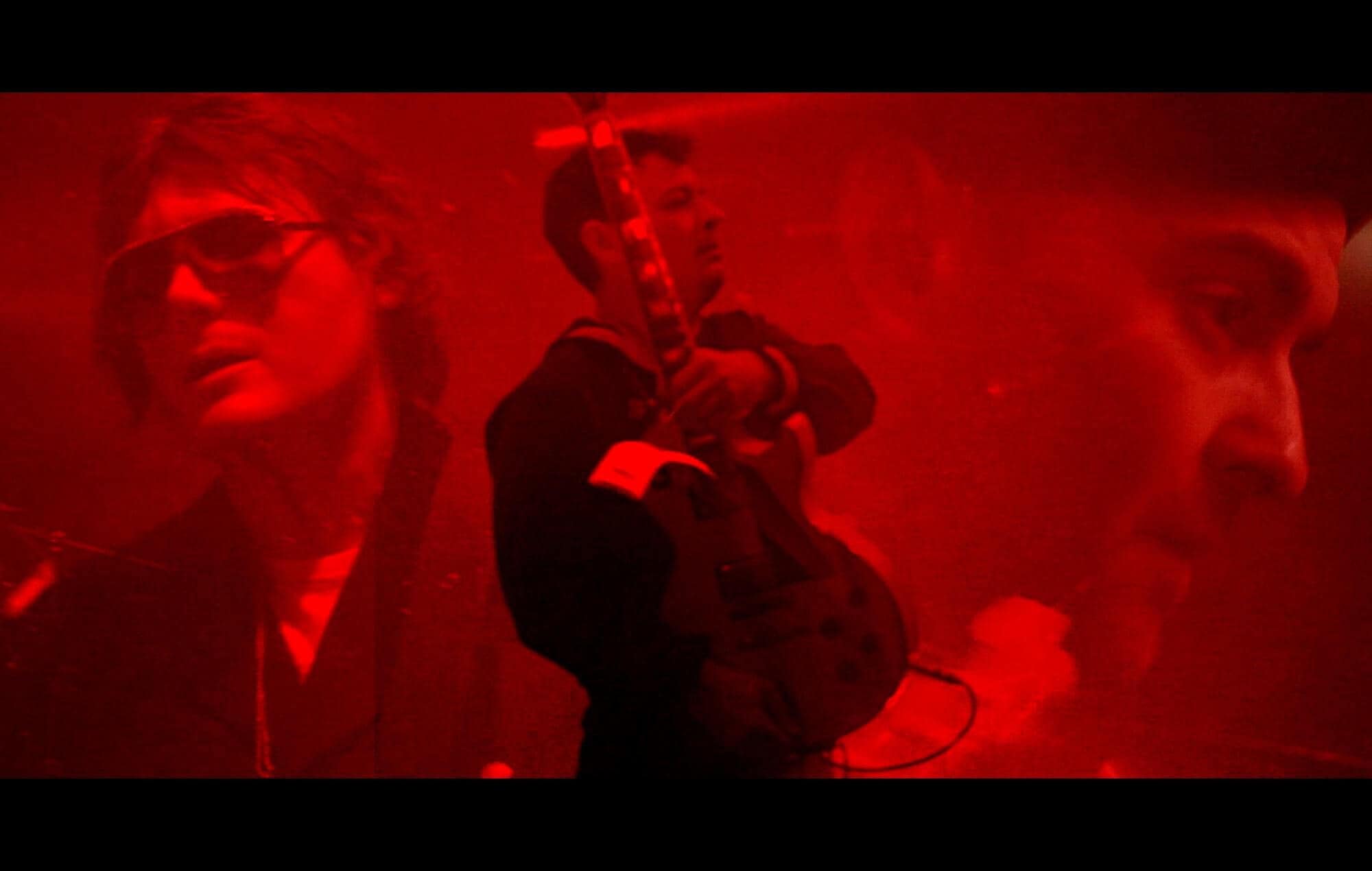
The Welsh rock icons have announced The Holy Bible Live, a new live album built around their intense performances of the 1994 classic. The release will also include Kieran Evans’ long-awaited concert film, Be Pure, Be Vigilant, Behave, plus a new spatial audio remix of the original album created by Steven Wilson.
The live release is planned across several formats, including a two-record 12-inch edition, a three-CD deluxe set, blue-marble vinyl, a CD and video Blu-ray package, and digital platforms. The announcement lists October 23 as the release date, while the closing tour information refers to October 24.
The package captures three performances recorded at London’s Roundhouse, a venue selected because its shape reminded the band of the now-demolished Astoria. That earlier venue hosted the Manics’ final shows with guitarist and lyricist Richey Edwards before his disappearance in 1995. Edwards was officially declared dead in 2008 so his family could settle his affairs.
The Album That Still Feels Dangerous
That history hangs over every note. The Holy Bible was never a comfortable listen, and Wire still describes it as a record capable of unsettling even the people who made it.
“The Holy Bible is a record that still sort of scares me at times as an investigation of the soul.”
— Nicky Wire
The album’s subject matter moves through the Holocaust, eating disorders, prostitution of the self, human cruelty, and Edwards’ deteriorating mental health. Those themes aren’t treated as distant historical material; they feel immediate, jagged, and uncomfortably close. The original performances carried that same severity, with the band appearing in military-style clothing and playing as if every song were a test of endurance.
Wire says the new live album also functions as a tribute to Edwards. At the time, the band had released three albums in three years, while Edwards’ lyrics continued to cast a long shadow over what followed, including Everything Must Go. Hearing those words performed again three decades later gave Wire a particularly powerful feeling.
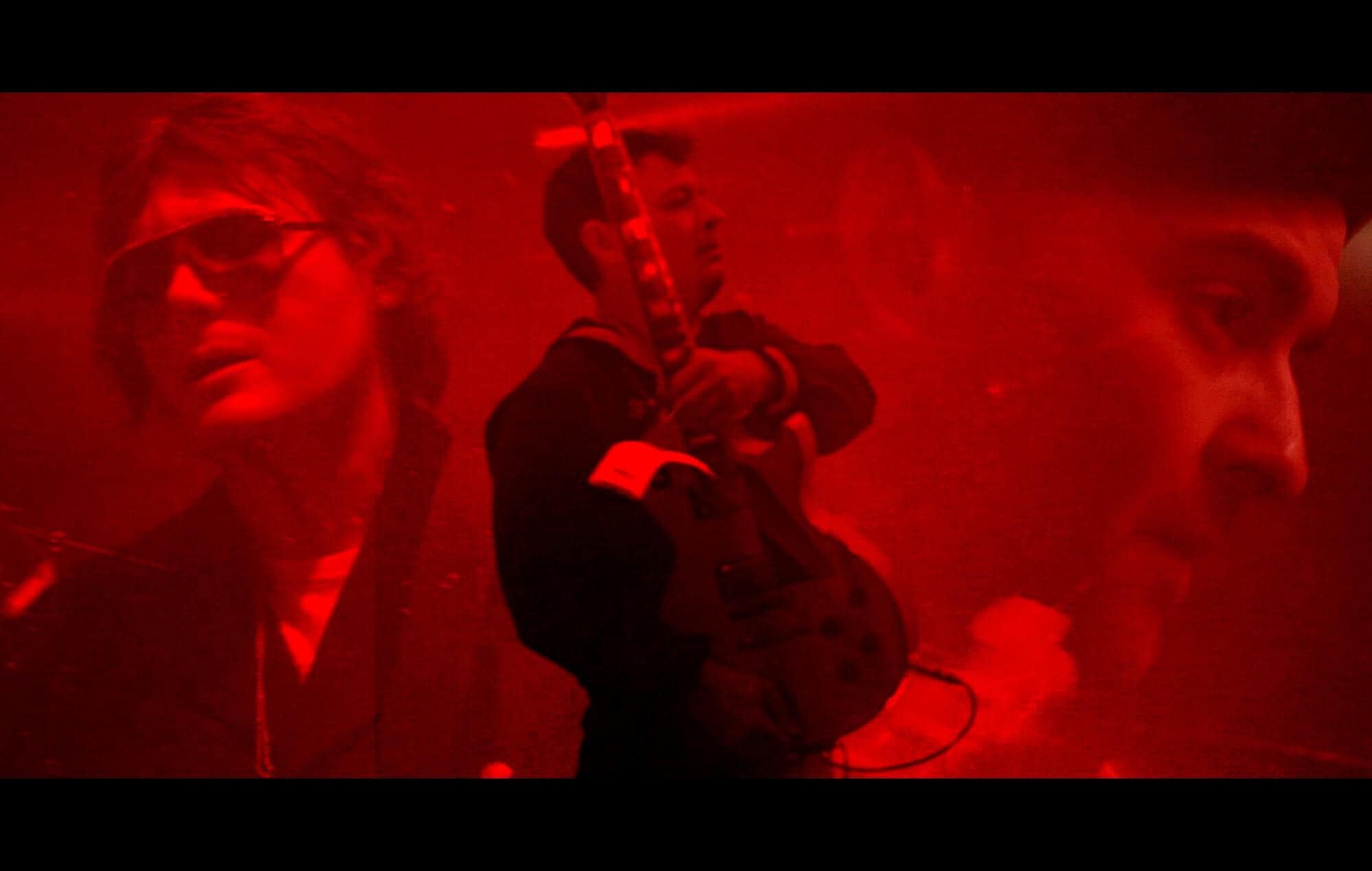
The concert film reflects that atmosphere. It was shot and edited with a deliberately punishing intensity, matching the album’s dark imagery rather than smoothing its rough edges. Although Be Pure, Be Vigilant, Behave premiered in 2016, it has never received a complete release in this form.
Why the Film Took So Long
Evans originally had no grand plan to create a concert movie. He simply wanted to document each performance because the shows felt too important to leave unrecorded.
The tension in the room was obvious from the beginning. Audiences waited in nervous silence as the lights dropped, strobes began to flash, and sampled words announcing that everything was for sale filled the venue. Then the chopped guitar lines of “Yes” broke through. The crowd erupted, the lighting burst open, and the performance took off at full speed.
Evans later recalled realizing that he was witnessing something special and potentially life-changing. His reaction was wonderfully simple: he was glad he had brought his camera.
A Military Unit Onstage
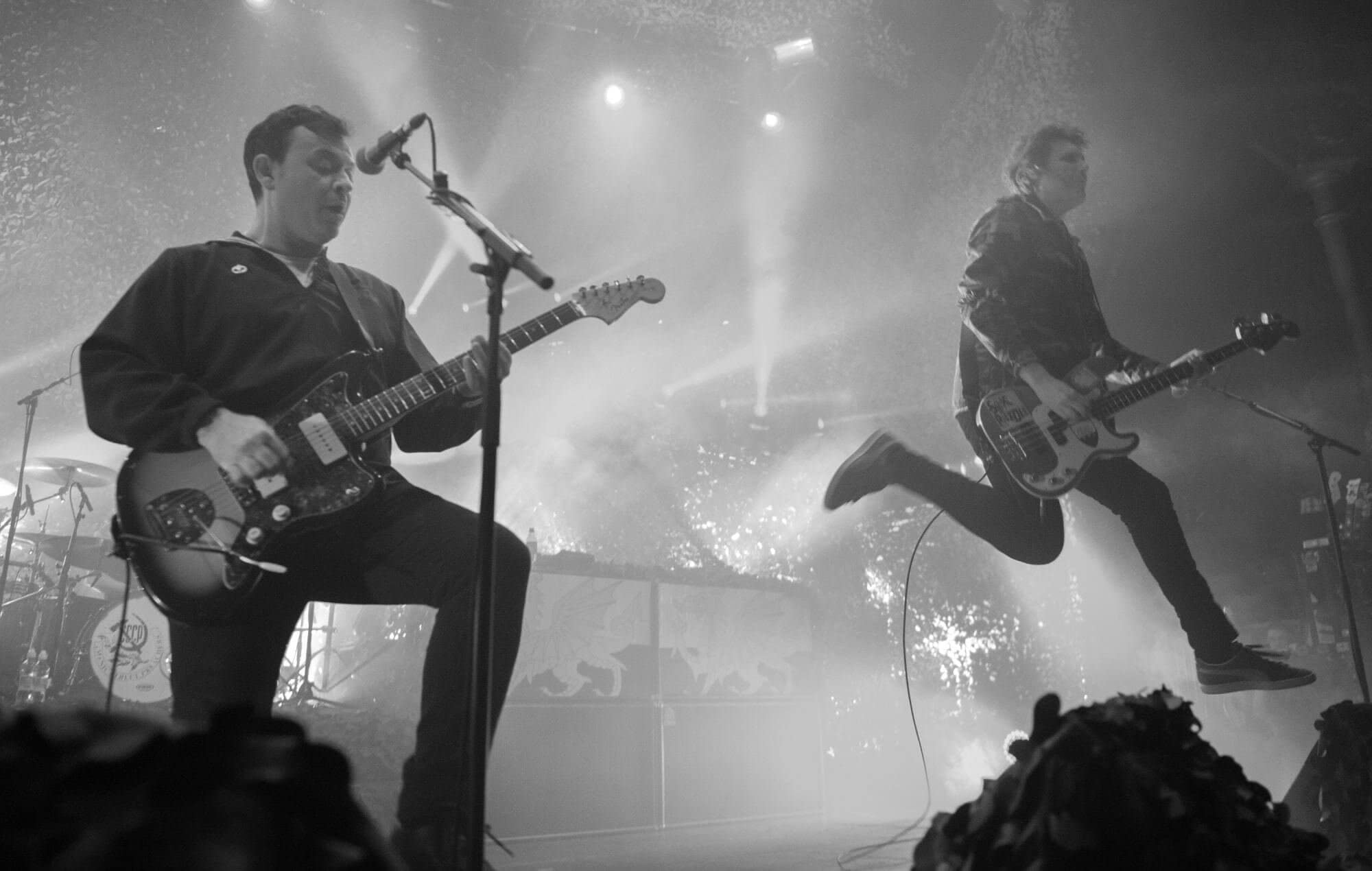
For James Dean Bradfield, the 2014 shows were about proving that the band could still perform The Holy Bible with the necessary force.
He wanted to show that the Manics remained tough enough to hammer through the material together, almost like a military unit. Bradfield understood that listeners would compare the performances with memories of 1994 and might decide that the new shows lacked the old spark. Rather than shy away from that pressure, he used the skepticism as fuel.
Onstage, he said he felt as though he was wearing a different mask. He didn’t need to connect personally with every lyric in the same way; instead, he focused on channeling the album’s energy. The experience became a piece of rock ’n’ roll theater—a chance to stand close to that old power again.
That intensity is central to the film. It’s not a casual trip down memory lane with a few familiar songs sprinkled in. It’s closer to stepping back into a state of mind the band rarely revisits.
Remembering Reading in 1994
The interview also returned to the band’s legendary 1994 Reading performance. Wire remembered the show as tense and stressful because the group had to perform as a three-piece while Edwards was receiving treatment. Even so, the band had bills to pay, and the performance went ahead.
The atmosphere combined wild abandon with ferocious discipline. “Faster” and “Revol” had already made an impact, the album was on the way, and the crowd seemed determined to be there. The band wore the full The Holy Bible regalia, and Wire described the performance as “fucking vicious”—a peak of sorts.
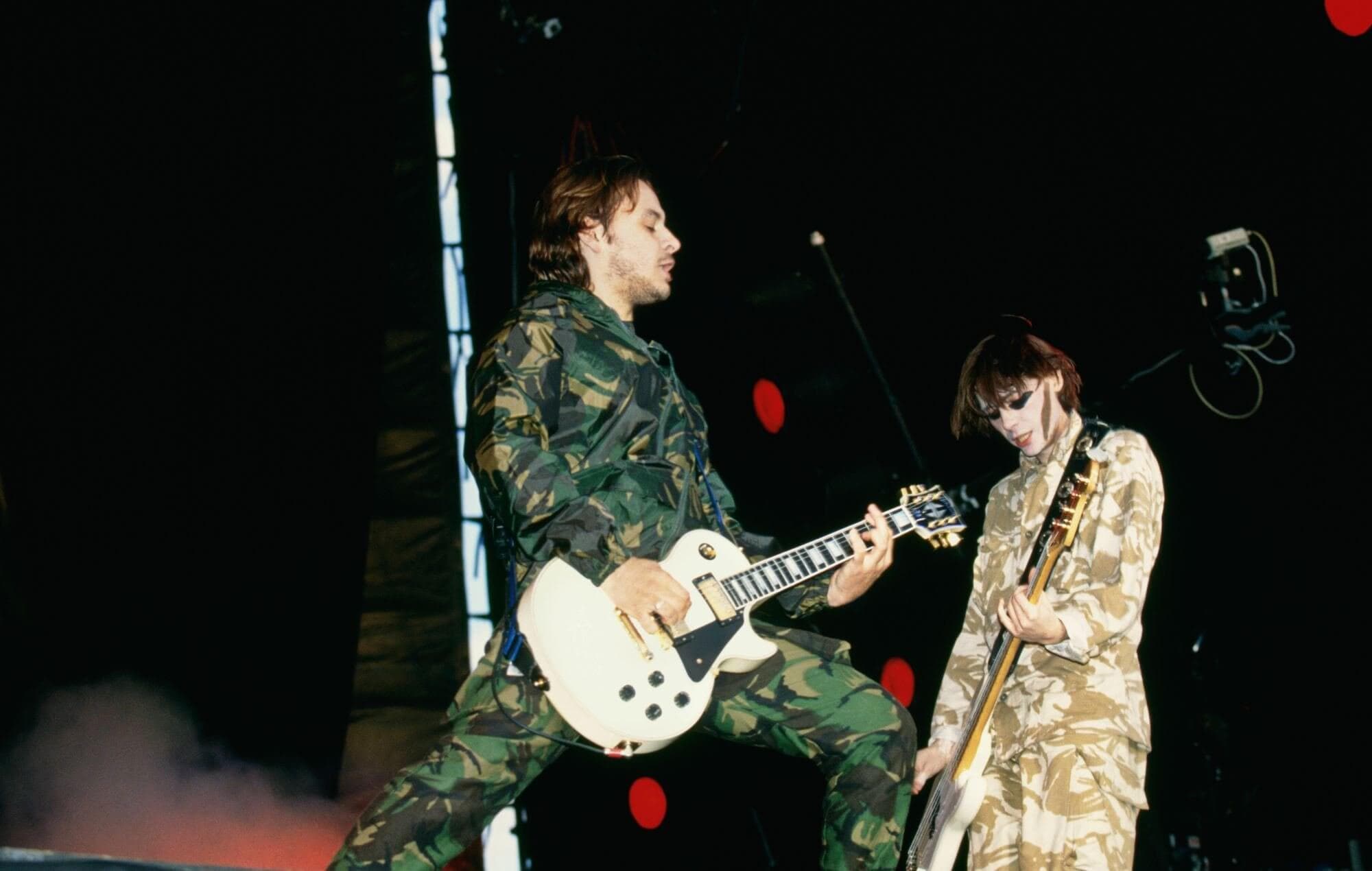
Being in that version of the Manics meant going to war onstage night after night. The band had already played their own shows and toured Europe with Suede and Therapy. They had offered Edwards the option of canceling dates or continuing as a three-piece, but he wanted to carry on.
Wire remembers the group slowly unraveling while also becoming more determined. The concerts remained brutal and brilliant, yet the final shows at the Astoria carried an unmistakable sense of self-destruction.
There is little unreleased footage left from that period. Wire says he has seen much of what fans have seen, along with bootlegs recorded on camcorders. Radio recordings from some of the shows exist, but much of the rest has disappeared into memory, debt, and debris—including smashed guitars.
He did, however, find a box of photographs taken by Pennie Smith. Some of those backstage images will appear in the upcoming box set. Wire remembers that the band respected Smith so much that they behaved themselves whenever she arrived and followed her direction. The photographs reveal a more human side of the group: close, relaxed, and comfortable together before the pressure of the stage took over.
Why Playing the Album Required Total Commitment
Wire admits he was initially reluctant to perform the album in full. He wasn’t sure he still possessed the ferocious discipline required. These songs cannot be coasted through, he explained. There’s no opportunity to put down a guitar, wander around, and let the band carry the moment.
Every part has to land. The playing is difficult, and the performance needs venom, tension, and a touch of nastiness. Bradfield embraced the challenge, and the band committed to the visual world as well as the music, bringing back the camouflage and the outfits.
By the end of the tour, the decision had paid off. Hearing huge numbers of fans sing the lyrics back was overwhelming, particularly because of the density and seriousness of the words. For Wire, one purpose of the tour was to ensure that Edwards’ writing remained remembered.
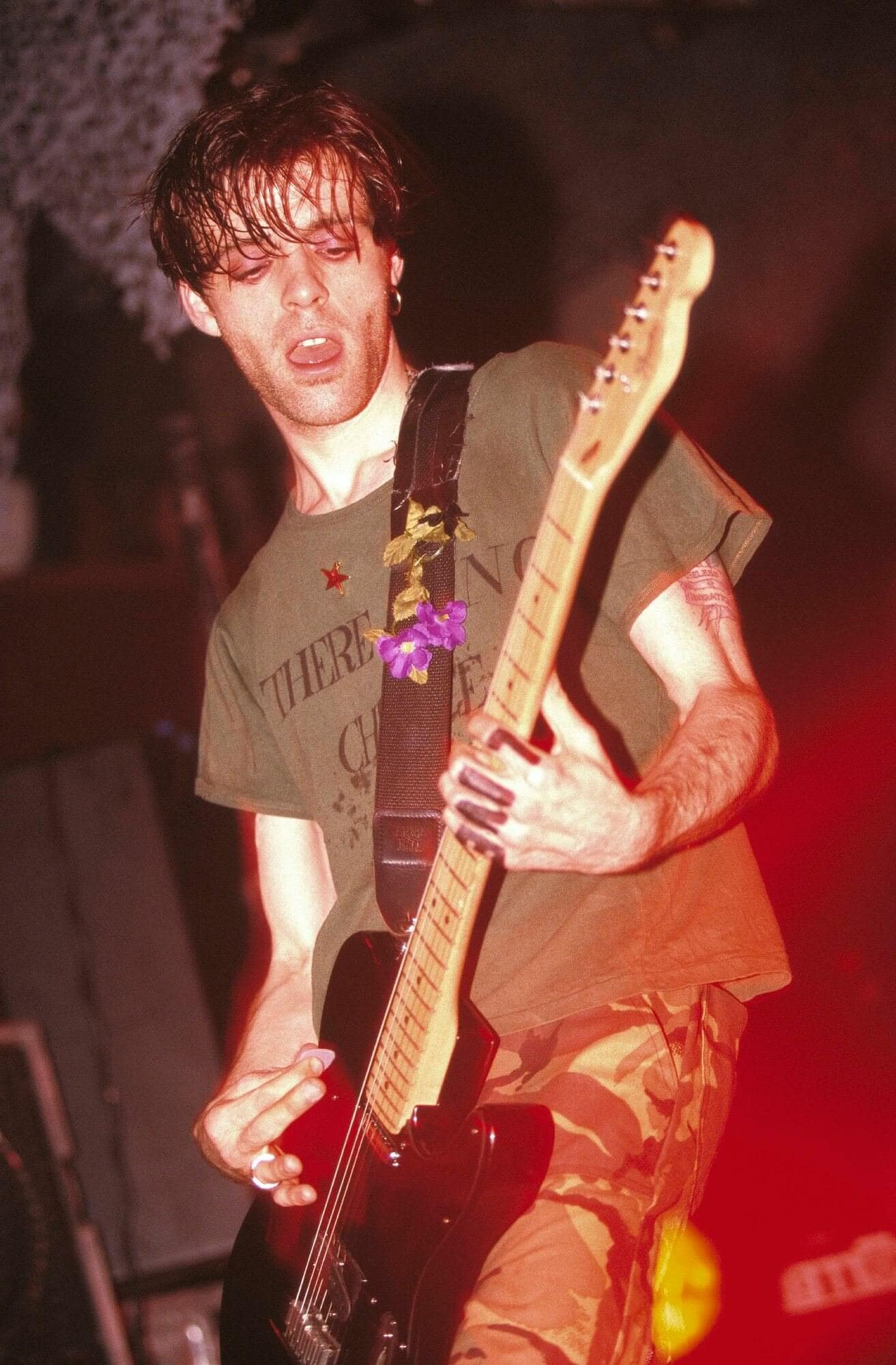
Wire also sees the album attracting new generations through streaming. He regards it as a cult record with enormous depth and intellectual value, something closer to reading a great novel than consuming a disposable pop album. Each return visit can reveal another idea, another image, or another emotional bruise.
A Film That Feels Like a Migraine
The long creative relationship between the band and Evans shaped the concert film. They share a visual and musical language, which helped them decide not to make an oversized, polished spectacle. Instead, they used a small number of fixed cameras and filmed across every night.
The result is deliberately overwhelming. Wire compares the experience to watching a migraine, with images and sound arriving in a relentless rush. The film has an almost Clockwork Orange-style effect: stylized, confrontational, and difficult to ignore.
Yet there are flashes of warmth. Wire says that while he had to concentrate intensely on the bass parts and lock into Sean Moore’s demanding drum patterns, hearing fans sing songs such as “Mausoleum” brought an unexpected emotional lift.
The band had only performed five or six of these songs at each show in 1994, rather than playing the complete album. Since then, they have rarely performed so much of The Holy Bible in one stretch. Wire doubts they will do it again because the songs require a specific mental and emotional condition. The audience can tell immediately if that intensity isn’t there.
Bradfield’s performance also impressed Wire anew. The combination of vocal melody, guitar melody, and tightly packed lyrics demands remarkable control. In Wire’s view, it was almost method acting—and a reminder of what an extraordinary musician Bradfield is.
A Live Recording With More Room to Breathe
The band originally considered releasing the live album for the 30th anniversary of The Holy Bible, but their work surrounding Critical Thinking took priority. Wire jokes that releasing it 32 years after the original is a slightly strange anniversary, but the recording still felt too strong to leave behind.
The live album was mixed by producer Dave Eringa. Wire says the performances sound less claustrophobic than the original 1994 recordings, with more space and a heavier, more muscular quality. He compares the feeling to a Steve Albini recording and describes the result as spine-tingling.
Wire had been pushing more strongly for the visual release, while Bradfield insisted that the audio should be recorded even if it never came out. The logic was straightforward: they were unlikely to perform the entire album this way again.
Steven Wilson Opens Up the Original Album
Steven Wilson’s spatial audio remix offers another angle on the 1994 record. Wire already admired Wilson’s work with Porcupine Tree and as a solo artist, particularly its progressive and Rush-influenced side.
The remix has brought out details that were previously buried. Wire says Wilson hasn’t softened the album, but he has created more space and allowed it to breathe. The vocals, in particular, now sound richer and more textured rather than compressed and shouty.
For Wire, it feels almost like hearing a brand-new version assembled from the original master tapes. He acknowledges that some listeners may consider the remix unnecessary, but he enjoyed returning to the band’s own material from a fresh perspective.
What Comes Next for the Manics
The band’s upcoming winter arena tour with Suede may include more The Holy Bible material, although Wire isn’t making firm promises. He would like to perform “Faster,” calling it a landmark song that remains surprisingly underplayed.
At the same time, new music is taking shape. Wire mentioned songs titled “Threshold,” “Don’t Be Afraid to Be Afraid,” and “Recrudescence.” The band has no shortage of inspiration; the harder part is finding the time, energy, and shared momentum to bring everything together.
Lyrically, Wire is thinking about survival, meaningful shelter, and the challenge of remaining creative with age. If a song doesn’t feel important to the band, he says, it won’t feel important to anyone else either.
The current creative thread points toward Echo & the Bunnymen, especially Heaven Up Here, Porcupine, and Ocean Rain. Wire is drawn to the cold sonics of the first and the rich, layered atmosphere of the last. A winter recording session in Hamburg—or perhaps Berlin—remains a possibility, though coordinating the band and making a record now takes longer than it once did.
He even entertains the idea of Steven Wilson producing the next album. As for the upcoming shows, the band may include a new song alongside their version of Blondie’s “Union City Blue.” Wire says he wouldn’t be surprised.
Conclusion
The Holy Bible Live isn’t simply a document of an anniversary tour. It captures a band reopening one of its most difficult chapters, confronting the music’s intensity, and finding that the old songs still have teeth. Will you be revisiting the original album first—or stepping straight into the live fire?
FAQ
- What is The Holy Bible Live?
It is a live release documenting Manic Street Preachers’ performances of The Holy Bible, accompanied by a concert film and a new spatial audio remix of the original album. - Who directed Be Pure, Be Vigilant, Behave?
The concert film was directed by Kieran Evans, the band’s longtime visual collaborator. - Where was the live album recorded?
The performances were recorded across three nights at London’s Roundhouse. - Why is Richey Edwards central to the release?
Edwards wrote many of the album’s lyrics, and the live project serves partly as a tribute to his contribution and lasting influence on the band’s music. - Will the band play more songs from The Holy Bible on tour?
Nicky Wire said he hopes they might perform “Faster,” though the final setlist remains uncertain.
If The Holy Bible has a permanent place in your record collection, a favorite album cover poster can bring that same fierce visual energy to your walls. Browse the music-inspired selection at Architeg Prints.
 | DISCOUNTGET 30% OFF*Use code on your next order:
|
* This post may contain affiliate links, meaning we earn a commission if you make a purchase through these links, at no additional cost to you.