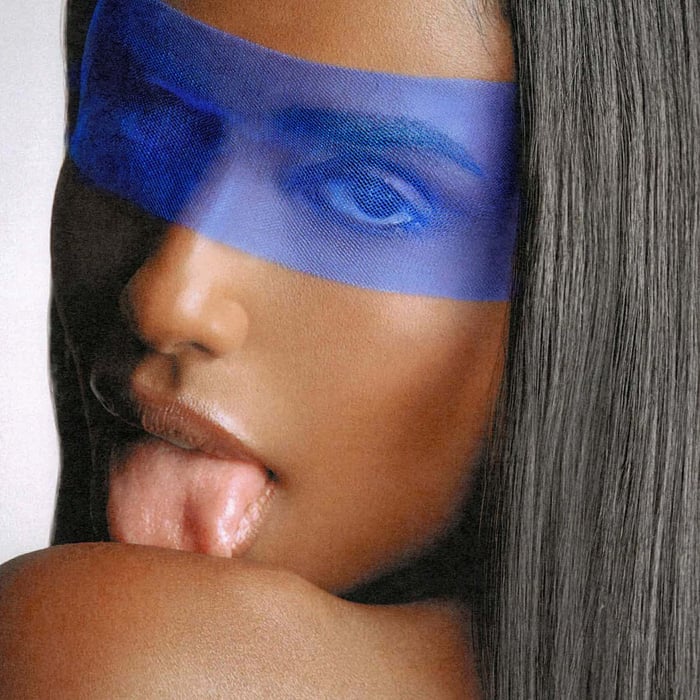
Chxrry Ego: “U, Me & My Ego” Is Pop Star Posturing With a Knife in It

 See more Architeg Prints stories on Google.
Chxrry Ego: “U, Me & My Ego” Is Pop Star Posturing With a Knife in It
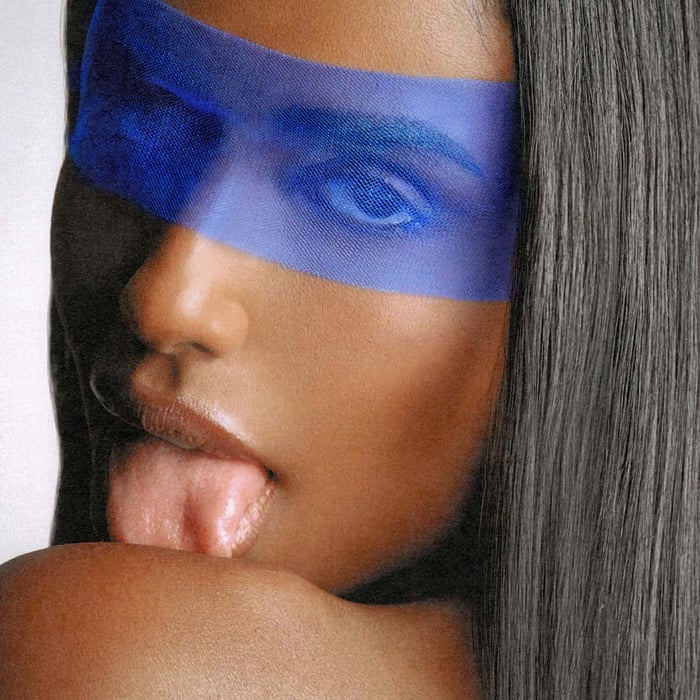
Chxrry Ego’s debut album U, Me & My Ego combines brash confidence with raw vulnerability, delivering a complex portrait of obsession, power, and emotional contradiction.
This album isn’t “bragging”—it’s negotiating
The first thing U, Me & My Ego tells me is that Chxrry isn’t trying to be liked. She’s trying to win the room. There’s a difference. Being liked is soft. Winning is about control—over the ex, over the rivals, over the mirror, over the story you’ll repeat later when you pretend you never cared.
That’s why a line like Fuck a popstar, baby, I’m a cinema doesn’t land as a cute flex. It lands like she’s stapling a new label to her forehead before anyone else can. And then she immediately undercuts it with Blockstar, a billion to one—a pun that feels less like wordplay for the crowd and more like her entertaining herself while she spirals. The confidence is real, but it’s the kind that needs witnesses.
And the beat underneath it—those 808 subs and pitched-up operatic sounds on “Believve”—doesn’t just support her. It argues for her. The production behaves like a hype-person that also knows her diary password, which is honestly the exact vibe this album keeps chasing: vanity with self-awareness stuffed into the same bar.
Believve’s production is the album’s spine—and that’s not normal
Staying on that thread: one producer, Believve, handles the entire album. For a debut on a major label in the R&B lane, that’s a weirdly bold restriction—like choosing to paint with one brush on purpose. But it pays off because this record is built like a single space you keep walking through, not a playlist pretending to be an album.
Believve’s signature isn’t just a sound; it’s a gravitational pull. Everything keeps returning to the same low-end memory—that thrum that sits under Chxrry no matter what mood she’s acting out. The opener starts with theatrical menace, but it doesn’t stay “big” for big’s sake. That menace keeps getting relit into loneliness, then into late-night drift, then into party anger that still sounds like someone staring at their phone too long.
On “Boring,” the production leans on space and subtle textures, almost minimalist in that experimental R&B way. There’s a pitch-shifted vocal chop hanging around in the background like a thought you can’t swat away. It’s not decoration—it’s anxiety, looped.
If you want a hot take: I think the cohesiveness here is less “polish” and more containment. Like Believve built a nice-looking room specifically so Chxrry could smash plates inside it without wandering off.
“Call Security” is jealousy in designer clothes, and it’s meant to be funny
The next pivot is where Chxrry starts doing the thing this album keeps doing best: turning emotional humiliation into an outfit.
“Call Security” walks in wearing cold leather energy. The scene she paints is ridiculous and vivid—one hand pulling the door open, the other basically married to a Beretta. And then she’s asking the most ordinary, humiliating question possible: Where did I go wrong? Is she better than me?
That contrast is the whole point. The beat is uptempo and techno-leaning, and she escalates like she’s climbing stairs two at a time: I’m not leaving till one of us ain’t breathing. Then she tosses off a warning that sounds like retail therapy turned violent: New Chanel won’t fix it / It’ll be a body bag, you’ll see.
Pop singers usually pick one costume per scene: either campy threat or serious threat. Chxrry insists on wearing both at once. The gun line lands with a smirk, but the emotional temperature behind it is not a joke. It’s more like she’s laughing so she doesn’t have to admit she’s genuinely losing it.
I’ll admit, on my first pass I thought the Beretta detail was just edgy set dressing. On second listen, it reads more like a deliberate creative decision: she’s making the threat feel casual because that’s how obsession works. It normalizes itself. It moves in and starts paying rent.
“Bible” is where the album stops posing and starts bleeding
After that outward aggression, “Bible” flips the lens inward. Chxrry partially speaks the lines—Sensitive, I know I don’t look it, but I’m sensitive—and the delivery feels asynchronous against the synth bass and pad underneath. Like her mouth is moving half a beat away from her body.
Then the chorus comes in with this clinical, almost sterile phrasing: Loving you is so much of a joke, stupid / I go psycho. The “stupid” isn’t playful. It’s self-directed. She’s not insulting the lover; she’s insulting the version of herself that keeps returning.
And then she starts stacking “hate” like it’s evidence:
- Hate the way I re-read every word, ’cause you typed it.
- Hate how much I care ‘bout who you see, and what your type is.
- Hate that I don’t even like myself unless you like me.
This is where the album’s idea gets brutally clear: love isn’t romance here—it’s a disease model. She sings against the beat with no melodic relief, like the song refuses to comfort her because comfort would be dishonest. And when she finally lands on I hate that I’ll follow you to hell / I love you more than I love myself, it doesn’t feel like a reveal. It feels like the last line of a contract she’s been signing all album.
If there’s a flaw, it’s that the track’s coldness risks flattening the dynamic. I kept waiting for one moment of warmth—some tiny melodic mercy—and it never really arrives. That might be the point, but it also makes the song harder to live inside for repeated listens.
“Bottles & Lights” turns heartbreak into a hallway with two locked doors
From there, the album starts playing with how different people process the same breakup in totally different emotional rooms.
Chxrry names places—Maldives, Sandy Springs—and drops the cheating line with blunt specificity: Whole time you was fuckin’ these bitches in Sandy Springs. It’s not poetic; it’s a receipt.
Then Mariah shows up on “Bottles & Lights,” and instead of echoing the pain, she sidesteps it with a flex: I went from AP to Richard while y’all was TikTokin’. It’s not empathy; it’s armor. And that contrast is the song’s real drama: two singers attached to the same breakup, standing in different rooms of the same hotel. One is staring at the carpet, the other is staring at the mirror.
I’m not totally sure whether the feature is meant to soothe Chxrry’s world or sharpen it. Part of me thinks it’s there to prove a point: even when you’re hurt, you still get to choose your posture. Chxrry chooses teeth. Mariah chooses polish.
Cash Cobain’s “Badness” remix basically argues with Chxrry
A different version of “Badness” comes through via Cash Cobain, and it reframes the song’s intent. His line—Club can’t love you like me—is emotionally direct, almost corny in a way that feels purposeful. Meanwhile Chxrry’s energy is transactional and combustible: Three shots in, I’ma turn to a flirt / Six shots in and somebody getting work. That’s not romance; that’s a self-fulfilling incident report.
So the same song becomes two separate experiences:
- Through Chxrry: a hookup lens, adrenaline-first, feelings later (maybe).
- Through Cash: devotion dressed up like a club line.
And the funny part is that both perspectives feel stubborn. Cash “agrees” with his own argument. Chxrry doesn’t even pretend she wants tenderness; she wants leverage. A reasonable listener could say Cash makes the track more human. I’d argue he makes it more legible—but Chxrry’s version is the one that actually sounds like it has stakes.
The threats aren’t red flags here—they’re the love language
Here’s the album’s real trick: Chxrry doesn’t present her threats as warnings she’s noticing. She presents them as emotional vocabulary. The violence isn’t a twist; it’s grammar.
“Groupie” closes with we’re gonna die together, so I love you, bye, and it’s sung over horns and dusty vinyl crackle—warm textures holding an unhinged vow. Earlier in that same track she slips in I need to be on meds and then swings right back into the come-on like nothing happened. Clinical language and violent language share sentences all over this record, and not as shock value. More like a confession that she can’t separate care from damage anymore.
“Hall of Fame” flirts by turning the CN Tower into a pickup line: I’ma take it higher than the CN tonight. It’s slick, but it’s also telling you she can’t flirt without making it a competition with altitude.
And on “Boring,” she wedges possessive between “handsome” and “shameless,” expecting the joke to read two ways at once. That’s Chxrry’s whole writing method: she stacks contradictions and dares you to call her on it.
If you’re looking for traditional “songwriting architecture”—setups, payoffs, clean moral lessons—this album refuses. The lines are the architecture. She builds the room out of one-liners and then paces inside it.
“Main Character” cashes the check—late, but on purpose
The album waits surprisingly long to fully crown itself, and then it does it in one go on “Main Character.”
Chxrry drops the kind of line that’s half delusion, half destiny: Fuck ’round tell Mona Lisa move, I put myself up in the Louvre. And Believve meets her there with a crescendo that climbs from a single piano figure into an orchestral wall behind her. It’s not subtle. It’s meant to look expensive.
She keeps stacking proof-of-life moments like tabloid clippings:
- Last time we linked, we made the news.
- Blew him a kiss, Chanel on my lips.
- I just went Rossi on the boots.
Then she closes the album chanting I’m the main character, I’m the main character—and what hits is that she sounds like she’s saying it to a room she’s spent ten songs trying to earn entry into. Not because she lacks talent. Because she doesn’t trust the invitation unless she writes it herself.
I thought the “main character” angle would feel like a cheap social-media slogan. It doesn’t. It lands like the end of a long, slightly exhausting self-hypnosis session—and I mean that as a compliment. The album isn’t about confidence. It’s about manufacturing confidence out of spite, style, and a little bit of emotional self-harm.
Favorite moments (and the part that almost lost me)
To keep it plain, the album’s most effective tracks are the ones where Chxrry stops trying to seem invincible and starts letting the contradictions show.
Standouts I kept replaying:
- “Call Security”
- “Bible”
- “Hall of Fame”
The part that almost lost me: sometimes the flexing comes so fast it starts feeling like she’s scrolling through her own captions. The punchlines are strong, but not every moment needs to be a quote-ready bar. A little more empty space in the vocal phrasing—just occasionally—would’ve made the heavier lines hit even harder.
Still, if the album’s goal is to sound like someone arguing with themselves in high-definition, it succeeds more often than not.
Conclusion
U, Me & My Ego isn’t trying to tell a neat story about love. It’s showing you what it sounds like when obsession gets dressed up as empowerment and then refuses to take the outfit off. Chxrry keeps switching masks—cinema-star bravado, jealous fury, clinical self-loathing—and the punchline is that all of them are her. Believve’s unified production makes the whole thing feel like one long night where the bass never stops and the thoughts don’t either.
Our verdict: People who like messy feelings delivered with luxury packaging will actually love this—especially if you enjoy threats that double as flirtation. If you need your pop-R&B heartbreak to be “healthy,” or at least politely sad, this album will annoy you the way a confident friend annoys you when they’re clearly not okay.
FAQ
- What is the core mood of Chxrry Ego on this album?
It swings between bragging and confession, but the bragging always sounds like it’s covering a bruise. - Is the production style consistent across the tracklist?
Yes—Believve’s low-end-heavy, atmospheric approach keeps the album cohesive, like different scenes in the same dark room. - Which song shows the most emotional honesty?
“Bible.” It drops the posture and sits in the uglier thoughts without trying to polish them. - Does the album rely more on hooks or on lines?
Lines. The punchy, quotable bars are the real engine—sometimes more than traditional melodic payoff. - Who are the standout collaborators mentioned here?
Mariah on “Bottles & Lights,” and Cash Cobain bringing a different angle to “Badness.”
If you want something physical to match this album’s oversized self-mythology, an album-cover poster on your wall makes weird emotional sense. You can browse prints at our store: https://www.architeg-prints.com
 | DISCOUNTGET 30% OFF*Use code on your next order:
|
* This post may contain affiliate links, meaning we earn a commission if you make a purchase through these links, at no additional cost to you.