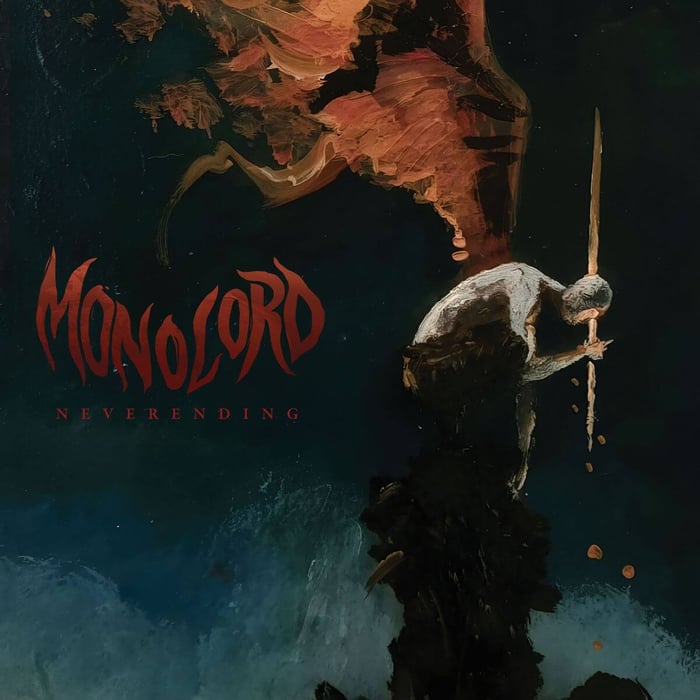
Neverending Monolord Review: Doom Goes “Hotel California” (Sorry)


 See more Architeg Prints stories on Google.
Neverending Monolord Review: Doom Goes “Hotel California” (Sorry)
Neverending Monolord turns doom into a hypnotic riff trance with big leads, heavier swings, and odd tenderness—like the band’s outgrown the genre on purpose.
A record that refuses to sit still
Some albums want a genre badge. Neverending Monolord sounds like it’s actively trying to lose one.
I hear doom metal in the roots—slow gravity, thick low-end, that patient stomp—but the band never seems comfortable behaving like a “proper” doom act for long. Instead, they keep tugging the music toward melody, groove, and this weirdly inviting hypnosis, like they’re more interested in building a spell than a monument. And yeah, that has consequences: if you came here demanding strict, straight-faced doom purity, you’re going to feel the ground shifting under you.
What’s hard to argue with is the intent. Over time, Monolord have carved out a sound that’s recognizable fast—drums, bass, vocals, the whole hulking silhouette—yet they keep sneaking in little flourishes that make the next minute feel newly sharpened. Not every left turn is going to satisfy everyone, but stagnation isn’t the problem here.
“Iodine” opens the door—and doesn’t pretend to be subtle
The first real statement is “Iodine,” and it doesn’t waste time being polite. It’s riff-driven, trancey, and lavish about it—like the band wants you to stop thinking in “songs” and start thinking in states. The groove sits there, heavy and calm, letting the room fill up.
Then the guitars start doing something that made me blink the first time: the closing lines hit with a “Hotel California” kind of shape—those clean, singable, classic-rock-leaning lines that shouldn’t work in a doom context… except they do. On first listen I thought, okay, cute trick, now get back to business. But on second listen, that melodic choice started to feel like the whole point: Neverending Monolord isn’t trying to be heavier than everyone else; it’s trying to be more gripping than everyone else.
And the band knows exactly what they’re doing by pushing those leads up front. Monolord have always had big guitar moments, sure, but here they feel more central—less like a payoff and more like the engine.
The album’s “singles” are basically a mission statement
A lot of bands drop singles that feel like commercials. These tracks feel more like different angles of the same obsession: keep it identifiable, keep it moving, keep it emotionally lit from inside.
“You Bastard” is the blunt object
“You Bastard” runs on chugging riffs and a catchy heavy rhythmic base. It’s the kind of track that makes you nod before you’ve decided whether you like it. It also feels deliberately familiar—like a bridge from earlier Monolord eras—except the edges look cleaner now, and the band’s confidence is louder than the distortion.
If I have a complaint, it’s mild but real: I kept waiting for one more structural surprise—one extra bend in the road—because the groove is so sturdy it almost dares you to take it for granted. Still, the “catchy” part matters. This is heavy music that actually remembers to stick.
“Oozing Wound” is the hypnosis flex
“Oozing Wound” is the mesmeric one. It stacks rhythmic layers with this incessant drive—less “smash the room” and more “lock the door and keep walking forward.” The repetition isn’t laziness; it’s a pressure tactic. It’s Monolord leaning into the idea that trance can be heavier than aggression.
I’m not 100% sure everyone will read it that way, though. If you’re the type who equates “movement” with “more riffs per minute,” this track might feel like it’s circling. To me, it’s circling the way a storm circles.
“It’s Neverending” closes like they actually mean it
Then there’s “It’s Neverending,” the closer, and it’s where the band shows the widest emotional range on the record. It meanders from some of their heaviest moments into something more delicate—actual vulnerability, not the theatrical kind—and then rises into melodics that feel earned.
What surprised me is how natural that shift sounds. I expected the soft moments to feel like “contrast sections,” like a checkbox. Instead, the tenderness feels baked into the same identity as the riffs. It’s an ideal closer because it doesn’t just end the album; it tells you what the album thinks it is.
Here’s the trick: it’s expansive without turning into a mess
When a band throws a lot of techniques into the pot, it’s easy to lose the thread. You get whiplash. You get a playlist disguised as an album.
That doesn’t happen here.
Even as Monolord stretch out—melody forward, trance pacing, big leads—they don’t lose the unified character. You can hear the band’s “core” holding steady, especially when the record shifts into different flavors of weight:
- “The Masque” leans into a luxurious groove, like the band is letting the low-end do the talking.
- “Invisible” hits with crashing heaviness, the kind that feels physical, not performative.
And if you think those two descriptions sound like genre talk, sure—but the real difference is how the songs carry themselves. “The Masque” has swagger; “Invisible” has impact. They’re both heavy, but they’re heavy in different body languages.
Production matters here, and it’s doing quiet work
I don’t always care about production credit trivia, but you can hear the way the sound is tied together. The album doesn’t feel like “some riffs recorded nicely.” It feels like a single space you’re standing inside.
Working with Sylvia Massy again makes sense—because whatever choices were made, they help the album keep coherence while still letting the embellishments glow. The drums don’t smear. The bass doesn’t vanish when the guitars get melodic. The vocals sit in a way that keeps the spell intact instead of turning everything into a wall.
That “signature per album” idea comes through: Neverending Monolord doesn’t sound like a band trying to recreate an old win. It sounds like a band trying to make this specific version of itself feel inevitable.
The “they’re not doom anymore” complaint is a little late
Some listeners are going to grumble that Monolord have moved away from strict doom. But hearing Neverending, that complaint feels like showing up to a band’s fourth act and demanding they replay their first scene forever.
This band has been stepping outside tight label borders for a while. The progress feels intentional: incorporating wider musical horizons, not as decoration, but as a way to keep the emotional palette from going monochrome. On this album, it finally sounds like they’ve reached the juncture they were aiming toward—where the heaviness, the melody, and the hypnosis stop competing and start cooperating.
And yeah, I’m going to say the slightly provocative part out loud:
the album’s “soaring” moments hit harder because Monolord stopped treating melody like a guilty pleasure. They put it on the throne.
Media
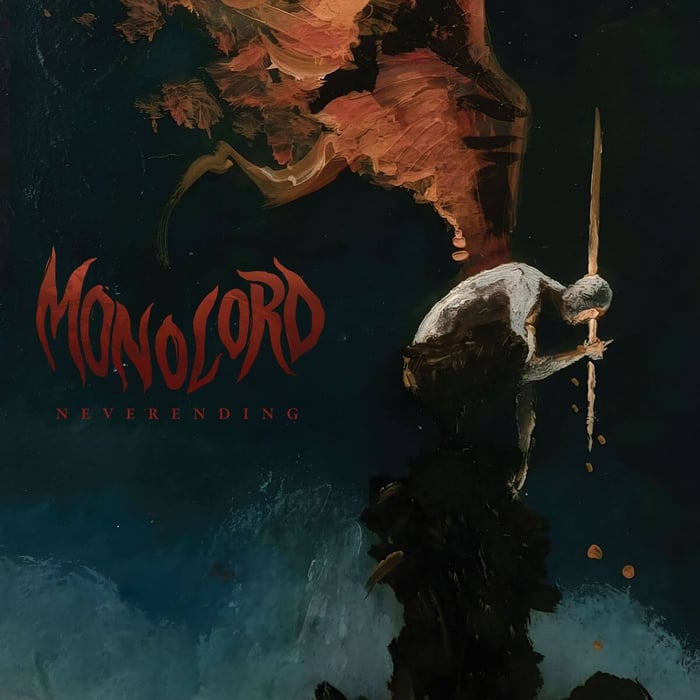
Release details (because you’ll ask anyway)
Neverending is set for release on May 29th via Relapse Records.
So what’s my actual take?
I came in expecting another slab of doom-forward endurance. What I got was a record that’s more like a long hallway of riffs with paintings on the walls—and the paintings keep getting weirder the longer you stare.
It’s not flawless (a couple moments lean so hard into the groove that I wanted a sharper left turn), and I’m still slightly unsure whether every listener will buy the trance-first pacing. But the bigger truth is this: Monolord sound like they’re doing exactly what they love, and they’re doing it with the kind of skill that makes the expansion feel earned, not trendy.
If I had to put a number on it, I understand the impulse to call it 10/10—because the album doesn’t just “work,” it convinces you it couldn’t have been made any other way.
Conclusion
Neverending Monolord isn’t a genre exercise—it’s a band widening the frame until the label falls off the edge. The riffs are huge, the rhythms are colossal, and the hypnotic pulse keeps pulling you back, even when you think you’ve already “got it.”
Our verdict: People who like heavy music that breathes—doom fans with patience for melody, groove addicts, and anyone who enjoys getting slowly steamrolled—will love this. If you only want doom that stays stern, monochrome, and allergic to big leads, you’ll probably complain online and call it “not heavy enough,” which is its own kind of cardio.
FAQ
- Is Neverending Monolord a traditional doom metal album?
Not really. The doom foundation is there, but the album pushes into melody-forward leads and trance pacing that openly ignore strict genre borders. - Which track best represents the album’s vibe?
“Iodine” sets the spell early, while “It’s Neverending” shows the full range—from crushing weight to delicate vulnerability. - Does the album focus more on riffs or guitar leads?
Both, but the leads feel unusually front-and-center here, especially compared to what you might expect from a doom-rooted band. - Are the singles consistent with the rest of the album?
Yes—“You Bastard,” “Oozing Wound,” and “It’s Neverending” each spotlight a different strength, but they don’t feel disconnected from the album’s flow. - When is Neverending being released and on what label?
It’s scheduled for May 29th via Relapse Records.
If you’re the kind of person who fixates on album art the way some people fixate on riffs, you can always grab a favorite album cover poster for your wall at our store: https://www.architeg-prints.com
 | DISCOUNTGET 30% OFF*Use code on your next order:
|
* This post may contain affiliate links, meaning we earn a commission if you make a purchase through these links, at no additional cost to you.