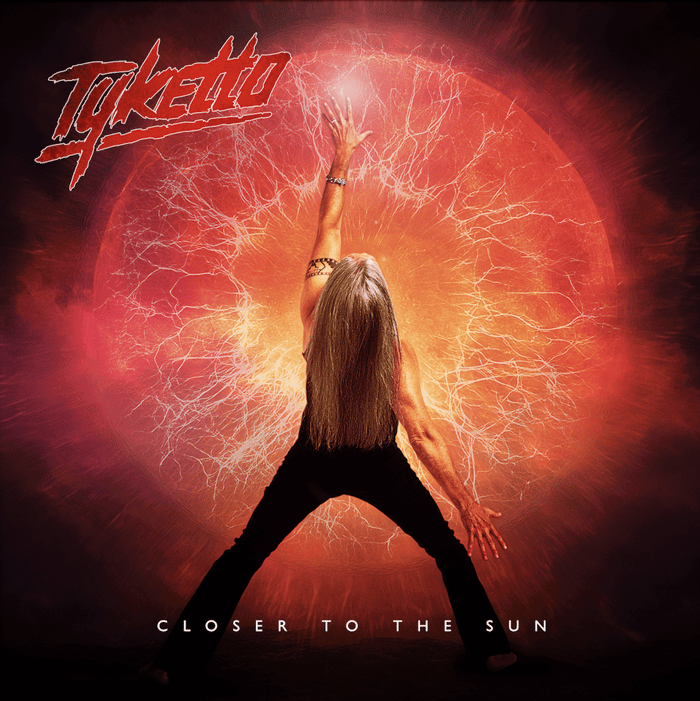
Closer To The Sun Review: Tyketto’s “Late” Album That Refuses to Act Old


 See more Architeg Prints stories on Google.
Closer To The Sun Review: Tyketto’s “Late” Album That Refuses to Act Old
Closer To The Sun isn’t a comeback album—it’s Tyketto shoving melodic rock back onto the porch like it never left. Warm hooks, dumb lyrics, real heart.
A record that walks in like it owns the room
Some albums kick the door down. Closer To The Sun just strolls in, throws its jacket on your chair, and dares you to pretend you weren’t waiting.
Tyketto have always sounded like a band that should’ve been massive in their own country—big melodic rock bones, blues in the joints, straight-up barroom swing, and a little country dust on the boots. That mix is basically built for radio… which makes it kind of hilarious that timing stomped them flat. The band formed in 1987 around vocalist Danny Vaughn (coming off his time in Waysted), and the 90s did what the 90s did: grunge showed up, the party lights flickered, and Tyketto’s early momentum got cut off at the knees. They split in 1996, then reformed eight years later.
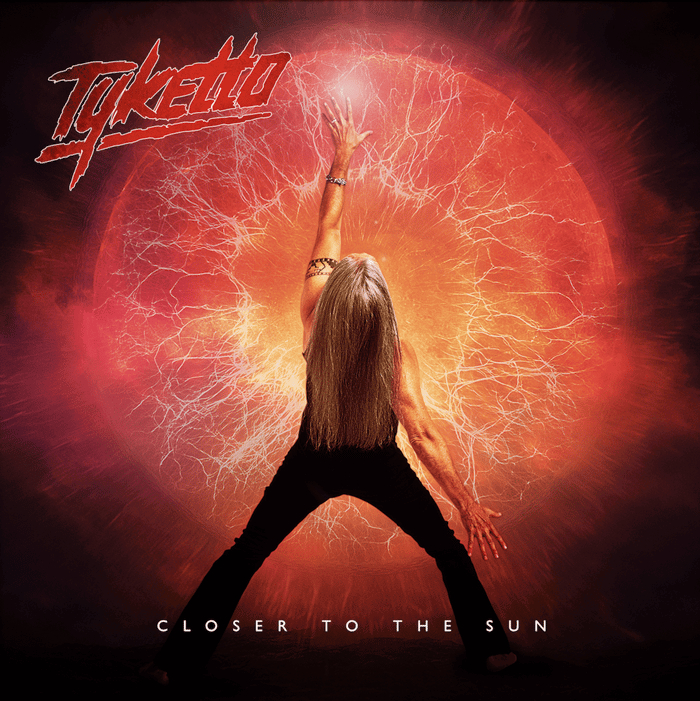
This album arrives with the weight of that history. It’s their sixth, it landed March 20 via Silver Lining Music, and it’s the first in a decade—plus it’s the first to feature Harvey Scott Elliott (guitar/backing vocals) and Johnny Dee (guitar/backing vocals) on record. You can hear the “long time coming” energy in the way the songs are built to land, not just exist.
No reinvention here—and that’s the entire point
Let’s be honest: if you came here hoping Tyketto would suddenly start making glitchy art-rock or down-tuned sludge, you picked the wrong band and the wrong day. Closer To The Sun doesn’t do “seismic shift.” It doubles down.
That decision will annoy some listeners, and I get it. But I also think the refusal to modernize is the album’s real statement. This band isn’t chasing the current rock landscape—they’re acting like the old one still works if you write the songs properly. And most of the time, they do.
I did catch myself thinking, early on, “Okay, I know exactly how this is going to go.” Then a couple tracks later I had to admit: I was wrong about how alive it would feel.
“Higher Than High” sets the tone: sunlit riffs and zero shame
The opener “Higher Than High” comes in like a handshake with a firm grip—upbeat tempo, feel-good core, and that classic Tyketto sense of lift. It’s not trying to be clever. It’s trying to be effective.
And it is.
The harmonica solo is the kind of move modern rock bands avoid like it’s going to ruin their brand. Here, it works because the band isn’t pretending to be cool. They’re aiming for something older and, frankly, harder to fake: enthusiasm.
That said, I’m not totally sure the track’s chorus is as inevitable as it wants to be—there’s a version of this song that would hit even harder with a slightly sharper hook. But as an opening mission statement, it’s a clean bullseye.
Country swing sneaks in, and Vaughn sells it without blinking
Next up, “Donnowhuddidis” (yes, read it as “Don’t Know What It Is”) leans more into a country-style swing, especially through the keyboards. It’s a subtle shift, but it matters: the album isn’t just repeating one chassis of melodic rock. It’s using the same engine, sure, but swapping tires depending on the road.
And Danny Vaughn is the reason it doesn’t feel like cosplay. His voice still has that soul and warmth—not perfection, not pristine polish, but that lived-in tone that makes even simple lines feel meant. A lot of veteran vocalists survive by leaning on nostalgia; Vaughn sounds like he’s still actively inhabiting the songs.
The title track aims for radio—on purpose, and it mostly earns it
The title track “Closer To The Sun” is the album’s most obvious attempt at broad reach. It’s built on a simple acoustic foundation, stacked with clean harmonies, and driven by a catchy chorus that’s clearly designed to stick after one spin.
Here’s my arguable take: the song is almost too well-behaved. It plays the “single” role so dutifully that part of me kept waiting for a left turn—some grit, some risk, some moment that makes it feel less like a perfectly assembled product.
But then I caught myself humming it later without meaning to. So maybe the “risk” is that it’s willing to be straightforward when everyone else is trying to sound tortured.
“Harleys & Indians” romanticizes the afterlife—and gets away with it
“Harleys & Indians (Riders In The Sky)” is exactly what it sounds like: a heartfelt ode to a biker afterlife, where the spirit stays wild and untamed even after the lights go out.
On paper, that’s ridiculous. In execution, it’s oddly charming.
The return of the harmonica helps, because it pushes the song away from generic hard rock and into something more specific—like the band is painting a scene instead of just revving an engine. Someone will absolutely roll their eyes at the sentiment, but I’d argue the sincerity is the whole mechanism. If you don’t buy in emotionally, the song collapses. If you do, it rides.
The ballads are where Tyketto quietly flex
Tyketto still know how to write a ballad without turning it into a syrup spill. And yeah, Bon Jovi are the obvious kings of that format, but I’m comfortable saying Tyketto are closer to that throne than most bands who try.
“Starts With A Feeling” and “Far And Away” are built for clenched fists and big dumb emotional release—the stuff rock ballads were designed to do before everyone got embarrassed about having feelings. The melodies aim high, the pacing gives the vocals room to breathe, and the arrangements don’t rush the payoff.
My initial impression was that these would be the “safe” songs. On second listen, they’re more like the backbone: they prove the band isn’t just here to crank riffs—they’re here to pull a reaction out of you.
The lyrics stumble hard in places, and the album doesn’t hide it
Here’s the part where the album trips on its own shoelaces.
“Sometimes you’re the hammer/Sometimes you’re the nail/Sometimes you’ll be tempted/To catch that tiger right by its tail”
“Bad For Good” has some genuinely rough lyrics—even by the forgiving standards of cheesy rock. The kind of lines that feel like they were scribbled on a napkin and nobody in the room had the heart (or the cruelty) to say, “Hey, maybe not.”
And “Hit Me Where It Hurts” runs into a similar problem: the words land less like a scorned lover and more like something you’d find in a teenager’s diary—raw, dramatic, and not in the fun way.
This isn’t me demanding poetry from a melodic rock band. It’s me saying: when the album is aiming for heartfelt, lazy lines don’t feel “classic,” they feel avoidable.
Still—annoyingly—the hooks often save the damage. You can wince at a lyric and still end up singing the chorus. That’s the album’s trick: it keeps moving fast enough that you don’t have time to litigate every line.
By “The Brave,” the record has already made its case
By the time closer “The Brave” rolls in, the album has earned a little forgiveness. Not infinite forgiveness, but enough.
The overall experience is packed with earworms, and it keeps its identity intact: melodic rock with muscle, bluesy edges, and occasional country flavor. It doesn’t reinvent anything, but it also doesn’t come off tired—most importantly, it doesn’t sound like a band politely reenacting its past for a paycheck.
There’s an arguable contradiction at the heart of it, though: the album wants to feel timeless, yet a few lyrical choices lock it into a very specific “rock dude wisdom” era. Sometimes that’s comforting. Sometimes it’s like hearing your uncle give advice at a cookout: well-meant, a little corny, occasionally unbearable.
The decade-long wait could’ve killed it—but it (mostly) doesn’t
Long waits between albums tend to inflate expectations until nothing can survive them. Closer To The Sun sidesteps that trap by not pretending it’s a grand reinvention. It just tries to be a strong Tyketto record.
And in that lane, it lands as one of their best releases since the 2004 reunion era. I won’t claim every track hits the same level, because they don’t. But there’s a consistency to the songwriting that keeps the album feeling like a real statement rather than a scattered set of leftovers.
It also edges closer—closer than I expected, honestly—to the spirit of their 1991 debut “Don’t Come Easy” in terms of overall impact. Not because it sounds identical, but because it carries that same sense of purpose: songs that want to connect, not just impress.
If your listening diet includes bands like FM, Black Stone Cherry, Lynyrd Skynyrd, or ZZ Top, this album will feel like walking into a familiar bar and realizing the house band is actually good tonight.
Where this album really wins (and where it doesn’t)
If I had to pin down what Closer To The Sun is “doing,” it’s this: it’s refusing to act like melodic rock is a guilty pleasure. It treats big choruses and warm harmonies as tools, not relics.
A few things it does intentionally well:
- It opens with momentum (“Higher Than High”) instead of easing you in.
- It uses rootsy touches (like harmonica) to avoid generic hard-rock wallpaper.
- It places ballads where they can actually breathe instead of padding runtime.
- It aims songs like “Closer To The Sun” at radio without sounding desperate.
And the trade-offs:
- Some lyrics are so clunky they yank you out of the mood.
- A couple moments feel slightly too “assembled,” like the band is following a proven blueprint rather than chasing a risky idea.
That said, I’d still rather hear a band commit to a blueprint with conviction than attempt innovation they don’t believe in.
Conclusion
Closer To The Sun sounds like Tyketto waited a decade and came back with one main priority: make the kind of record they always should’ve been allowed to make—big-hearted, hook-forward rock that doesn’t apologize for liking melody. It’s not flawless, and it occasionally says something silly when it means something sincere, but the album’s best moments don’t ask permission. They just land.
Our verdict: This will hit hardest for listeners who like their rock melodic, warm, and proudly uncool—in the best way. If you think harmonica in hard rock is a crime, or you can’t tolerate the occasional lyric that sounds like it was written on a gas station receipt, you’re going to have a long day with this one.
FAQ
- Is Closer To The Sun a big stylistic shift for Tyketto?
No—and that’s the point. It sticks to melodic rock fundamentals and tries to win through songs, not reinvention. - What’s the most “radio-ready” moment on the album?
The title track “Closer To The Sun” is built for that lane: acoustic base, clean harmonies, chorus first. - Do the ballads matter here or feel like filler?
They matter. “Starts With A Feeling” and “Far And Away” are key emotional peaks, not padding. - What’s the album’s biggest weakness?
A few lyrical choices—especially on “Bad For Good” and “Hit Me Where It Hurts”—can undercut the vibe. - Who is this album most likely to satisfy?
People who grew up on melodic hard rock and still want choruses you can actually remember the next morning.
If you’re the kind of person who misses album art that looks like an album meant to be played loud, you can always grab a favorite album cover poster for your wall at our store: https://www.architeg-prints.com/
 | DISCOUNTGET 30% OFF*Use code on your next order:
|
* This post may contain affiliate links, meaning we earn a commission if you make a purchase through these links, at no additional cost to you.