Impossible World Review: Filth Is Eternal Makes Punk Sweat Again

 See more Architeg Prints stories on Google.
Impossible World Review: Filth Is Eternal Makes Punk Sweat Again
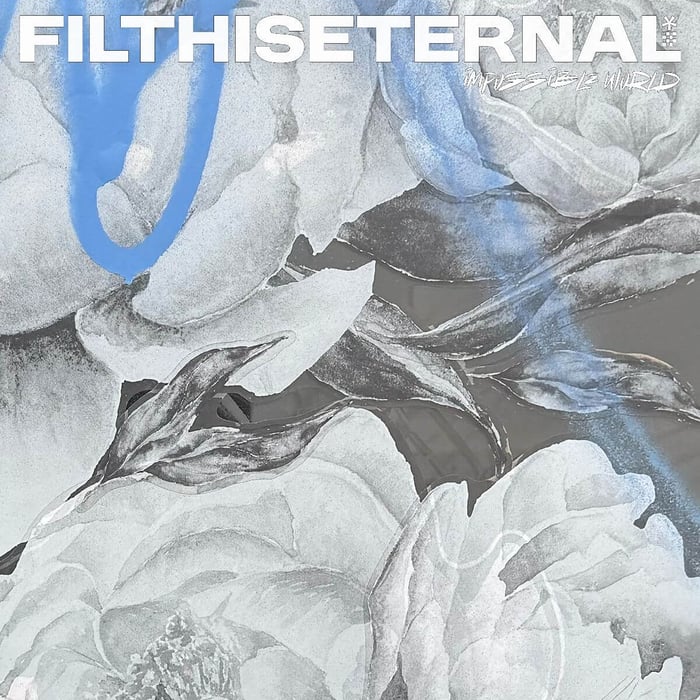
Impossible World turns Filth Is Eternal into a blunt instrument—raw punk, grunge haze, and uneasy questions that stick longer than the hooks.
A record that doesn’t “comment” on the world—it argues with it
Some albums want to soundtrack your day. Impossible World wants to interrupt it. I put it on expecting another tough-guy punk record with a few clever lines stapled on—and yeah, at first the rough production made me think, okay, we’re doing the crusty thing again. But the longer it ran, the clearer it got: Filth Is Eternal aren’t chasing vintage punk purity. They’re using punk as a delivery system for dread.
This band’s whole move is taking a heavier, more punishing version of punk and aiming it at the modern rot: unchecked technology, the slow creep of authoritarian control, that numb feeling of watching the world get shaped without your consent. And they don’t deliver those ideas like a TED Talk. They deliver them like a shove.
Arguable take: a lot of “political punk” feels like it’s trying to prove it read the news. This one feels like it’s trying to survive the news.
The opening punch: “Stay Melted” and the sound of a room caving in
The record opens with “Stay Melted,” and the first thing you notice is the production: rough, gritty, not here to flatter anybody. It captures that raw-performance edge—like the mic is too close and nobody bothered to sand the corners down. And honestly, I wasn’t fully convinced in the first few seconds; I kept waiting for the mix to “clean up” and start behaving.
It doesn’t. That’s the point.
What makes “Stay Melted” more than just raw punk is how it smuggles in other flavors—drone rock weight, alternative rock swing, grunge grime—then ties it together with echoey vocals that change the emotional temperature. Those vocals don’t just sit on top; they turn the whole track into something bigger, almost panoramic, like you’re hearing the same anger through a long hallway.
Arguable take: the echo isn’t just an aesthetic choice—it’s the band admitting the message is too big for a clean vocal to carry.
The early run: “Long Way,” “Hellfire,” and the guitar deciding to show off
From there, the album keeps that same general attitude for the next stretch, especially on “Long Way” and “Hellfire.” The guitar work gets these “incredible moments” where it stops being pure rhythm weapon and starts acting like a narrator—little turns and stabs that feel like the song making eye contact with you.
“Hellfire” in particular slips in something punk bands sometimes pretend they don’t like: a straight-up rock ’n’ roll solo. Not a wanky marathon, not a prog flex—just that brief, shameless moment where the band lets the guitar talk loud and proud. And it works because it’s not there to be impressive. It’s there to raise the temperature.
“The solo isn’t ‘breaking punk rules.’ It’s the band reminding you punk rules were always fake.”
“Acetylene” is basically a live show threat
Then there’s “Acetylene,” which hits with the unmistakable feeling of a song built for the stage. Some tracks sound good in headphones and polite in a venue. “Acetylene” feels like it’s already leaning off the monitors, already looking for a crowd to push back.
It’s not even about being the fastest or heaviest moment—more about how the track seems engineered for physical reaction. The rhythms feel like cues. The energy feels like instructions.
“‘Acetylene’ isn’t trying to be your favorite track—it’s trying to be the one you remember sweating through.”
Three collaborations, three different kinds of pressure
This record also packs three collaborations, and the smart thing is they aren’t treated like publicity stunts. They show up, do damage, leave.
“Desire” (feat. Gina Gleason) and “Total War” (feat. Johnny Whitney): quick hits, no filler
“Desire,” featuring Gina Gleason (Baroness), and “Total War,” featuring Johnny Whitney (Blood Brothers), both land as short-but-sweet punk jolts. They’re the kind of tracks where you don’t have time to overthink them—you just start moving your head before you can decide if you’re “into it.”
What really sells both songs is how naturally the guest vocals lock in. Nobody sounds pasted on. The songs don’t pause to announce the feature like a billboard. They just expand the vocal personality for a minute, then snap back.
“These tracks prove most punk albums could stand to be shorter—because when it’s this sharp, you don’t need extra minutes.”
“So Below” (feat. Joe Trohman): the engine rev and the gear shift
“So Below,” featuring Joe Trohman (Fall Out Boy), starts with something that shouldn’t work but does: a car engine revving. It’s an oddly literal “start your engines” moment, like the band’s daring you to roll your eyes. I almost did. Then the track kicks in and makes the rev feel less like a gimmick and more like a scene-setter.
Once it launches, it’s heavy rock colliding with punk, and the vocals start shifting between clean and rough. That switching would feel indecisive on a weaker record. Here, it feels like perspective—like you’re hearing two versions of the same thought: the one you say out loud and the one you grind your teeth to.
And crucially, the roughness isn’t just the vocal tone—it matches the instrumental character across most of the album. This is punk production that stays jagged on purpose.
“The ‘clean vs. rough’ vocal contrast is the album admitting that clarity is a luxury—most days you’re not afforded it.”
Lis DiAngelo’s vocals are the real shape-shifter here
If there’s a single element that holds Impossible World together while it borrows from different rock sub-genres, it’s Lis DiAngelo’s voice. The vocals don’t just sit in one “punk” setting. They adapt, constantly, without feeling like costume changes.
You get:
- classic punk delivery that hits like a dare,
- echoey harmonies (especially noticeable back on “Stay Melted”) that add scale and weird beauty,
- and more melodic moments when the album decides to widen the frame.
And the thing is, that adaptability could’ve made the album feel scattered. Instead, it makes it feel intentional—like the band’s saying: the threat changes shape, so we change shape too.
“The vocals are doing more world-building than the guitars, and that’s not the usual punk hierarchy.”
“Weather & Rose” and the moment the album suddenly turns the lights on
The most striking left turn for me happens on “Weather & Rose.”strong> The track begins in the album’s familiar territory: fast, heavier punk—the kind of pace and impact that feels consistent across the record.
Then it shifts into a smoother production moment that honestly caught me off guard. The first time through, I didn’t know if it was going to feel like a different band barging into the room. On second listen, I realized it’s more like the same band changing the camera lens. Everything sharp becomes strangely luminous for a second.
If there’s a “stunning” moment on the record, it’s that pivot—the way it briefly trades abrasion for clarity without losing tension.
“This switch-up is the album’s most confident move, because it risks beauty without apologizing for it.”
Where it stumbles (a little): the roughness isn’t always your friend
Here’s the mild downside: the rough punk production that makes the album feel alive can also flatten some details. There were moments I wanted the low end to hit with more definition, or for certain guitar textures to separate more clearly instead of blurring into the same wall.
That said, I can’t fully condemn it, because the blur is part of the record’s emotional logic. Impossible World isn’t trying to sound “well-lit.” It’s trying to sound like you’re inside the machine it’s warning you about.
Still, if you’re the kind of listener who needs every instrument neatly labeled, this record will occasionally feel like it’s daring you to keep up.
“The mix isn’t ‘messy’—it’s confrontational, and that’s a choice that will annoy some people on purpose.”
The bigger picture: this band is planting a flag in modern rock
By the end, Filth Is Eternal come off like a band that’s not just loud, but positioned—firmly in the modern rock scene, not orbiting it. The album feels like a statement that they’re here to last, not just flare up for a cycle.
I’m not pretending I can see the future. But I can say this: Impossible World has the kind of stickiness that doesn’t rely on a single hook. It lingers because it feels like it’s about now in a way that isn’t corny.
And yeah, I’ll say it plainly: this is an exciting band. I thought I was getting a solid heavy punk record. I ended up with something that kept replaying in my head for reasons that weren’t just volume.
“This album’s real power isn’t aggression—it’s insistence.”
Rating: 9/10
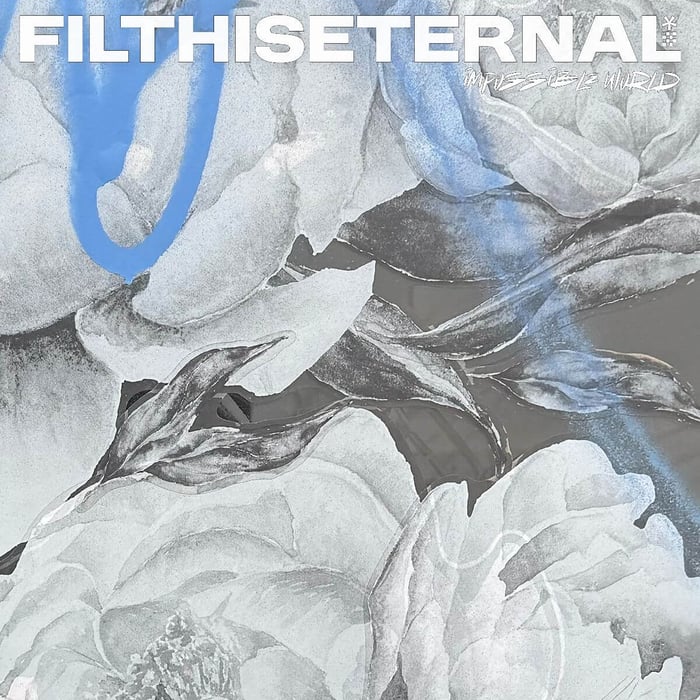
Impossible World is out now via MNRK Heavy.
Like Filth Is Eternal on Facebook: https://www.facebook.com/filthiseternal
Conclusion
Impossible World doesn’t act like punk is a genre museum. It treats punk like a tool—dirty, loud, adaptable—and then uses it to press on the sore spots: control, survival, the creeping sense that the world is being engineered while you’re trying to make dinner. It’s not subtle, but it’s not empty either. It leaves dents.
Our verdict: People who like punk that drags grunge haze and rock muscle into the pit will actually love this album—especially if you enjoy vocals that can turn from a bark to a ghostly chorus without asking permission. People who want clean, tidy production or “fun” rebellion with safe edges will not like this; they’ll call it noisy and then go back to their comfort playlists like nothing is happening.
FAQ
- What’s the core vibe of Impossible World? Heavy punk with raw edges, but it keeps slipping in grunge, alternative, and drone-like weight to make the dread feel bigger.
- Which track feels like the entry point? “Stay Melted” sets the rules immediately: rough production, echoed vocals, and genre bleed that doesn’t ask for approval.
- Are the collaborations actually meaningful? Yes—“Desire” and “Total War” hit fast and hard, and “So Below” adds a different kind of momentum with that engine-rev opening and vocal contrast.
- What’s the standout vocal moment? The way Lis DiAngelo shifts into echoey harmonies (especially on “Stay Melted”) and then later lets “Weather & Rose” open into something smoother.
- What might turn listeners off? The production stays jagged; if you want pristine separation and polish, you’ll probably find yourself wishing it would “clean up.”
If this album’s imagery is living in your head, that usually means the cover should be on your wall too. You can shop a favorite album cover poster at our store here: https://www.architeg-prints.com
 | DISCOUNTGET 30% OFF*Use code on your next order:
|
* This post may contain affiliate links, meaning we earn a commission if you make a purchase through these links, at no additional cost to you.